You have probably admired a West Village stoop and wondered, is that a true brownstone or simply a classic townhouse? When you are weighing a purchase or planning a renovation, the distinction matters. Material, layout, and landmark rules all shape your costs, options, and long-term value. In this guide, you will learn how to spot the differences, what to expect inside, and what regulations and maintenance mean for your lifestyle and resale. Let’s dive in.
Brownstone vs townhouse explained
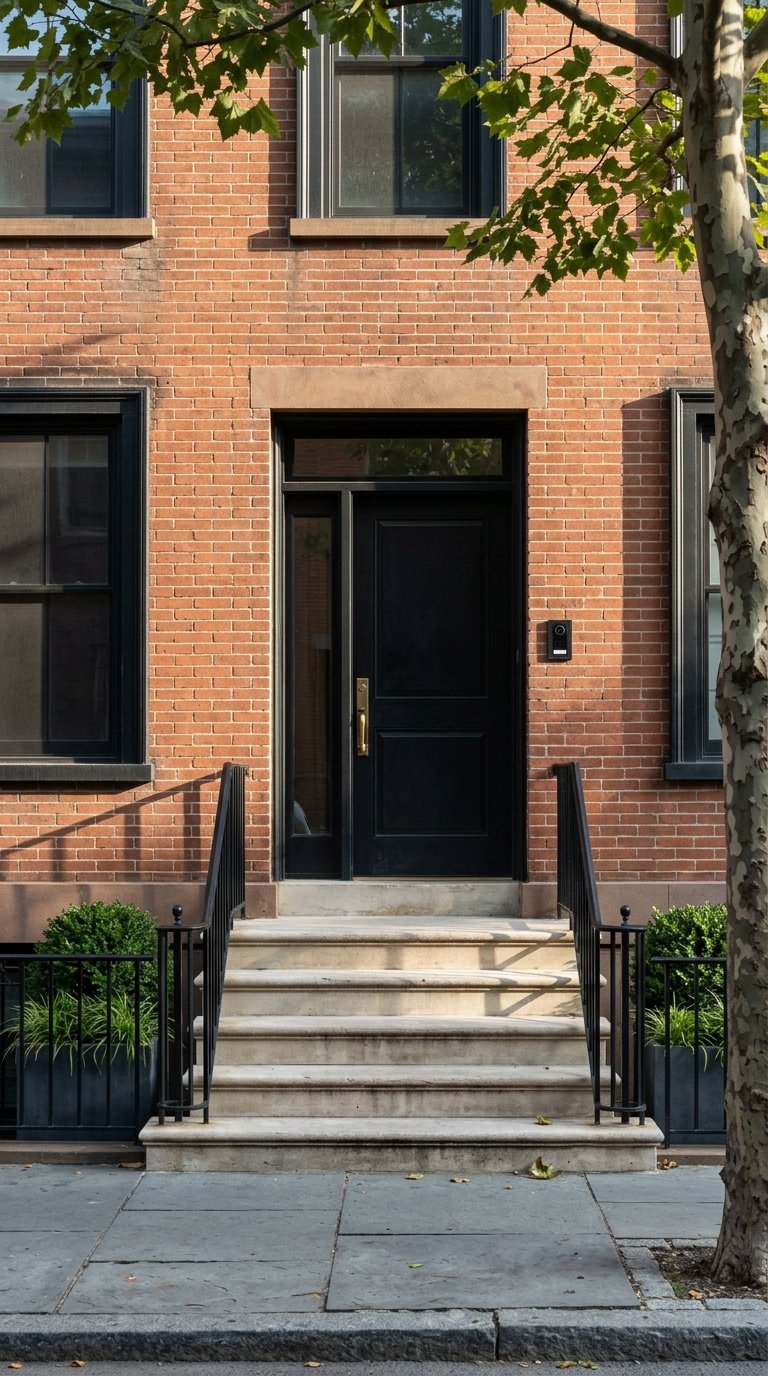
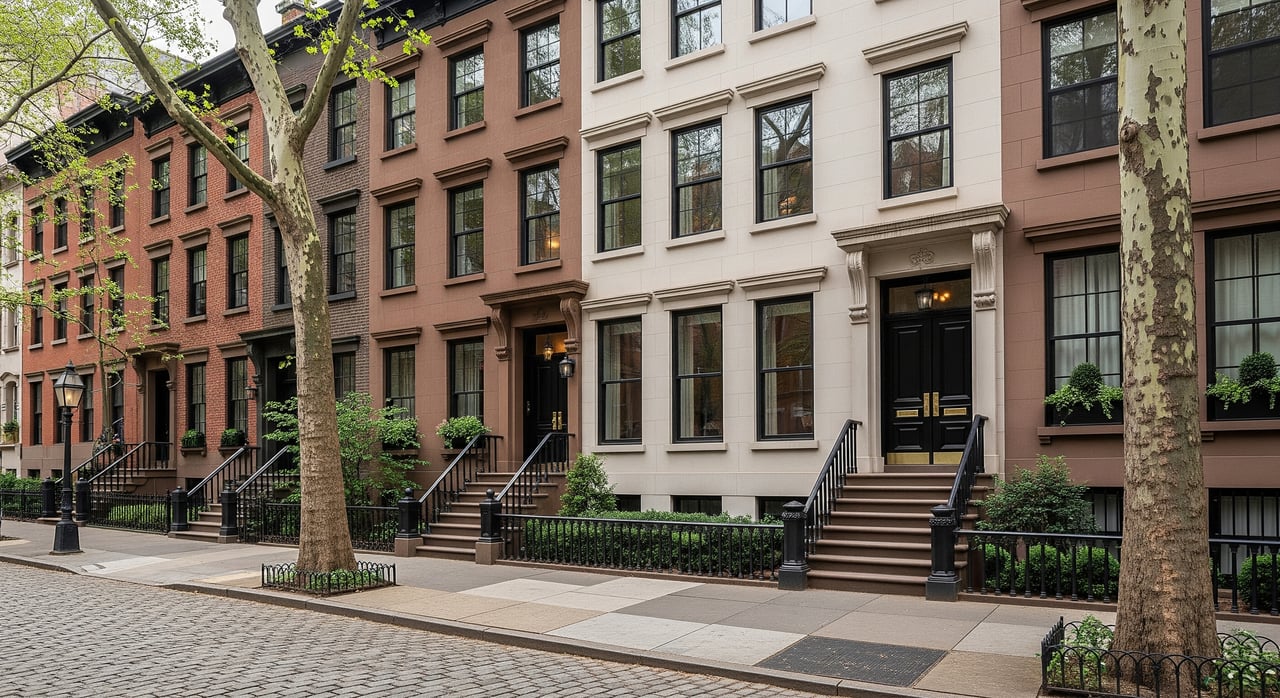
A townhouse is a broad term. In New York, it refers to a vertically stacked rowhouse that can be single-family or multi-family. You will see brick, brownstone, limestone, painted brick, and stucco facades across the West Village.
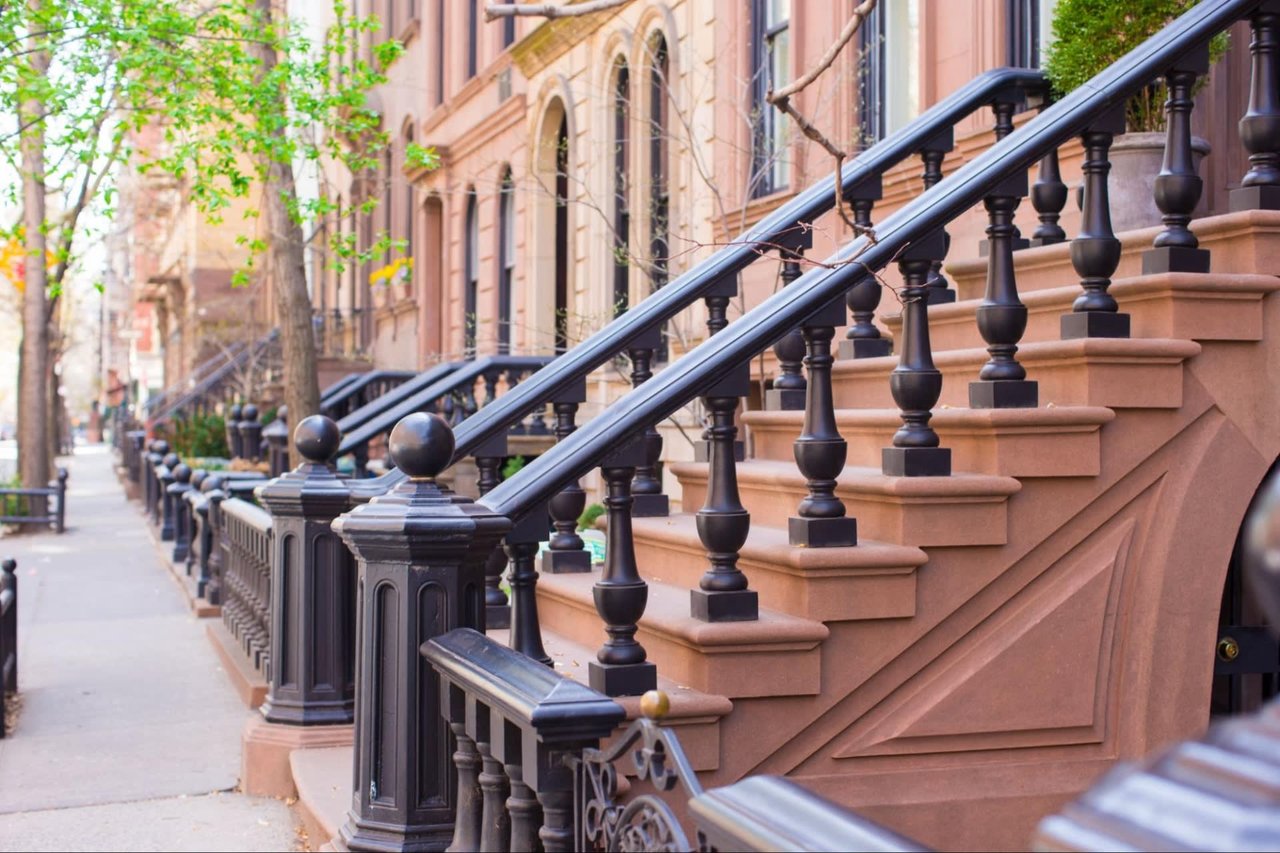
A brownstone refers to the façade material. Brownstone is a type of sandstone, prized in the mid-19th century for its warm tones and carvability. When people say “a brownstone,” they usually mean a rowhouse faced in brownstone rather than a different masonry.
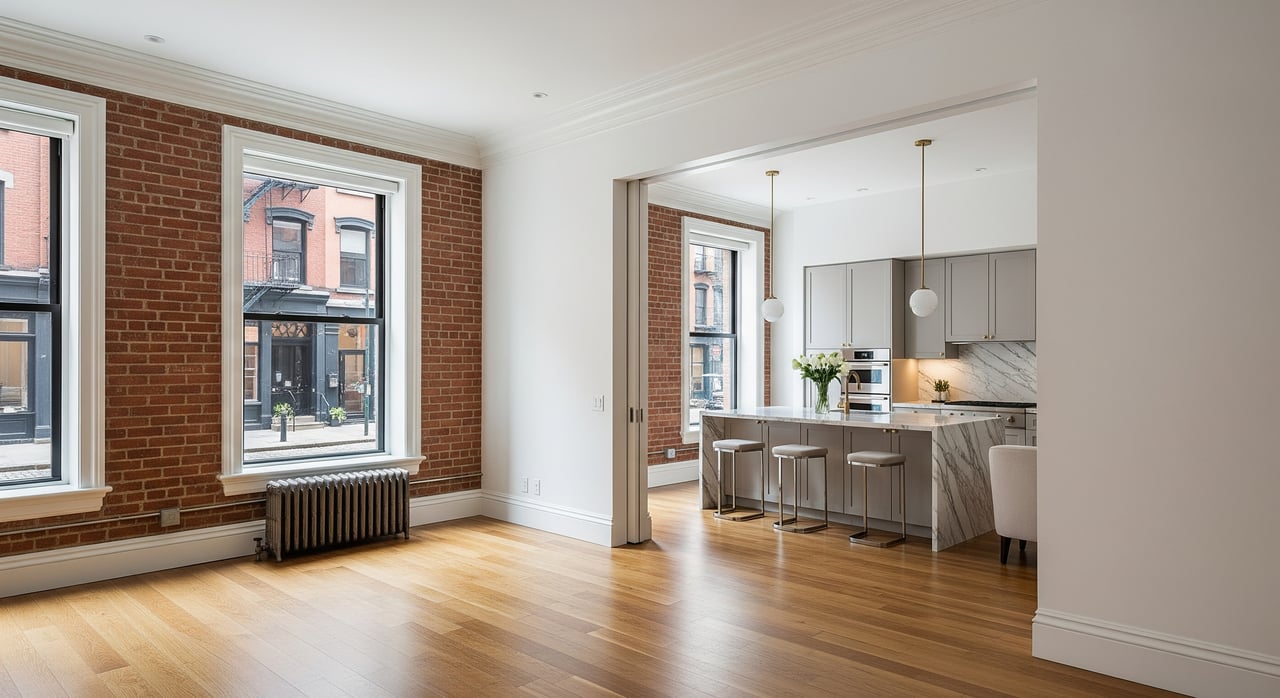
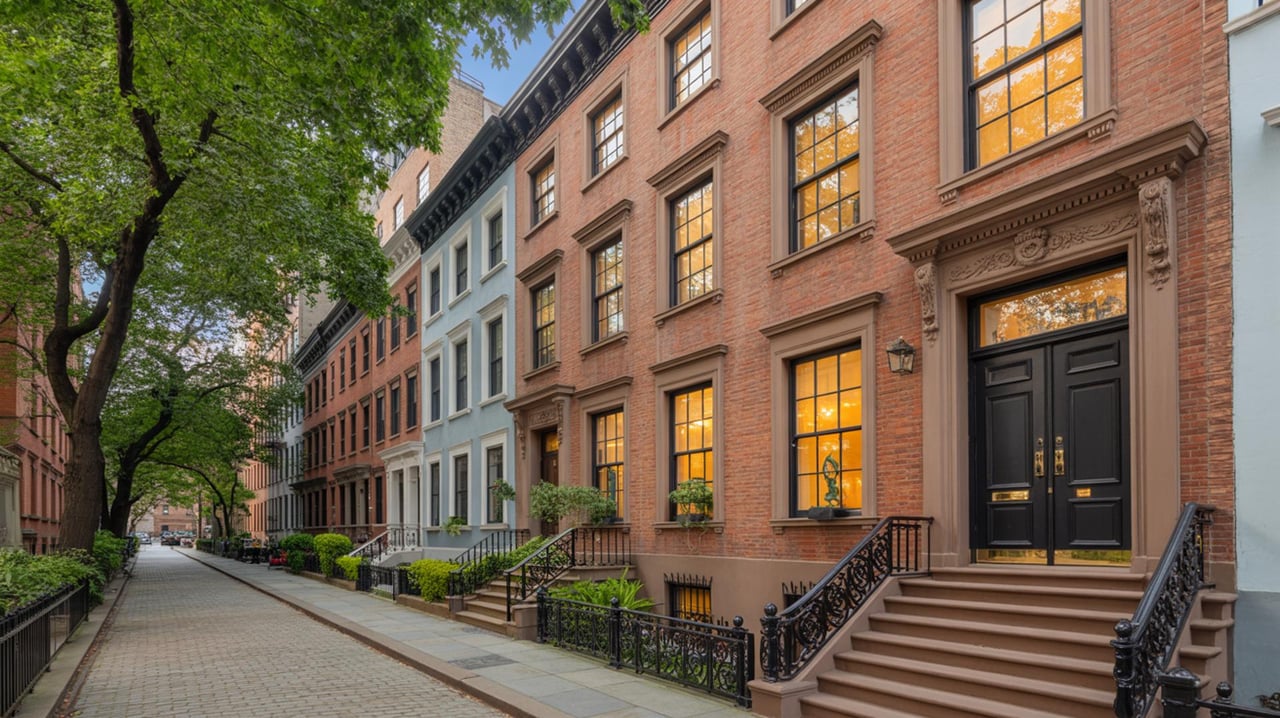
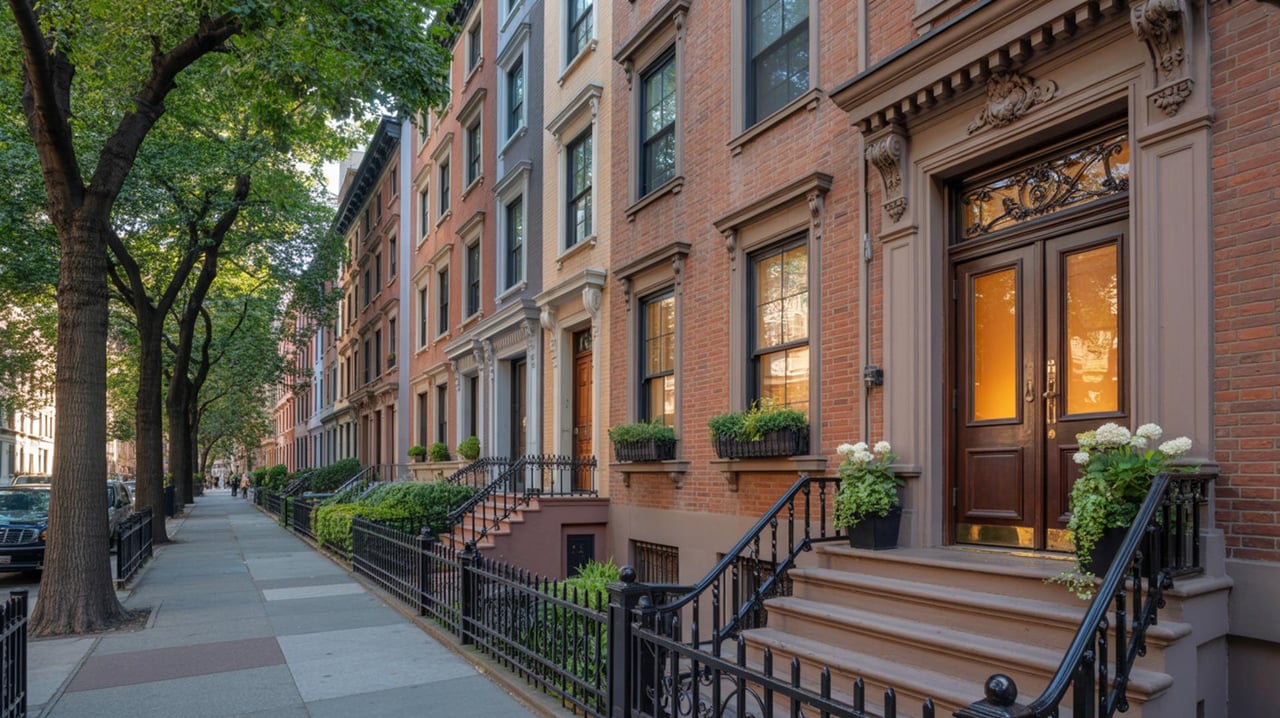
In the West Village, both appear on the same block. You will find earlier brick Federal and Greek Revival houses, mid-19th century brownstone Italianate and Renaissance Revival rows, and later brick or limestone townhouses. Many have been updated, so you may see mixed periods and materials on a single façade.
West Village streetscape and history
The neighborhood’s character reflects layers of development. Early 19th-century Federal and Greek Revival rowhouses set the narrow, human-scaled pattern. In the mid-1800s, Italianate and Renaissance Revival styles with brownstone facades became common. Later, brick and limestone townhouses introduced more formal stone trim and different cornice lines.
Much of the West Village sits within New York City historic districts. Landmark status began in the late 1960s for Greenwich Village and related areas, which helps preserve facades and streetscapes. For today’s buyers, this means exterior changes visible from the street are reviewed, and that shapes what you can alter after closing.
How to read the exterior quickly
Brownstone-faced cues
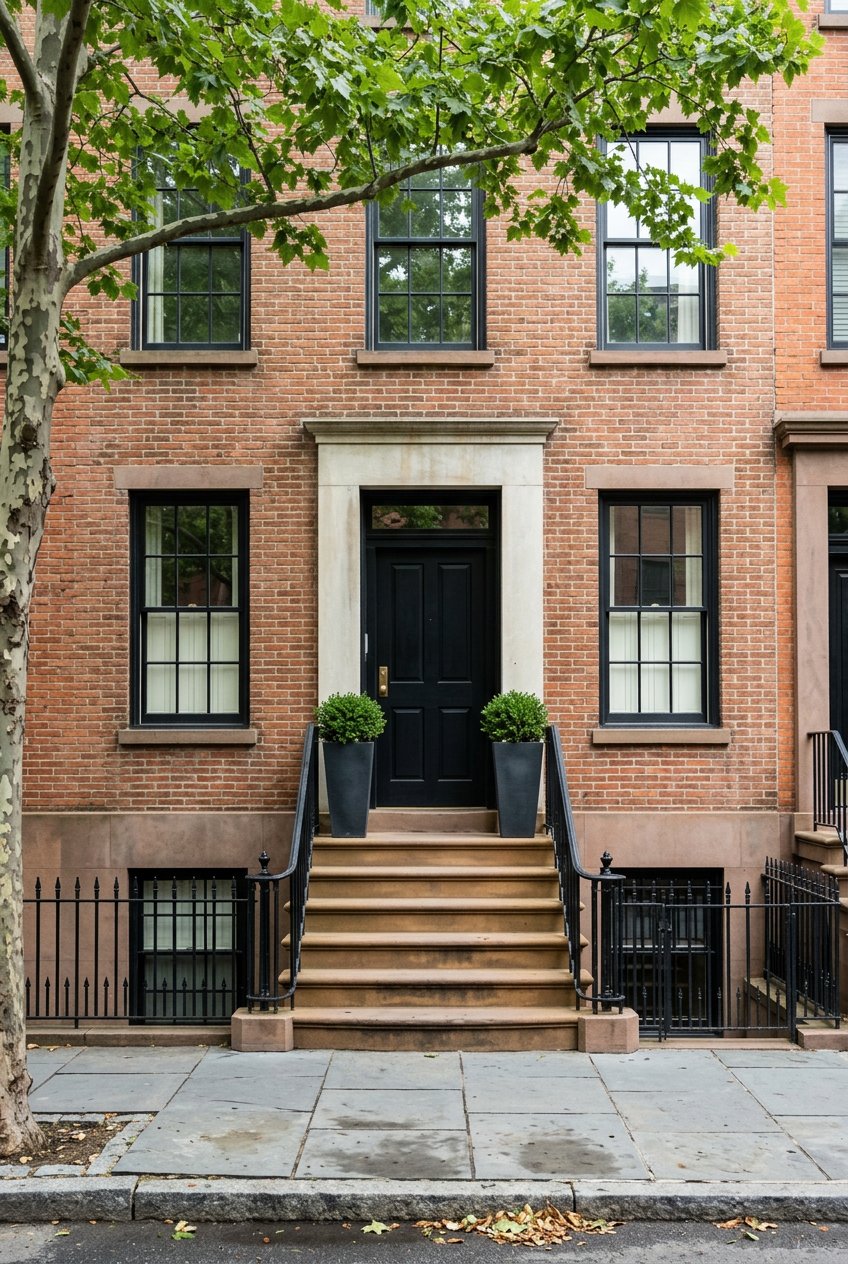
- Warm brown or reddish-brown façade with carved stone details.
- A stoop rising to a raised parlor entry is common.
- Italianate ornament like bracketed window sills, molded lintels, and detailed cornices.
- Stoop treads and foundation stone often require specialized restoration over time.
Brick or painted brick cues
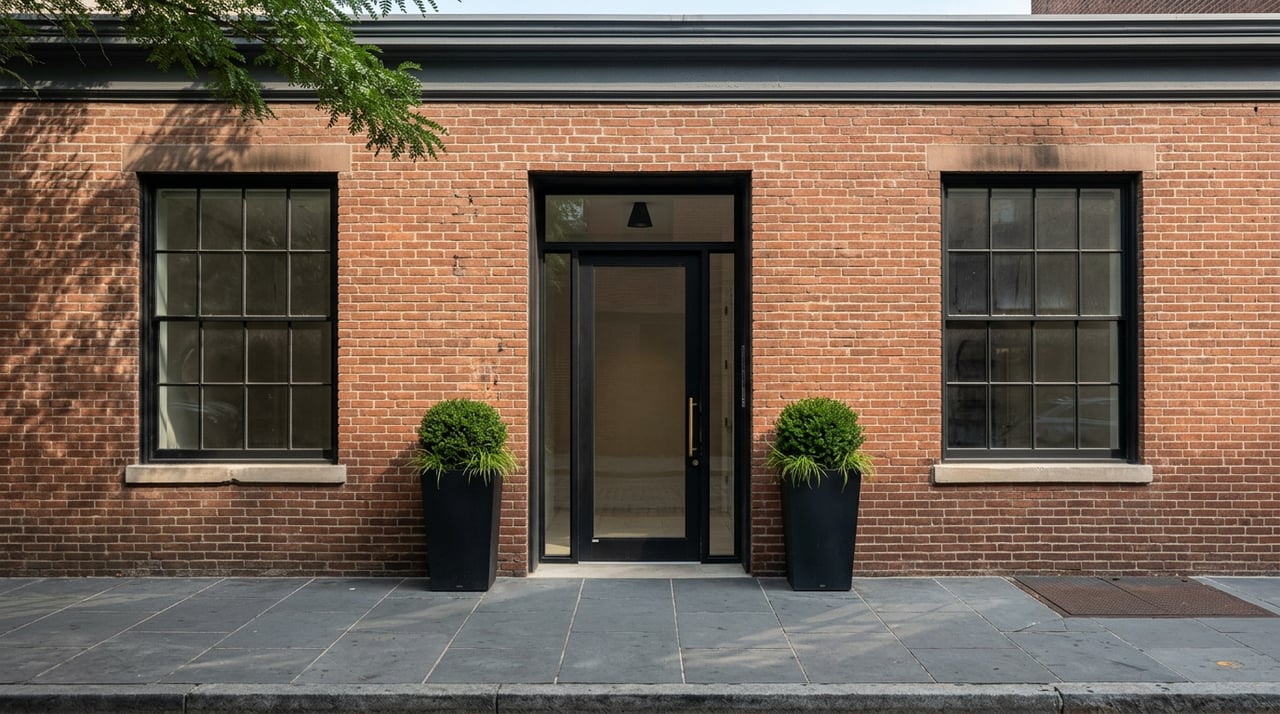
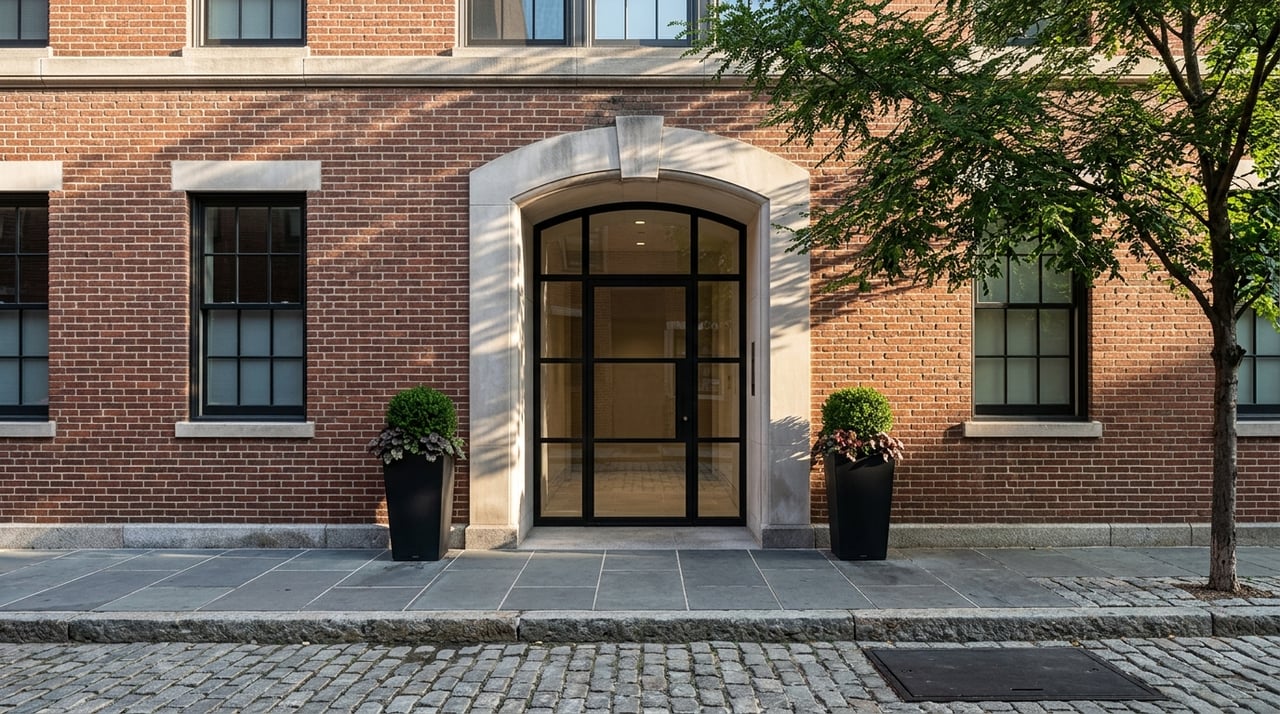
- Exposed brick with simple masonry lintels and regular window openings.
- Sometimes a lower or simpler stoop, or an entry close to grade.
- Painted brick can hide repairs but adds ongoing repainting maintenance.
Limestone and late 19th to early 20th cues
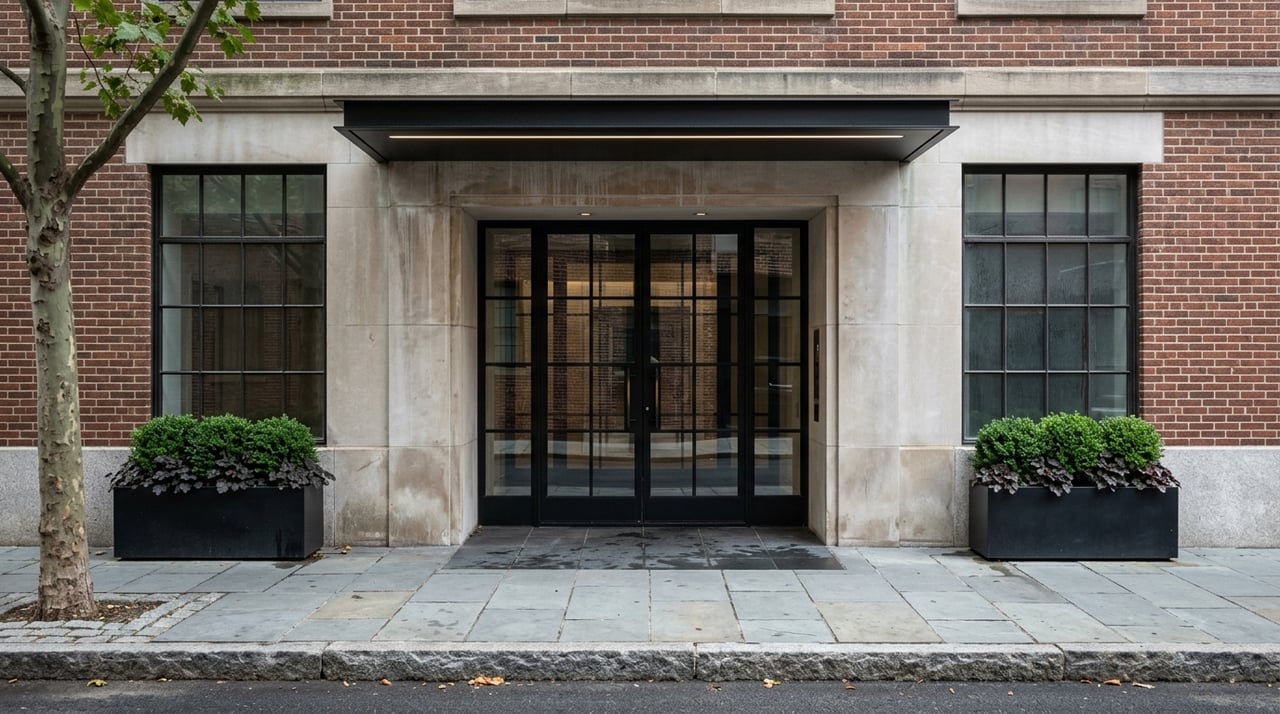
- Lighter stone with rustication, cleaner lines, and a more formal look.
- Stone trim around windows and doors and a crisp cornice profile.
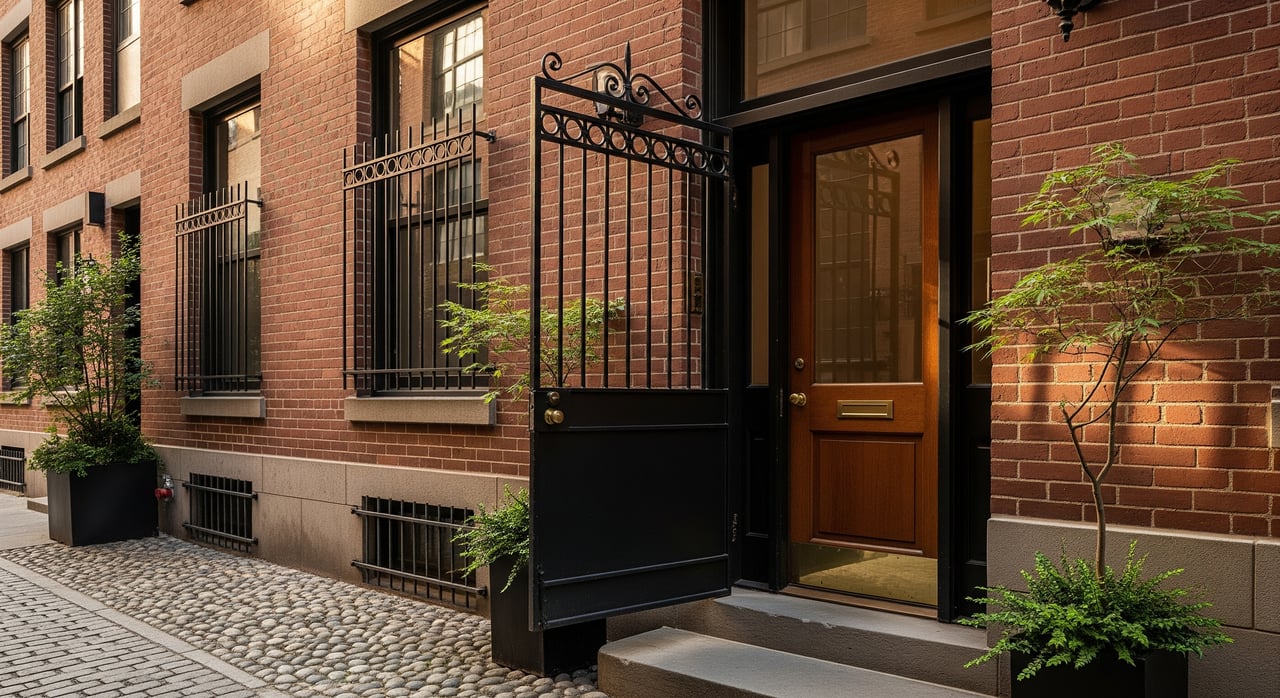
On many West Village blocks, such as parts of Grove Street and West 10th or West 11th Streets, you will see rows with similar proportions but different materials. Cornice height, window rhythm, and stoop profiles are helpful clues to age and type.
What to expect inside the plan
The classic townhouse layout
- Cellar or basement: mechanicals and storage, sometimes with a separate service entrance. Historically, kitchens and staff areas were here.
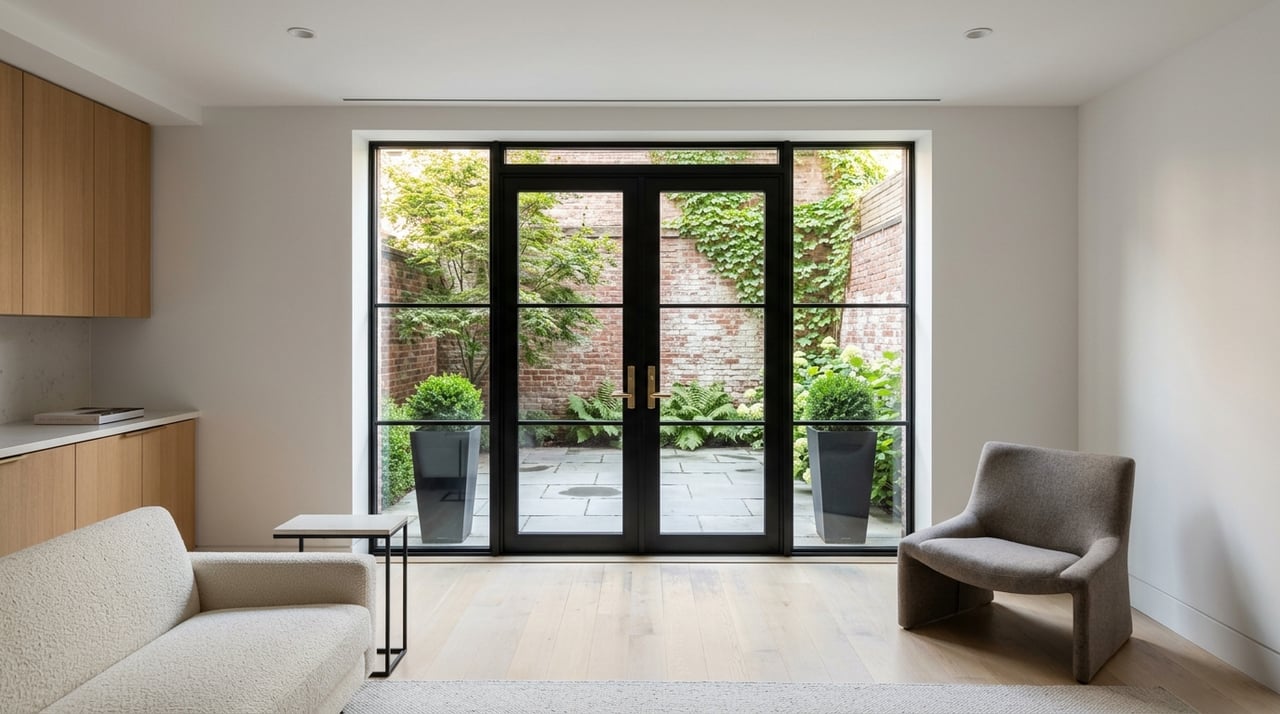
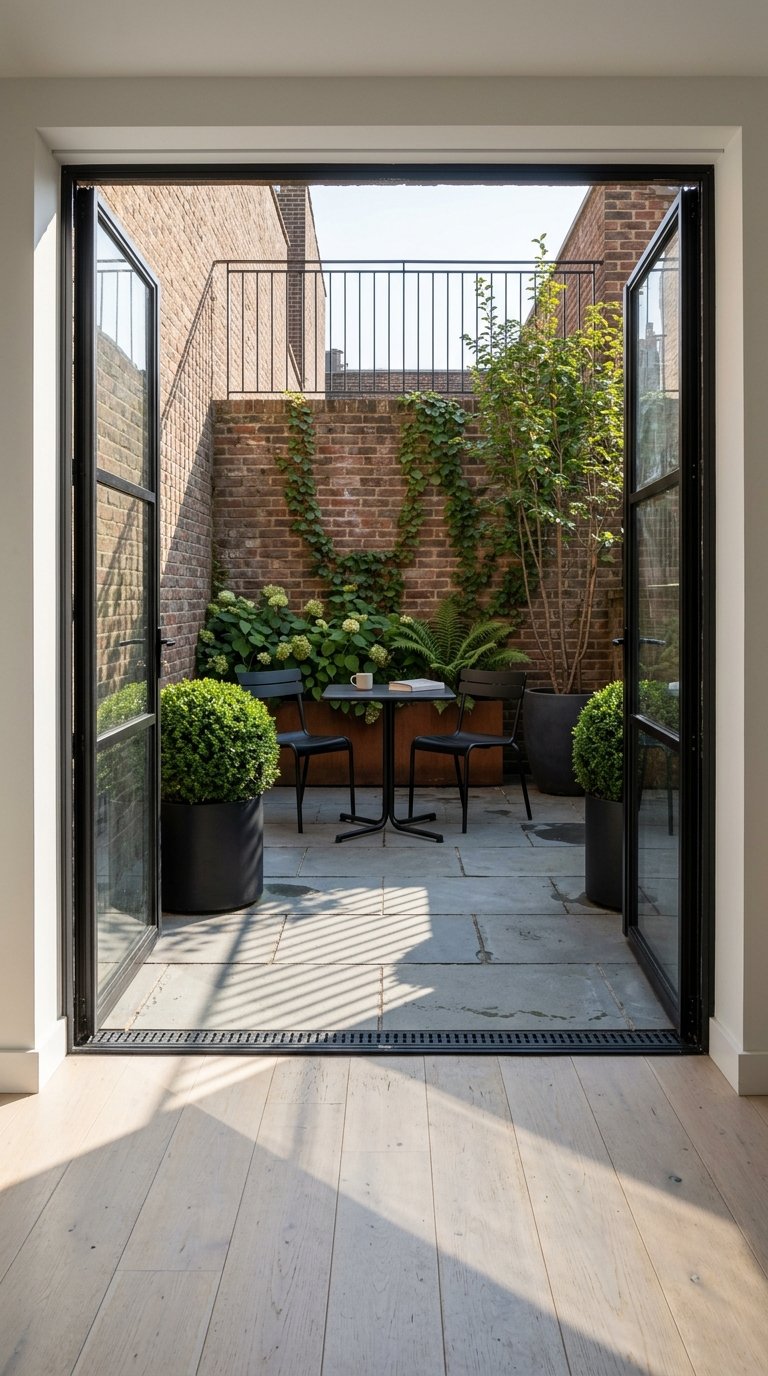
- Garden level: often a partially below-grade floor that opens to a rear garden. In many homes, this holds a kitchen or informal living today.
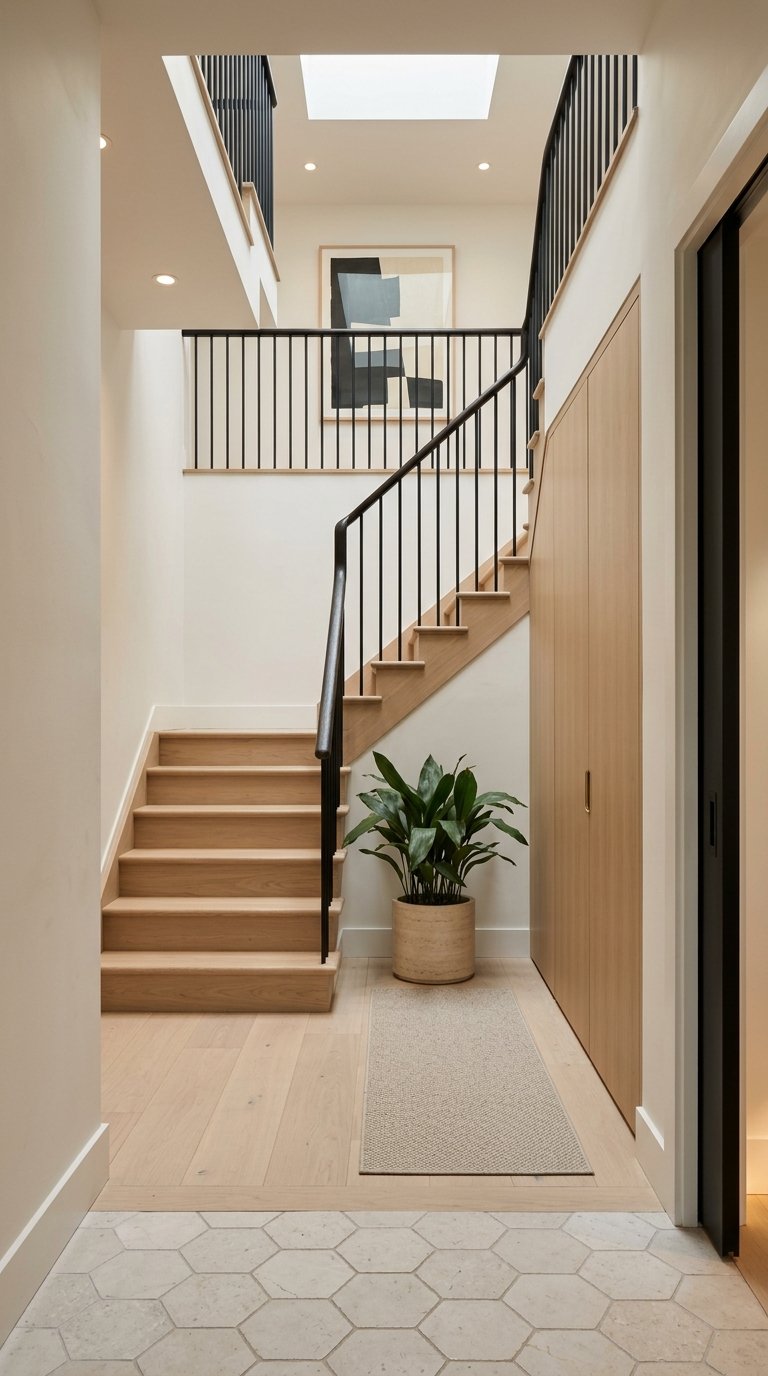
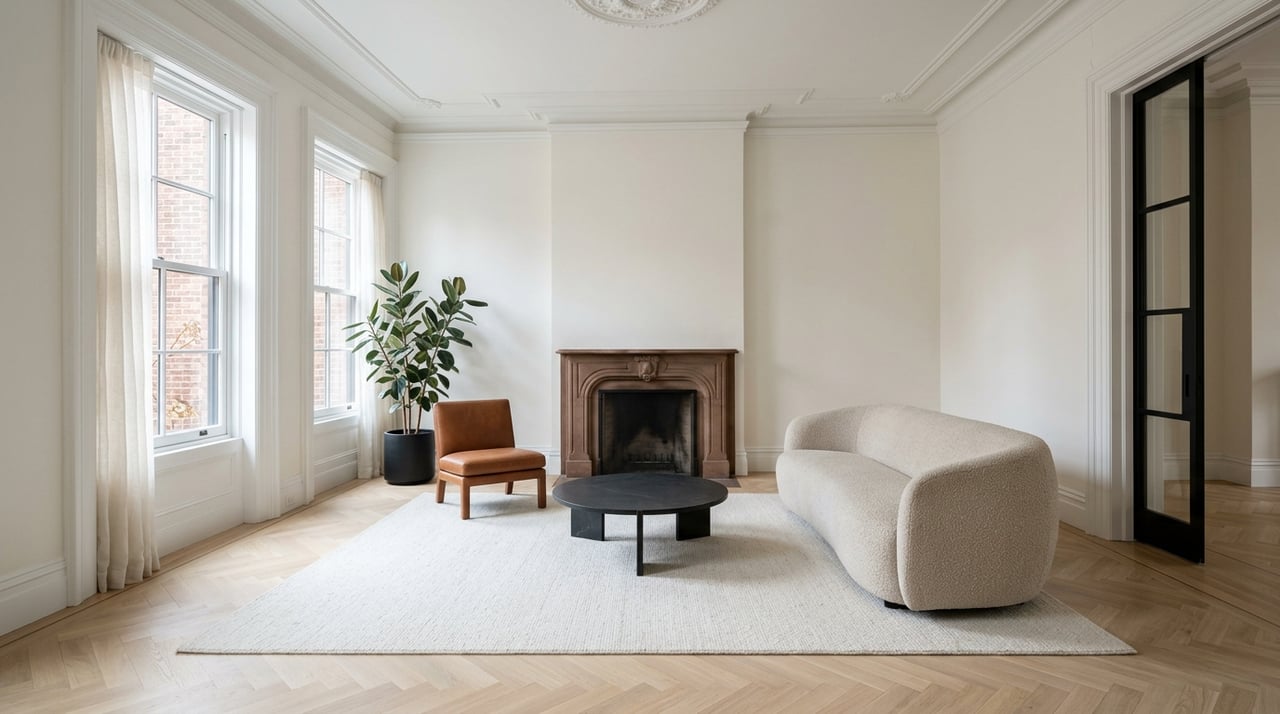
- Parlor floor: the raised level reached by the stoop, with tall ceilings and formal rooms from front to back.
- Upper floors: private bedrooms and baths, with ceiling heights that may step down as you rise.
- Top floor: originally staff rooms or storage, now often bedrooms or a studio.
Modern adaptations you will see
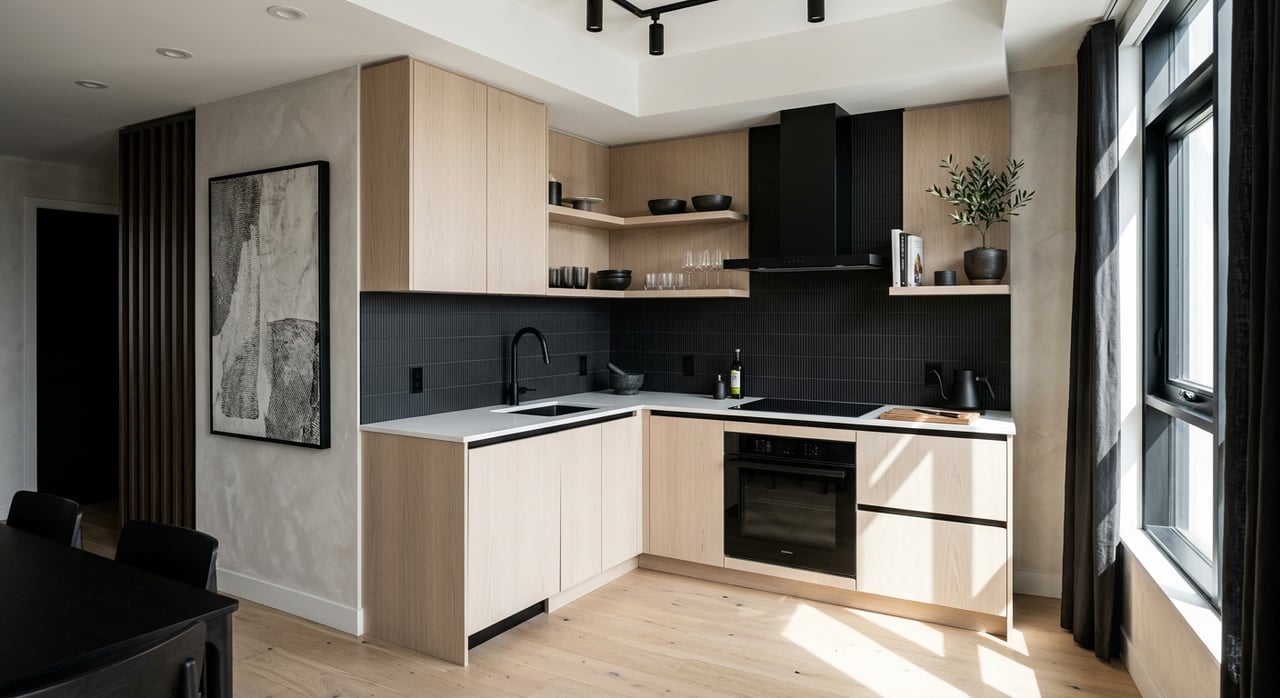
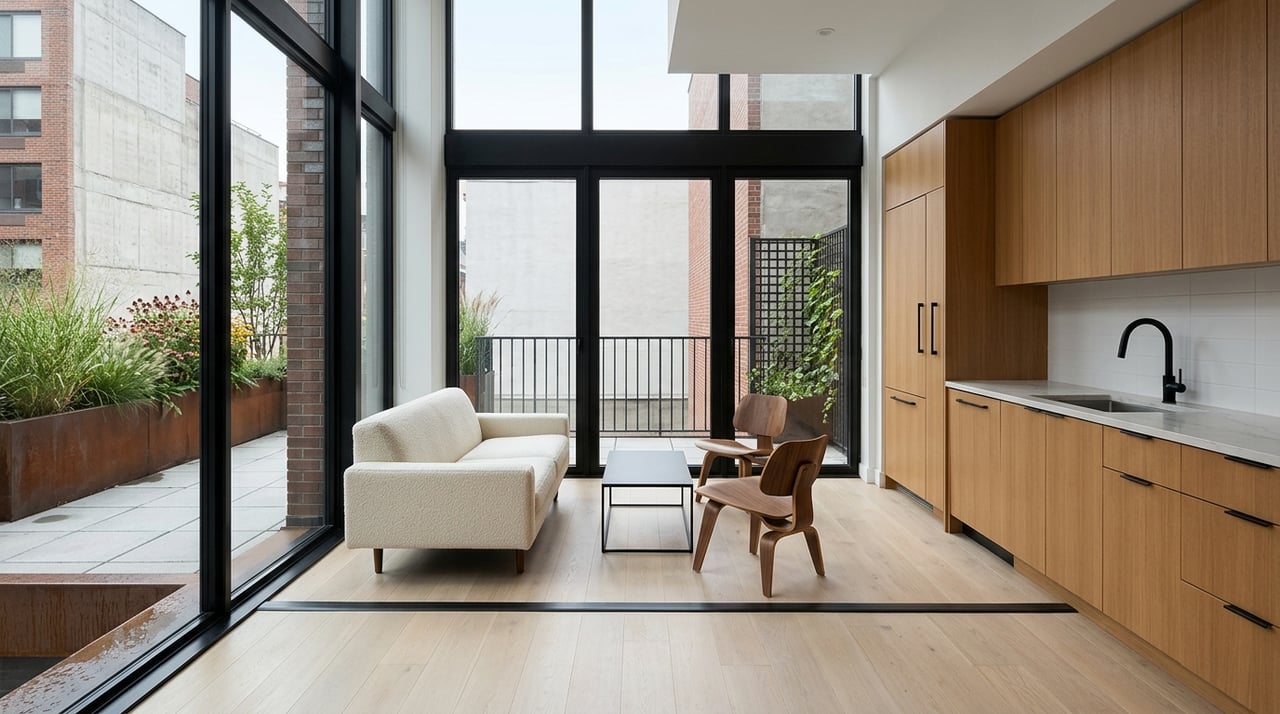
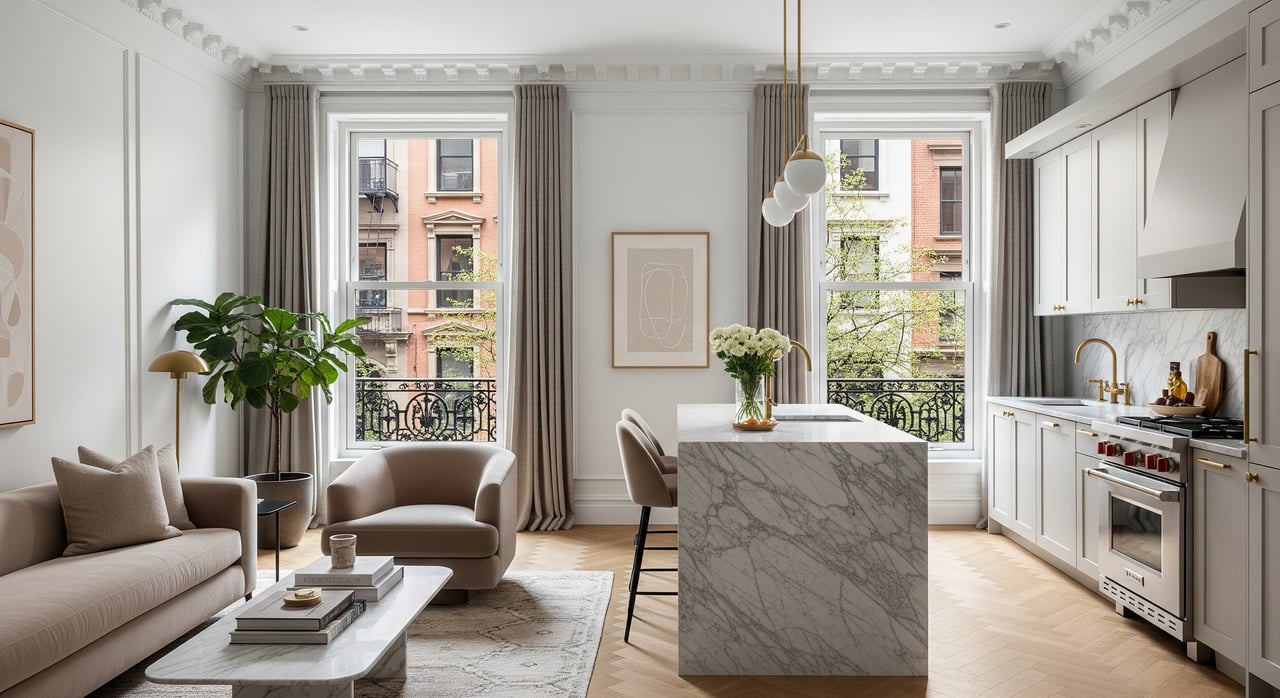
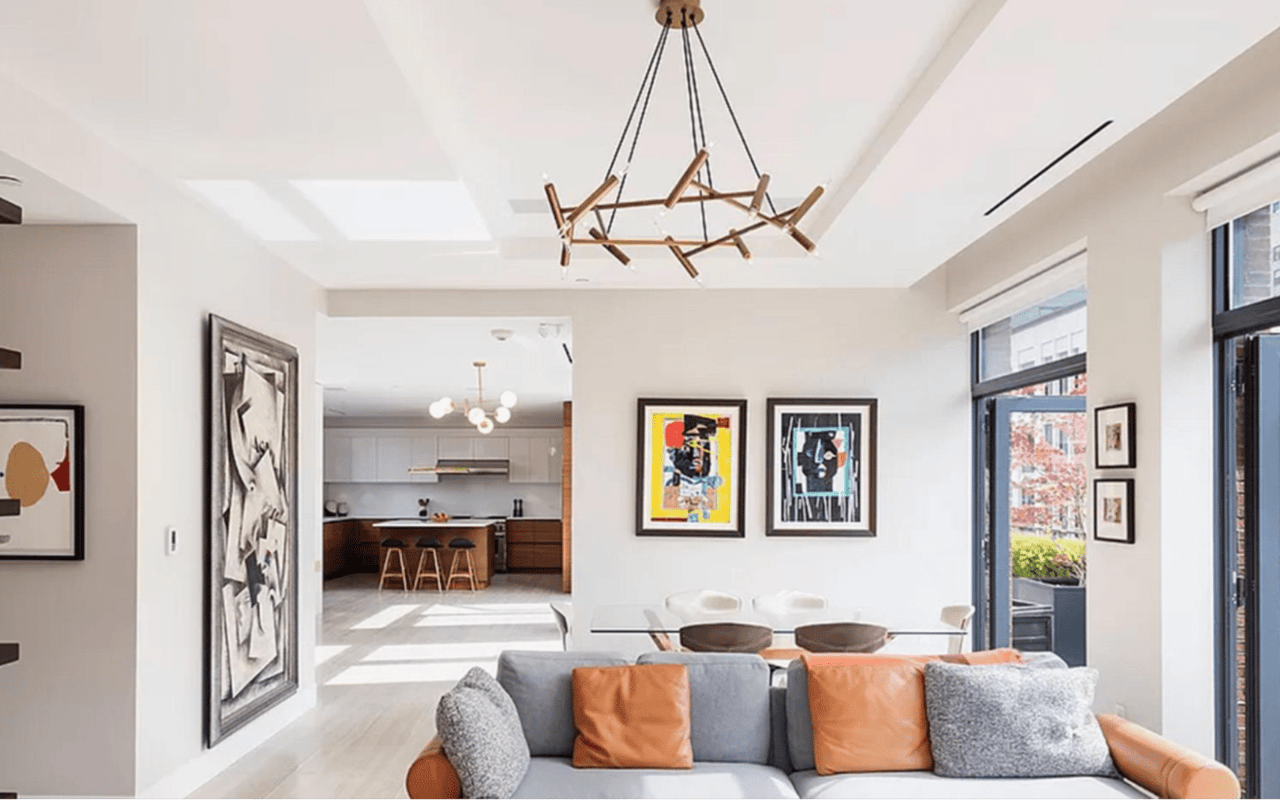
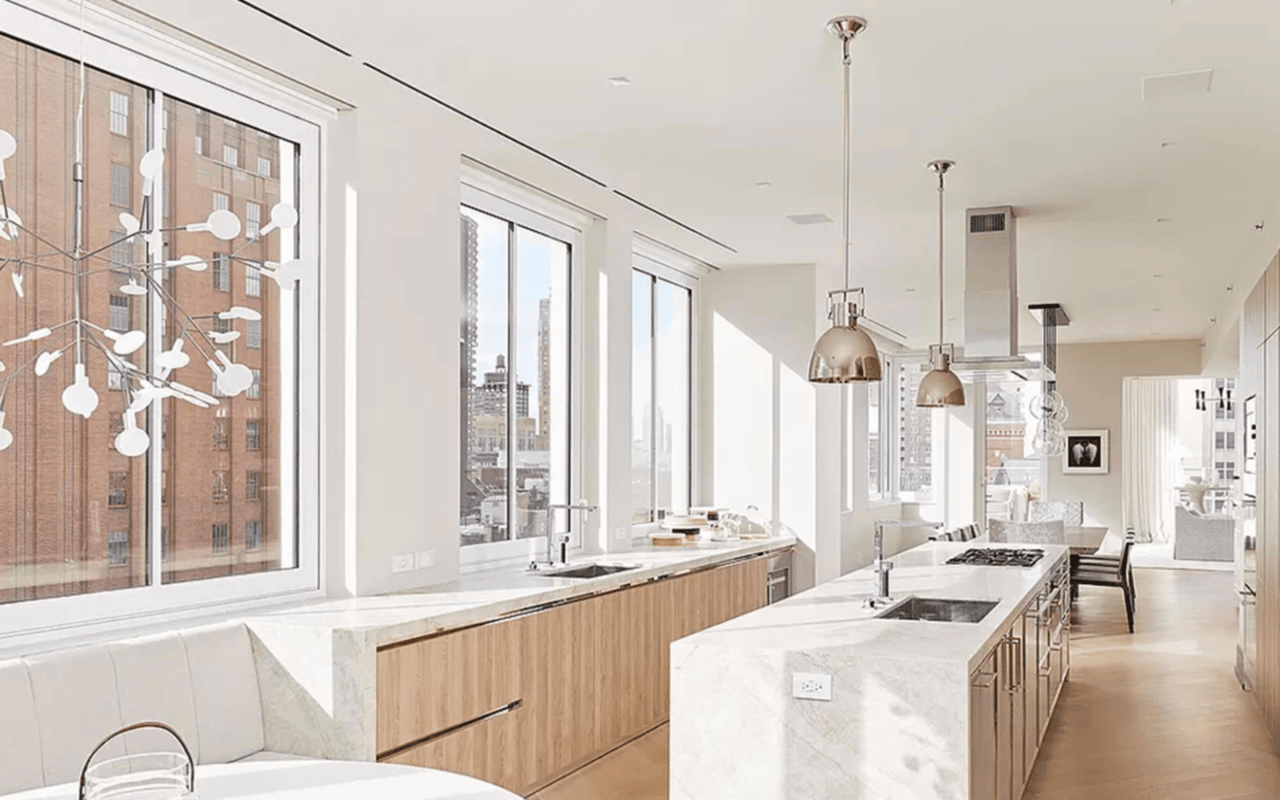
- Open-plan kitchens on the garden level or parlor floor.
- Single-family restorations or multi-unit configurations within the shell.
- Rooftop bulkheads or additions, where permitted, to gain interior access and outdoor space.
Garden, basement, and cellar basics
New York building rules treat basements and cellars differently. A basement is partially below grade and can count toward living space if it meets egress, light, ventilation, and ceiling height requirements. A cellar is mostly below grade and is harder to convert to legal living space. Garden-level apartments, which sit partly above grade with direct outdoor access, are prized for light and flow, but they need careful drainage and waterproofing.
Landmarking, permits, and what you can change
Much of the West Village lies within historic districts. Exterior work that is visible from the street usually requires approval from the Landmarks Preservation Commission. Typical items include stoop repair, façade repointing or patching, window replacement on visible elevations, cornice work, and rooftop bulkheads.
Expect more steps, timelines, and professional involvement. Landmark review can lengthen your schedule and increase costs. The upside is protection of the streetscape, which can support long-term value.
Before you buy, review the property’s designation status and filing history. Confirm whether prior exterior work received approvals and whether any violations are open. If you plan visible exterior changes, consult an architect who works regularly in West Village historic districts.
Zoning, expansion, and additions
Zoning in the West Village varies by block. It controls use, floor area, and the building envelope. If you hope to add interior square footage, excavate under the house, extend at the rear, or add a rooftop structure, you will need a code-compliant plan. Zoning and landmark rules both apply, so a design may need to be adjusted to satisfy each.
Basement conversions and multi-unit changes trigger Department of Buildings permits, inspections, and possible updates to the Certificate of Occupancy. Meeting egress, fire safety, ceiling height, and light and ventilation requirements is essential, especially for any unit that includes a basement or garden level.
Parts of lower Manhattan are in coastal or flood zones. If you are near the Hudson River or south of Christopher Street, review flood-risk maps and insurance implications. This is especially important if you plan to finish a garden level or basement.
Material matters and maintenance realities
Brownstone upkeep
Brownstone is softer and more porous than brick. It is vulnerable to moisture-related wear like spalling and scaling, especially in freeze-thaw conditions. Proper repair uses compatible patching materials and skilled masons who understand the stone. In some cases, stoops or façade sections require more involved reconstruction.
Protective coatings are not a quick fix. Some treatments can trap moisture and worsen damage. The best approach is targeted repair by specialists, careful repointing, and ongoing inspection of water-shedding details like sills, cornices, and flashing.
Brick and limestone upkeep
Brick tends to need periodic tuckpointing and occasional brick replacement. If the brick has been painted, plan for repainting cycles and hidden condition checks. Limestone is harder than brownstone, with different weathering patterns. It still needs regular inspection and mortar joint maintenance.
Common townhouse projects
- Stoop and stair repairs, including stone replacement where needed.
- Cornice maintenance, especially for wood or metal cornices that can rot or corrode.
- Roof membrane replacement and bulkhead weatherproofing.
- Basement and garden-level waterproofing and drainage improvements.
- Electrical, plumbing, and HVAC upgrades, which often require opening walls and floors within tight vertical shafts.
Specialized preservation work commands a premium. If the work is visible from the street, it may also require landmark review. Plan for both the craftsmanship and the process.
Lifestyle, value, and resale considerations
In the West Village, buyers respond to authenticity. Original stoops, intact parlor floors with high ceilings, and well-preserved façades are strong selling points. Outdoor space, whether a rear garden or roof deck, is a major lifestyle feature that can distinguish a property.
Single-family townhouses offer privacy and control over the whole building. Multi-unit configurations can appeal to investors or buyers who want income or flexibility, but they bring zoning, code, and permit considerations.
Material choice plays into your ownership experience. A brownstone façade offers prestige and period character, with higher likelihood of specialized maintenance. Brick or limestone may be simpler to maintain and repair, often with more readily available contractors. Landmark status tends to preserve neighborhood character and value stability, even as it reduces flexibility for certain exterior changes.
Buyer checklist for the West Village
Use this quick list as you evaluate a property:
- Confirm historic district status and review Landmarks approvals, drawings, and any visible exterior work.
- Pull Department of Buildings history for permits, open violations, and the Certificate of Occupancy.
- Hire an architect or contractor experienced with West Village townhouses for a pre-offer walkthrough.
- Order a thorough inspection that includes foundation, stoop, cornice, roof membrane, and moisture testing at basement and garden levels.
- Review flood zone and projected insurance needs, especially near the Hudson or lower blocks.
- Request invoices and warranties for masonry, waterproofing, structural work, and recent system upgrades.
Which is right for you?
Choose a brownstone if you want classic 19th-century character, a sculptural stoop, and period details, and you are comfortable with specialized stone care. Choose a brick or limestone townhouse if you prefer a lower-maintenance façade with the same West Village scale and charm.
Either way, focus on the plan and the envelope. Ceiling heights on the parlor floor, garden access, light on upper levels, and the condition of the roof, façade, and stoop will shape your daily life and long-term costs more than labels alone.
If you are weighing specific addresses or planning a renovation strategy, a discrete, advisory conversation can save you time and uncertainty. For tailored guidance and access to on- and off-market opportunities, At the Firm is available to align the right property with your vision. Request a private consultation.
FAQs
What is the difference between a West Village brownstone and a townhouse?
- A townhouse is the general rowhouse type, while a brownstone refers to a townhouse faced in brownstone sandstone. In the West Village you will find both, plus brick and limestone facades.
How does landmark status affect West Village exterior changes?
- In historic districts, exterior work visible from the street usually needs Landmarks approval. Expect additional review for items like stoops, windows, facades, cornices, and rooftop bulkheads.
What should I know about garden-level and basement units in the West Village?
- Garden-level units can offer light and outdoor access, but basements and cellars have strict code requirements. Legal living space needs proper egress, ceiling heights, and light and ventilation.
Are brownstones harder to maintain than brick or limestone townhouses?
- Generally yes. Brownstone is softer and more moisture sensitive, so repairs often require specialized masons and methods. Brick and limestone typically need regular tuckpointing and inspection.
Can I add a rooftop deck on a West Village townhouse?
- Possibly. Rooftop additions and bulkheads are subject to zoning and Landmarks review. Visibility from the street is a key factor, and you will need Department of Buildings permits.
How do West Village flood zones affect townhouse buying?
- Properties near the Hudson or farther south may sit in flood-risk areas. This can impact insurance, basement or garden-level plans, and waterproofing strategies. Always check the specific address.