Picture your perfect Hamptons morning. Is it the sound of waves outside your window, or a quick walk to coffee and galleries on Main Street? Both oceanfront and in-town living offer something special, but the right choice depends on how you want to live, travel, and maintain your home. In this guide, you’ll compare lifestyle, access, ongoing costs, and risk so you can move forward with clarity. Let’s dive in.
Oceanfront vs in-town: lifestyle fit
Privacy and seclusion
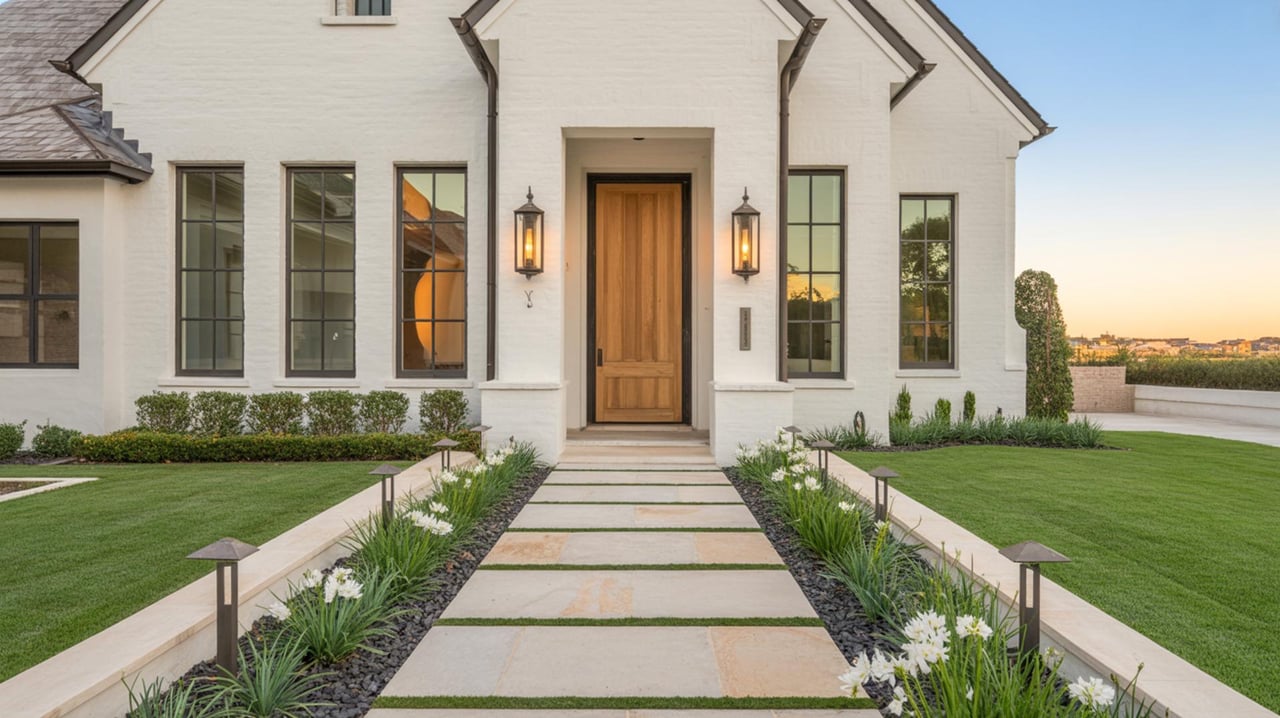
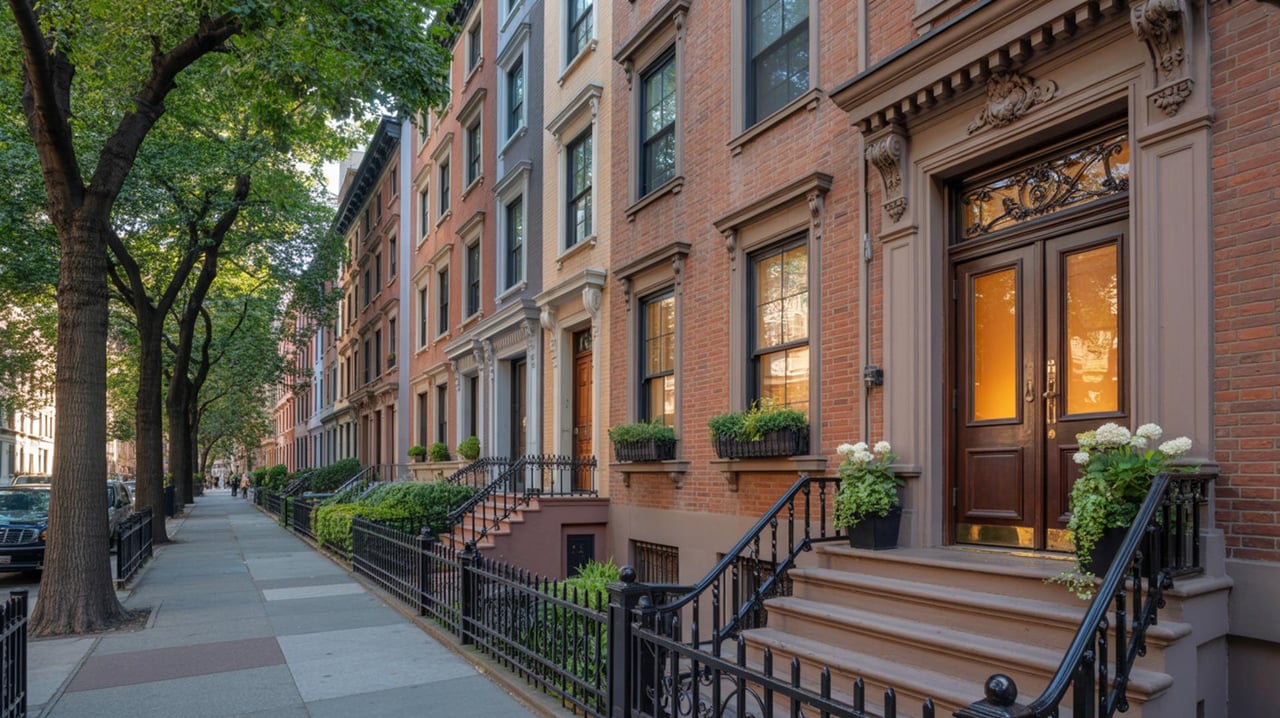
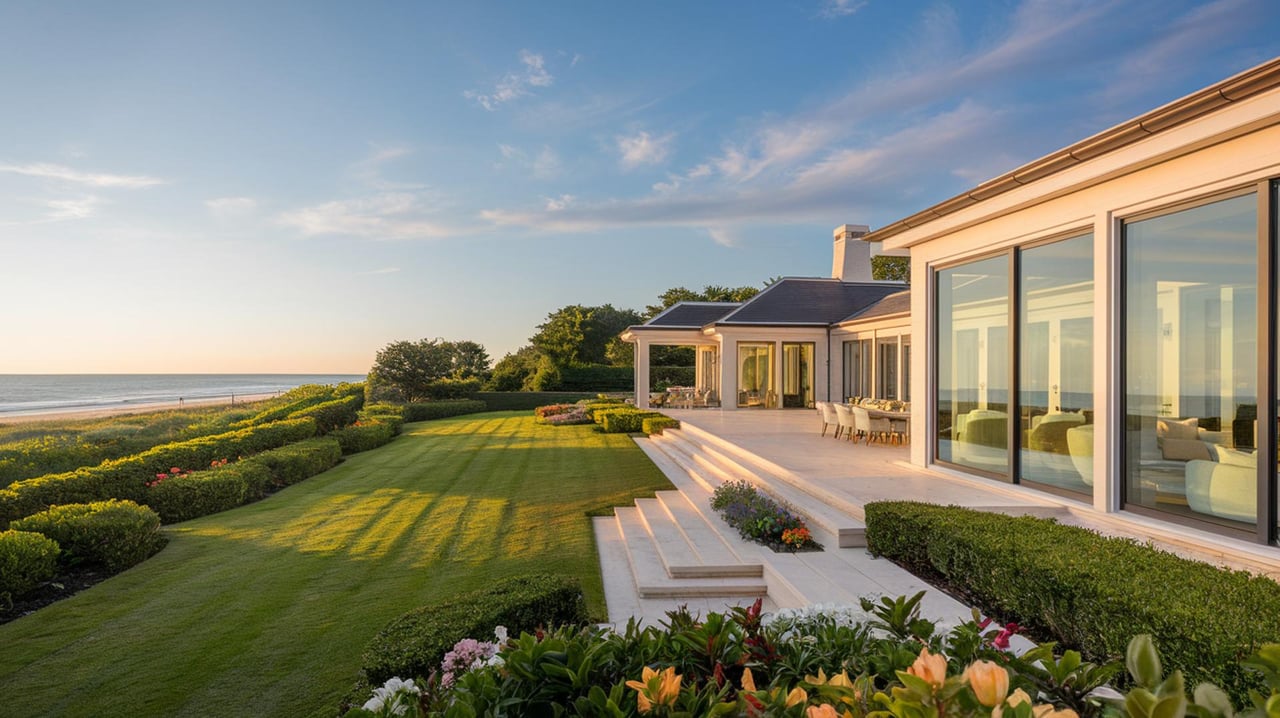
If you want sweeping views and a sense of retreat, oceanfront living delivers. Many waterfront estates sit behind dune buffers with longer drives and fewer immediate neighbors. That can mean quiet mornings and easy beach access. Keep in mind that some beaches have public access points, so “oceanfront” does not always mean exclusive shoreline use. In town centers like East Hampton Village, Southampton Village, or Sag Harbor, you trade a degree of seclusion for nearby shops, restaurants, and year-round neighbors, creating a more social day-to-day rhythm. For an overview of town character and amenities, review this Hamptons town-by-town guide.
Dining, culture, and community
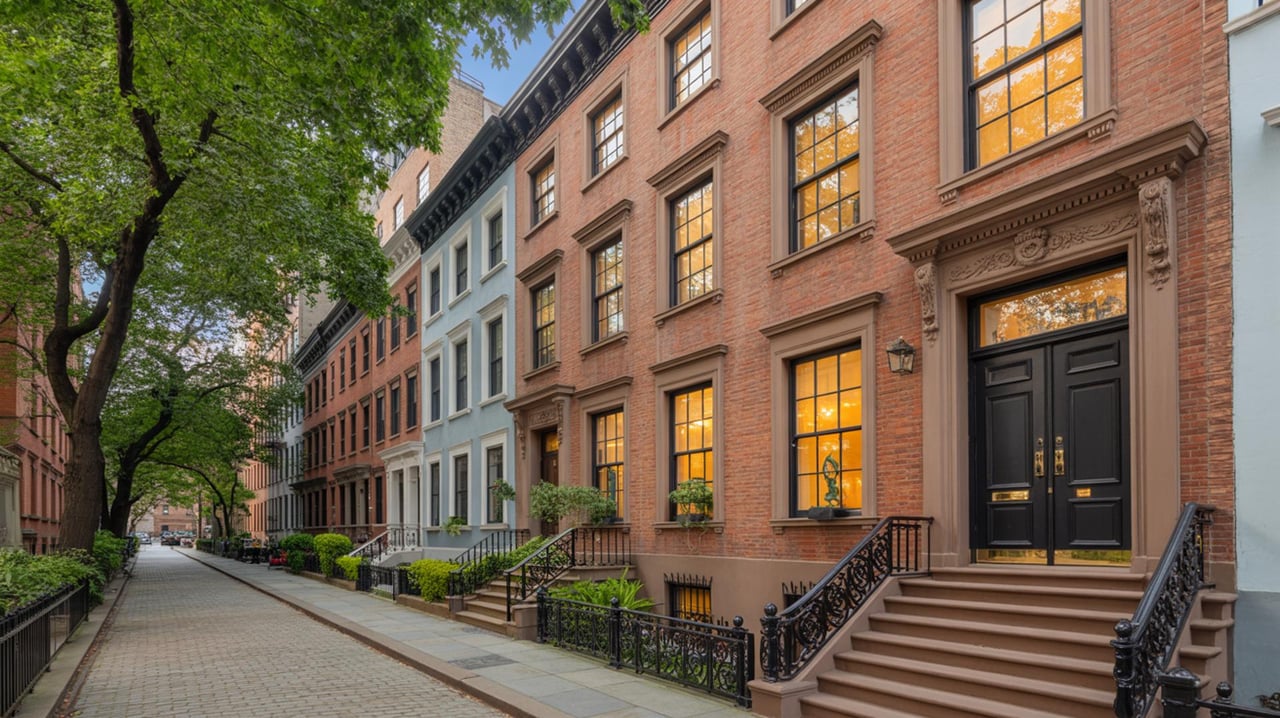
Village homes make it simple to enjoy galleries, restaurants, and community programming without getting in the car. Cultural anchors such as the Parrish Art Museum’s programs are within easy reach from several South Fork hubs. Oceanfront properties can sit near destination beach clubs or resorts, but you will usually drive for a broader set of dining and entertainment.
Getting there and getting around
Summer traffic on Montauk Highway and across the South Fork can be heavy on weekends and holidays. Background on the corridor helps explain why peak periods lengthen drive times from the city to 2 to 4 hours or more. If you plan to drive often, learn the typical peak windows and consider timing trips accordingly. For context on the corridor’s role and congestion patterns, see this overview of Sunrise Highway and Montauk Highway.
Rail options can reduce stress, especially in summer. The Long Island Rail Road’s Montauk Branch, including seasonal express "Cannonball" services, offers direct access to South Fork stations. Schedules and ride times vary by season and train, so check the LIRR Montauk Branch before planning tours or weekend arrivals.
Ownership practicalities that matter
Maintenance and materials
Salt air and storms are tough on coastal homes. Expect more frequent exterior painting, faster corrosion of hardware, diligent HVAC care, and potential dune or shoreline upkeep. Durable, salt-resistant materials and storm-smart design can extend a home’s life, align with best practices, and protect value. For guidance on coastal design and care, consult FEMA’s Building Science resources, including the Coastal Construction Manual, in the FEMA publications library.
If you will not be on site year-round, many owners hire a property manager for vendor coordination, winterization, and guest support. A practical overview of services and owner expectations appears in this guide to beachfront property management.
Insurance, flood risk, and permits
Many oceanfront parcels sit in FEMA Special Flood Hazard Areas and may require flood insurance if you carry a federally backed mortgage. The National Flood Insurance Program governs coverage, pricing methodology, and requirements; start with this CRS introduction to the NFIP for a plain-English primer. Private flood policies can be available for higher-value homes, but terms and availability vary.
Local rules also shape what you can build or repair near the shore. East Hampton and Southampton enforce coastal setback, floodplain, and shoreline regulations that determine siting, elevation, and protective measures. Review the local code and coastal provisions as a first step, such as the Town of East Hampton’s shoreline and floodplain code resources. Long-term planning should account for sea level and storm projections as described in New York State climate assessments; a helpful overview of impacts and methodology appears in this peer-reviewed summary of statewide climate findings.
Four documents to pull for any oceanfront listing
- FEMA Flood Insurance Rate Map (FIRM) for the parcel and an elevation certificate if available.
- The town’s coastal or CEHA setback guidance for the property.
- Recent flood and homeowner insurance quotes, including wind coverage and deductibles.
- Any records of permitted shoreline work or dune management.
Shortlist: match your lifestyle to hamlets
Privacy-first seasonal owner
You want sunrise surf checks, space, and minimal foot traffic. Oceanfront or near-ocean homes in Wainscott, Amagansett, or select Montauk stretches can fit well. Confirm elevation, allowable shoreline protection, and a long-term maintenance plan before you prioritize views over convenience.
Culture and dining priority
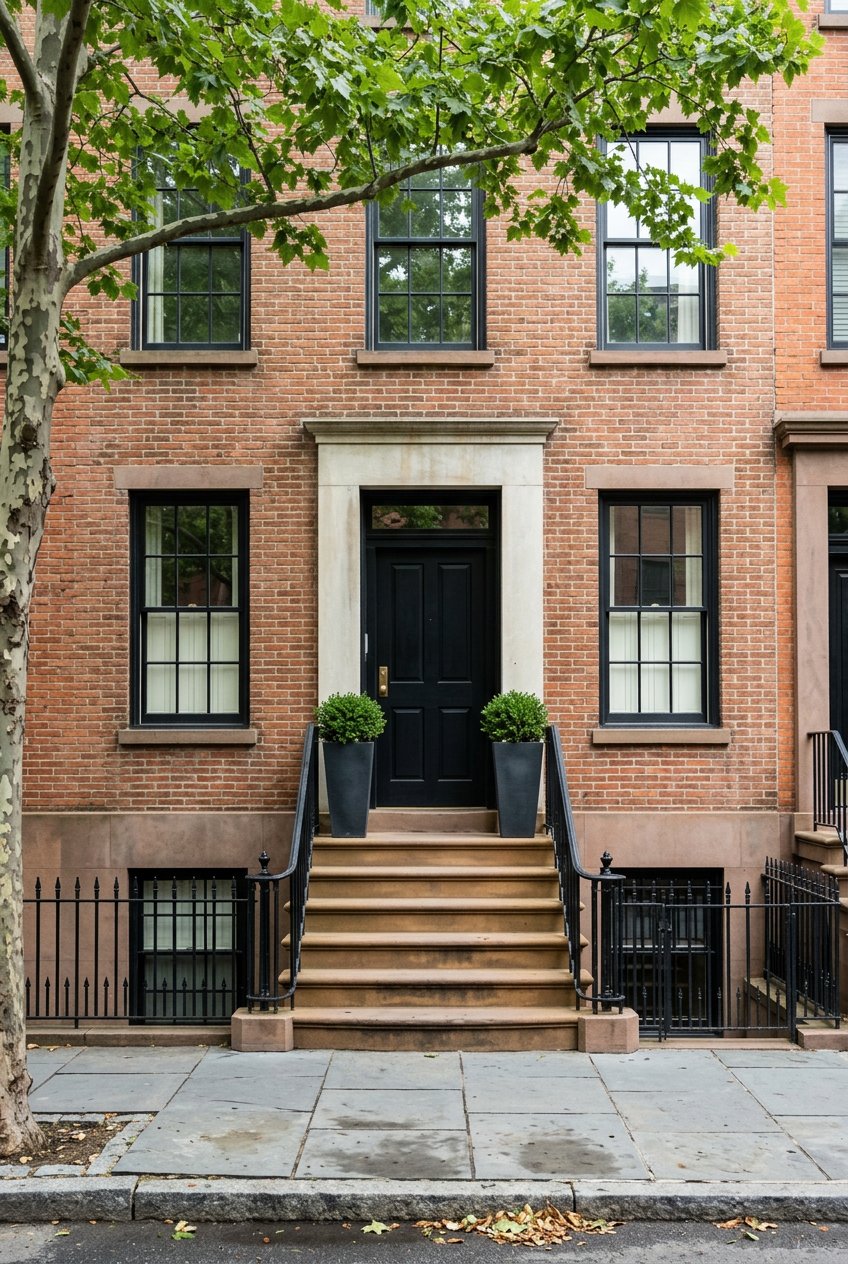
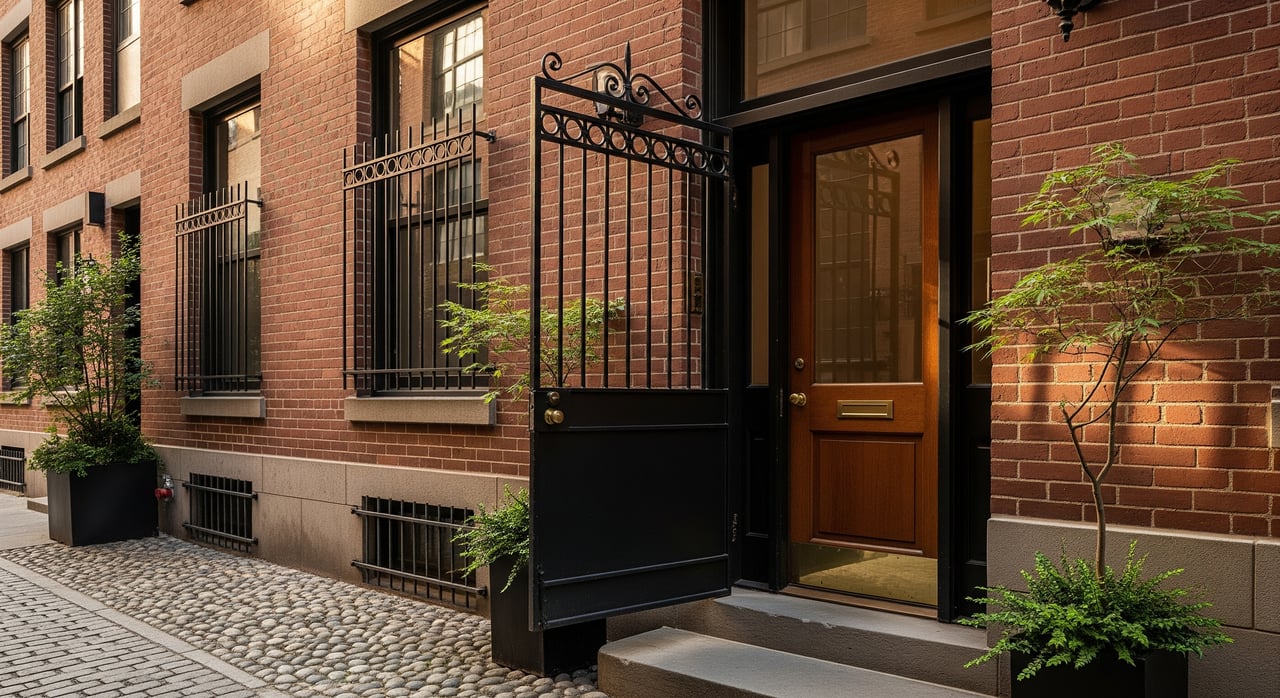
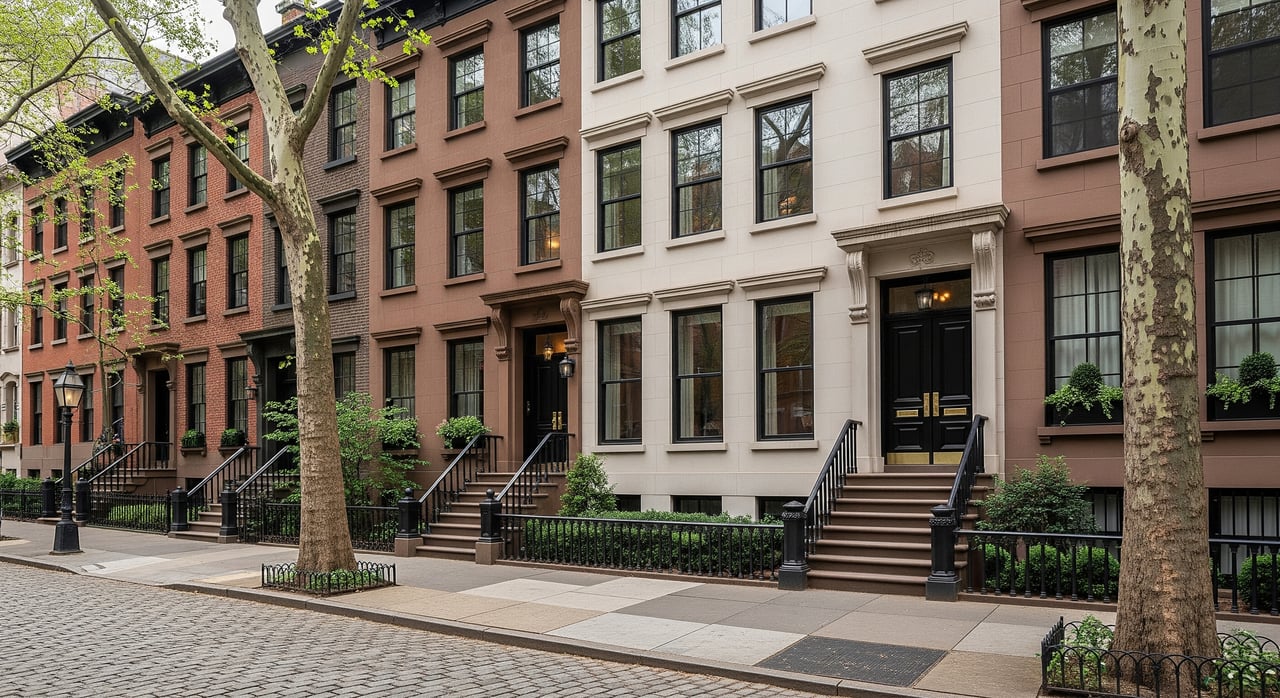
You prefer walkable access to galleries, restaurants, and community events. Village locations in East Hampton, Southampton, or Sag Harbor deliver that rhythm, with beaches a short bike ride or drive away. A smaller yard can mean simpler upkeep if you split time with a city residence.
Value-minded second-home buyer
You want water access and beach life without maximum price premiums. Consider hamlets with mixed price points and shorter drive times from western Long Island. Select areas of Westhampton and Hampton Bays can offer a range of property types, from inland village homes to bayfront options, often with easier access.
Quick due diligence checklist before you offer
- Confirm the FEMA flood zone and obtain the latest elevation certificate.
- Pull town coastal rules for setbacks, floodplain standards, and shoreline work requirements.
- Compare NFIP and private flood quotes along with homeowner policy wind deductibles.
- Review any storm damage history, dune or seawall permits, and sand replenishment records.
- Verify septic capacity and any local upgrades that may be required by code.
- Note year-round service access, including grocery, pharmacy, and emergency care.
Five questions to brief your agent
- How often do oceanfront homes in this hamlet need exterior work, and which vendors are proven for coastal conditions?
- Is the parcel in a VE or AE zone, and is there an elevation certificate on file?
- What permits would be required to repair or elevate shoreline structures after a storm?
- If this will be a second home, which property management services fit our use pattern and what is typical scope?
- Are there local resilience plans or setback updates in discussion that could affect future work?
Your next step
Choosing between oceanfront and in-town living is not about right or wrong. It is about aligning your day-to-day life, travel habits, and risk tolerance with a property that serves you for years. If you want a confidential, clear-eyed conversation about your shortlist, request a private consult with At the Firm.
FAQs
What is the main lifestyle difference between Hamptons oceanfront and in-town homes?
- Oceanfront emphasizes privacy, views, and direct beach access, while in-town focuses on walkability to dining, shops, and cultural events.
How does flood insurance work for Hamptons oceanfront properties?
- Many oceanfront parcels fall in FEMA flood zones and may require NFIP or private flood coverage if you finance; terms depend on elevation, location, and policy type.
How do summer travel times affect where I should buy in the Hamptons?
- Peak weekend and holiday traffic can be heavy; buyers who plan frequent summer trips may favor locations closer to transit or plan around express LIRR schedules.
What extra maintenance should I expect with an oceanfront home?
- Salt air accelerates wear on paint, hardware, and systems, so plan for more frequent exterior care and consider hiring a local property manager.
Which Hamptons towns offer strong walkability for dining and culture?
- East Hampton Village, Southampton Village, and Sag Harbor cluster shops, galleries, and events, making them ideal for a social, walkable routine.