Moving in or out of Greenwich Village can feel like a maze of building rules, paperwork, and curbside puzzles. Between COIs, elevator reservations, and tight streets, even seasoned New Yorkers can get tripped up. You want a move that is efficient, compliant, and drama-free. This guide breaks down what matters most in the Village so you can plan with confidence. Let’s dive in.
COIs: your entry ticket
A Certificate of Insurance is what most buildings require before a mover can step inside. It confirms the mover’s active coverage and protects the building from potential damage or injuries. Learn what a COI includes and why buildings insist on it in this overview of COIs from the moving industry. Understanding what a COI covers helps you avoid last-minute issues.
Most co-ops and many condos ask movers to provide general liability coverage, cargo coverage, and workers’ compensation. It is common for buildings to be named as an additional insured and to request a waiver of subrogation. Coverage limits often start at $1,000,000 and can be higher in premium buildings. For typical requirements and timing, review this practical NYC moving insurance guide.
Mover licensing: how to verify
If your move starts and ends in New York State, verify the mover’s New York State DOT authority and insurance. If it crosses state lines, confirm USDOT/FMCSA registration. Do not rely on reviews alone. You can check a mover’s authority through the NYS DOT registration and licensing portal.
Elevators: reservations, protection, deposits
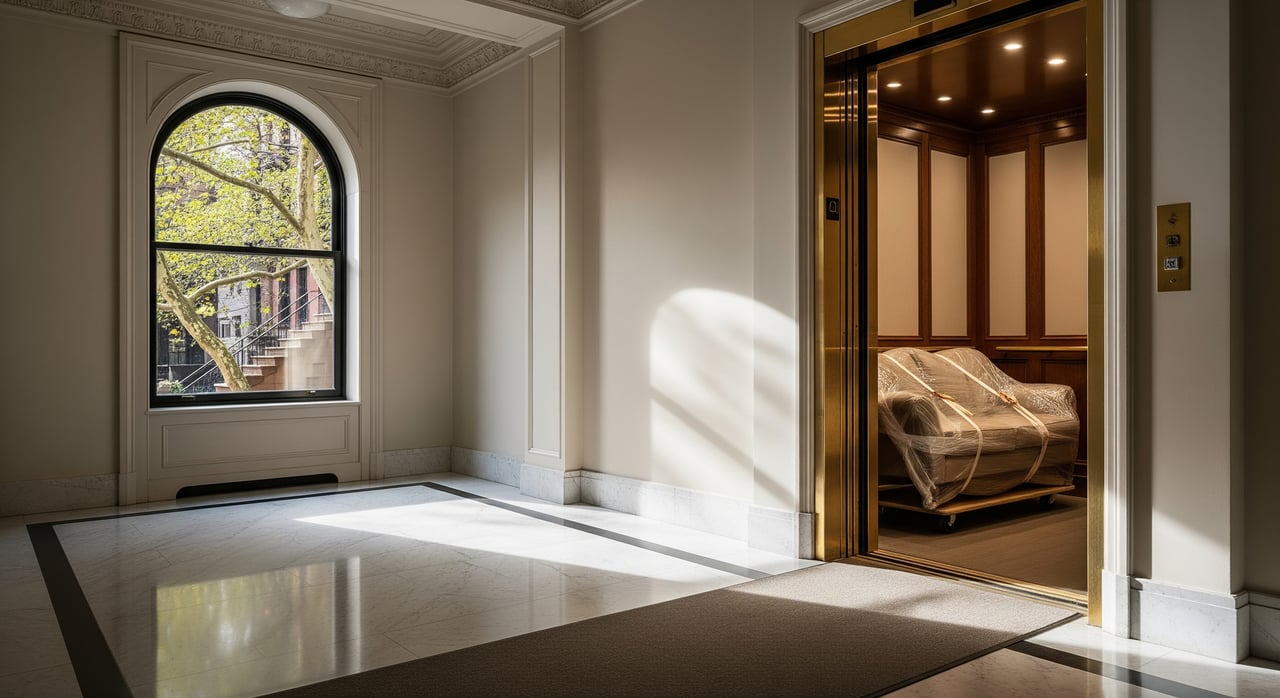
Greenwich Village buildings often require you to reserve the elevator for a fixed window, typically two to four hours. Many also require elevator pads, corner protection, and a staff member or superintendent to supervise. Expect to submit your COI before any reservation is confirmed. See how building move rules are commonly structured in this sample policy on elevator and move procedures.
You will often see two types of charges. First, a non-refundable processing or move fee, frequently a few hundred dollars. Second, a refundable damage deposit, commonly $250 to $1,000, depending on finishes. Some buildings add premiums for weekend or after-hours moves. Policies vary by building, so ask for the rules in writing and get exact fee amounts in advance.
Fees and legality: what to expect
Boards set house rules for common areas, including move fees and deposits. If a fee is authorized in the governing documents or properly enacted by the board, it is generally enforceable. If a fee seems new or inconsistent with your building’s documents, you can question it. For context on how boards set and enforce house rules, review this primer on condo and co-op house rules.
If you are a renter, note that New York’s $20 cap on application fees applies to many rental situations, not co-ops or condos. Board application and move fees for co-ops and condos are separate and commonly charged. For clarity on the fee cap’s scope, see this guide to New York rental application fees.
Curbside access: DOT, 311 and signs
Building approval does not guarantee a legal parking spot for the truck. Curb space and loading zones are governed by city rules. For current procedures, use 311 or contact NYC DOT for guidance on temporary signage, permits, and loading restrictions. Start here to contact NYC DOT for curb and parking questions.
Loading zones often have commercial-only restrictions and set hours. Using them incorrectly can lead to fines or towing. Personal or rental vehicles with non-commercial plates may not qualify for commercial-only zones. This overview of NYC loading and parking realities highlights common pitfalls to avoid.
Village realities to plan for
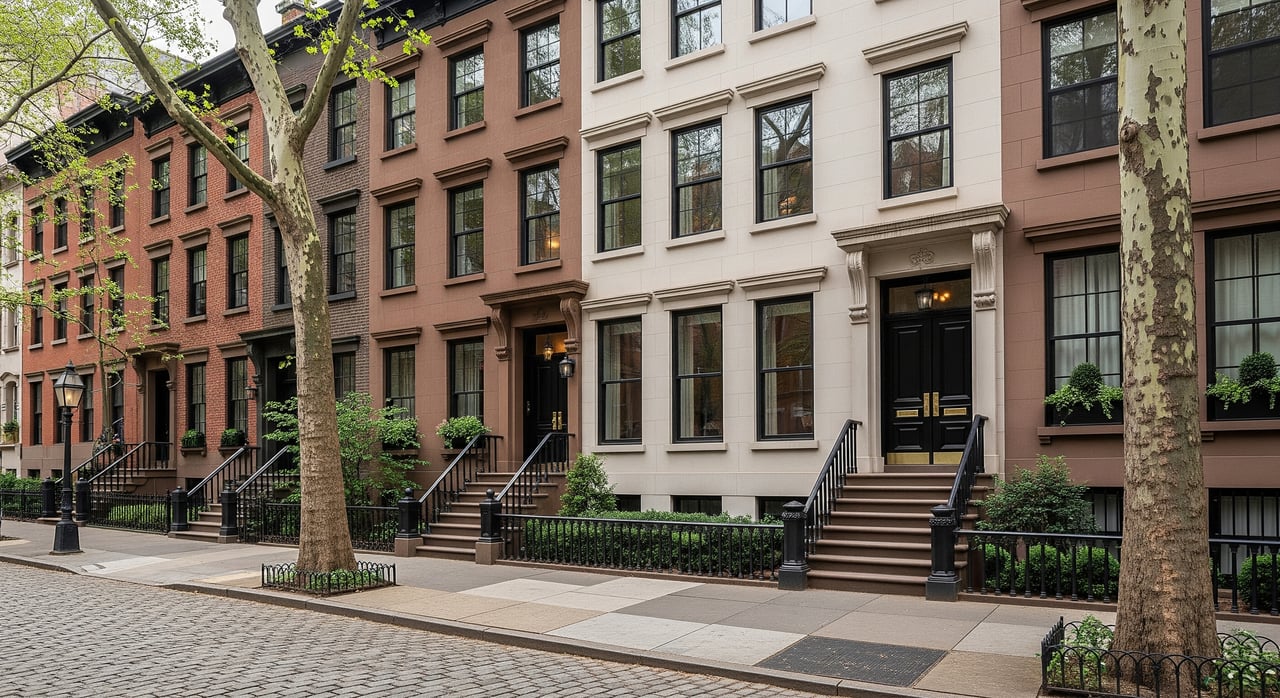
The Village has many pre-war walk-ups, mid-rise buildings, narrow streets, and irregular blocks. Historic facades and tight sidewalks make access more sensitive. A quick neighborhood primer on Greenwich Village’s layout and history explains why planning matters here.
Parking can be scarce. Alternate side rules, bus stops, bike lanes, and one-way patterns mean your truck might park around the corner. Expect potential wait times or extra walking, and ask your mover about surcharges for delays. Review the basics of alternate side parking in NYC as you plan your move day.
Recommended timeline
- Two to four weeks out: Book your mover and confirm licensing. Ask about curbside strategy and any special equipment needs.
- One to two weeks out: Request the COI from your mover and submit it to management. Ask for exact elevator time blocks, fees, and deposits in writing.
- Three to seven days out: Confirm elevator reservation and supervision requirements. If needed, coordinate any temporary curb signage through 311/DOT or have your mover handle it.
- Move day: Carry printed or digital copies of the COI and building approval. Photograph common areas before and after to speed deposit refunds.
Pre-move checklist for the Village
- Confirm your building type and rules: rental, condo, or co-op. A quick building policy overview can help frame the questions to ask management. See this guide to common building rule themes.
- Get move rules in writing: COI wording, elevator reservation window, non-refundable fees, refundable deposit, trash disposal, and whether a staff member is required. For how building procedures often look, review sample move rules.
- Verify your mover: Check NYS DOT or USDOT authority and ask for the COI early. Use the NYS DOT licensing portal.
- Plan the curb: Ask your mover about loading zones, timing, and any temporary signage or permits. Start with DOT/311 curb guidance.
- Protect your deposit: Take timestamped photos of lobbies, hallways, and elevators before and after. Request sign-off from management.
When you are buying, selling, or leasing in the Village, planning these details early keeps your move on schedule and within budget. For discreet guidance and a seamless experience from contract to keys, reach out to At the Firm.
FAQs
What is a COI and why do I need it?
- A COI proves your mover’s insurance coverage so your building can allow the move and limit liability; see this overview of what a COI includes.
How early should I submit my COI and reserve the elevator?
- Many buildings want COIs 48 to 72 hours in advance and some up to a week; reserve elevator time early and follow posted move procedures.
What elevator fees and deposits are typical in the Village?
- Expect a processing fee plus a refundable deposit that often ranges from $250 to $1,000, with possible weekend or after-hours premiums; policies vary by building and should be confirmed in writing per sample rules.
How do I handle curbside parking for my moving truck?
- Building approval does not secure curb space; use 311 or DOT for guidance on temporary signage and loading rules via NYC DOT customer service.
Are condo or co-op move fees legal?
- Boards can set fees through governing documents and resolutions, though contested fees may be reviewed; see this explainer on house rule authority.
Do the $20 rental application fee limits apply to co-ops or condos?
- No, the $20 cap is for many rental applications, not co-op or condo board fees; read more on rental application fee limits.
How can I verify that my mover is properly licensed?
- For New York moves, confirm authority and insurance via the NYS DOT licensing portal; for interstate moves, verify USDOT/FMCSA registration.