Some of the best homes in Tribeca never hit the public market. If you have your eye on a penthouse, a sprawling loft, or a discreet townhouse, you are likely competing in a private arena where relationships and preparation decide outcomes. You want privacy, speed, and certainty without sacrificing value. In this guide, you’ll learn how off‑market deals work in Tribeca, why strong buyer representation is your advantage, and the exact steps to win while protecting your interests. Let’s dive in.
Why Tribeca favors off‑market deals
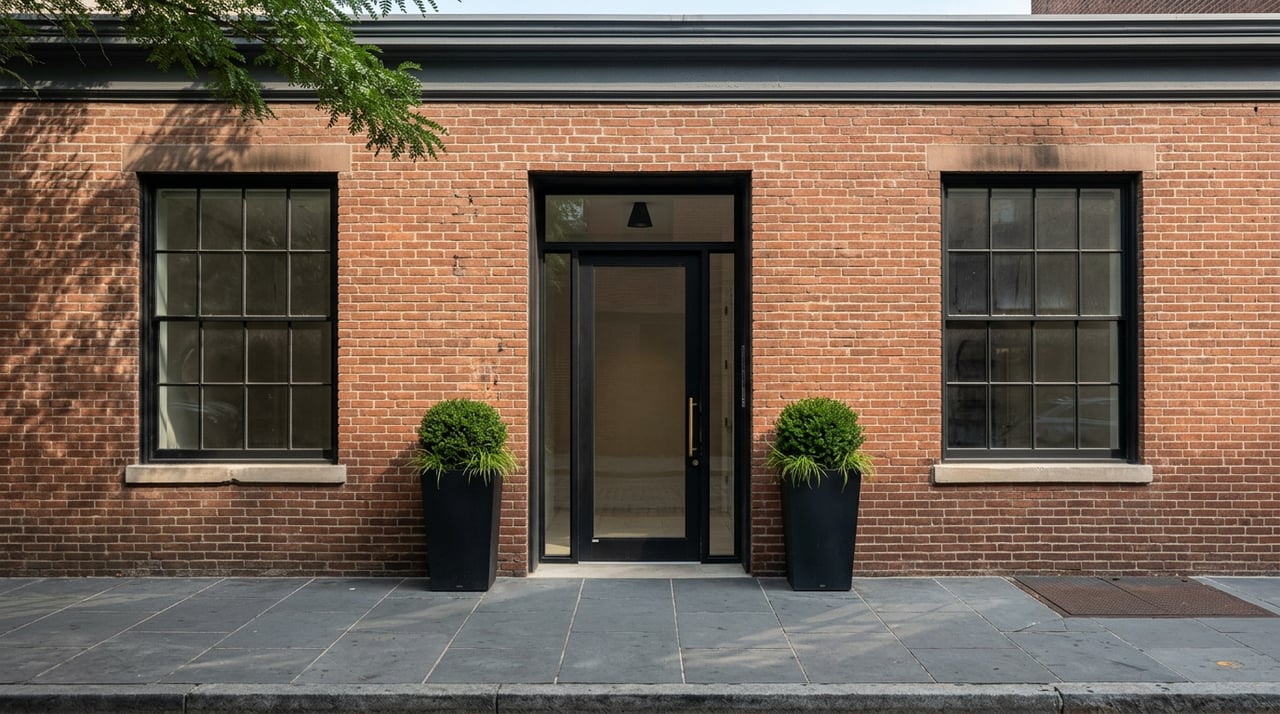
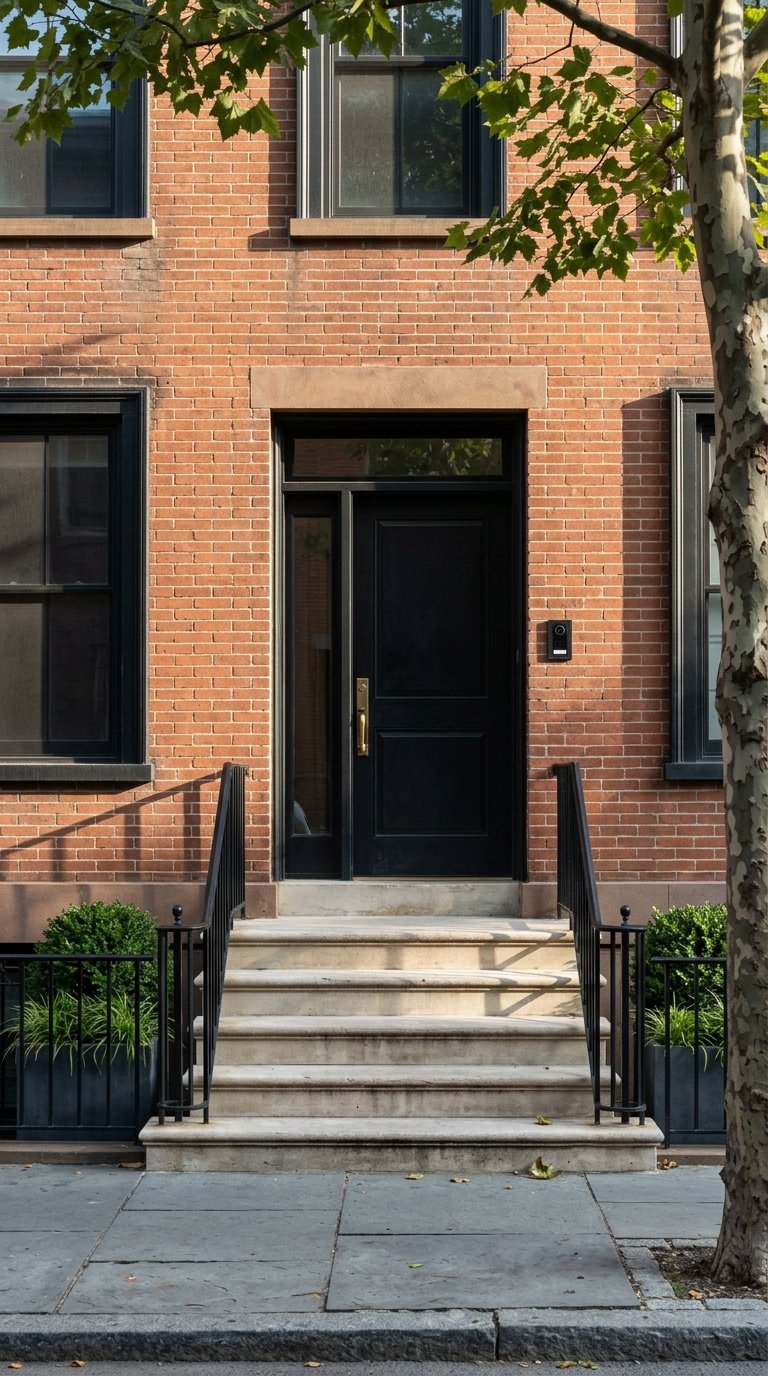
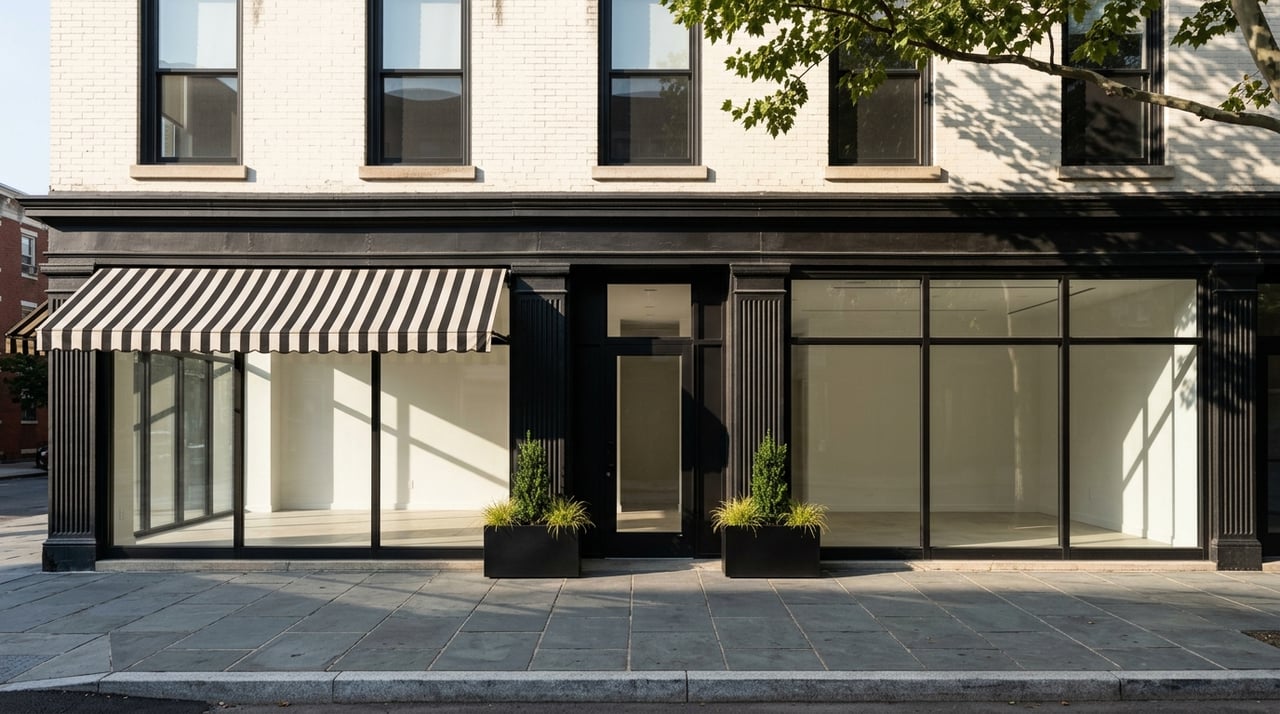
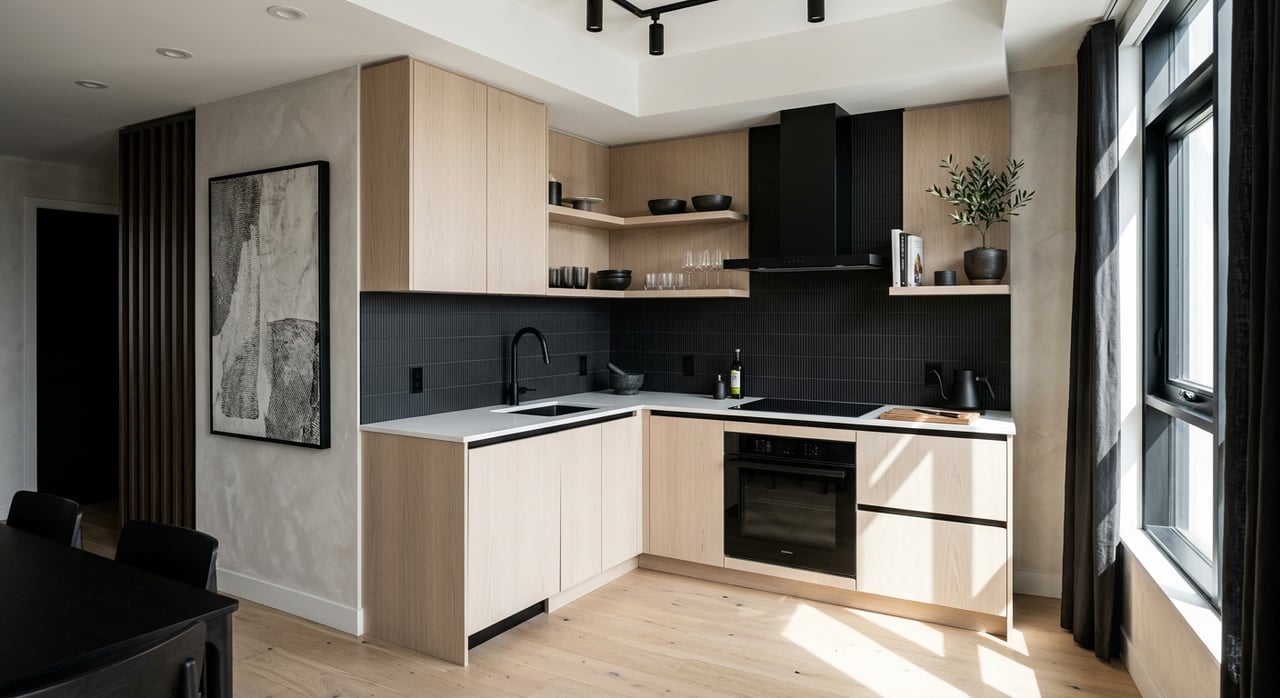
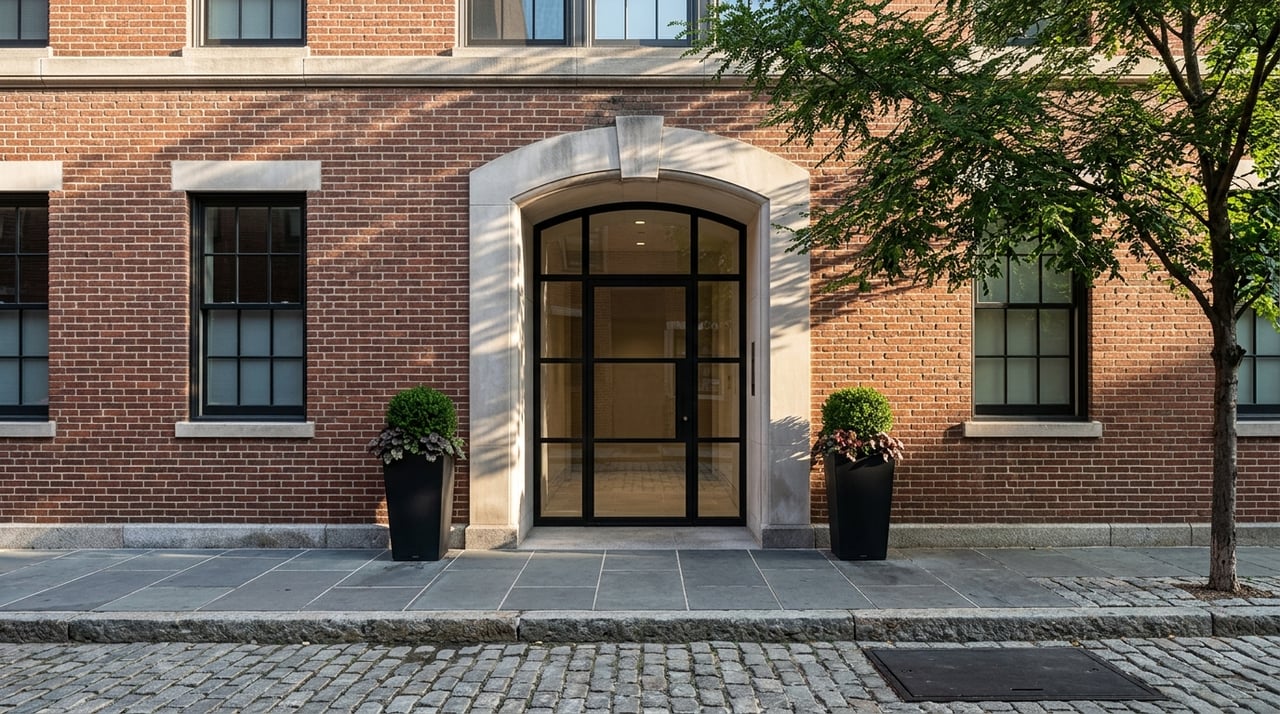
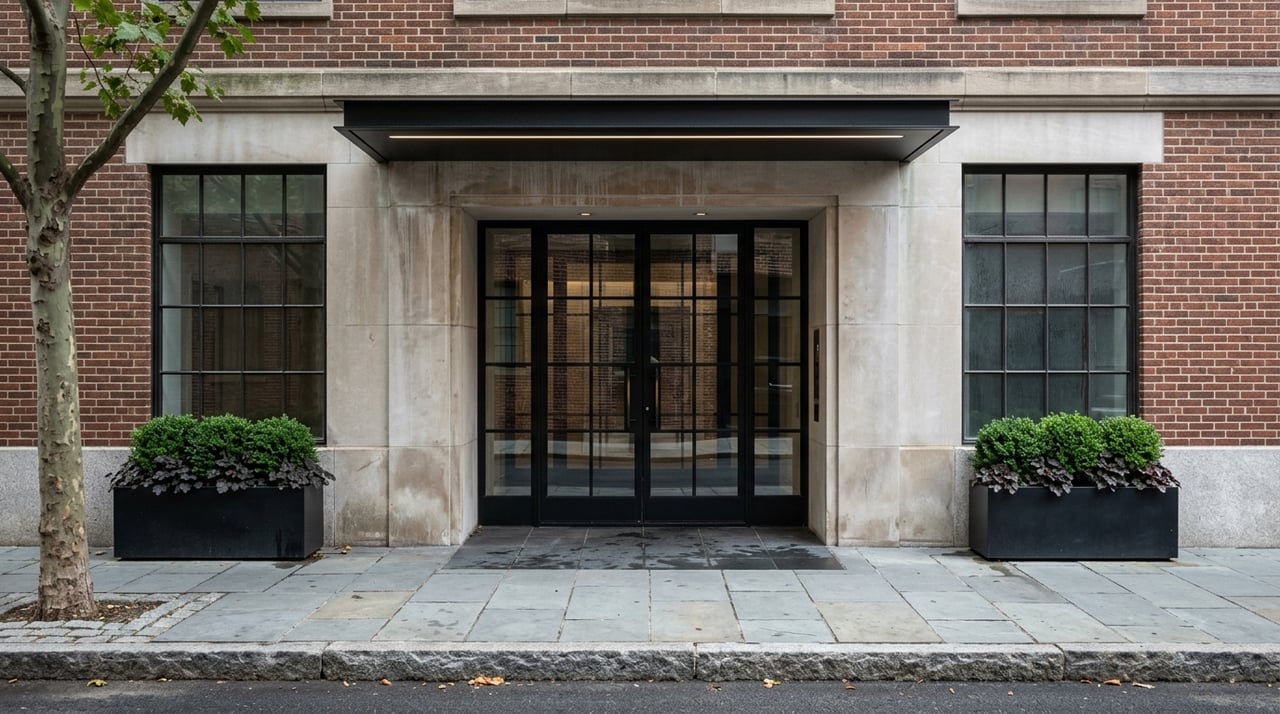
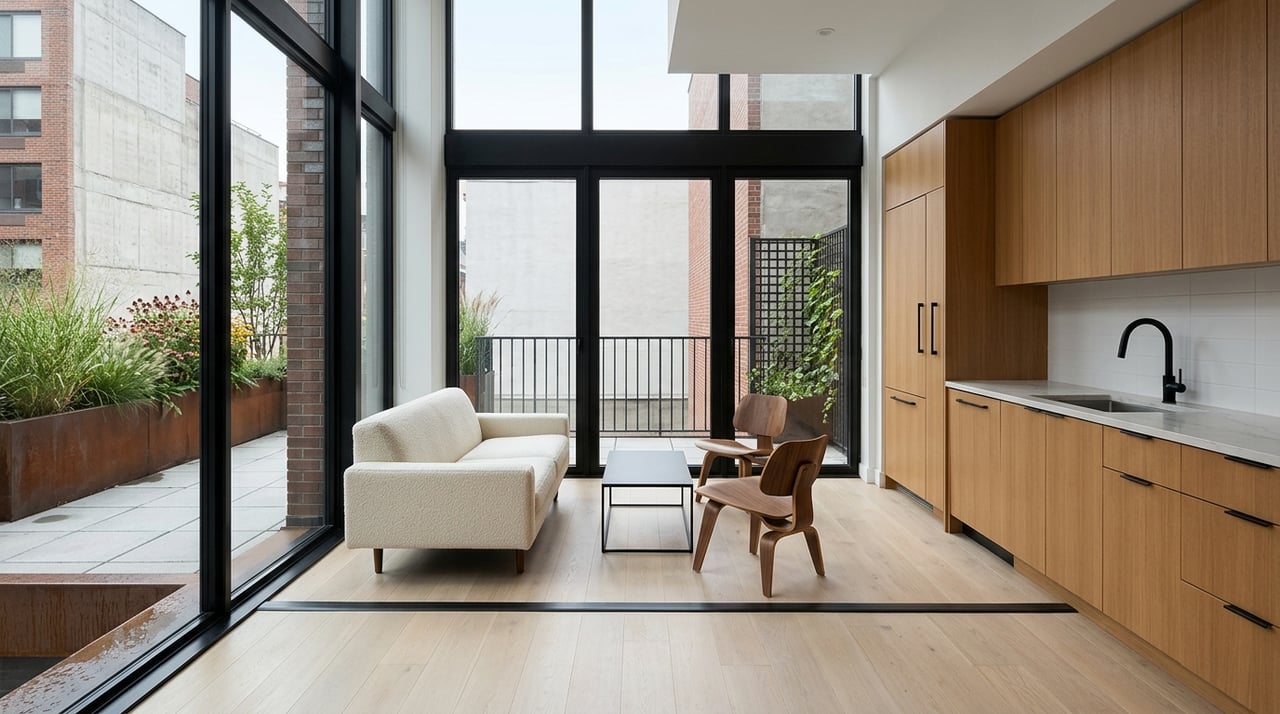
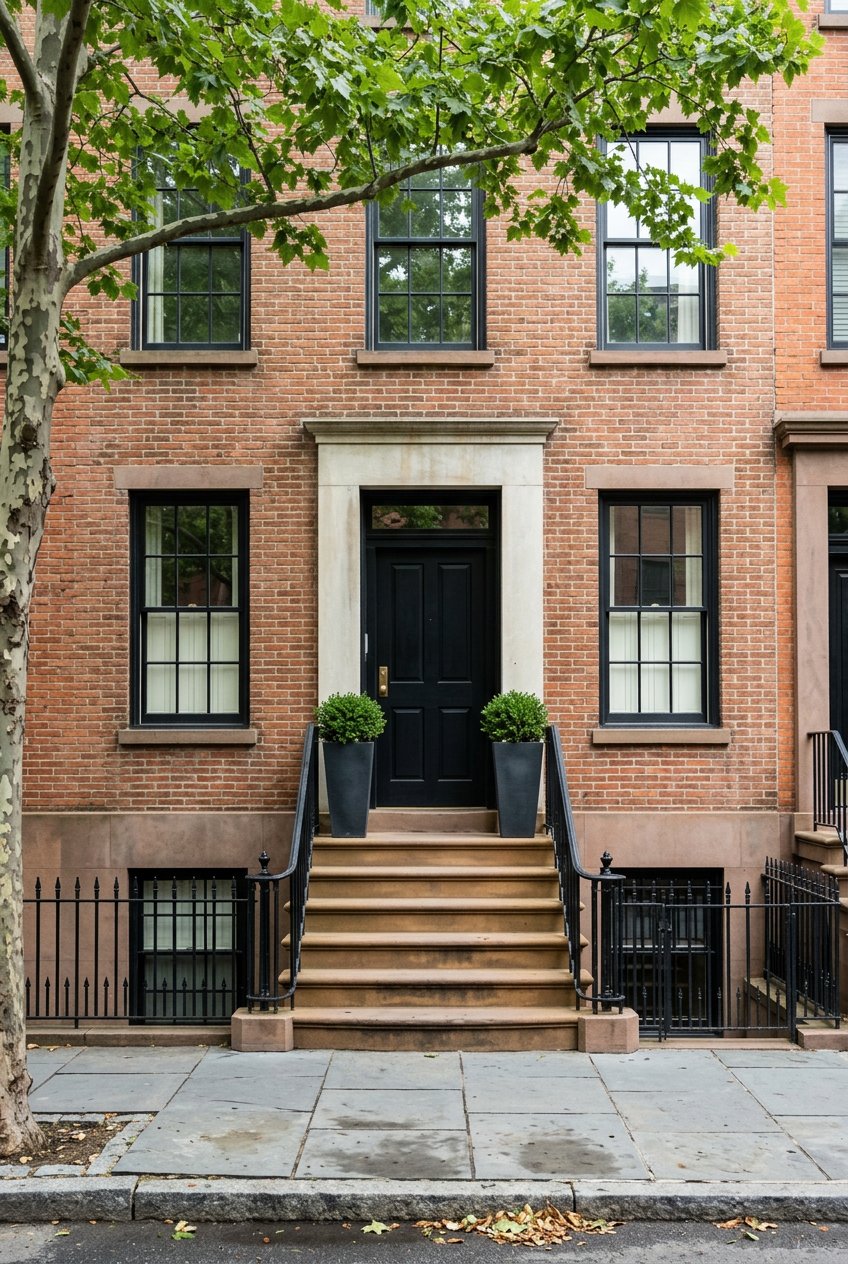
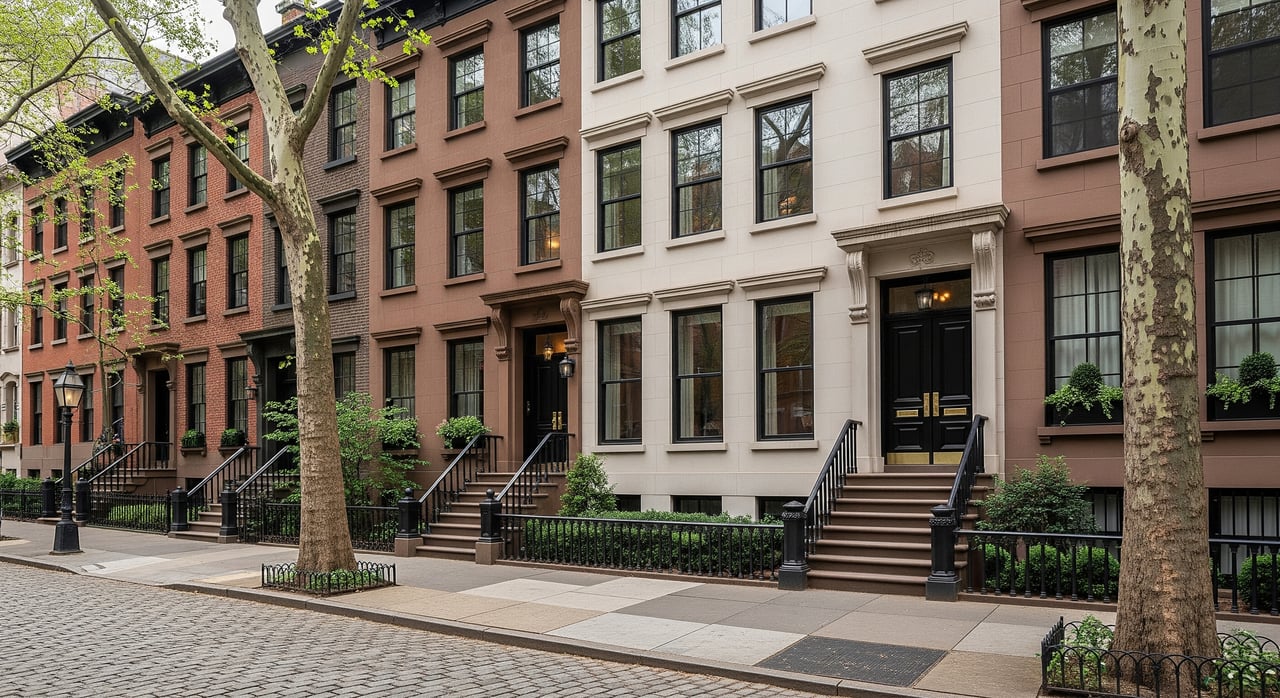
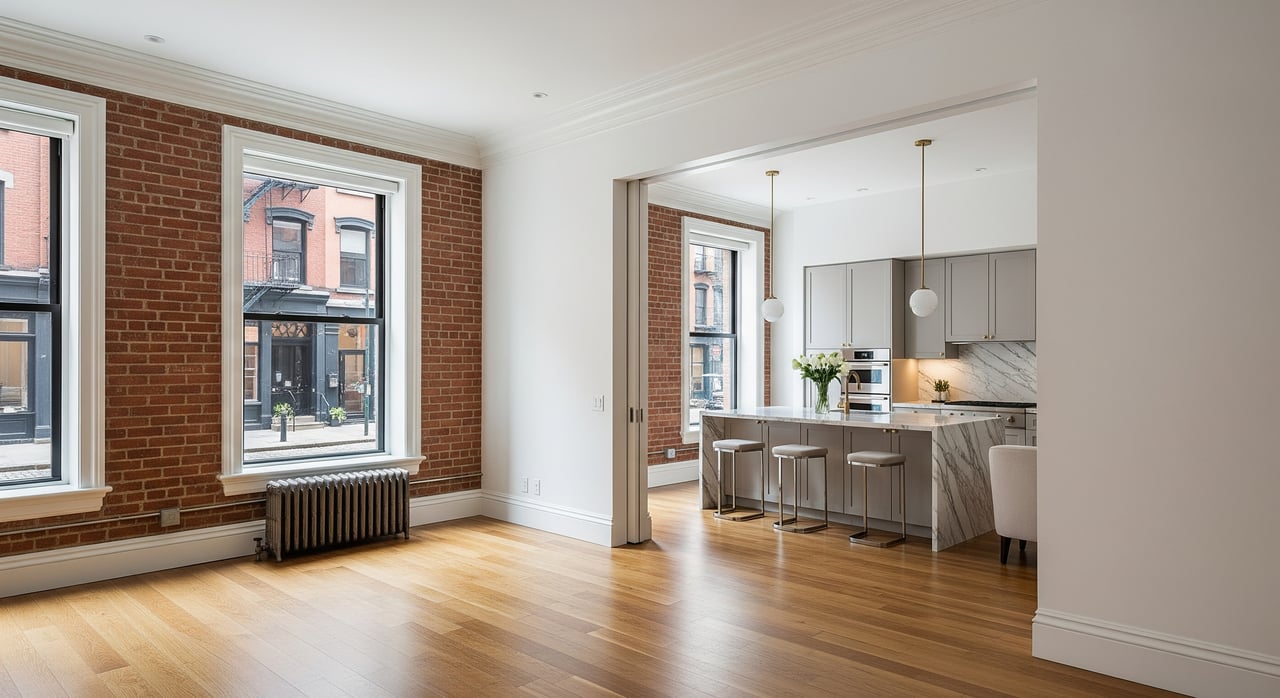
Tribeca’s housing stock is unlike most of Manhattan. You see landmarked warehouse conversions, boutique condos with limited units, dramatic lofts with high ceilings and large floor plates, and a handful of townhouses. Many of these homes are one‑of‑a‑kind. That makes public blasts less useful and private introductions more effective.
Sellers here often value discretion. High‑profile owners and time‑sensitive sellers may favor a quiet process with pre‑qualified buyers. With inventory tight and many properties truly unique, relationship‑driven matches are common. Deals often form through trusted brokers, building insiders, or advisors rather than broad public advertising.
What “off‑market” means in NYC
Off‑market, pocket listing, or discreet sale all describe a seller’s instruction to limit exposure. The listing broker markets only to a select network instead of using the MLS or public portals. Some sellers opt for a limited exclusive campaign; others keep it entirely private.
Why would a seller do this in Tribeca?
- Privacy. Fewer showings and less press or neighbor attention.
- Control. Tighter screening of buyers before access to the property.
- Timing. A faster, simpler path with a vetted buyer.
- Building sensitivities. Co‑ops especially may prefer a more controlled process.
There are industry rules that govern when listings must go public, and sellers can choose to keep a listing off the MLS by instructing their broker accordingly. Your agent should explain the disclosure and agency framework and document any exclusivity or dual‑agency considerations. Even off‑market, the legal steps are the same: contracts, title checks, board packages where required, and often a confidentiality agreement before a showing.
How representation wins for buyers
In off‑market Tribeca deals, your buyer’s agent is your competitive edge. Here is why it matters.
- Access. A connected agent opens doors to opportunities that never hit public portals. Relationships with listing brokers, attorneys, managers, and residents surface early whispers and quiet options.
- Speed and certainty. Your agent organizes proof of funds, lender readiness if you are financing, and your closing team in advance so an offer can convert to contract quickly when the right home appears.
- Negotiation and structure. Off‑market sellers care about privacy and certainty. An experienced agent crafts clean terms, flexible timing, and limited contingencies that still protect you.
- Risk management. Your agent secures inspections, reviews building documents, checks title and permits, and spots red flags like pending assessments or restrictive bylaws.
- Board expertise. For co‑ops, preparation and presentation count. A polished package aligned with board expectations improves your odds.
Tactics that create access and certainty
- Vet the opportunity: confirm the seller’s authority, listing status, and whether it is truly exclusive or being shopped broadly.
- Control confidentiality: arrange NDAs, manage when and how your identity is shared, and negotiate privacy provisions in the contract.
- Make fast, organized offers: line up attorney review, deposit logistics, inspectors, and proof of funds so you can move from offer to contract without delay.
- Leverage relationships: uncover the seller’s real priorities, such as timing, net proceeds, or move‑out needs, and tailor your terms.
- Value with precision: use recent trades in the building or similar lofts, plus private sales knowledge, to justify price when public comps are thin.
Your step‑by‑step plan
- Define the brief
- Clarify must‑haves and deal breakers for penthouses, lofts, or townhouses. Lock in budget range and carrying cost comfort. Decide how important speed and discretion are.
- Ready your finances
- Prepare bank letters or proof of funds. If financing, obtain a strong pre‑approval. Cash or bridge options can improve your position in private opportunities.
- Build an A‑team early
- Engage an NYC real‑estate attorney experienced with Tribeca co‑ops and condos. Line up a lender, tax advisor for high‑value purchases, and inspectors who know loft systems and townhouses.
- Launch a quiet search
- Your agent activates broker and building networks, reaches out to attorneys and wealth advisors, and monitors trusted channels where discreet opportunities surface.
- Use NDAs and controlled tours
- Sign a confidentiality agreement when needed. Keep showings targeted and private. Limit the spread of your interest to avoid unnecessary attention.
- Make a clean, compelling offer
- Present clear timing, a strong deposit, and tailored contingencies. Consider flexible closing, a rent‑back, or discreet moving arrangements if those solve the seller’s concerns.
- Run tight due diligence
- Request building financials, house rules, offering plans or bylaws, and any known assessments. Check title, permits, and potential landmark considerations early. Get inspections that match the property type.
- Prepare the board package early
- For co‑ops, compile financials, references, and a polished cover letter. Your agent will guide presentation and coach for any interview.
- Keep the contract timeline practical
- Move fast, but protect yourself with reasonable inspection and attorney‑review windows. Use escrow and milestone dates that match the closing team’s capacity.
- Close with precision
- Coordinate wire instructions, building approvals, certificates where needed, and a detailed walkthrough. Maintain confidentiality through the finish.
Pricing and valuation without public comps
Off‑market buys often happen where public data is thin. Your protection is a tailored valuation process.
- Compare within the building first. Recent trades in the same stack or line carry the most weight.
- Use highly similar lofts or penthouses nearby when in‑building data is limited. Match ceiling height, floor plate, outdoor space, views, and renovation level.
- Consider a third‑party appraisal or price protection if the valuation picture is unclear. You can reserve the right to adjust if an appraisal lands materially lower.
- If the seller values speed and privacy, you may secure a fair price without a bidding war. In other cases, sellers seek a premium for confidentiality. Your agent helps you avoid overpaying in either case.
Property‑specific checks
Penthouses
- Confirm roof and terrace rights, any usage limits, and maintenance responsibilities for outdoor spaces.
- Review elevator service, mechanical systems, and any special assessments for amenities or roof work.
- Verify that declared amenities and restrictions in the association documents match what is offered.
Loft conversions
- Review the legal dwelling status, prior alteration permits, and any open violations. Loft systems can be non‑standard.
- Assess HVAC, electrical, and structural elements suited to large open plans and high ceilings.
- If the building is landmarked, understand approvals for any future alterations.
Townhouses
- Run a thorough title search. Pay attention to party wall agreements and cellar conversions.
- Check tax history, permits, and any open violations. Townhouses can carry unpredictable rehab costs.
- Inspect structure, roof, and major systems in depth. Plan for ongoing maintenance.
Risks and how to protect yourself
- Limited comparables. Use targeted comps, private sales intelligence, and appraisal protections when needed.
- Hidden property issues. Insist on early disclosure of known defects, secure proper inspections, and preserve contract recourse for undisclosed issues.
- Building or board concerns. Review financials, house rules, assessment history, and any bylaws affecting future use or renovations.
- Conflicts of interest. Make agency relationships explicit. Consider independent counsel if dual agency is proposed.
- Compressed timelines. Balance speed with structured due diligence and clear milestones.
A strong buyer’s agent will confirm seller identity and authority, check recorded documents, and coordinate title and lien searches. Your team should also review Department of Buildings and, if relevant, Landmarks records to spot past work and any open items.
What speed looks like in practice
Every deal is different, but off‑market timelines usually hinge on preparation.
- Week 0 to 1: Define search brief, assemble proof of funds, and retain your attorney. Your agent activates discreet outreach.
- Week 1 to 2: Private tours under NDAs. If a home fits, you submit a clean, well‑documented offer.
- Offer to contract: With a prepared team, you can move to contract quickly subject to attorney review and agreed inspections.
- Post‑contract: Due diligence, financing steps if applicable, and any board package assembly continue. Co‑op approvals can affect timing.
The result is often a faster path than a full public marketing cycle, but board approvals and legal checks still set the pace. Preparation is what compresses time without adding risk.
When off‑market fits your goals
An off‑market approach is a strong fit if you value privacy, want to see unique homes before the crowd, and are ready to move decisively. It can also reduce noise by focusing only on properties that genuinely fit. If you prefer broad comparison shopping or need more time to prepare financing, a public search may feel more comfortable. Your agent can calibrate your plan either way.
Next steps
If Tribeca is your target, set the foundation now. Align on your brief, line up proof of funds, choose a top NYC real‑estate attorney, and work with a buyer’s agent who has the relationships to open quiet doors and the discipline to protect you through the process. When the right penthouse, loft, or townhouse appears, you will be ready to win it on your terms.
Ready to proceed confidentially? Request a private consultation with At the Firm.
FAQs
How fast can an off‑market Tribeca purchase close?
- It varies. Off‑market can be faster if you are fully prepared and the seller wants speed, but legal review and any co‑op approvals still set the minimum timeline.
Will I pay more buying off‑market in Tribeca?
- Sometimes sellers accept a modest concession for privacy and speed, while others ask a premium for confidentiality. Strong representation helps you avoid overpaying.
How important is cash versus financing for off‑market deals?
- Cash or very strong financing readiness improves your appeal. Sellers often choose the buyer who can close quickly with fewer contingencies.
How do I protect myself if inspection access is limited?
- Negotiate inspection windows and use contract language tied to major issues. Hire inspectors who understand lofts, landmarked buildings, and townhouses.
What does an NDA do in an off‑market purchase?
- An NDA controls how your identity and deal details are shared, protects the seller’s privacy, and reduces market noise while you evaluate the property.
How does a buyer’s agent find off‑market homes in Tribeca?
- Through broker networks, building contacts, and relationships with managers, attorneys, and wealth advisors. These quiet channels surface opportunities before they go public.
Are Tribeca co‑op purchases different off‑market?
- The private search is similar, but the board package and approval process still apply. A polished, early‑prepared package improves acceptance odds.