Does your Village radiator run hot one hour and cool the next? If you live in a pre-war apartment in Greenwich Village, you likely rely on low-pressure steam heat. It is reliable and fast to warm up, but it can also feel quirky when rooms heat unevenly or radiators make noise. You want simple, safe steps to improve comfort and a clear way to work with your building team. This guide gives you a practical, apartment-focused game plan you can start today. Let’s dive in.
How steam heat works in Greenwich Village
Greenwich Village is filled with pre-war walkups, lofts, and co-ops that still run on central, low-pressure steam. These systems were built to last, and many still perform well with basic maintenance and the right adjustments.
The basics to know
- Boiler: A central boiler turns water into steam.
- Mains and risers: Steam travels through vertical and horizontal pipes to your apartment.
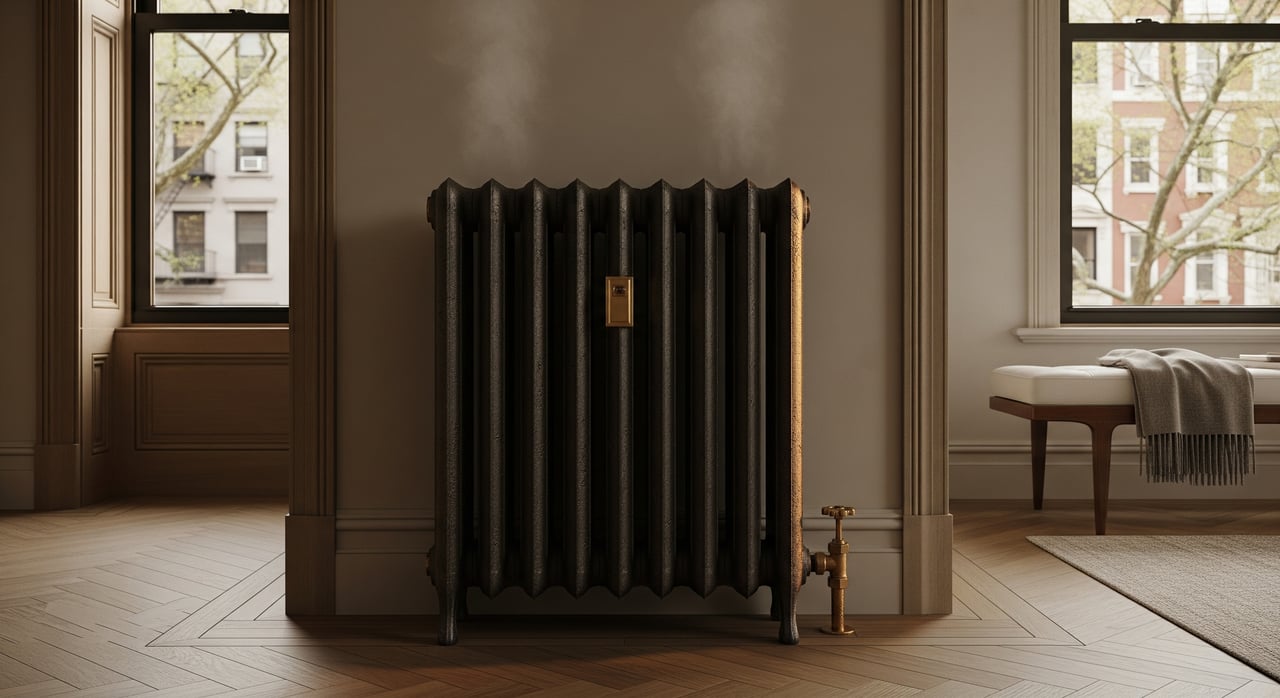
- Radiators: Cast iron radiators heat the room as steam condenses back to water and returns to the boiler.
- Vents: Air must leave the pipes and radiators before steam can enter. Main vents serve the larger pipes. Radiator vents sit at the end of each radiator and control how quickly it fills.
- Valves and traps: Valves regulate flow. Some two-pipe systems use steam traps to separate steam and condensate. Many Village buildings use single-pipe systems where steam and condensate share the same pipe at each radiator.
What makes steam feel different
- Steam runs at very low pressure in apartments. Low pressure is normal. High pressure often signals a problem.
- Radiators heat quickly once steam arrives. If the system is not balanced, heat can feel all-or-nothing.
- Balance depends on how fast air leaves the mains and radiators. Venting speed sets which radiators heat first and how fully they fill.
Why this matters to you
Older buildings often have vents and controls that no longer match current layouts or use. One apartment can run hot while a neighbor stays cool. You cannot adjust the boiler from your unit, so your best tools are careful vent and valve choices, draft control, and clear communication with building staff.
Common problems and quick diagnostics
When something feels off, start by observing patterns. A short log helps you separate a small vent issue from a building-wide fix.
Uneven heat by room or radiator
If one room is hot while another is cool, the cause is often venting speed. A fast radiator vent can overheat a room by filling too quickly. A blocked or very slow vent can leave a radiator cool. Other causes include trapped condensate, a failing steam trap in two-pipe systems, or improper pipe pitch.
Overheating in your apartment
Rooms can run hot when your radiators vent faster than the rest of the line. The result is that your radiators get steam first. Slightly slowing those radiators can help balance your apartment without touching the boiler.
Banging, knocking, or water hammer
Sharp noises often point to condensate that is not draining. Steam slamming into water pockets can cause banging. Pipe pitch, trapped water, or high pressure can be factors. Treat this as a maintenance issue and notify your building engineer.
Radiator that never gets hot
A radiator that stays cold may have a stuck supply valve, a blocked vent, or a failed trap in a two-pipe setup. First, check if other radiators in your home are hot when the boiler runs. If the whole apartment is cold, it could be a building or control issue.
Hot at one end, cool in the middle
If the radiator heats at the ends but not across the sections, it may have internal deposits or trapped water. Re-pitching the radiator or a professional flush can help. Share photos with your super so they can assess next steps.
Make a simple 48–72 hour log
Before you contact staff, gather data:
- Place a basic thermometer in each problem room.
- Note indoor temperature, which radiators are hot or cold, and times when heat starts and stops.
- Photograph vents and valves on each radiator with any brand names visible. This helps the engineer identify parts quickly.
What you can safely try in your apartment
Most comfort gains come from small, careful changes. Start with measurement, then move to light-touch adjustments.
Measure and document first
Keep your room-by-room log for two to three days. Record time, temperature, and whether each radiator is cold, partly hot, or fully hot. Objective notes make diagnosis faster and reduce guesswork.
Tune radiator vents
Radiator vents let air out so steam can enter. If a vent is too fast, your radiator may run hot. If too slow or blocked, it may stay cool.
What you can do:
- Inspect vents for corrosion or leaks. A vent that spits water or shows heavy rust likely needs replacement.
- If a vent is visibly failed, ask building management to replace it with the correct model. This is a common, low-cost fix that improves balance.
- Do not force or over-tighten vents. They are delicate and can break.
Adjust supply valves carefully
Small throttle adjustments can reduce heat output. On many single-pipe steam systems, completely closing a radiator can trap condensate and create other issues. Safer practice is to make small partial adjustments.
How to proceed:
- Turn the valve in small increments, about 10 to 20 percent at a time.
- Wait at least one hour between changes to see the effect.
- If a room is too hot, a slight reduction at the inlet can help. If a room is too cool and the vent looks blocked or corroded, request a vent replacement.
Temporary comfort steps
- Seal drafts. Use weather stripping, window film, and door sweeps to keep heat in.
- Run ceiling fans on low, set to push warm air off the ceiling and around the room.
- Use portable electric space heaters only as a last resort and follow building rules and safety guidance.
Small fixes to avoid
- Do not try to bleed steam radiators like hot-water systems. Steam vents handle air on their own.
- Do not add chemicals or antifreeze to any part of the heating system. That is for the building engineer.
Partner with your building team
The fastest path to lasting comfort is a shared plan with your super or building engineer. Your log and photos will help them make precise adjustments.
Who to contact
- Super or building engineer for day-to-day issues.
- Building management or the co-op board for system-wide work like main vent upgrades or boiler control tuning.
- If you are a renter, copy the owner or management company on requests.
What to provide when you report issues
- Your 48–72 hour temperature and radiator log.
- Photos of each radiator, vent, and supply valve with any brand markings.
- Times when heat turns on and off, which radiators heat or stay cold, and any noises and when they occur.
Specific checks to request
- Verify boiler pressure and control settings for low-pressure operation. Excess pressure creates uneven heat and noise.
- Inspect and replace failed radiator vents and check main venting. Proper main venting is essential for whole-building balance.
- Confirm pipe pitch on mains and returns to remove water pockets.
- Test steam traps on two-pipe systems and confirm radiator supply valves are working.
- Check that mains vent first, then radiators in a stable sequence at each cycle start.
- Re-pitch or re-hang radiators that do not drain properly.
When to push for building-level balancing
- Multiple apartments show the same imbalance after small in-unit tweaks.
- Main vents appear old or undersized for the piping layout.
- Banging or water hammer persists. This can damage the system and should be addressed.
Regulatory context and escalation
New York City has defined heat and hot water requirements during the heat season. If valid complaints go unresolved after you document issues and notify management, you can escalate through city channels. For co-ops and condos, review your building’s procedures for common-service repairs.
A step-by-step comfort checklist
Follow this practical sequence before requesting larger repairs. Move one step at a time and record results.
Step 0 — Prepare
- Place thermometers in problem rooms and start a 48–72 hour log.
- Photograph each radiator, vent, and supply valve. Note any model names.
Step 1 — Inspect vents and valves
- Look for corroded or leaking vents. If a vent is clearly failed, notify the super and request a replacement.
- Gently test the supply valve on each radiator. Do not force a stuck valve.
Step 2 — Small valve adjustments
- If you are comfortable, make small inlet changes, about 10 to 20 percent at a time.
- Wait 1 to 2 hours after each change to observe the effect.
- If a room stays cool and the vent looks blocked, request a vent replacement rather than more valve adjustments.
Step 3 — Work on venting with staff
- Ask your engineer to inspect radiator vents and main vents and confirm the venting sequence.
- Discuss vent types and capacities. Slower vents in overheated rooms and faster vents where rooms lag can improve balance.
Step 4 — Record changes and outcomes
- Add each change to your log with time and results. This prevents trial-and-error across the building.
Step 5 — If you hear banging
- Stop making adjustments and notify the engineer. Noises often mean trapped condensate or pitch issues that require professional attention.
Step 6 — Plan long-term improvements
- Ask about professional balancing of main and radiator venting.
- Replace old vents with properly sized models.
- Tune boiler controls so pressure stays low and cycles consistently.
- Correct pipe pitch or repair failed traps in two-pipe systems.
Safety tips
- Never touch the boiler or building controls.
- Use portable heaters only if allowed and follow safety rules.
- Keep records of your logs, photos, and emails with management in case you need to escalate a valid issue.
Buying or selling a Village home with steam heat
If you are evaluating a Greenwich Village apartment with steam heat, a little diligence goes a long way.
- During showings, note radiator types and whether rooms heat evenly when the system runs.
- Ask for any recent service records on vents, main venting, or boiler control tuning.
- In co-ops and condos, review house rules for heating service and how the building handles seasonal balancing.
- If you already own, consider a pre-season check with building staff to confirm venting and pressure settings. This reduces mid-winter surprises.
Thoughtful maintenance and a few smart tweaks can make steam heat feel steady and comfortable. With a clear log and a coordinated plan, most apartments in the Village can achieve a calm, balanced winter climate without a major system overhaul.
If you want a second set of eyes as you assess a purchase, prep a listing, or navigate building requests, reach out. You will get clear guidance tailored to downtown buildings and a plan that respects your time and privacy. Unknown Company can help you make confident decisions. Request a private consultation.
FAQs
How does steam heat in Greenwich Village apartments differ from hot-water systems?
- Steam uses very low pressure to move steam through pipes to radiators, which heat quickly once steam arrives. Hot-water systems circulate water with pumps and allow finer room-by-room control, while steam often requires vent and valve balancing to smooth out comfort.
What should I check first if one room in my apartment is too hot?
- Start with your log, then look at the radiator vent in that room. A fast vent can overheat a room by filling too quickly. Small inlet valve adjustments and, if needed, a slower vent can help.
Why do I hear banging or knocking from my radiators or pipes?
- Banging, also called water hammer, often means condensate is not draining correctly. Causes include improper pipe pitch, trapped water, or high pressure. Stop in-unit adjustments and notify your building engineer.
Can I shut off a steam radiator completely if I do not use that room?
- In many single-pipe steam systems, fully closing a radiator can trap condensate and create issues. Safer practice is to make small partial adjustments, then observe results in your log.
What information helps building staff fix a heat problem fastest?
- A 48–72 hour log with room temperatures, times when heat cycles start and stop, which radiators heat or stay cool, photos of vents and valves, and notes on any noises will speed diagnosis and repairs.