Thinking about keeping one foot in the city without committing to full-time living? For many, a pied-à-terre in Greenwich Village strikes the perfect balance: a refined home base steps from culture, dining, and downtown energy, with the freedom to come and go on your schedule. If you are weighing a part-time place in the Village, you want clarity on building rules, board expectations, and practical details that shape day-to-day use.
This guide explains what a pied-à-terre really means in New York, why Greenwich Village suits part-time living, and how co-op and condo differences affect your options. You will also get a concise due diligence checklist to move forward with confidence. Let’s dive in.
What a pied-à-terre really is
A pied-à-terre is a secondary residence you use part-time. It is not a separate legal property class. The term describes how you use the home, not how it is taxed or titled.
Common reasons you might choose one include work travel, a lifestyle base for dining and culture, a temporary city home during a renovation, or a long-term hold with occasional personal use. Owners often stay a few nights per week or a couple of weekends each month, with patterns that shift by season.
Why Greenwich Village fits part-time living
Greenwich Village offers exceptional walkability and access to restaurants, music venues, galleries, and neighborhood parks. Many buildings are close to multiple subway lines, so you can arrive, settle in, and step out easily.
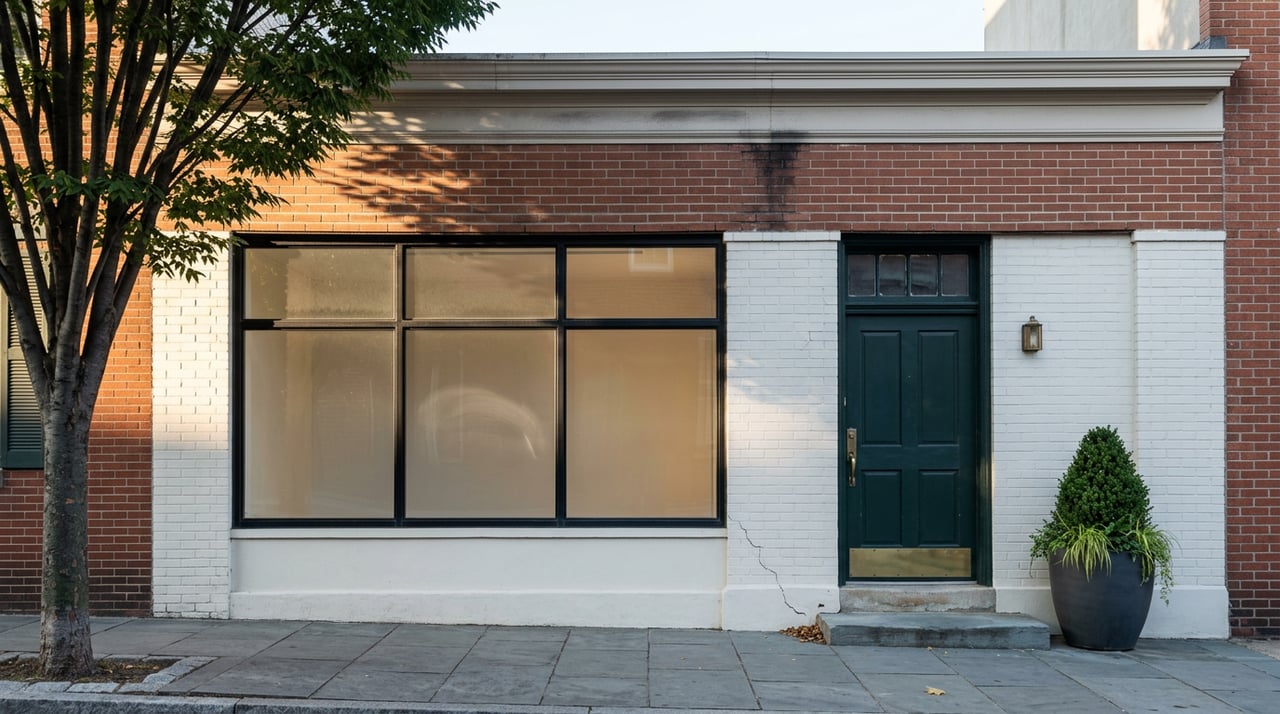
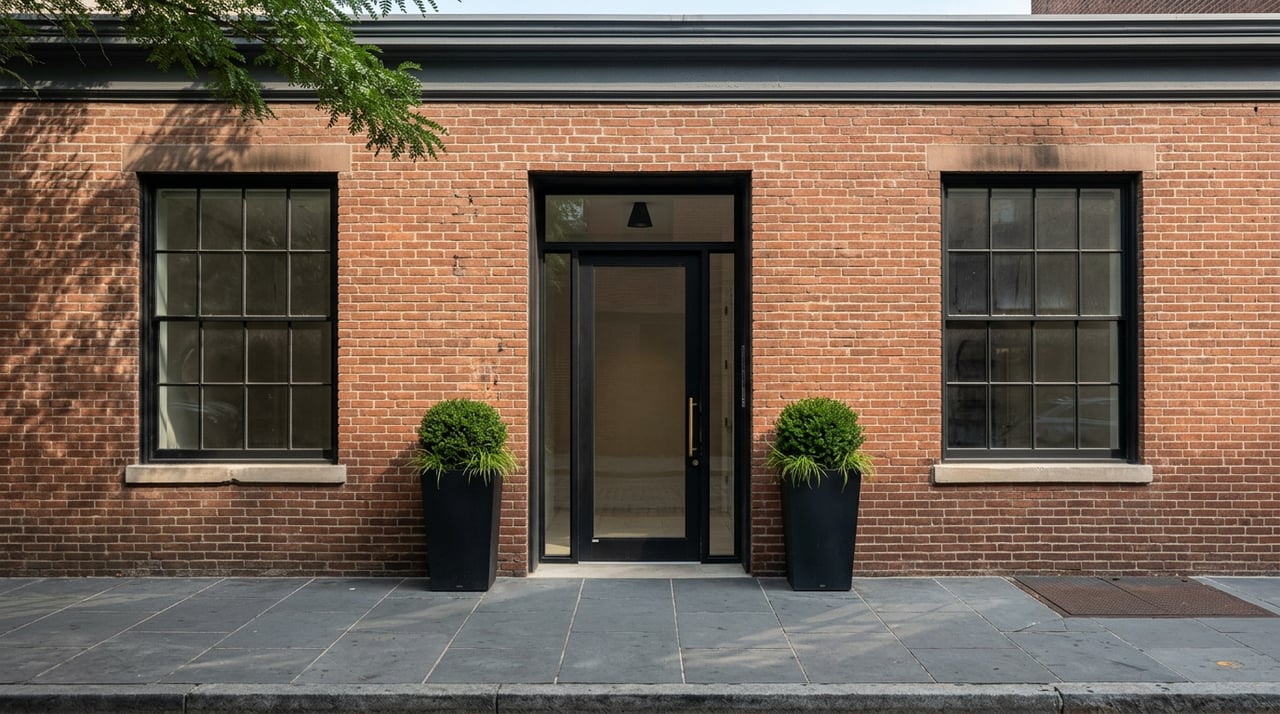
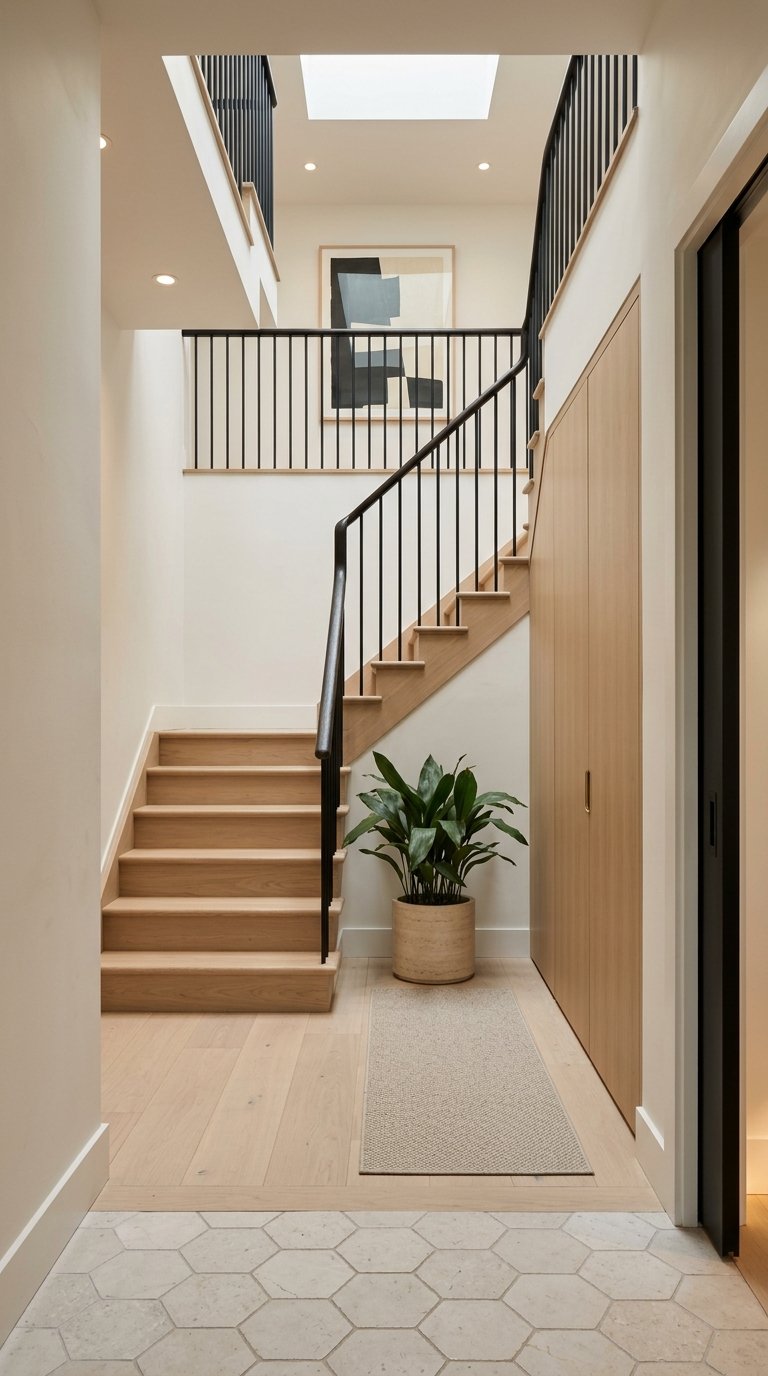
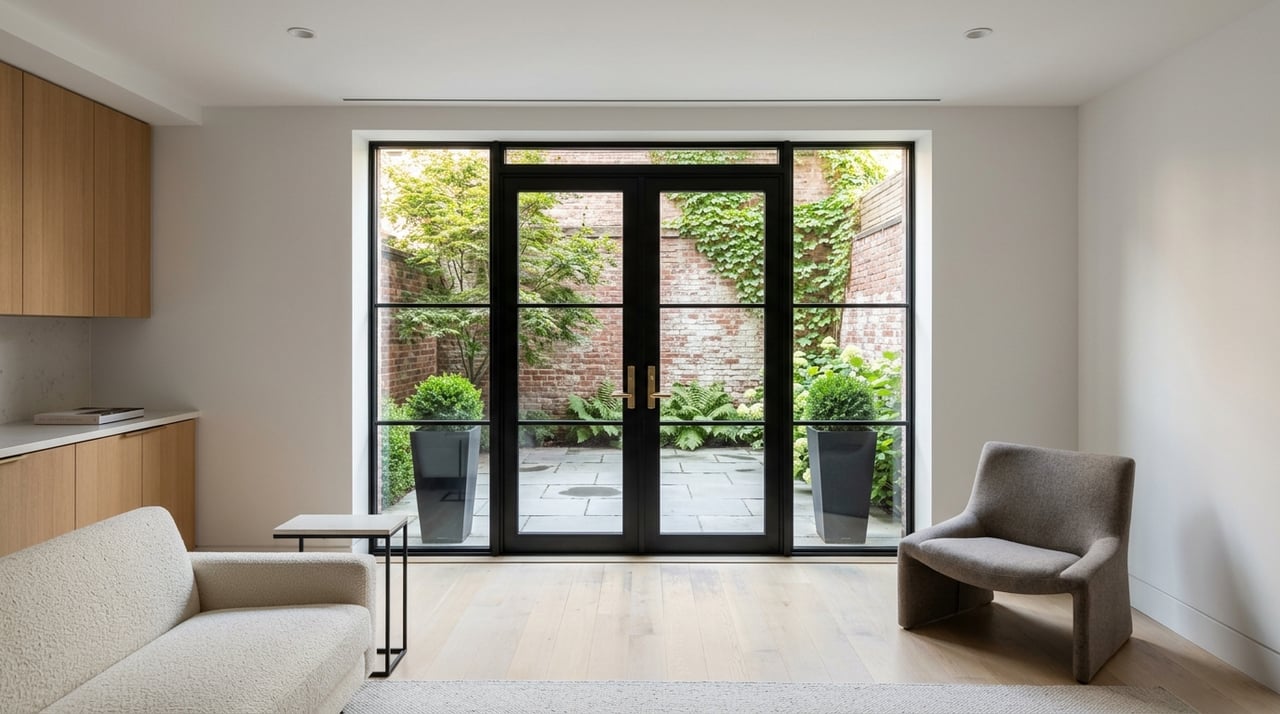
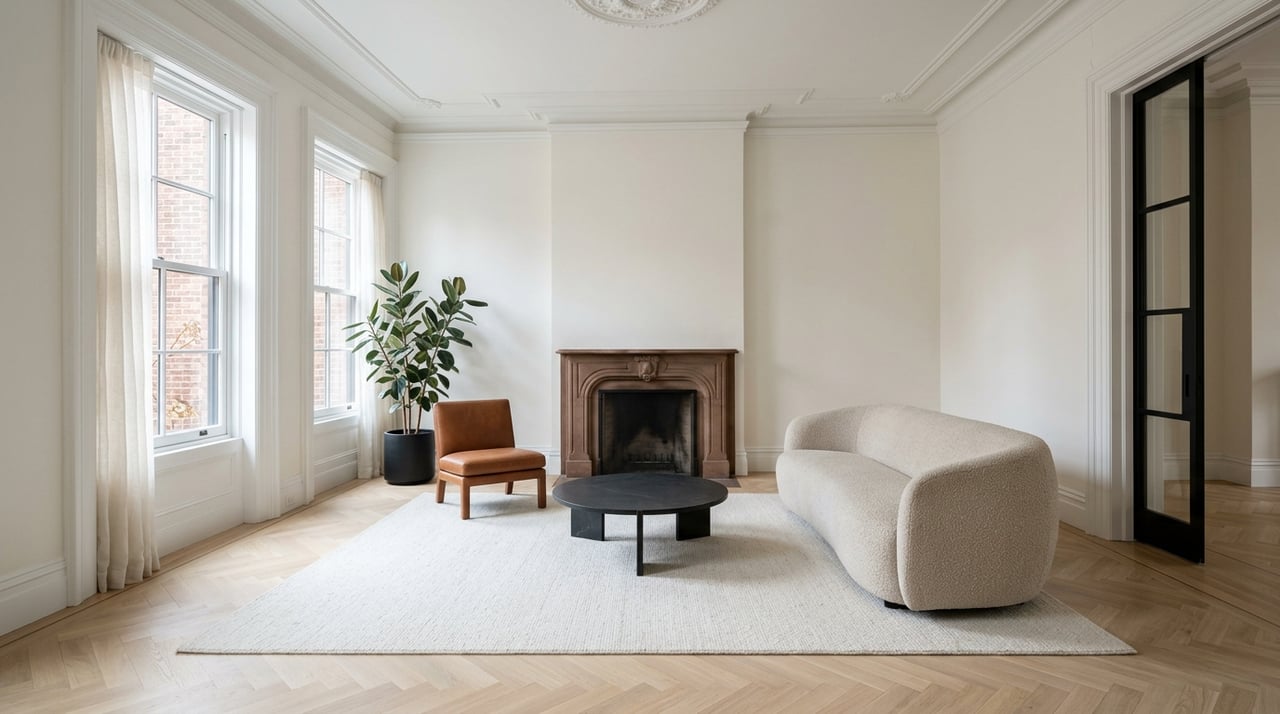
The housing stock leans historic, with smaller floor plates that naturally produce studios and one-bedrooms. That mix suits many pied-à-terre buyers who want a lower-maintenance footprint. The Village also has lively nightlife corridors and quieter blocks, so it helps to visit at different times of day to gauge your tolerance for street activity and noise.
Parking is rare, and storage varies by building. If you need bike storage, pantry space, or on-site laundry, verify before you buy.
Building types you will see
Prewar and postwar co-ops
Walk-ups and smaller elevator buildings are common. Expect traditional board oversight, smaller unit sizes, and a premium for location. Some co-ops limit sublets or the share of non-primary residents.
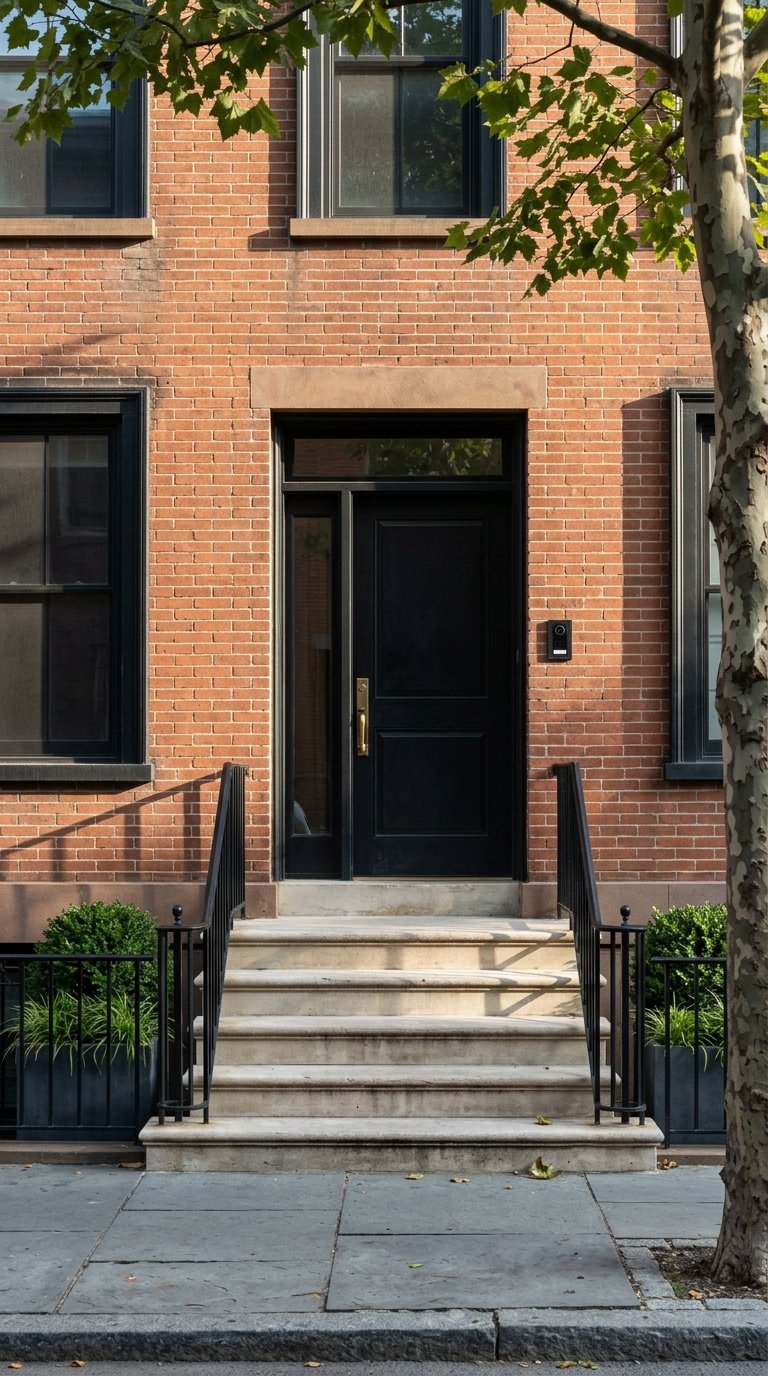
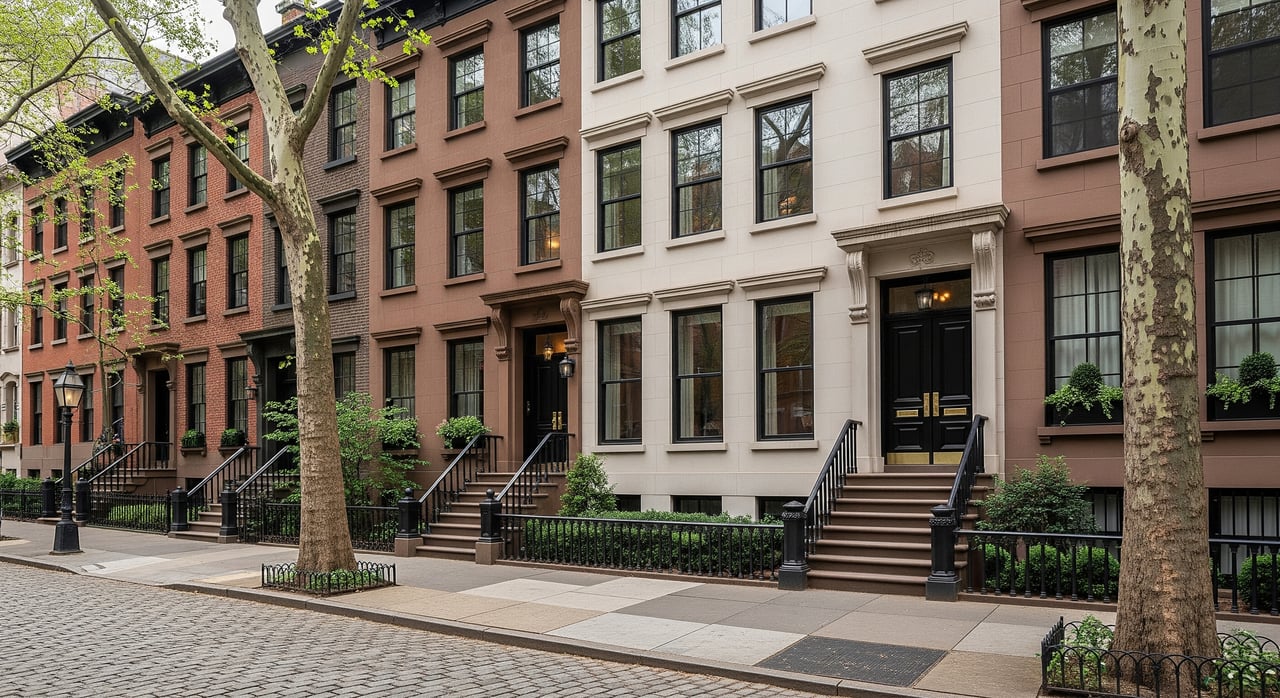
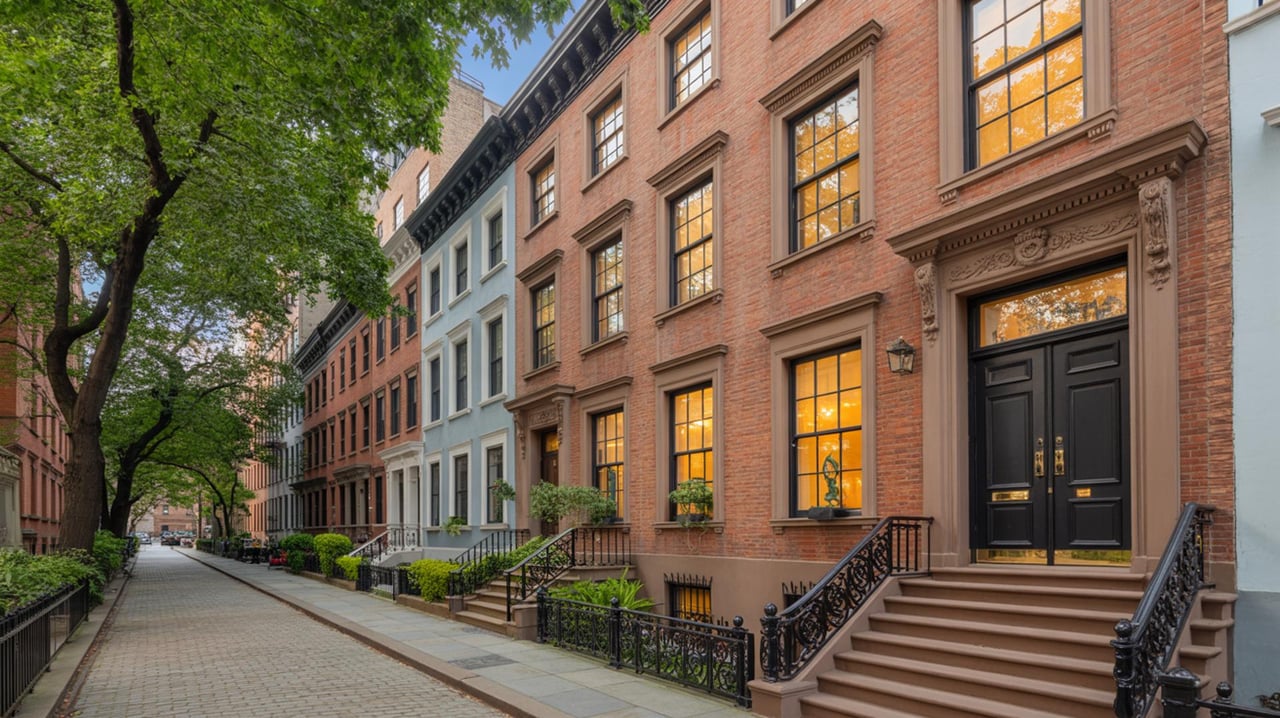
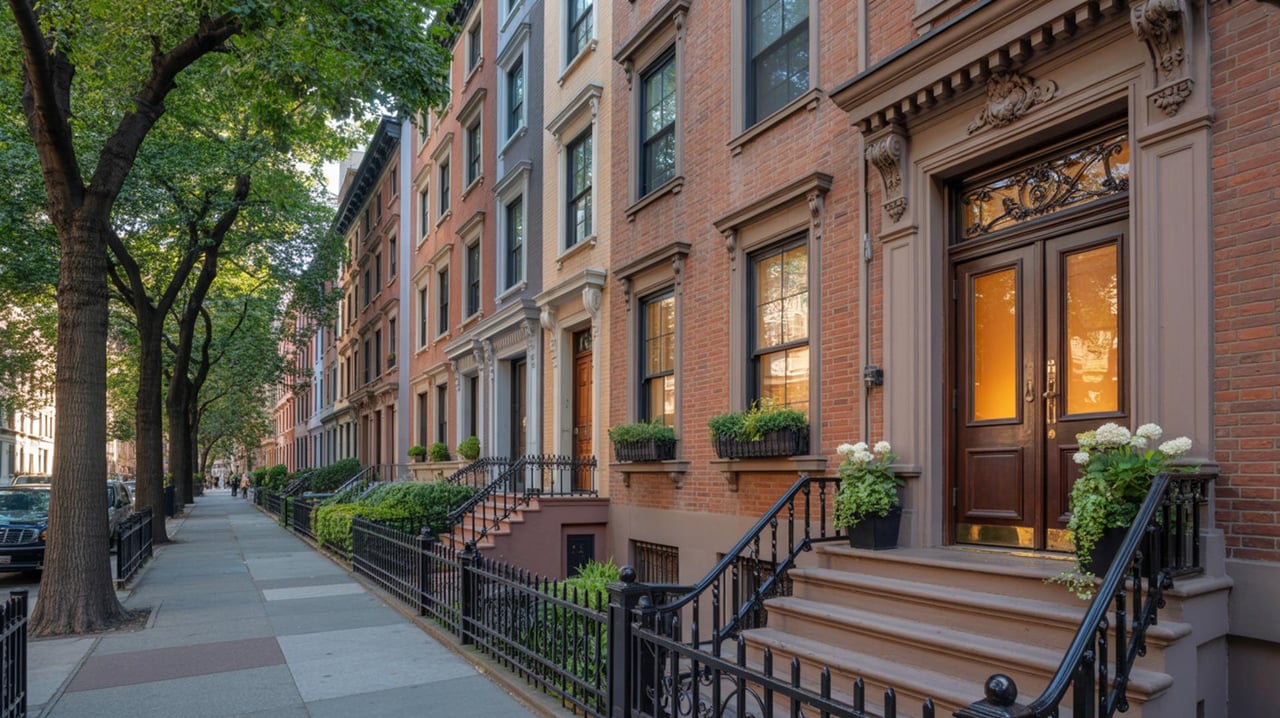
Brownstones and townhouses (often co-op conversions)
These tend to have intimate scales, limited amenities, and strict house rules. They are charming, but flexibility varies. Always confirm whether pieds-à-terre are permitted.
Boutique and high-rise condos
Condos are less common than co-ops in the Village, but they exist and often provide more flexibility. They are typically friendlier to part-time ownership, allow purchases by LLCs in many cases, and make rental options simpler compared with co-ops.
Mixed-use and condo conversions
These can have more flexible house rules depending on the offering plan. Review documents carefully so you understand occupancy, renovation, and sublet policies.
Co-op vs condo: what matters for you
In a co-op, you buy shares and sign a proprietary lease. The board can approve or deny your purchase and set rules around subletting, corporate ownership, renovations, and the ratio of non-resident owners. Expect detailed financial disclosures, reference letters, and an interview.
In a condo, you own real property and the board cannot veto a sale in the same way. Applications are usually procedural. Condos are generally more accommodating of second-home usage, LLC purchases, and renting. That said, every building has house rules, assessment policies, and renovation protocols you must follow.
If you plan to rent periodically, remember that building rules and city law both apply. Even in flexible condos, short-term rental restrictions still limit how you can monetize the unit.
Rules that shape how you use it
Short-term rentals of an entire apartment for fewer than 30 days are generally prohibited in New York City unless a permanent occupant is present. This makes most Airbnb-style hosting infeasible when you are away. If rental income is part of your plan, focus on long-term sublets in buildings that allow them.
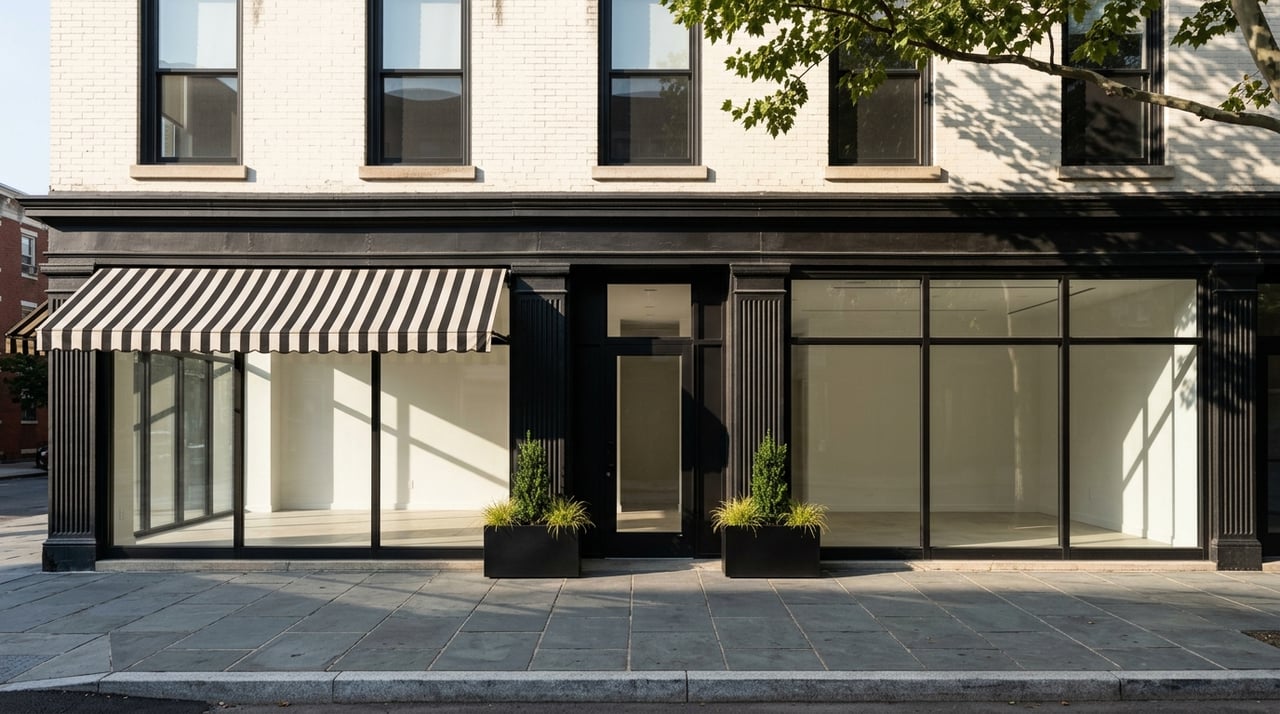
Many Village buildings sit within landmark districts. Interior work can require permits, and any exterior changes typically need approval from the Landmarks Preservation Commission. This is very manageable with the right team, but it adds steps and timelines to renovation.
There have been periodic policy proposals to tax high-value non-primary residences. These “pied-à-terre tax” discussions evolve over time. It is wise to check current state and city proposals before you buy.
New York State residency rules can also affect you. Spending significant time in the city while maintaining a permanent place can trigger tax considerations. Consult a tax advisor about domicile and statutory residency before you set your calendar.
A practical due diligence checklist
Use this list to structure your evaluation:
- Confirm building type and governance
- Is it a co-op or a condo? If co-op, review the proprietary lease and house rules.
- Ask if purchases by LLCs are permitted.
- Review bylaws and offering plan
- Sublet policy, any minimum residency, documentation, and caps on non-resident owners.
- Board approval process and typical timeline.
- Assess board practices and culture
- Request recent board minutes when available and ask about recent resale and sublet outcomes.
- Speak with resident owners and the listing broker about interview expectations.
- Financing and lender requirements
- Second-home mortgages often require higher down payments and extra documentation.
- Some co-ops prefer or require all-cash purchases or have additional lender approvals.
- Taxes and residency
- Understand property tax classification and how primary-residence benefits may or may not apply.
- Consult a tax professional about domicile and city/state income tax exposure tied to time spent in NYC.
- Short-term rental legality
- Operating an entire apartment for stays under 30 days while absent is generally prohibited.
- If income matters, evaluate long-term sublet potential within building and local rules.
- Insurance and utilities
- Confirm what maintenance or common charges include, and any special insurance requirements.
- Lifestyle checks
- Noise levels, proximity to subways, grocery options, delivery access, and guest policies.
- Laundry, bike storage, and trash/compost rules.
- Renovation feasibility
- Request alteration agreements, deposits, permitted work hours, and expected approval timelines.
- Budget for carrying costs
- Maintenance vs common charges, utilities, potential assessments, and services like a doorman or porter.
- Transaction logistics
- Plan for co-op board packages, interviews, and longer lead times if you choose a co-op.
Lifestyle and day-to-day fit
A successful pied-à-terre is easy to lock and leave. Look for a building that aligns with your patterns: do you arrive late with luggage and value a doorman, or do you prefer a discreet walk-up on a quiet side street? Test commute routes, nighttime noise, and morning routines.
Because parking is scarce, think through car services and storage needs. If you host often, ask about guest policies and delivery rules so hosting and grocery runs feel seamless.
Renovation: what to expect
Even modest updates can require board and city approvals. Buildings set work hours, insurance requirements for contractors, and dust and debris protocols. Co-ops can be more intensive with structural changes and alterations. Plan your timeline and budget accordingly, especially in landmarked buildings.
Budgeting and financing for a second home
Second-home mortgages usually come with higher down payments and different documentation standards than primary homes. Lenders will review your reserves and debt-to-income, and co-ops may layer on building-specific requirements. Carrying costs vary widely by building. Factor in maintenance or common charges, utilities, potential assessments, and services that matter to you.
Is a Village pied-à-terre right for you?
Choose the Village if you want an effortless connection to downtown culture in a compact, low-maintenance footprint. You are a strong candidate if you value walkability over parking, are comfortable with board rules, and prefer the character of historic buildings or the flexibility of boutique condos. With the right guidance, you can secure a home that supports how you actually live and travel.
If you are ready to explore on your terms, our team can curate options that fit your schedule, privacy needs, and long-term plans. For discreet, advisory-level guidance, connect with At the Firm.
FAQs
What is a pied-à-terre in NYC and how is it used?
- It is a secondary residence used part-time for work trips, weekends, or seasonal stays; it is defined by usage rather than a separate legal property class.
Are short-term rentals allowed in a Greenwich Village pied-à-terre?
- Generally no; New York City prohibits renting an entire apartment for fewer than 30 days when the permanent occupant is not present.
How do co-op rules affect pied-à-terre owners in the Village?
- Co-ops can require board approval, limit sublets, restrict the share of non-primary residents, and disallow LLC purchases; expect detailed financials and an interview.
Are condos more flexible for part-time owners in Greenwich Village?
- Usually yes; condos cannot veto sales the same way co-ops can and often allow LLC purchases and easier renting, though house rules and assessments still apply.
What should I verify before buying a Greenwich Village pied-à-terre?
- Confirm building type, sublet policy, board culture, financing terms for second homes, renovation rules, carrying costs, and tax/residency implications tied to time spent in NYC.
Do landmark rules affect renovations in Greenwich Village?
- Often; many buildings are in landmark districts, so exterior changes require approval and some interior work can trigger permits and board review.
Could future taxes target non-primary residences in NYC?
- Policy proposals aimed at high-value non-primary residences appear periodically; check current state and city developments before you buy and consult your advisors.