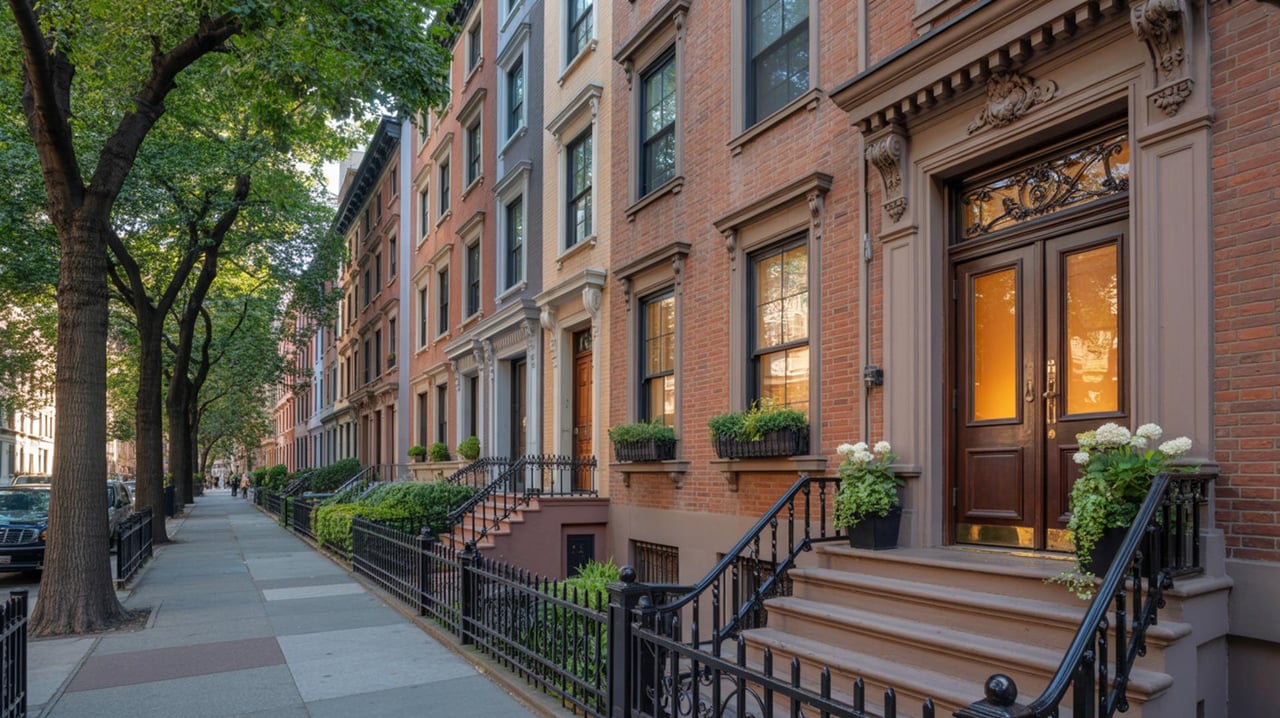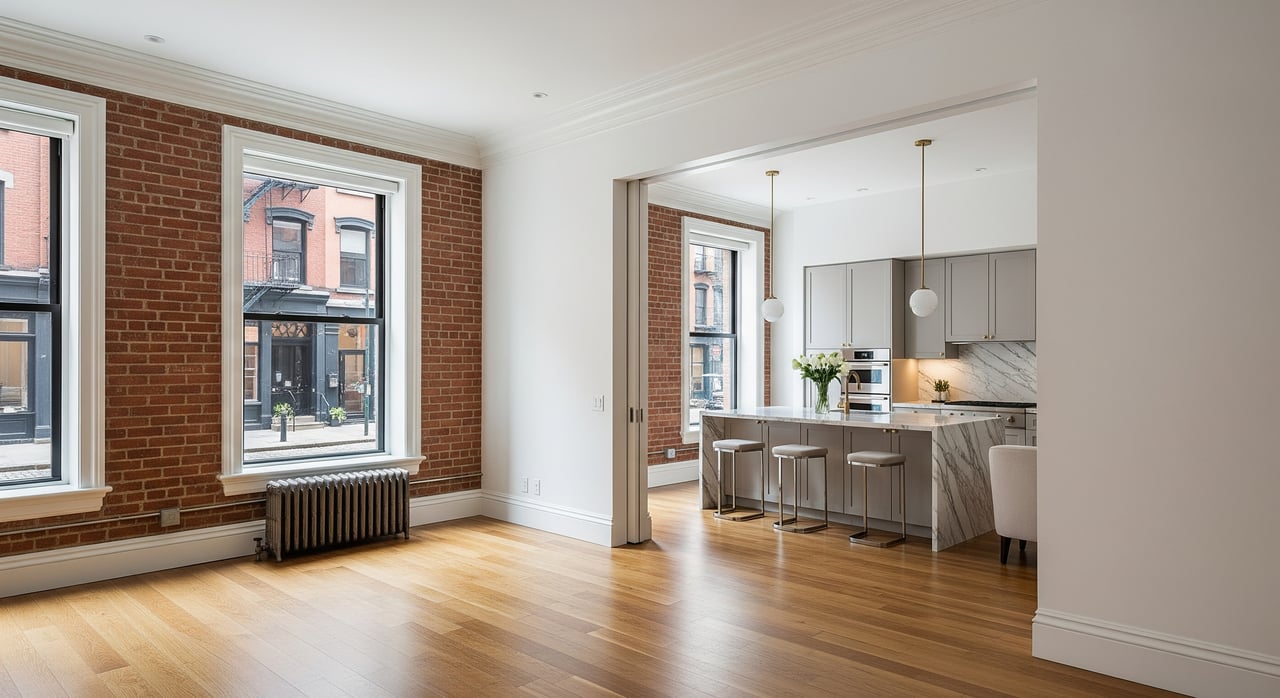
Thinking about a SoHo loft and trying to choose between a co‑op and a condo? You are not alone. The choice affects your approval timeline, financing, ability to rent, renovation plans, and eventual resale. In this guide, you will learn how each option works in SoHo’s cast‑iron and loft buildings so you can move forward with confidence. Let’s dive in.
What you own
Co‑op ownership
In a co‑op, you buy shares in a corporation that owns the building and receive a proprietary lease for your apartment. You do not own real property to the unit. The building is governed by corporate documents and a board that sets and enforces rules.
Condo ownership
In a condo, you receive a deed to your unit plus a fractional interest in the common areas. This is direct real property ownership. A condo board enforces the by‑laws and house rules, but it typically has less discretionary control over sales and occupants than a co‑op board.
Approvals and timeline
Co‑op board packages
Expect a detailed application that can include tax returns, financial statements, bank statements, reference letters, and sometimes an interview. Boards can be selective beyond credit score and may consider your debt‑to‑income profile and building rules compliance. Reviews often take 4 to 8 weeks and can run longer depending on board schedules.
Condo administrative review
Condos usually perform an administrative check to verify compliance with building rules and financing. In‑person interviews are uncommon, and boards have narrower grounds to delay or deny a sale. Reviews can be completed in days to a few weeks, which can speed up your closing.
Financing and down payments
Co‑op financing
Co‑ops use a share loan secured by your shares and proprietary lease. Many Manhattan co‑ops require higher down payments, often 20 to 25 percent, and some buildings require 30 to 50 percent or more. Boards also look for liquidity and conservative debt‑to‑income ratios, and lenders review building debt, reserves, and delinquencies.
Condo financing
Condos use a standard mortgage on real property. Lenders may allow lower down payments, often 10 to 20 percent for primary residences, subject to underwriting. Lenders still review the association’s budget, reserves, and owner‑occupancy ratios.
Subletting and rental flexibility
Co‑ops
Co‑ops are usually the most restrictive on rentals. Many require you to live in the unit for a set period before you can sublet, then limit how often or how long you can rent. Boards commonly cap the percentage of rented apartments and require approval for each sublet.
Condos
Condos generally allow rentals with notice and registration. Some buildings set minimum lease terms or temporary limits, but there is less subjective denial risk than in co‑ops. If you plan to rent your SoHo loft, a condo often provides more flexibility.
Renovations in SoHo lofts
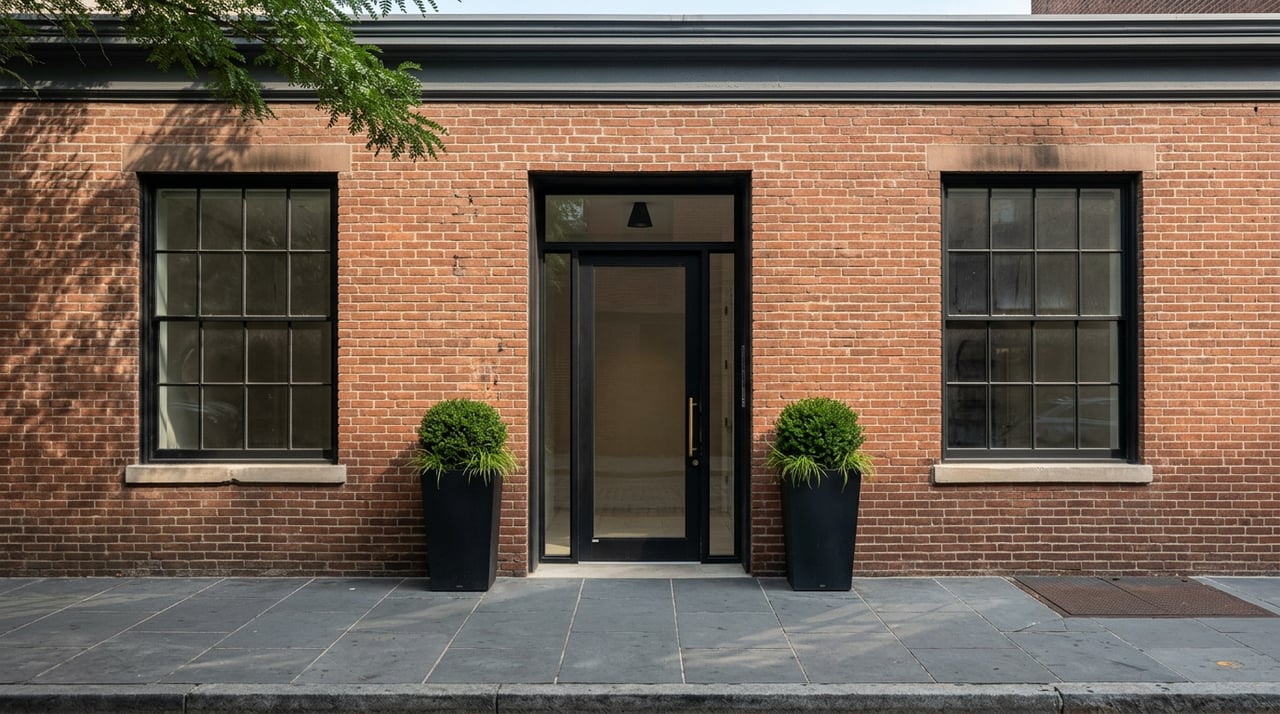
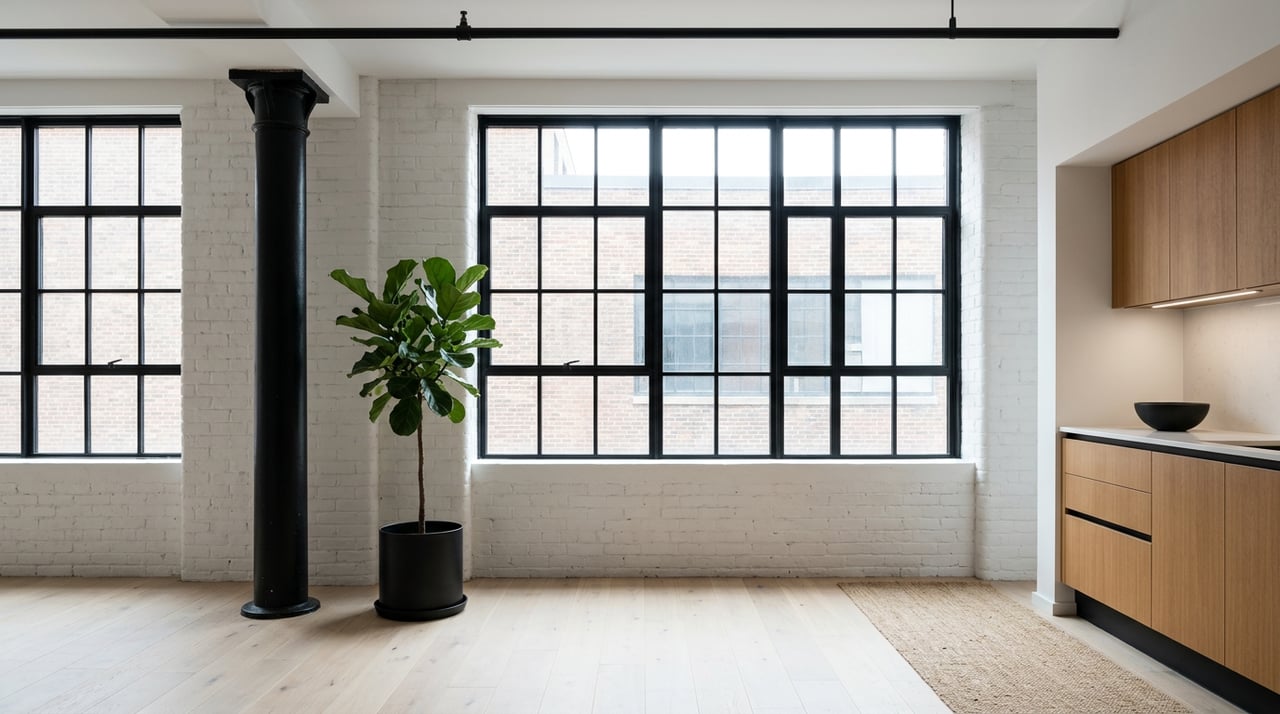
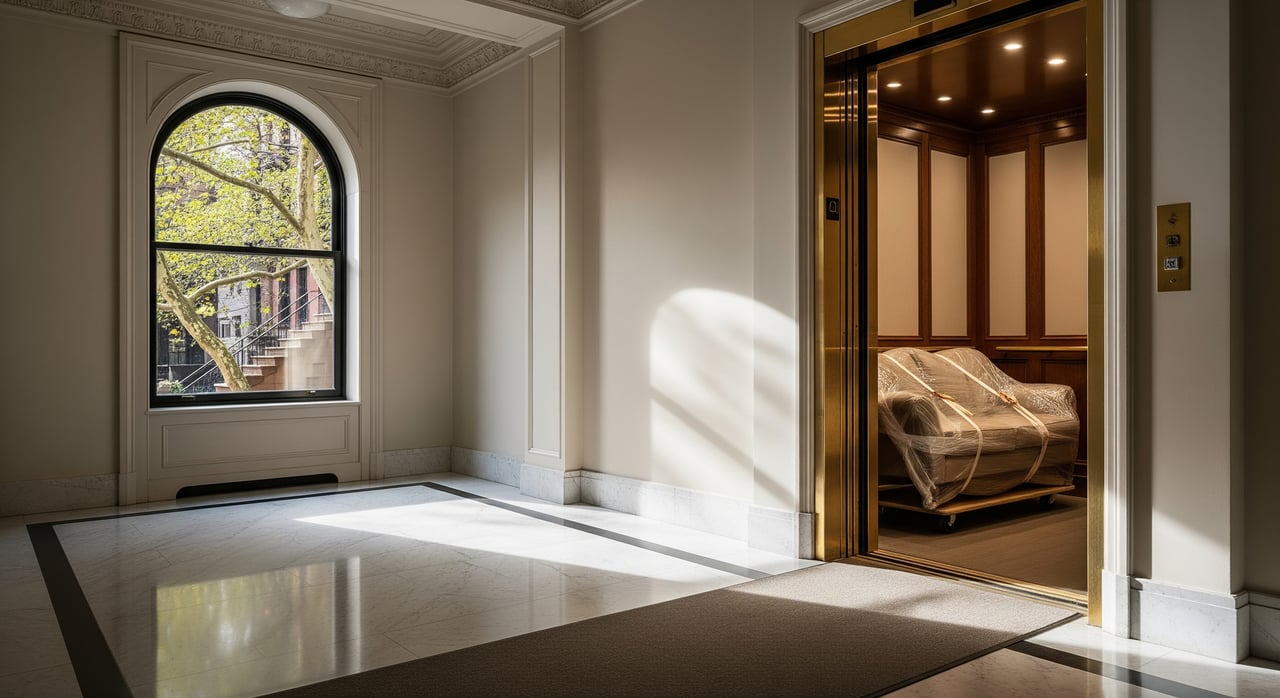
SoHo’s loft buildings are historic, large‑scale spaces with high ceilings, big windows, and unique layouts. Much of the neighborhood sits within the SoHo‑Cast Iron Historic District, so any work affecting facades or windows generally requires Landmarks Preservation Commission approval. The Department of Buildings permits are required for structural, plumbing, or electrical work. Narrow stairwells, freight elevator schedules, and older systems can affect cost and timing.
Before you close, confirm the unit’s Certificate of Occupancy reflects legal residential use. Non‑conforming layouts or unpermitted work can cause financing delays and add renovation hurdles. Both co‑ops and condos will require building management sign‑offs for major alterations, and co‑ops may have additional approval layers tied to the proprietary lease and house rules.
Fees, taxes, and closing costs
- Monthly charges: Co‑op maintenance often bundles the building’s real property taxes, a portion of any underlying building mortgage, insurance, staffing, and reserves. Condo common charges cover building operations and reserves, and you receive a separate property tax bill for your unit.
- Transfer costs: Condo sales are real property deed transfers, so buyers and sellers pay customary transfer taxes and recording fees where applicable. Co‑op resales transfer shares and a lease; many resales are treated differently than deed transfers for certain taxes, and buildings often have flip taxes that may be paid by seller or buyer depending on house rules.
- Other line items: Application fees, move‑in and move‑out fees, building attorney review fees, and deposits are common in both structures.
Resale and investor appeal in SoHo
Condos tend to attract a wider pool of buyers, including investors and second‑home purchasers, due to deeded ownership and rental flexibility. Co‑ops generally appeal to owner‑occupants who value stability and strong building oversight. In Manhattan, condos often trade at a premium over comparable co‑ops because of perceived liquidity, though individual building prestige, finishes, and layout drive value in SoHo.
Board policies matter for resale. Strict financing rules or narrow rental policies can limit the buyer pool and lengthen time on market. In older loft buildings, keep an eye on façade work or structural projects that could lead to assessments, which may influence buyer demand.
Quick SoHo buyer checklist
- Confirm structure: co‑op shares with a proprietary lease or condo with a deed.
- Review building docs: proprietary lease and rules for co‑ops, or declaration and by‑laws for condos, plus house rules, recent board minutes, financial statements, and the offering plan for sponsor sales.
- Verify the Certificate of Occupancy for legal residential use.
- Ask about subletting policy, investor caps, pending litigation, and special assessments.
- Confirm landmark status and whether exterior work needs Landmarks approval.
- Speak with lenders about building approval and down payment requirements.
- Budget for closing costs, potential flip tax, board application fees, and move costs.
- If renovating, map out DOB and Landmarks steps, and confirm building logistics and timelines.
Common red flags
- No valid residential Certificate of Occupancy.
- Large or recent special assessments, low reserves, or high delinquency rates.
- Building litigation or governance issues noted in board minutes.
- Sublet rules that do not match your plans, or unlimited short‑term rentals that may change building character.
- Down payment or liquidity requirements that exceed your profile.
- Long‑term sponsor control that affects governance and resale.
The bottom line
If you want maximum flexibility on financing and rentals, a condo often fits best. If you prefer a more controlled building environment and plan to occupy the home long term, a co‑op can be a strong choice. In SoHo’s landmarked loft buildings, factor in Landmarks and DOB approvals, building logistics, and the unit’s Certificate of Occupancy before you commit.
Ready to talk through a specific SoHo building or board package strategy? Connect with At the Firm for a private, boutique‑level consultation tailored to your goals.
FAQs
What is the main difference between co‑op and condo ownership in SoHo?
- In a co‑op you buy shares and a proprietary lease, while in a condo you receive a deed to the unit plus a share of common areas.
How long does board approval take for a SoHo co‑op purchase?
- Co‑op reviews commonly take 4 to 8 weeks and can run longer depending on board schedules and interviews.
Can I rent out my SoHo loft if it is in a co‑op?
- Often yes, but co‑ops typically require initial owner occupancy and then limit sublet duration, frequency, and total rented units, with board approval required.
What permits do I need to renovate a loft in the SoHo‑Cast Iron Historic District?
- You may need Landmarks approval for any work that affects the exterior or windows and Department of Buildings permits for structural, plumbing, or electrical work.
What closing costs should I expect when buying a SoHo condo versus a co‑op?
- Condo purchases involve deed transfer taxes and recording fees where applicable, while co‑ops transfer shares and a lease and often include a building flip tax plus standard application and move fees.