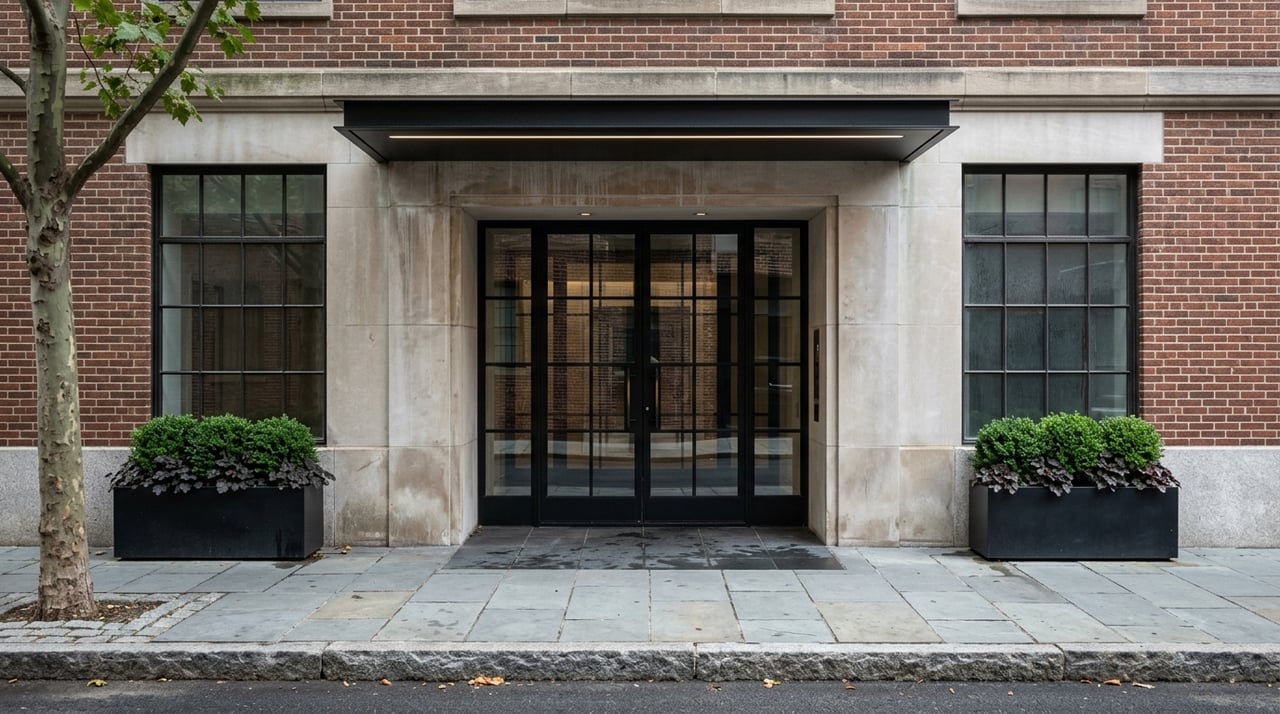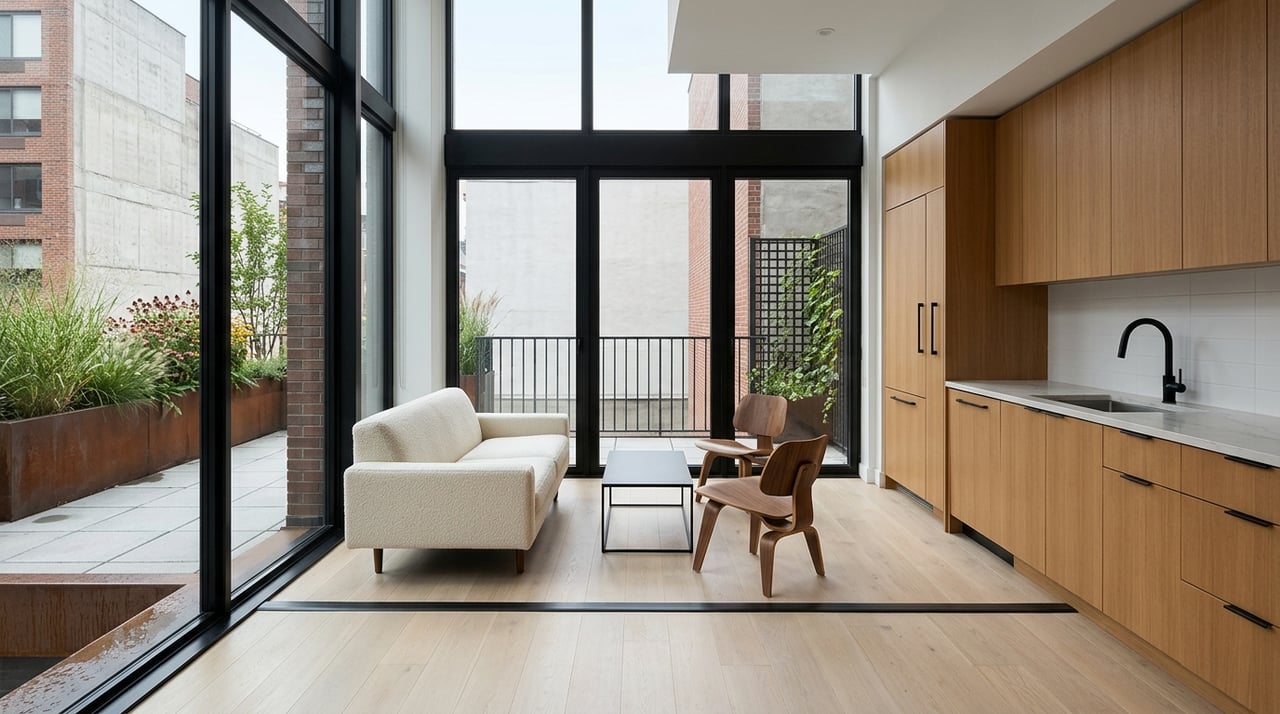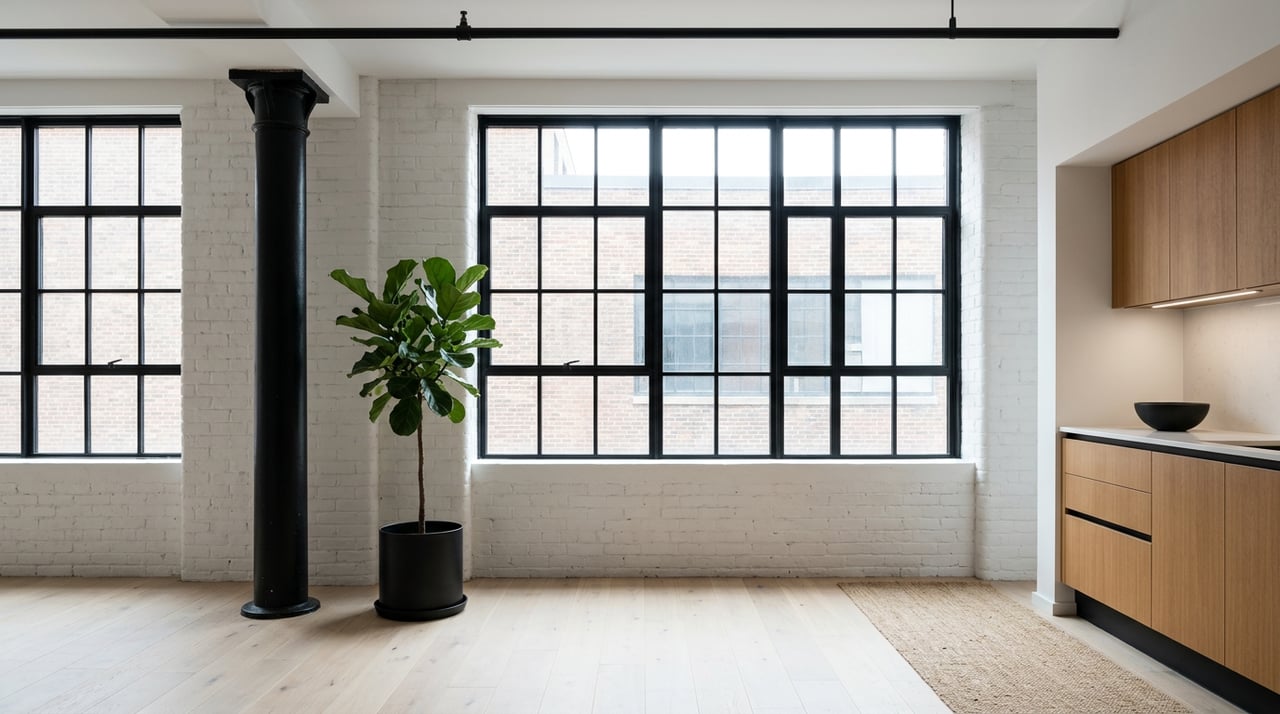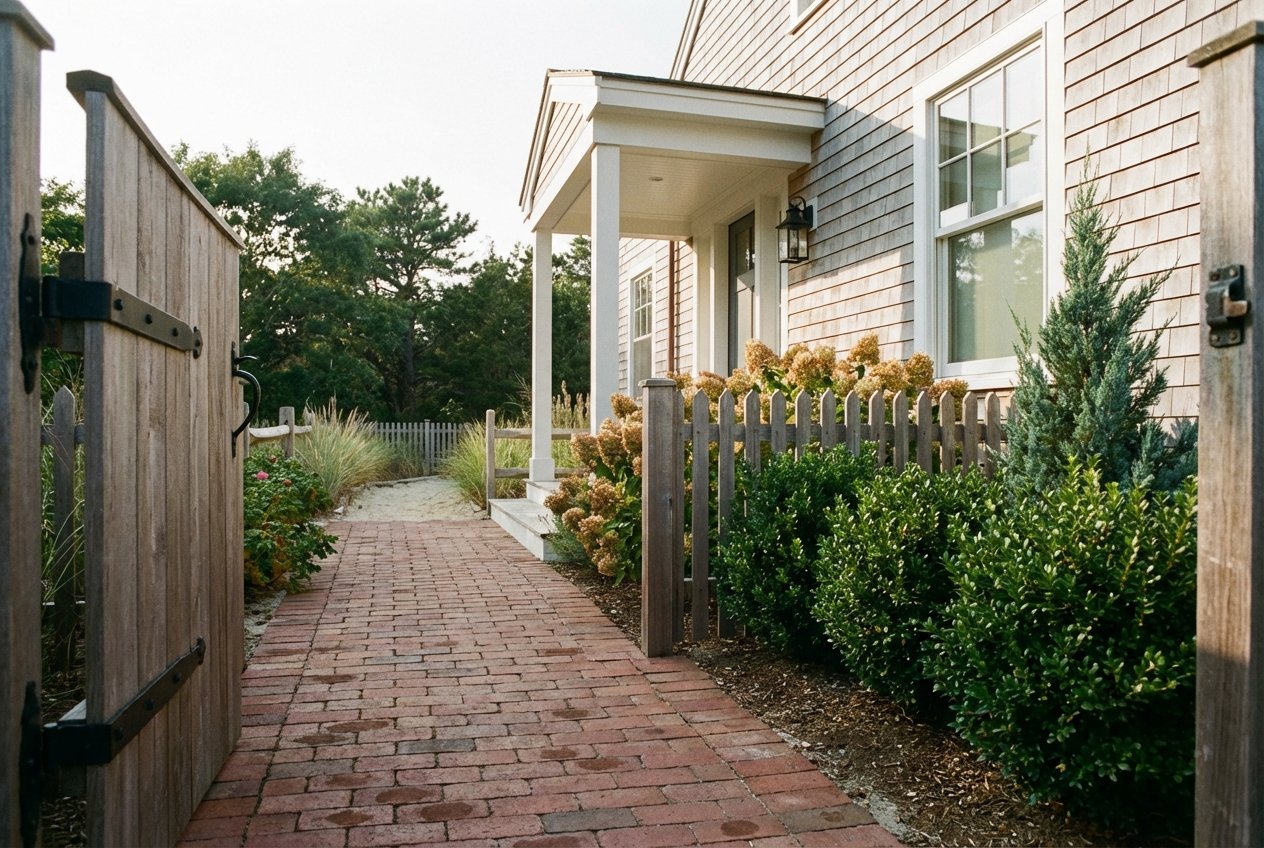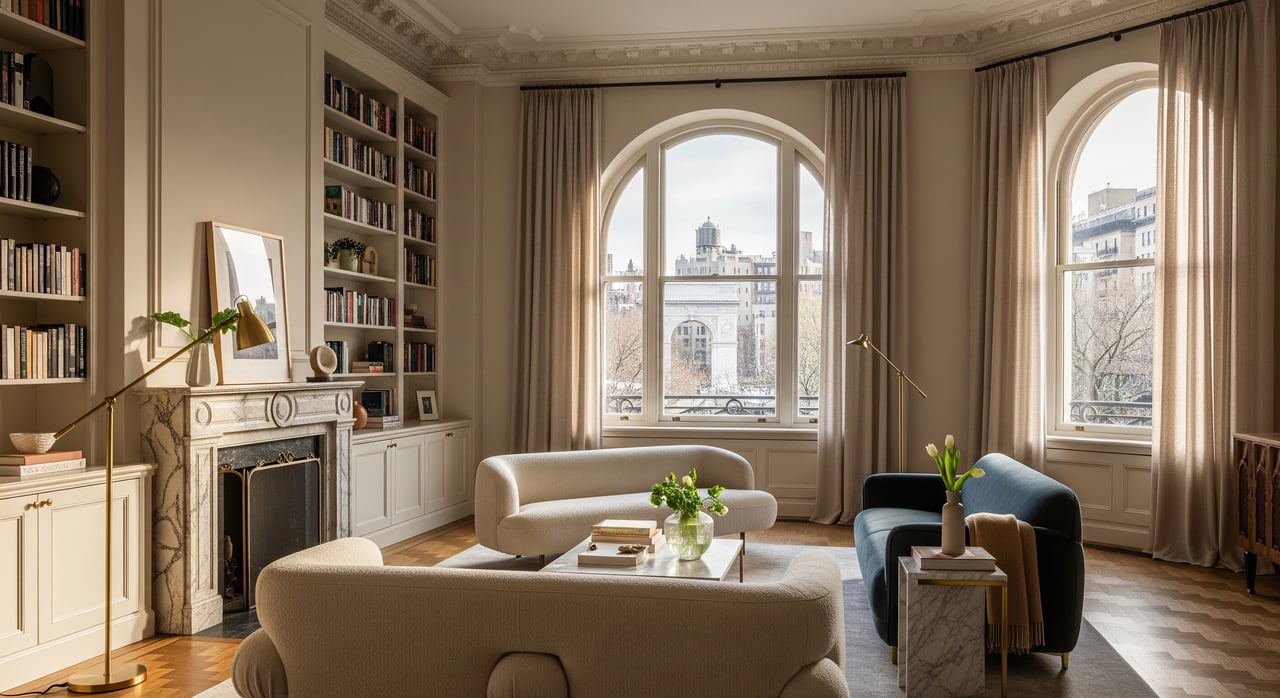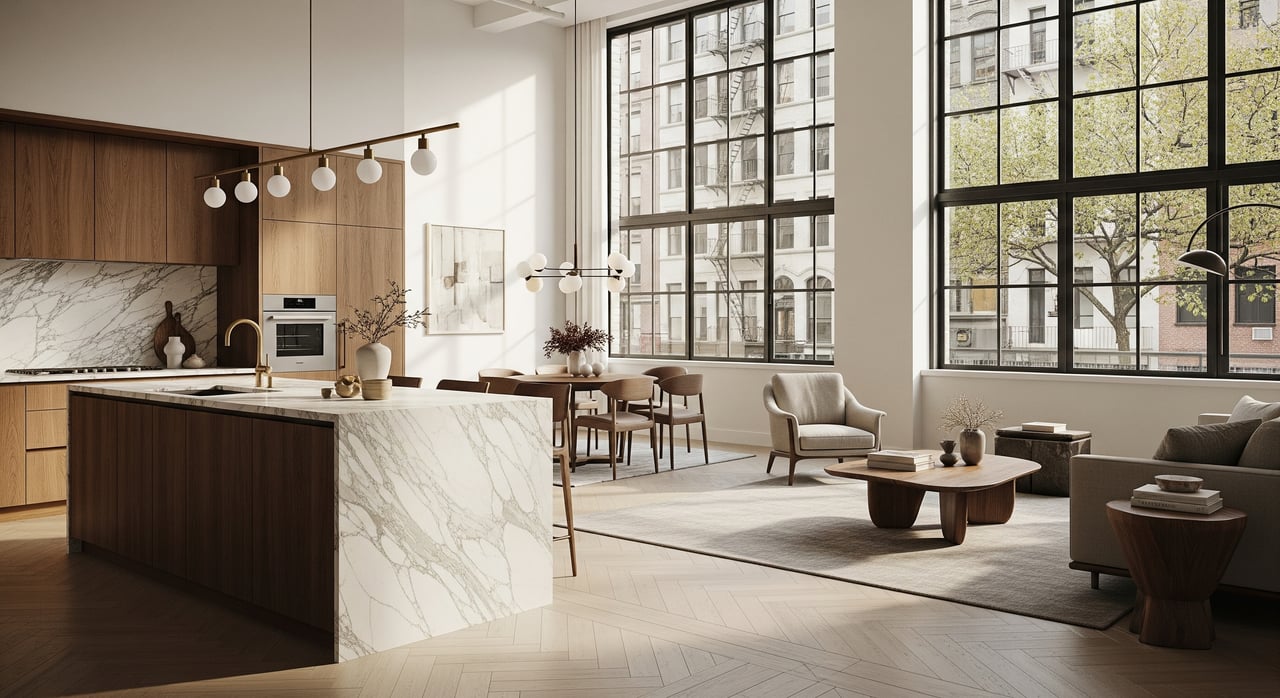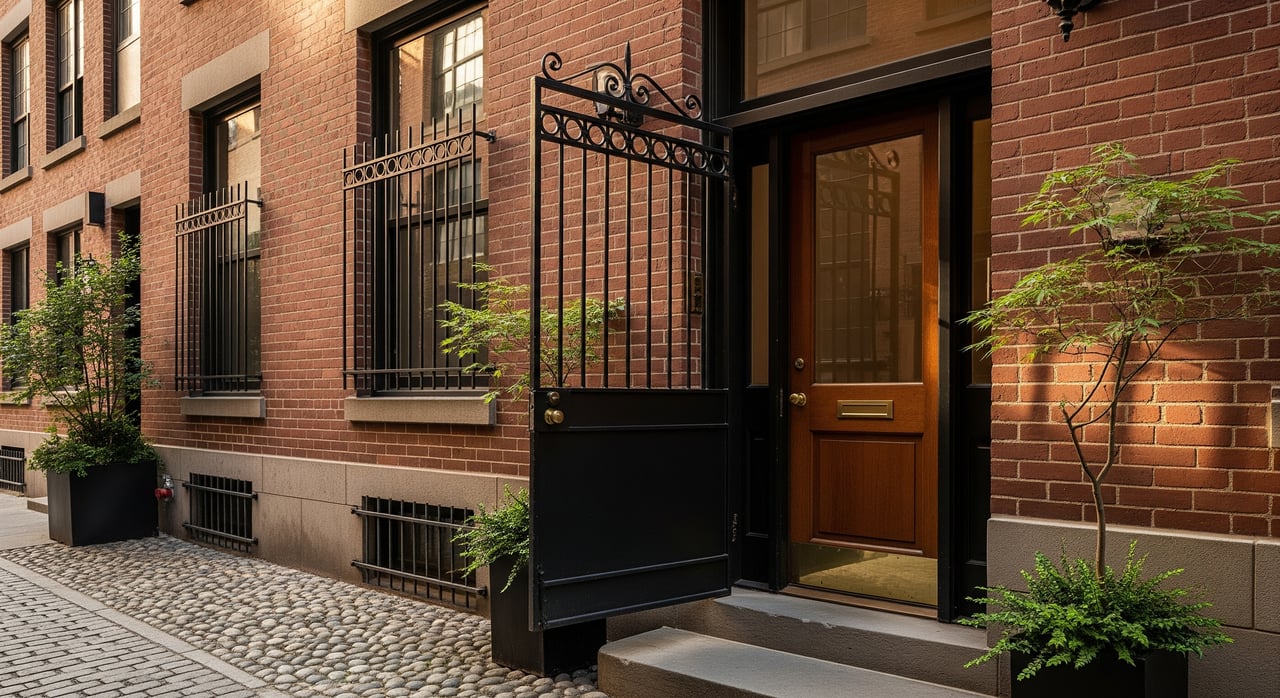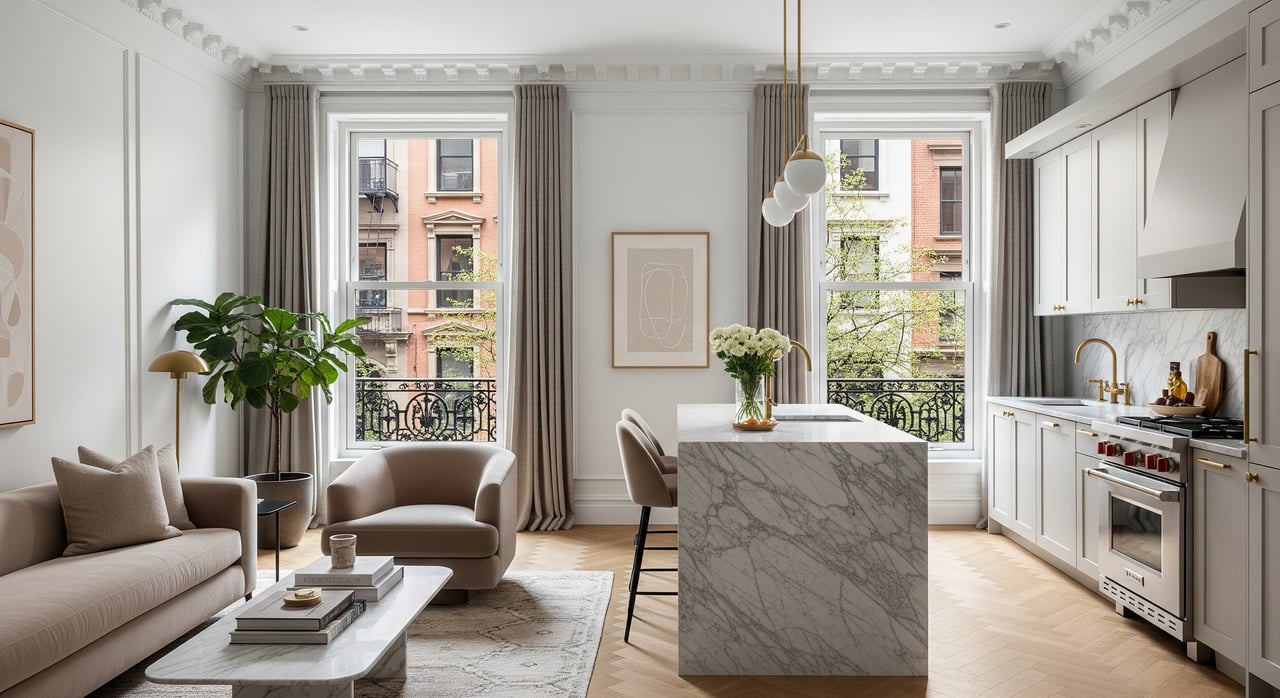
If you love architecture, texture and beautifully considered interiors, the West Village feels like a living design studio. You come for the quiet, low-rise charm and stay for the intimate cafés, curated shops and artist spaces tucked along winding streets. This guide gives you a full day that feeds your eye and your appetite, with thoughtful stops, design notes and a few practical tips if you are also exploring the neighborhood as a place to live. Let’s dive in.
Morning: Grove Street texture
9:00 Buvette coffee and light bites
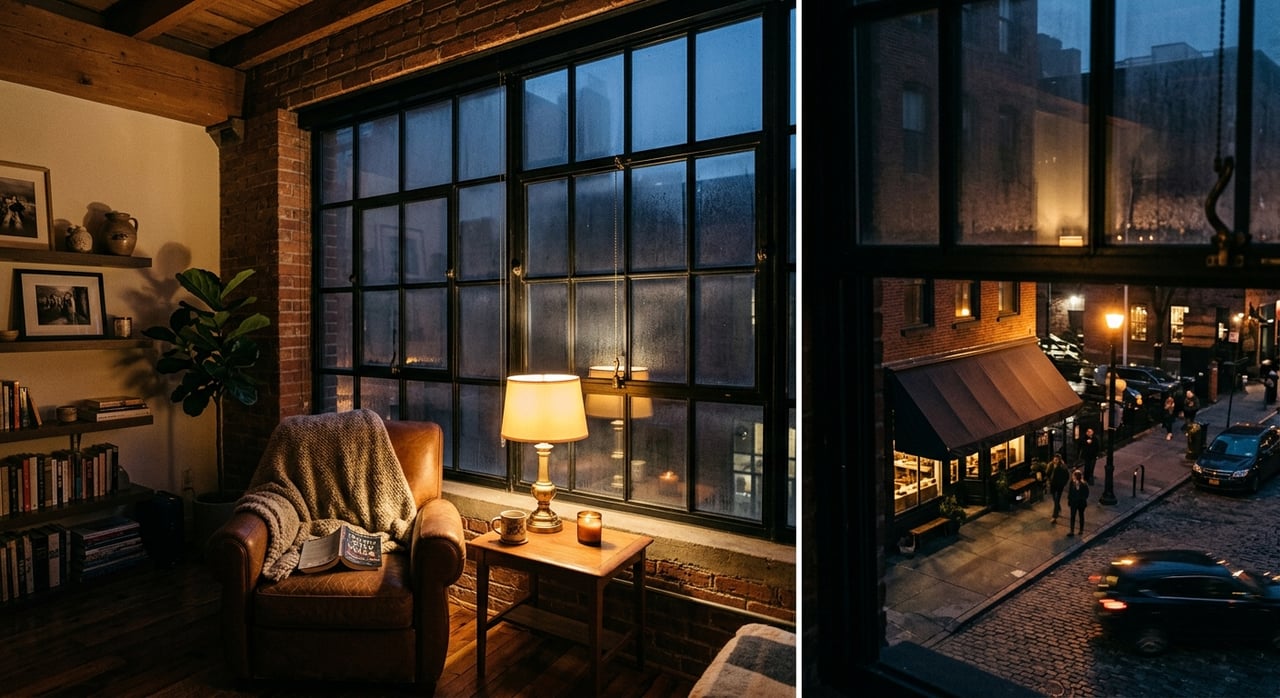
Start your day on Grove Street with a coffee and small plate at Buvette. The room is compact and photogenic, with marble, wood and gleaming brass set close together. Sit by the window to watch the morning light skim across brick facades and black ironwork outside. Keep your camera ready; this block is a masterclass in scale and proportion.
9:45 Architecture walk, mews to curves
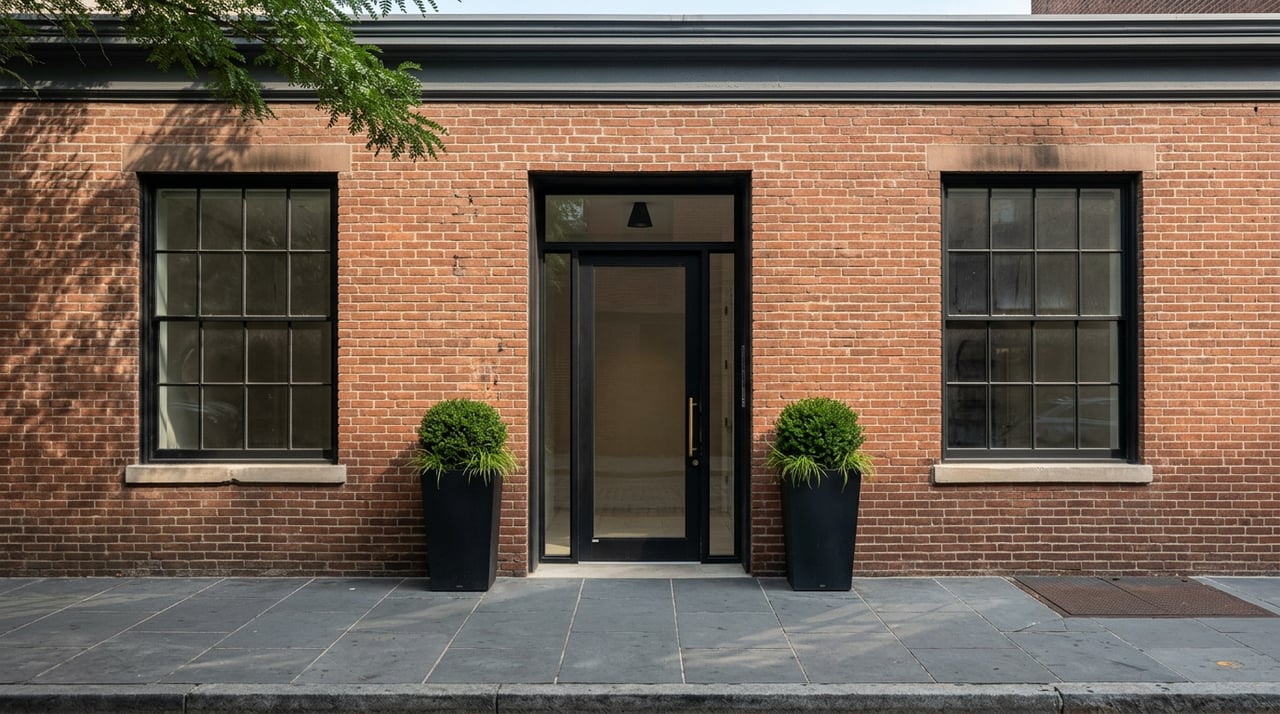
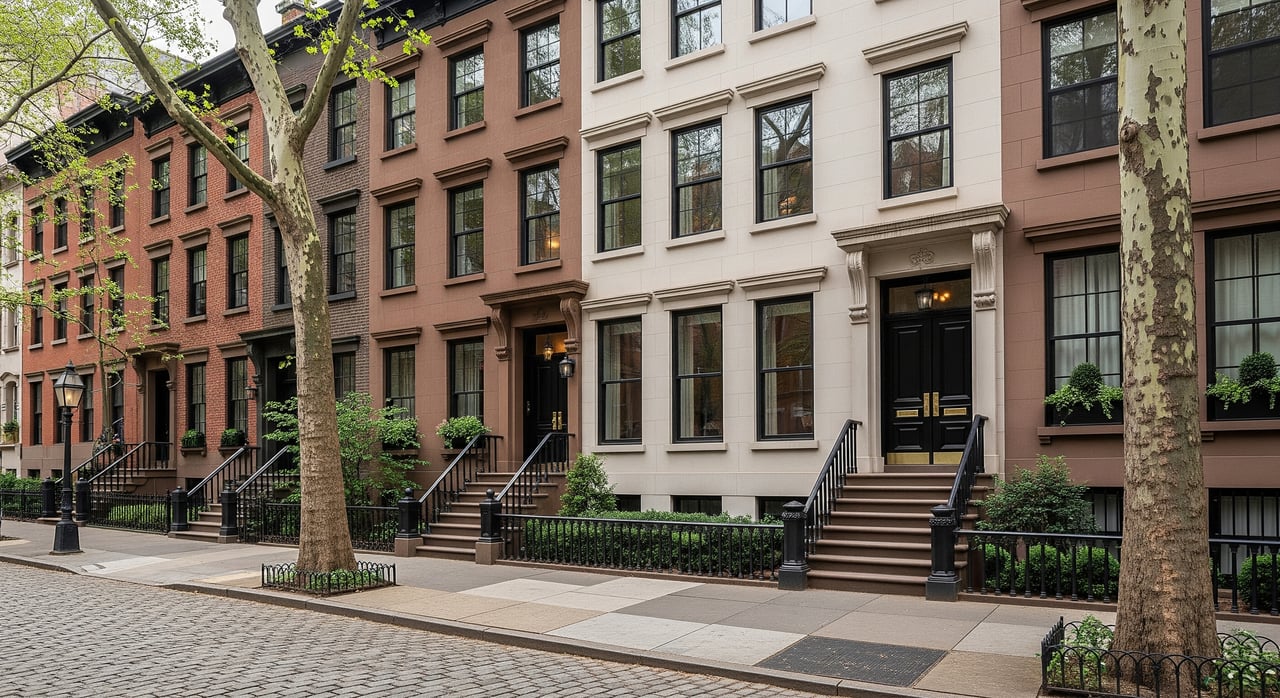
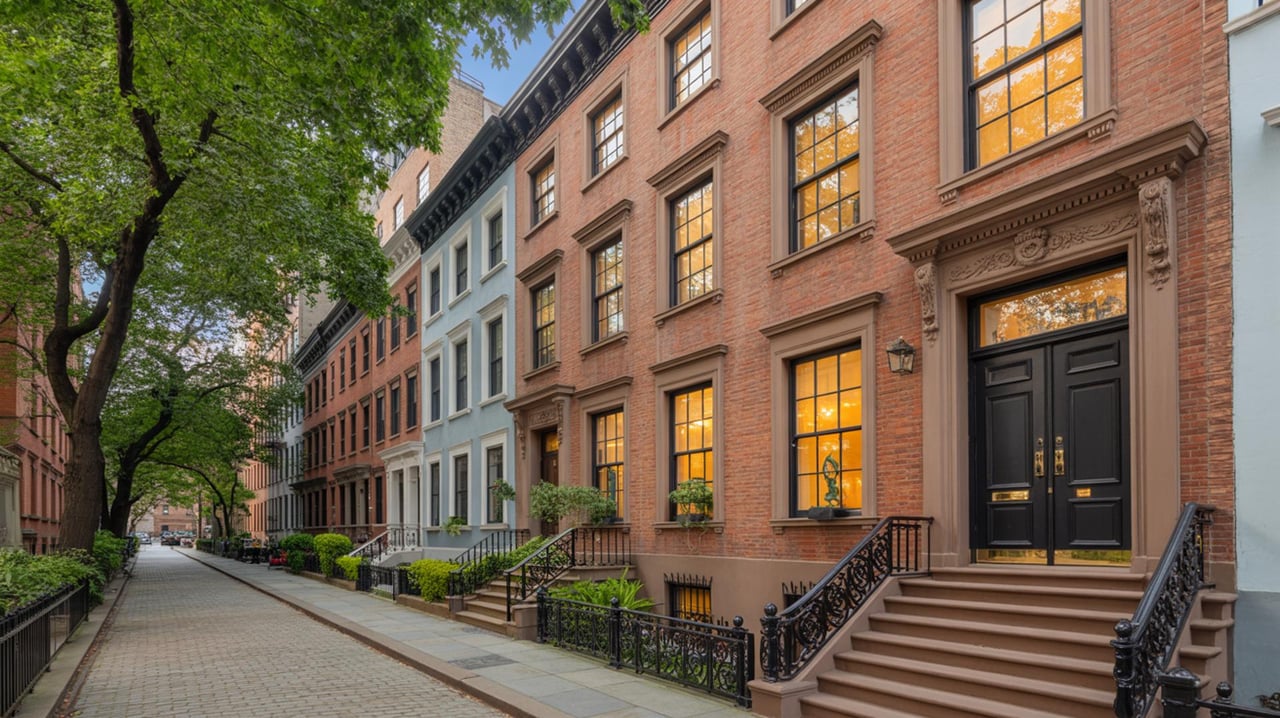
Begin a slow stroll to see why the West Village is treasured for detail rather than height. Much of the area sits within the Greenwich Village Historic District, which protects its 19th-century townhouses, narrow lots and irregular grid that makes the streets curve and bend in surprising ways. For a quick primer on the neighborhood’s preservation story, read Village Preservation’s overview of Greenwich Village history and landmarks.
- Grove Court: Peer through the gate between 10 and 12 Grove Street to see a tiny, brick-lined mews of six mid-19th-century houses. It is one of the most photographed micro-enclaves in the Village and has a literary footnote connected to O. Henry. Learn more in this look at Grove Court’s history and charm.
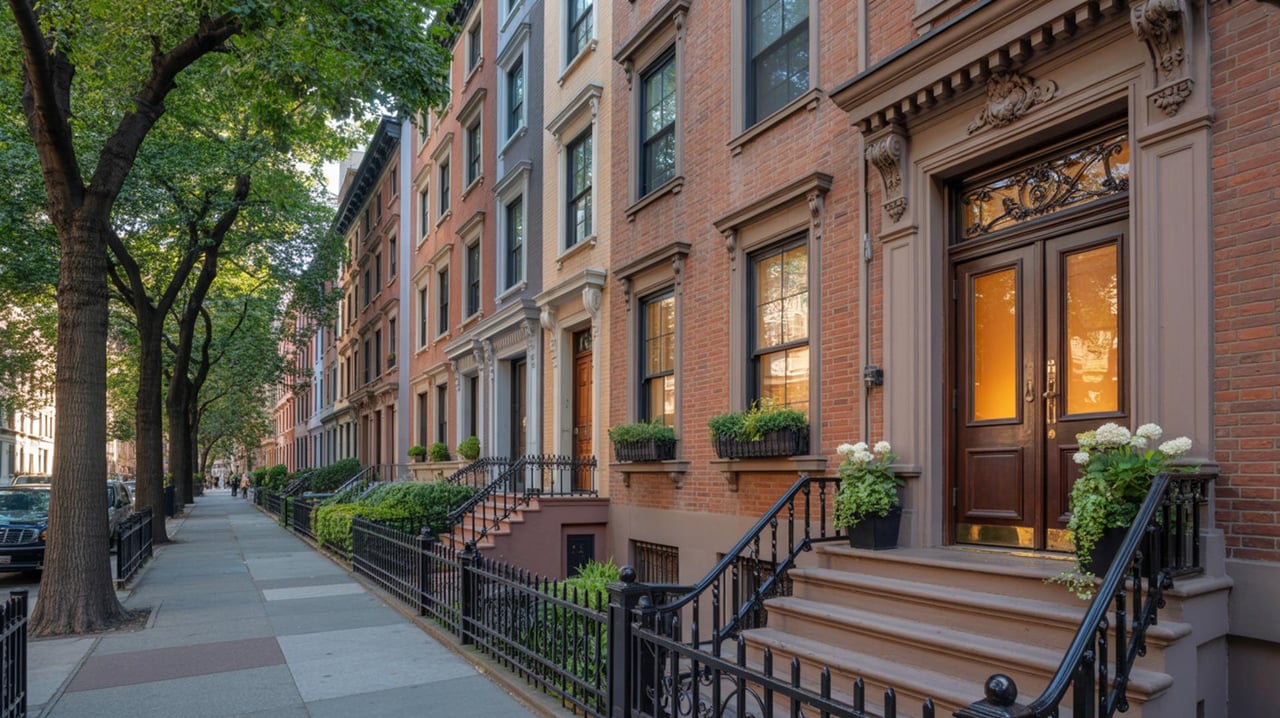
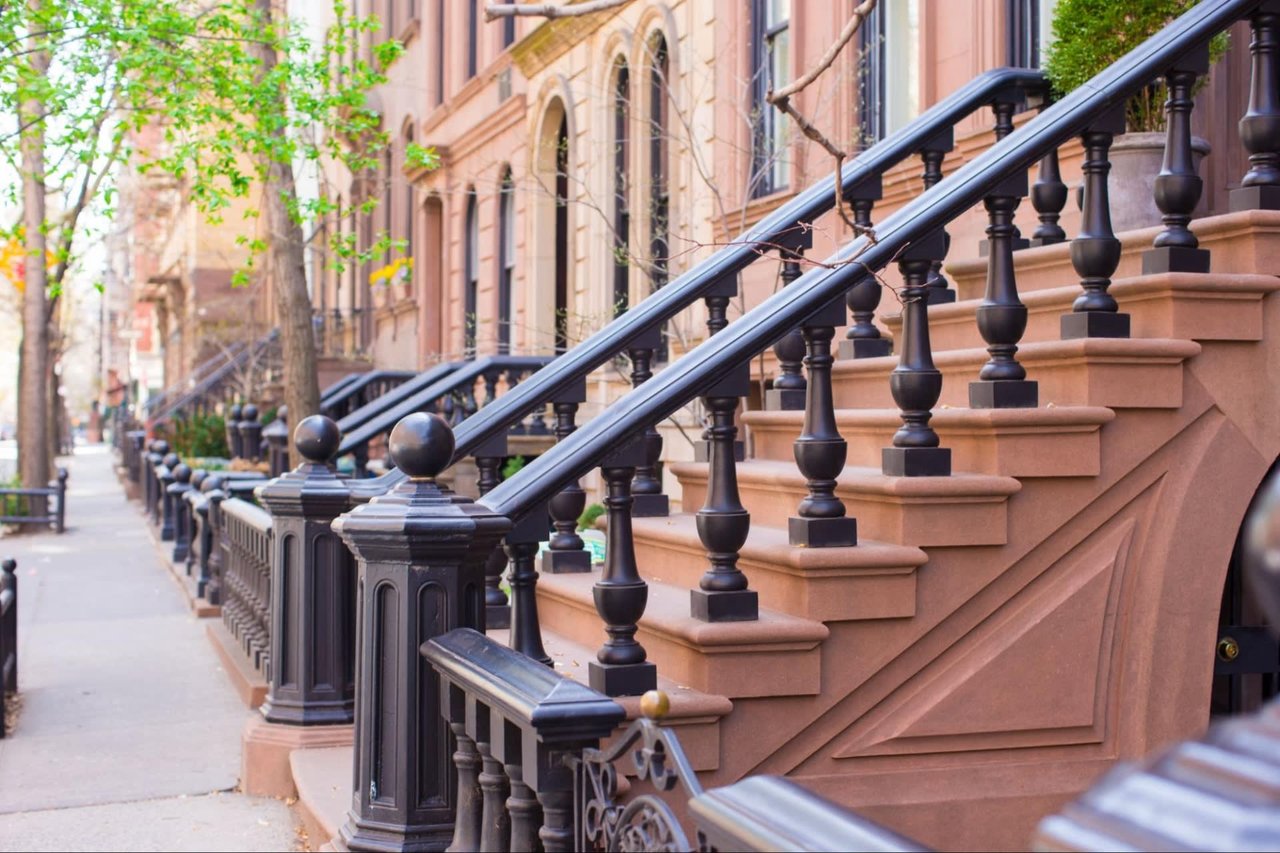
- Gay Street to Bedford Street: Follow the bend of Gay Street, then continue to Bedford Street. Watch how stoops stack, shutters frame narrow sash windows and planters soften the edges.
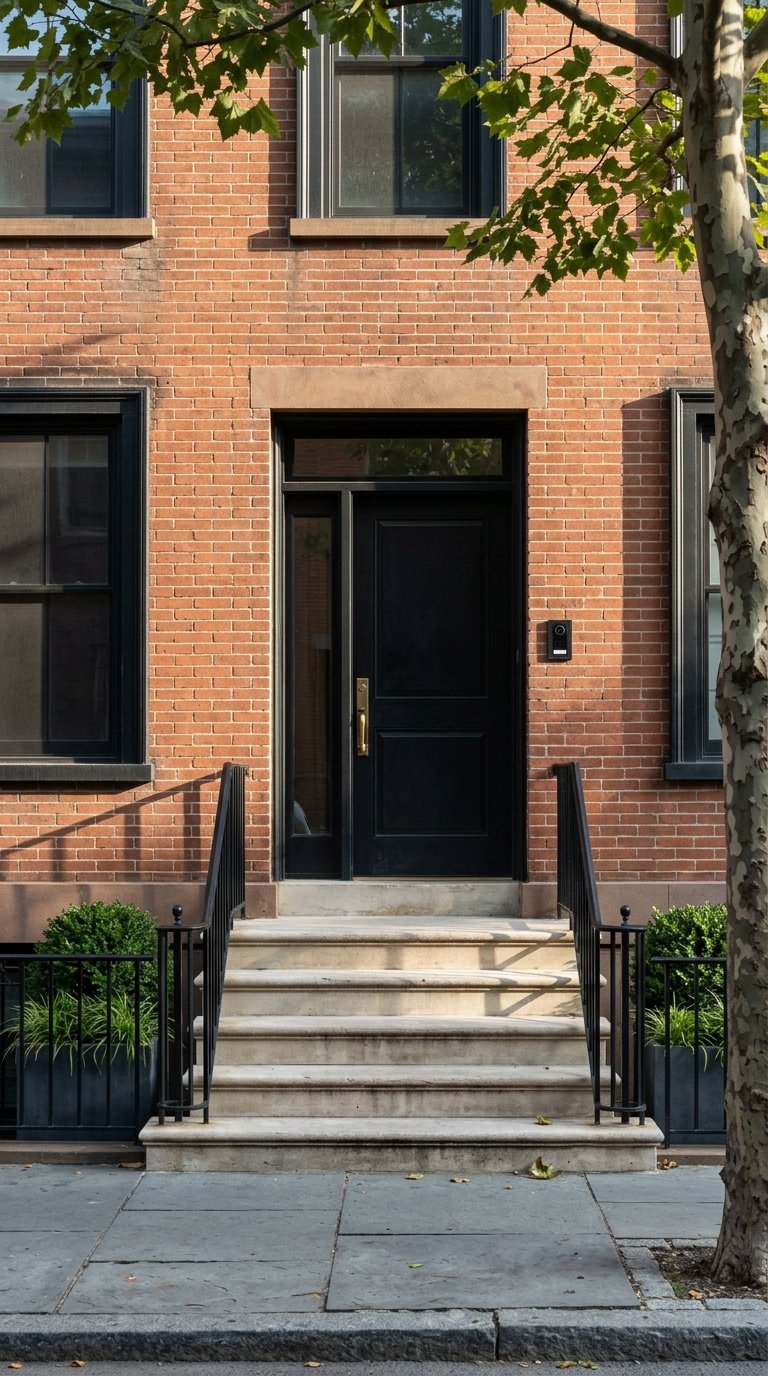
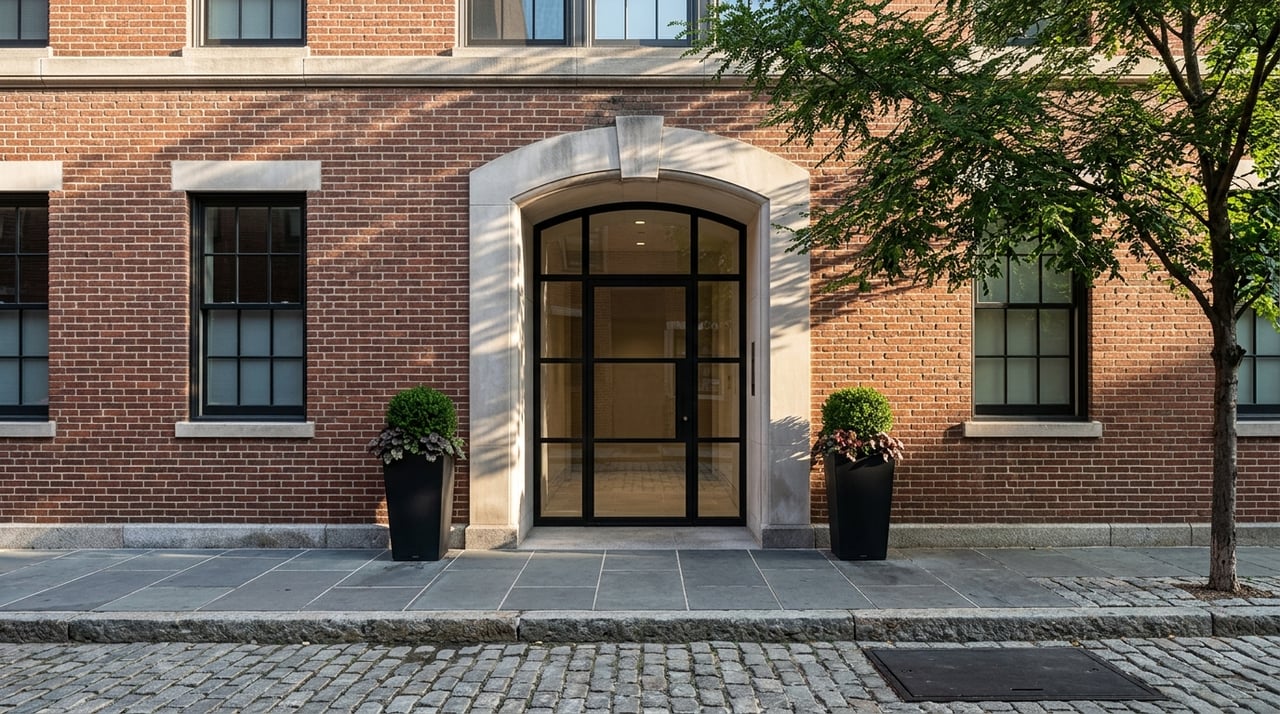
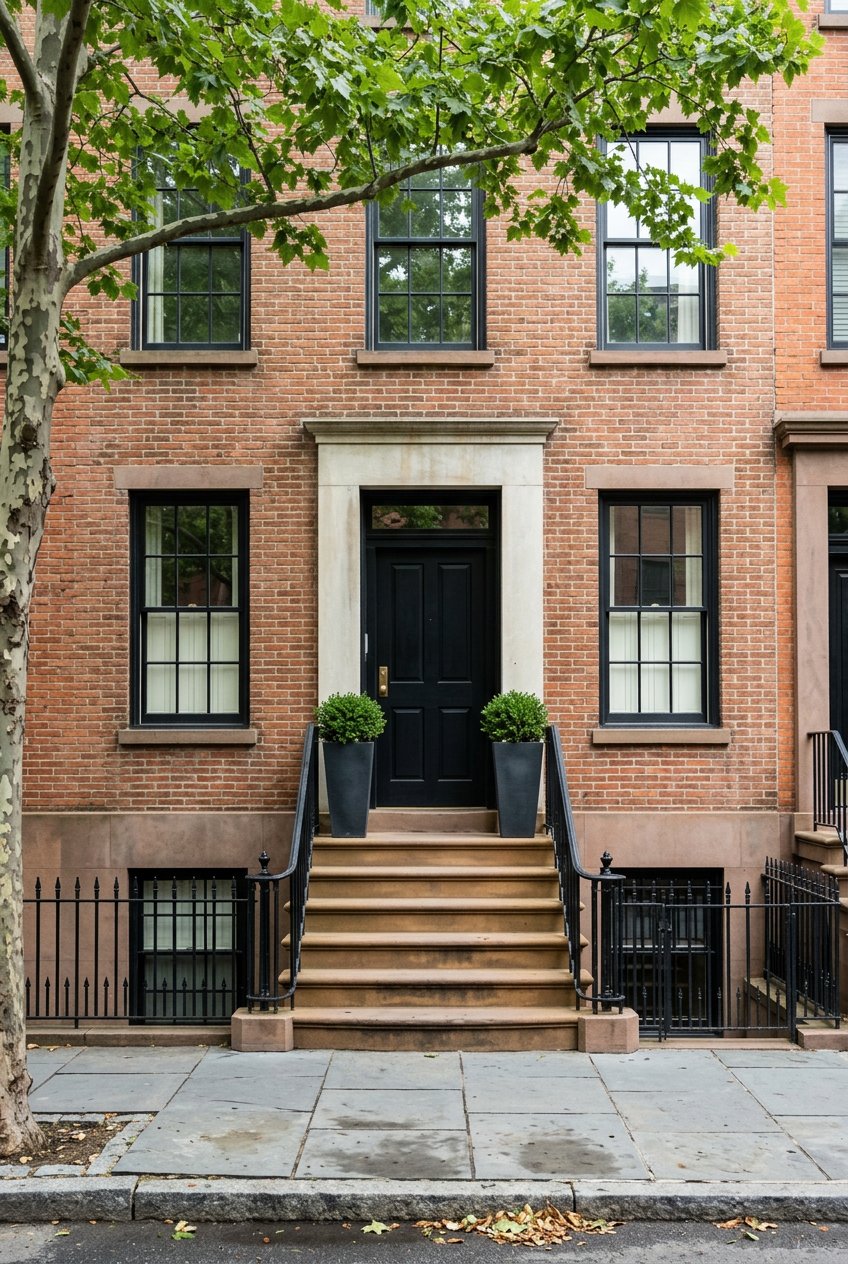
- Perry and Charles Streets: These blocks are excellent for noticing hardware, railings and door surrounds. Federal and Greek Revival row houses here show off red brick, painted lintels and rhythmic fenestration.
If you enjoy civic-scale ornament, add a quick stop at the Jefferson Market Library. The Victorian Gothic tower and carved stone are a striking counterpoint to the surrounding townhouses. The building began as a courthouse and is now a New York Public Library branch. See hours and background on the Jefferson Market Library.
Midday: Artists and adaptive reuse
11:30 White Columns and Westbeth
Walk west to pair two creative anchors. White Columns is a longstanding alternative art space known for highlighting emerging artists. Shows rotate, and the intimate scale means you can engage with work up close. Check the current program at White Columns.
A few blocks south, Westbeth is a live and work complex for artists and a standout example of industrial-to-creative reuse. The building hosts resident exhibitions and occasional open studios that let you see working interiors and process, not just finished pieces. Plan your visit via Westbeth’s info and location page.
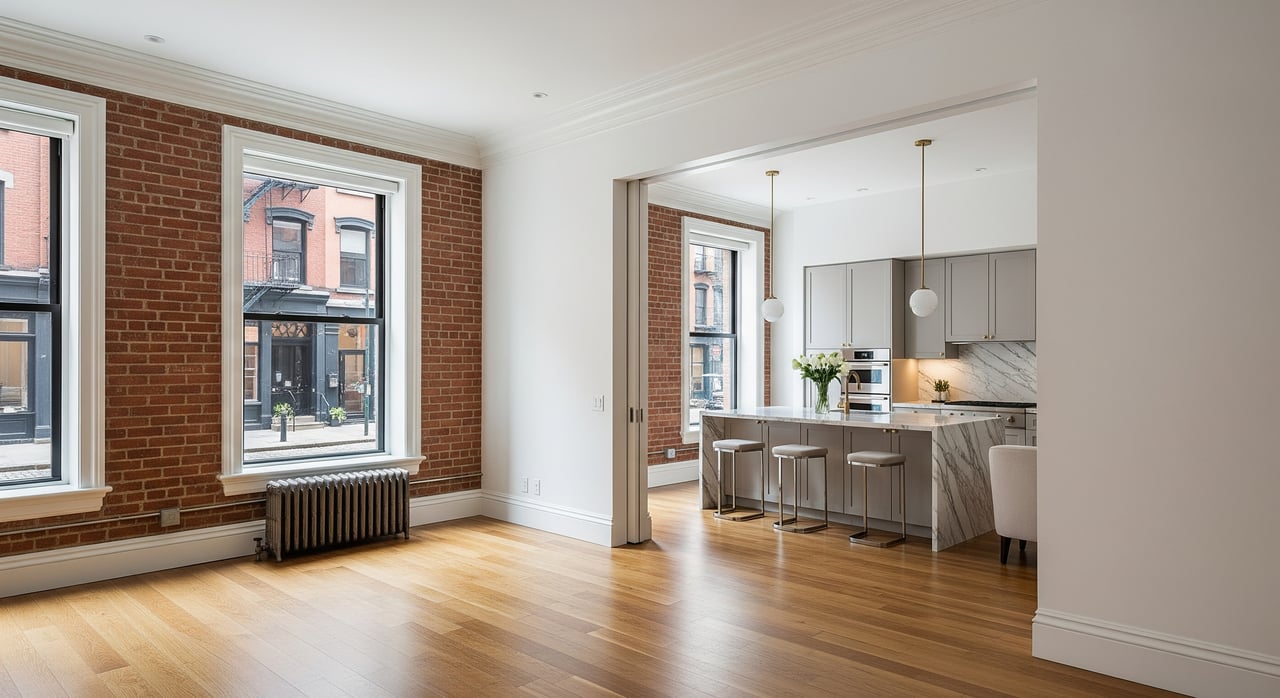
As you walk, notice how former industrial structures adapt to light, circulation and material in ways that differ from the surrounding row houses. It is a useful contrast if you are thinking about renovating a loft, or you simply love seeing how older frameworks meet current needs.
1:00 Lunch at Via Carota
Circle back toward Grove Street for lunch at Via Carota, a trattoria set with reclaimed wood, vintage chairs and layered tableware that feels warm and collected. Interiors are a study in patina, from worn edges to softly gleaming glass. It is popular, so plan for a wait or confirm booking windows. Preview the vibe and menu details here: Via Carota reviews and menu.
Afternoon: Scent, objects and a museum moment
2:30 Bleecker Street browsing
Spend an hour browsing Bleecker and nearby side streets for small design moments you can take home. Diptyque’s West Village perfumery presents scent as part of a home’s sensory palette and pairs it with a refined retail interior. See more about the shop via Timeout’s Diptyque guide. Then wander to nearby home and gift boutiques for tabletop, linens and lighting. LEO Design and small Hudson Street shops often mix vintage with new pieces, creating inspiration for bookshelf styling and entry table vignettes.
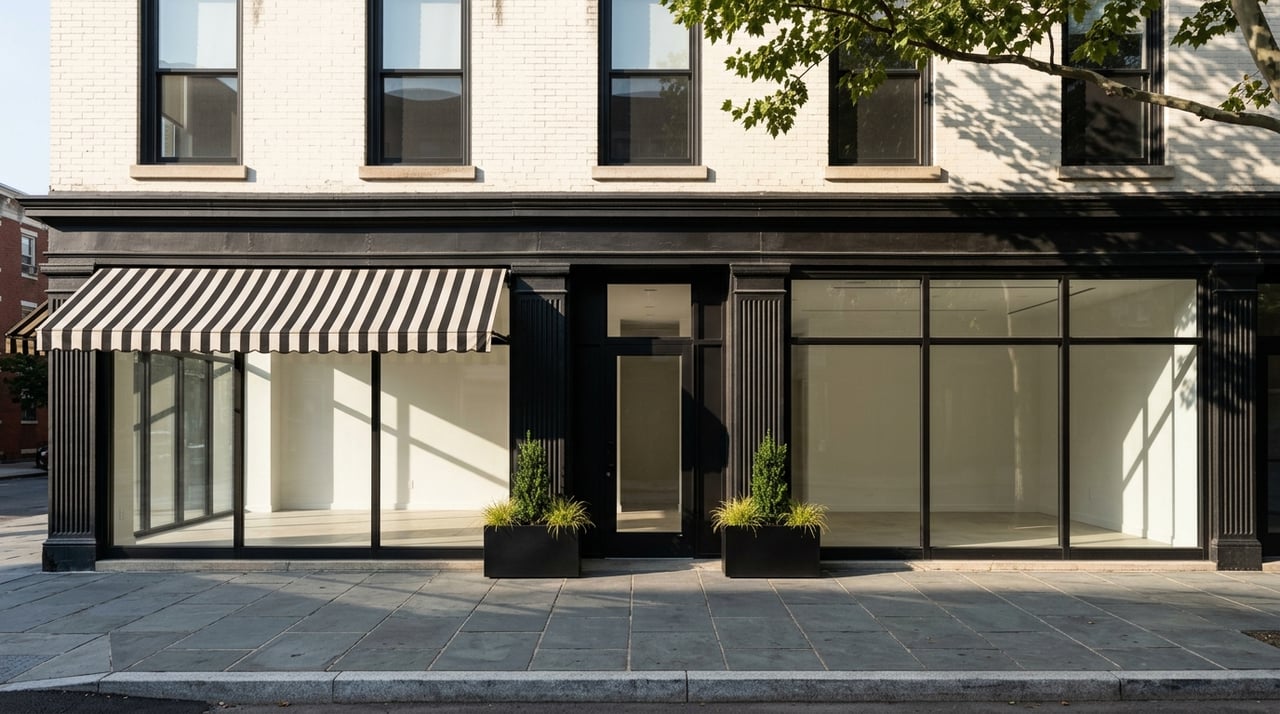
As you walk, photograph the best window displays. The West Village excels at scale: narrow façades, classic signage and window proportions that invite close looking.
4:00 Optional detour to the Whitney
If you want a dose of contemporary architecture, walk north to the Whitney Museum at Gansevoort. Renzo Piano’s building uses terraces and steel to frame city and river views, a nice counterpoint to the Village’s brick-and-stoop fabric. Plan your route with this Whitney Museum overview, then decide whether to browse the collection or simply enjoy the exterior and nearby streetscape.
Evening: Candlelight and reflection
6:30 Aperitivo or dinner
Settle into a design-forward room for a final pause. On a classic note, Sant Ambroeus in the West Village channels a European café atmosphere with refined fixtures and a polished pastry case. Order an aperitivo or a simple pasta and let the day sink in. Notice how warm light, small-scale seating and tactile finishes create intimacy, then think about how those choices translate at home.
Close your loop on Grove Street to see the evening glow on brick. The West Village rewards repeat visits, and light is part of the story here.
Why design lovers choose the West Village
The West Village stands apart for its preserved streetscape and human scale. Landmark protections help maintain low-rise blocks, irregular street patterns and a mix of Federal and Greek Revival row houses that showcase brickwork, ironwork and fine-grain detail. For historical context on preservation and the district’s boundaries, explore Village Preservation’s resources.
Two cultural landmarks add depth to a design stroll:
- Stonewall and Christopher Park: The Stonewall Inn and the park across the street are part of the Stonewall National Monument. Plaques, ironwork and the park’s layout ground a vital civil rights story in place. Learn more about the Stonewall National Monument.
- Jefferson Market Library: Victorian Gothic drama and adaptive reuse show a different scale of craft, from stained glass to carved stone. Revisit details at the Jefferson Market Library.
Together, these layers make the neighborhood feel intimate, storied and visually rich, without relying on height or spectacle.
Practical tips and access notes
- Getting there: The West 4 St–Washington Sq station (A, C, E, B, D, F, M) and Christopher St–Sheridan Sq (1) offer easy access. Check current service before you go; this guide to navigating New York transit is a helpful overview.
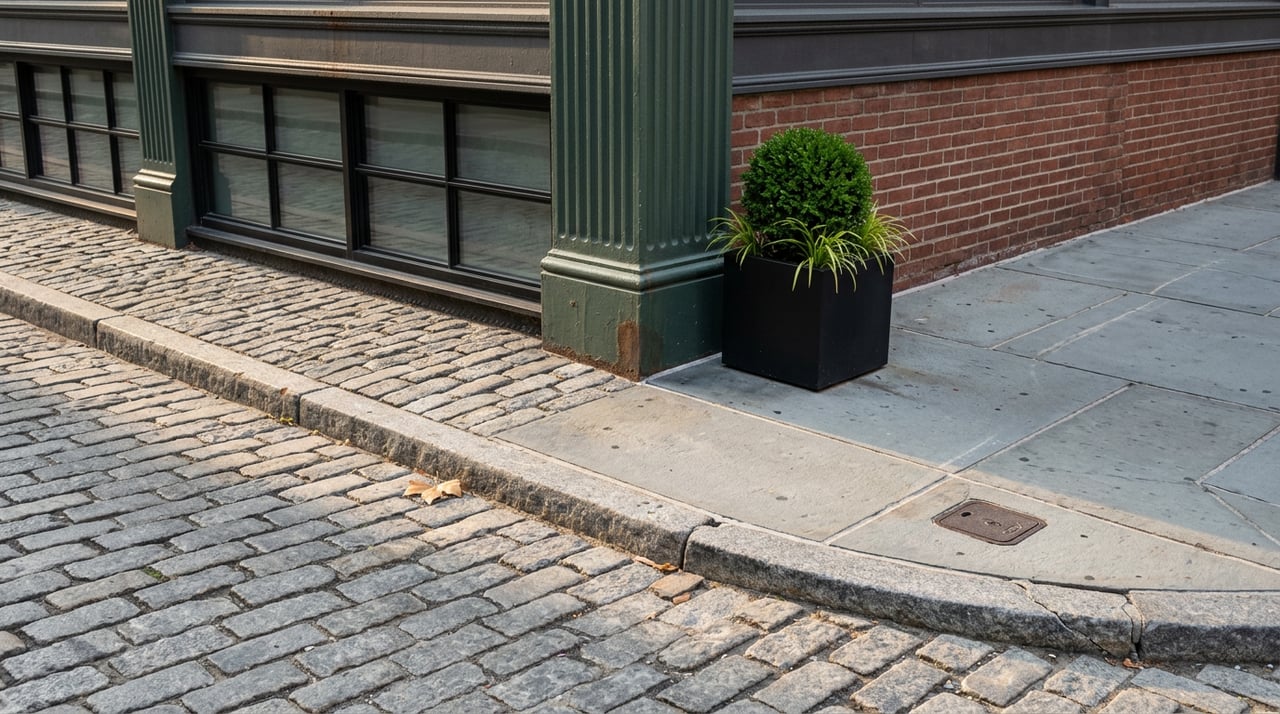
- Walking surfaces: Expect cobblestones, narrow sidewalks and stoops. Wear low, stable shoes and plan a slightly slower pace if you are photographing details.
- Courtyards and privacy: Grove Court is best viewed from the gate. Respect residents’ privacy when photographing stoops, windows or gated spaces.
- Gallery calendars: White Columns and Westbeth rotate exhibitions. Check schedules for open studios or special events.
- NYCxDESIGN: If you are visiting in May, the city’s annual design festival brings installations and programming that pair well with a West Village day. Build in time for pop-ups and talks.
Considering a home here?
If this neighborhood fits your eye, you are not alone. The West Village has a limited supply of historic townhouses, small co-ops and select condominiums, which drives strong demand. Neighborhood examples often place one-bedroom asking prices in the low-to-mid seven figures, with many two-bedrooms in the mid-to-high seven-figure range. Exact numbers vary by block, building type and whether a unit is co-op or condo.
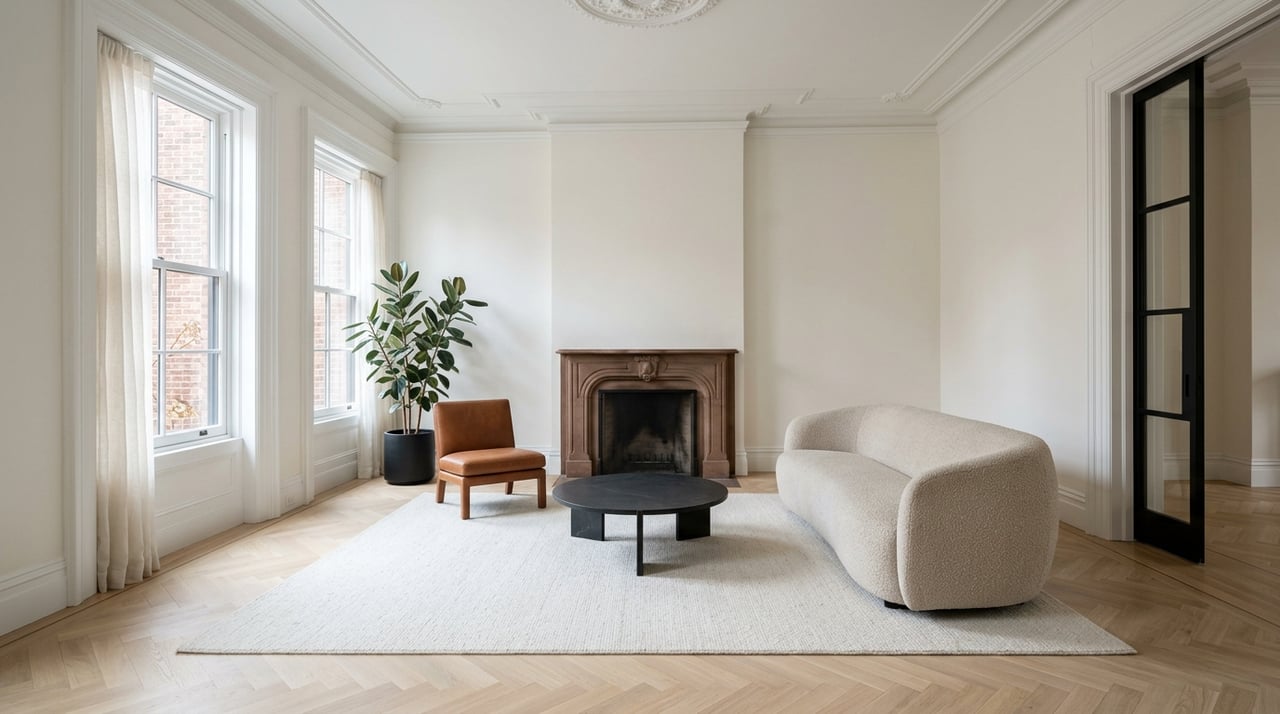
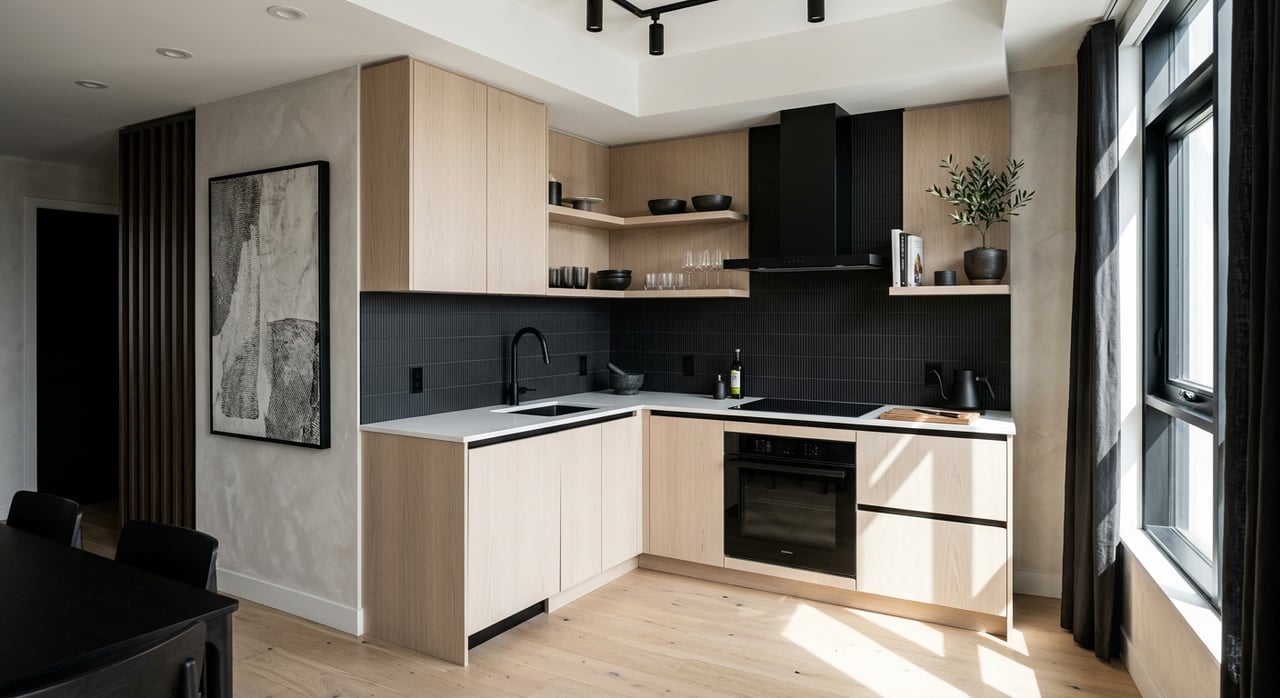
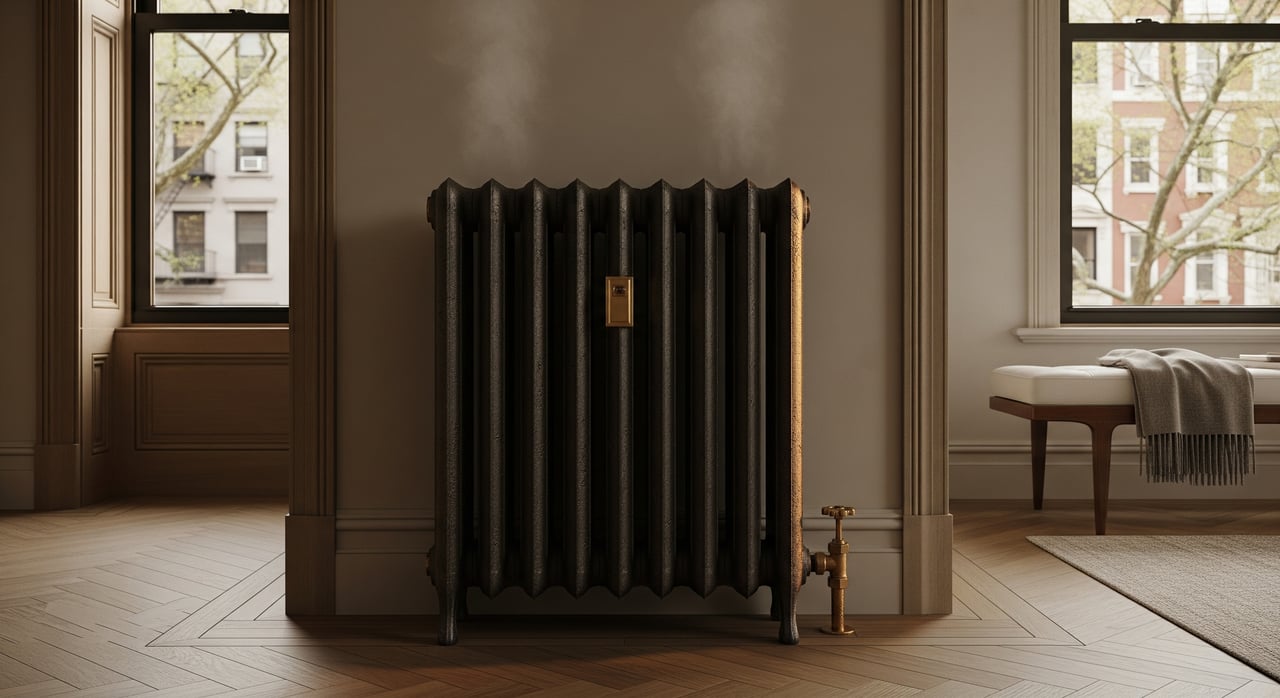
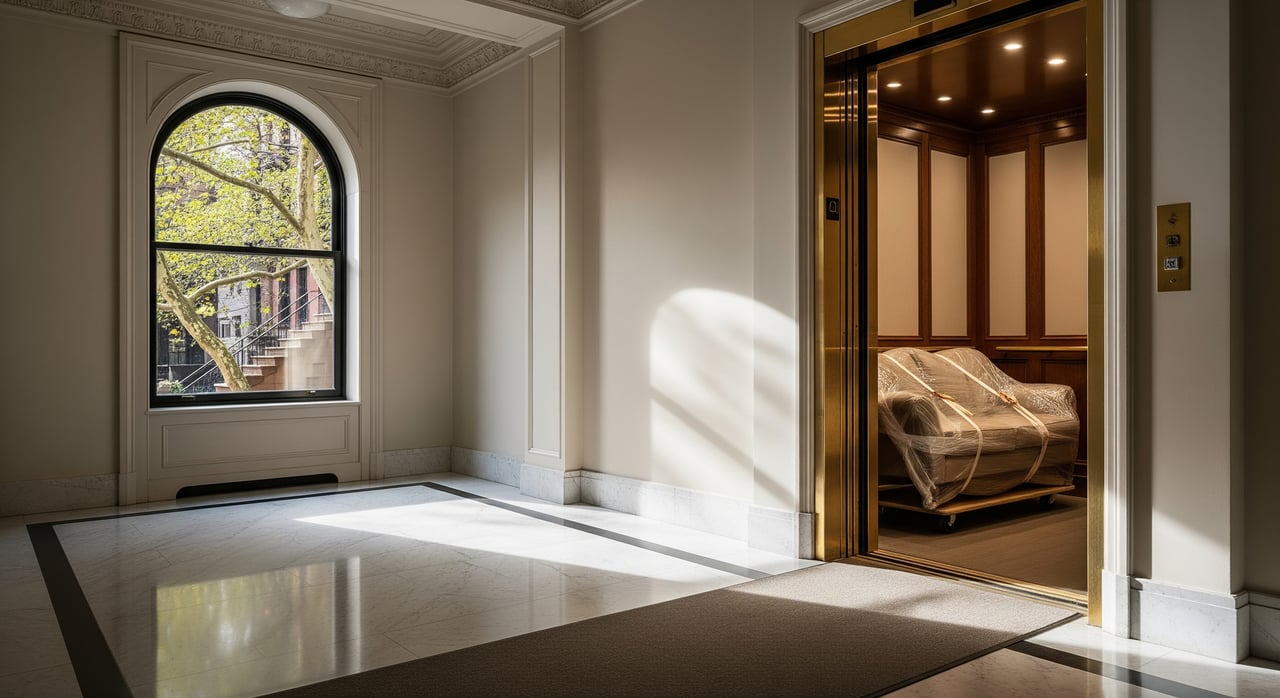
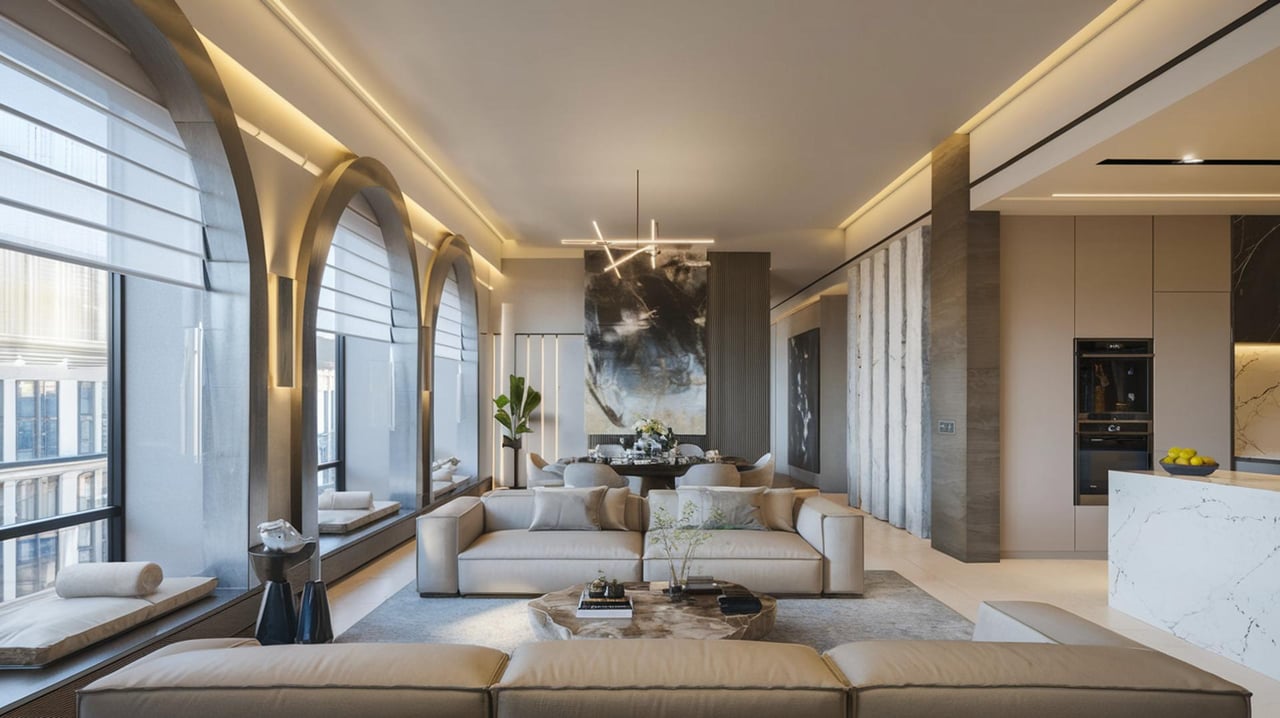
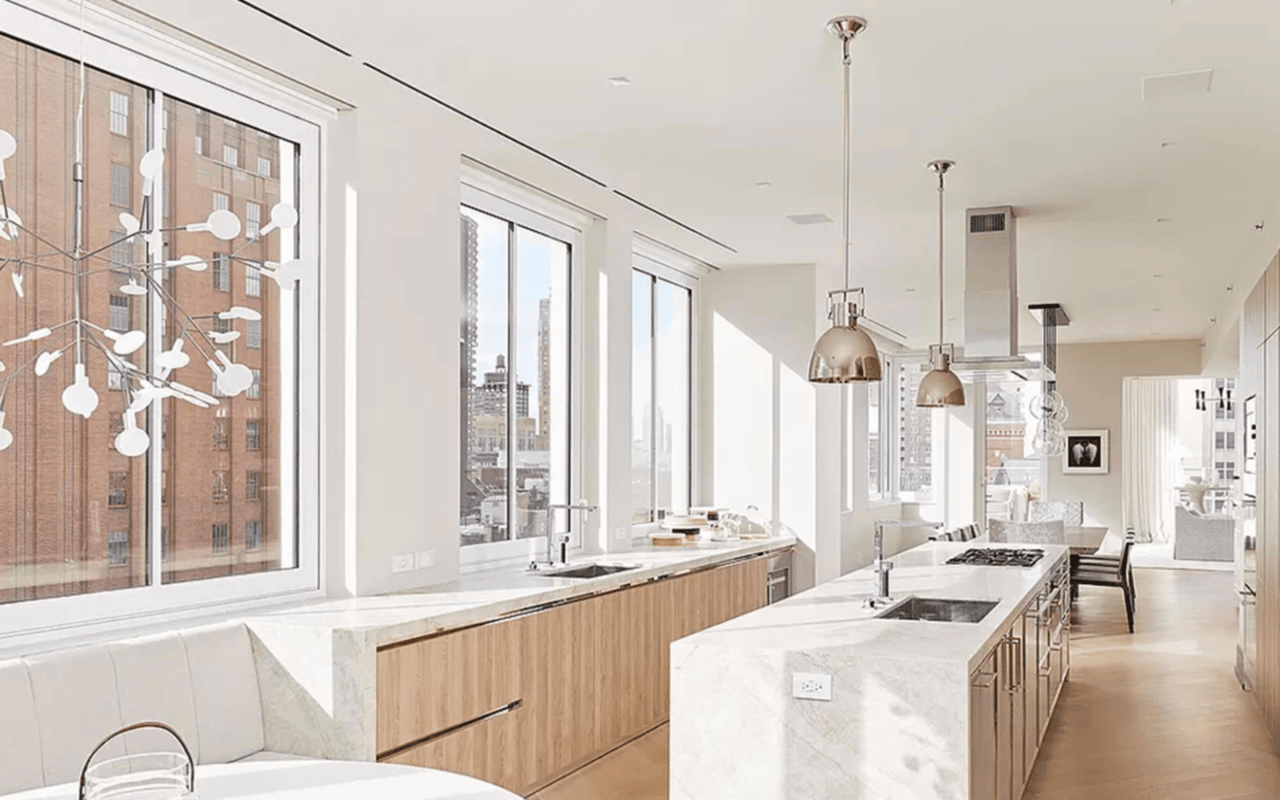
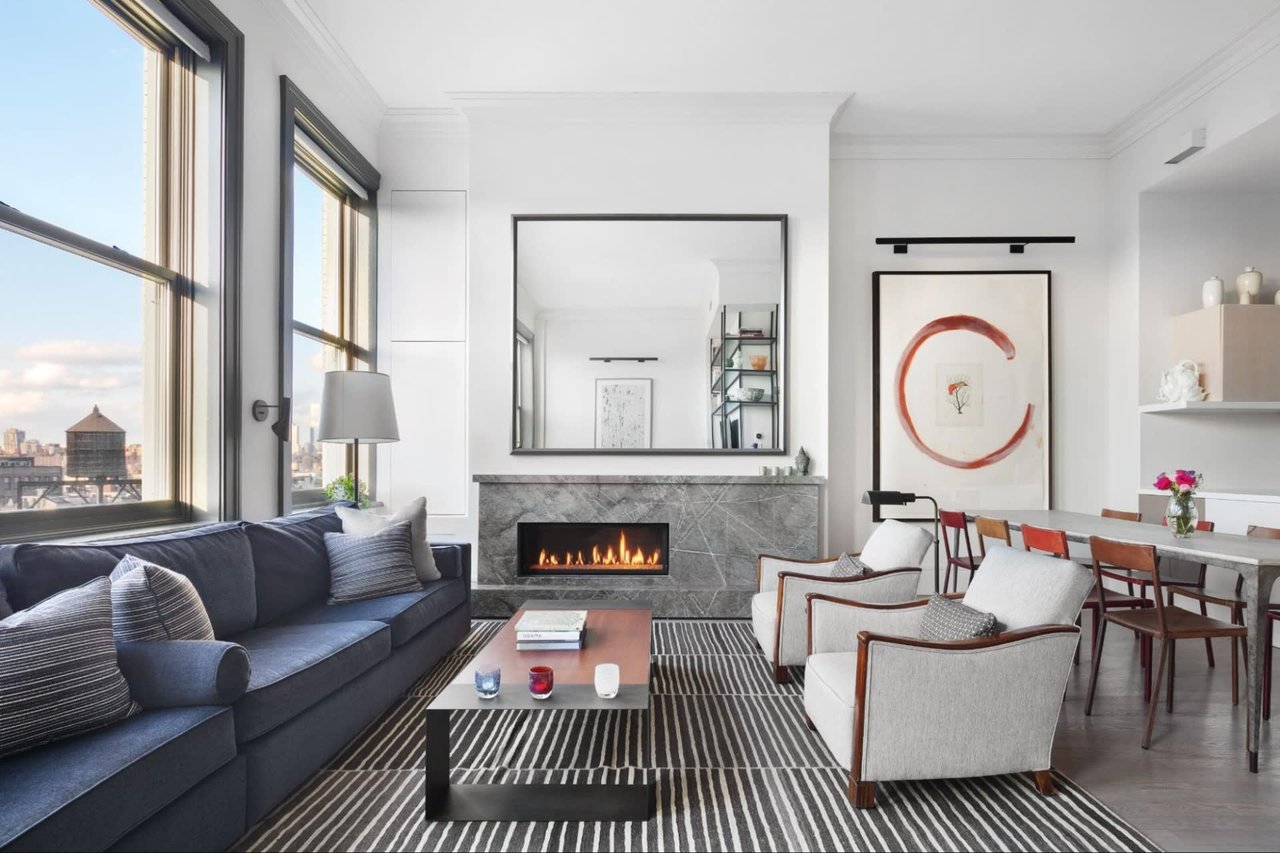
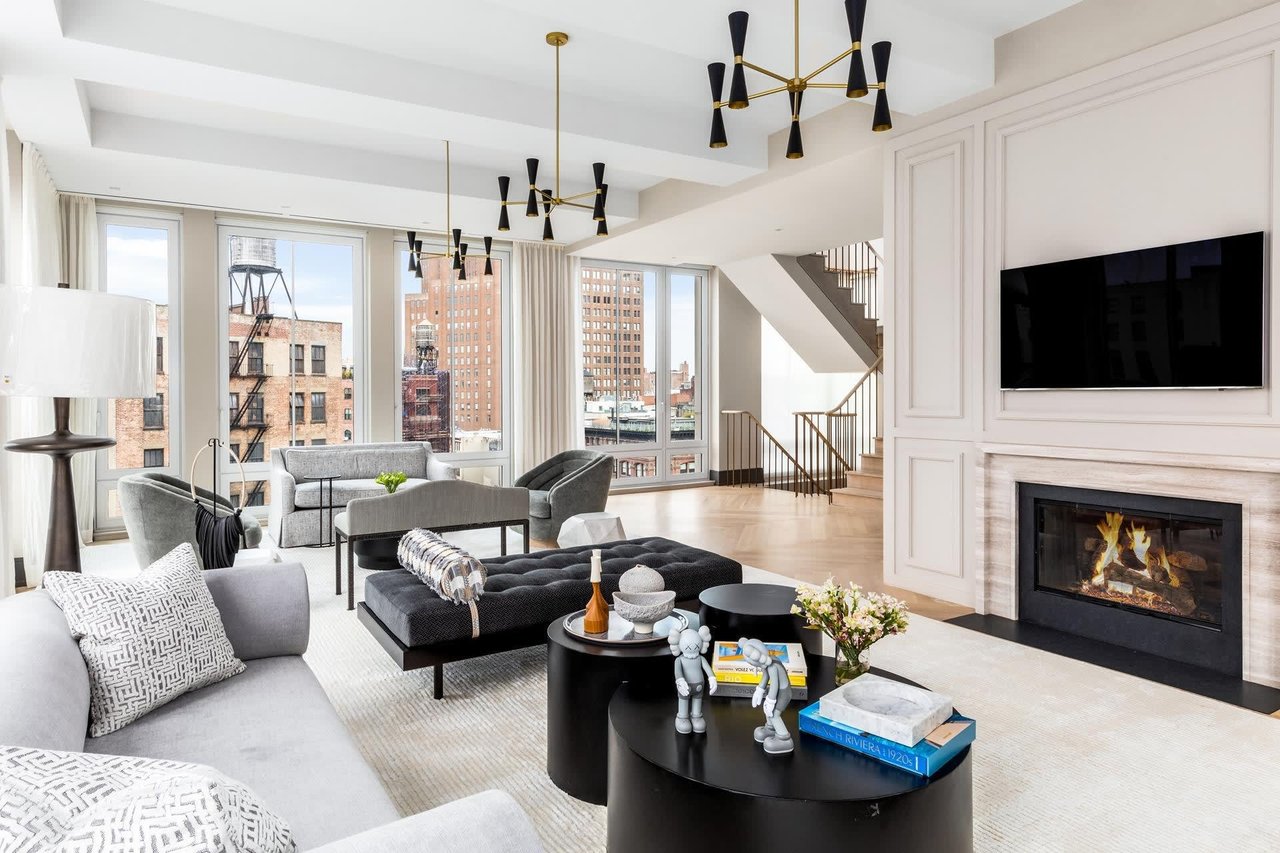
As you explore, think about how you like to live day to day. Do you prefer a townhouse conversion with classic windows and a wood-burning fireplace, or a renovated condo with a clean, gallery-like interior and modern systems? Approval processes and carrying costs differ between co-ops and condos, so it helps to have advisory-level guidance that aligns with your goals and timeline.
When you are ready to talk next steps, or if you want a private look at off-market options, connect with At the Firm for discreet, white-glove representation.
FAQs
What makes the West Village unique for design lovers?
- Landmark protections preserve low-rise 19th-century blocks, narrow winding streets and intimate mews, creating a textured, walkable environment rich in detail.
Which West Village streets are best for an architecture walk?
- Start with Grove Court from the gate, then follow Gay Street, Bedford Street, Perry Street and Charles Street for stoops, shutters, ironwork and brickwork.
Are West Village galleries and artist studios open to the public?
- White Columns runs rotating exhibitions and Westbeth hosts gallery shows, with occasional open studios; check each venue’s current schedule before visiting.
How accessible is a West Village design day for visitors with mobility needs?
- The area is walkable, but cobblestones, narrow sidewalks and stoops can be uneven; plan extra time, choose smoother routes and verify accessibility at each stop.
What should early-stage buyers know about West Village pricing and property types?
- Supply is limited and demand is strong; one-bedrooms often list in the low-to-mid seven figures and many two-bedrooms in the mid-to-high seven figures, across co-ops and condos.