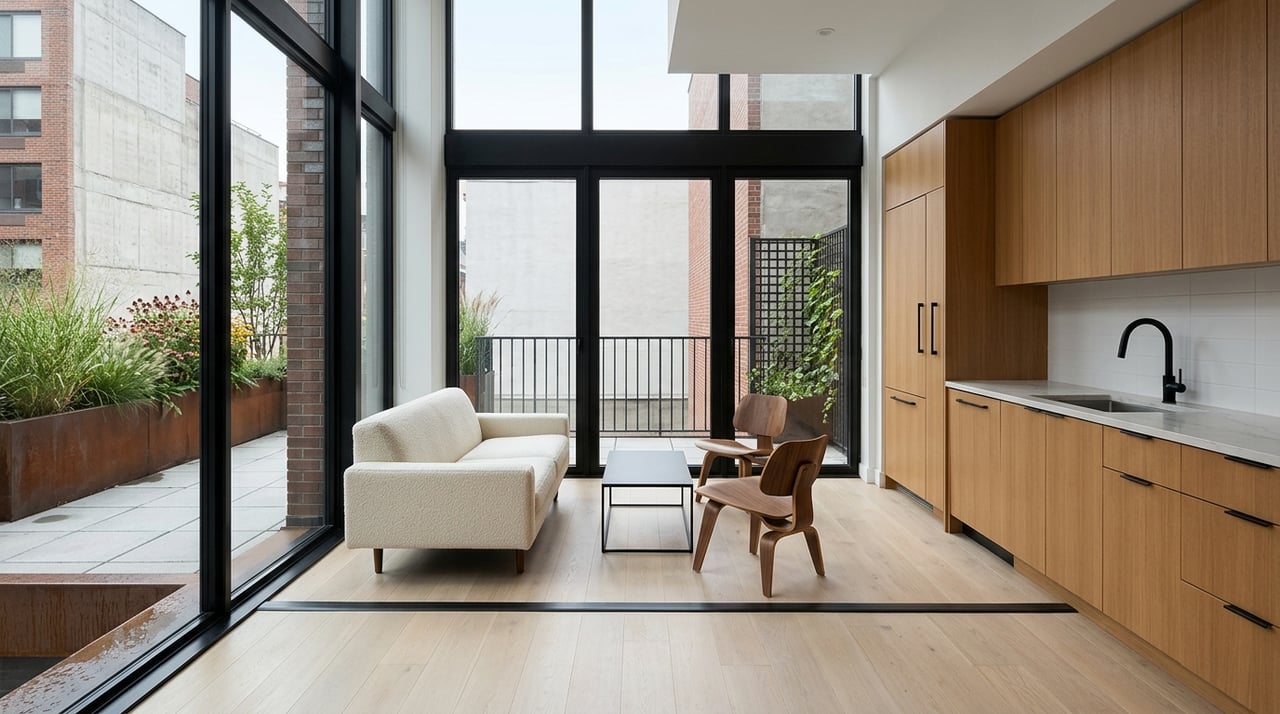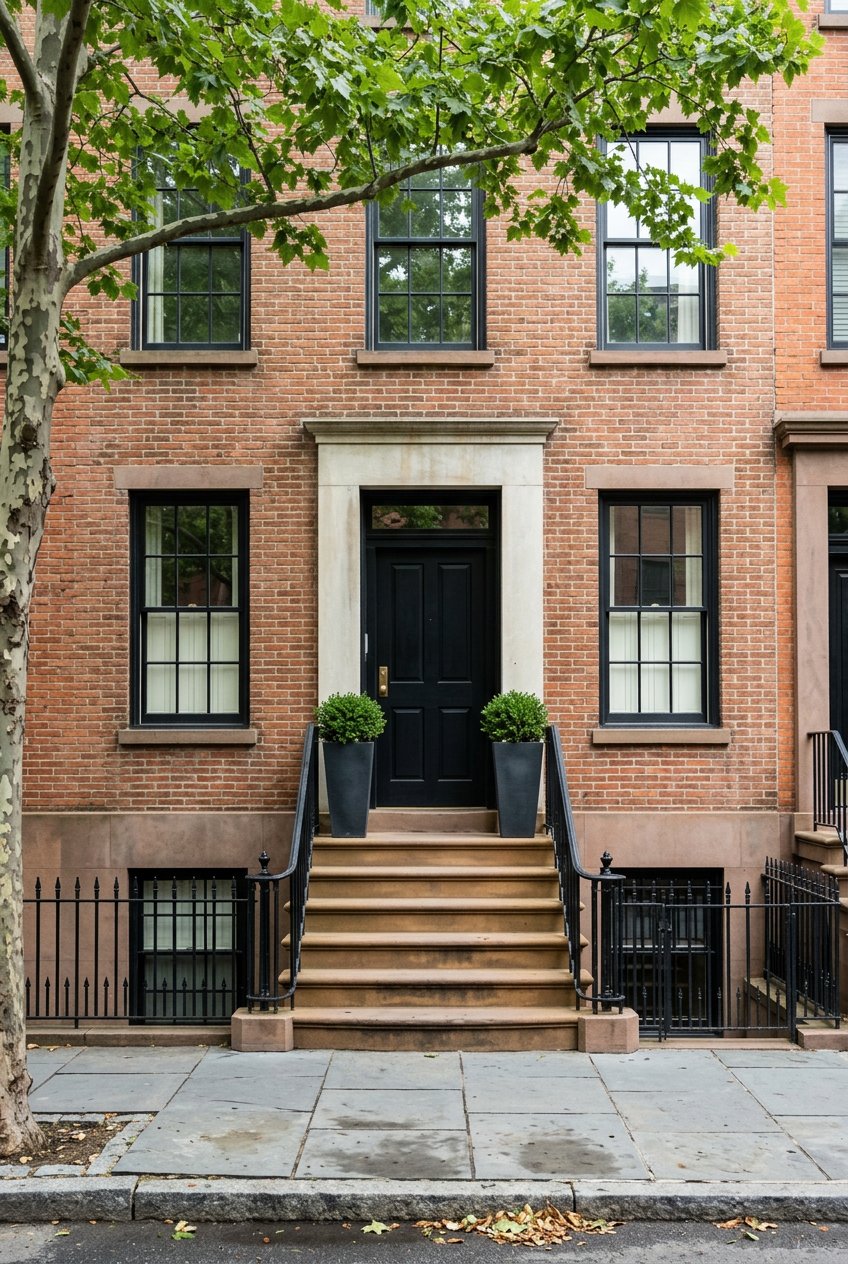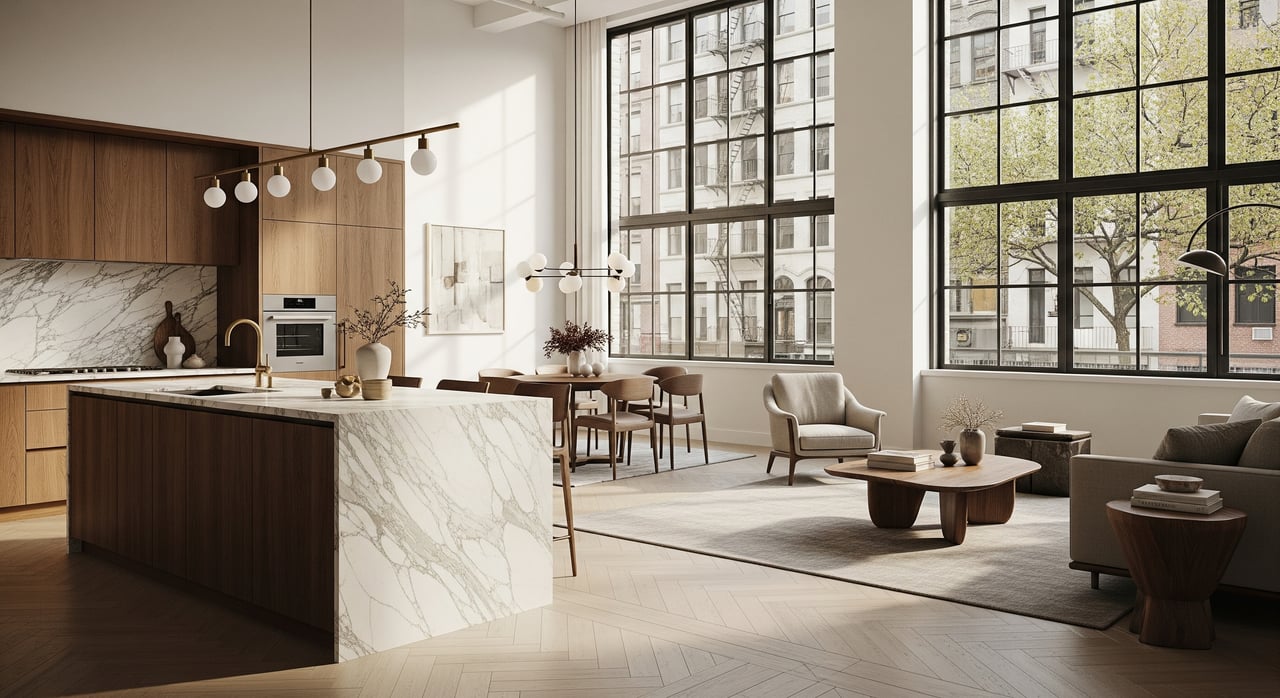
That sun-washed SoHo loft you love might not be a legal home yet. Between landmark rules, artist live/work histories, and building code requirements, conversions in SoHo demand careful planning. If you understand the legal status, what the recent Arts Fund ruling changed, and the true scope of building upgrades, you can buy with confidence. This guide gives you clear next steps, red flags, and a practical checklist tailored to SoHo. Let’s dive in.
SoHo loft features and constraints
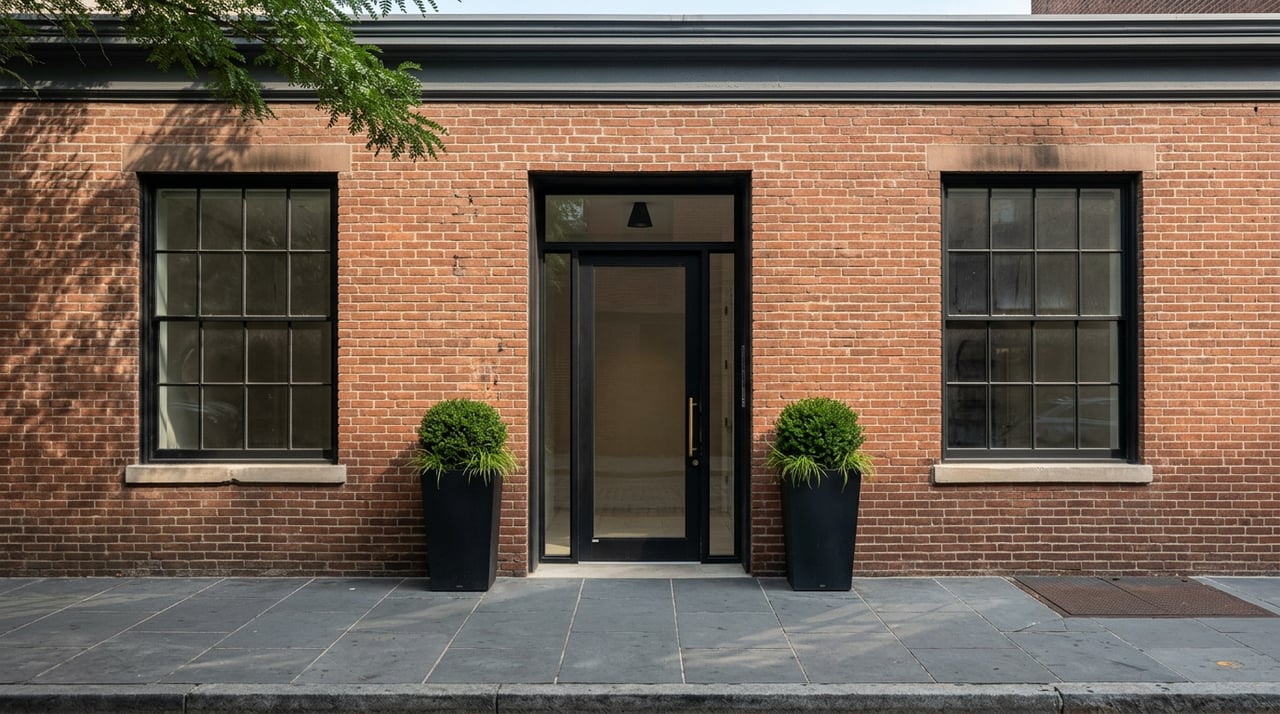
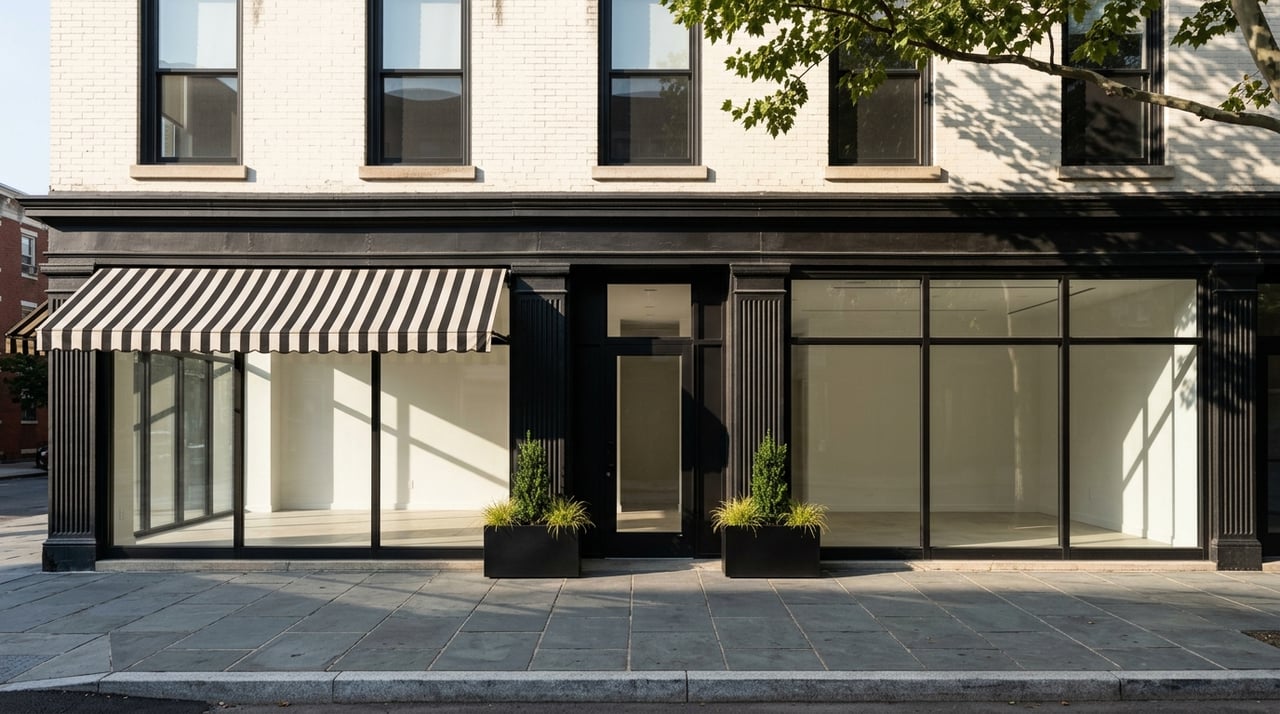
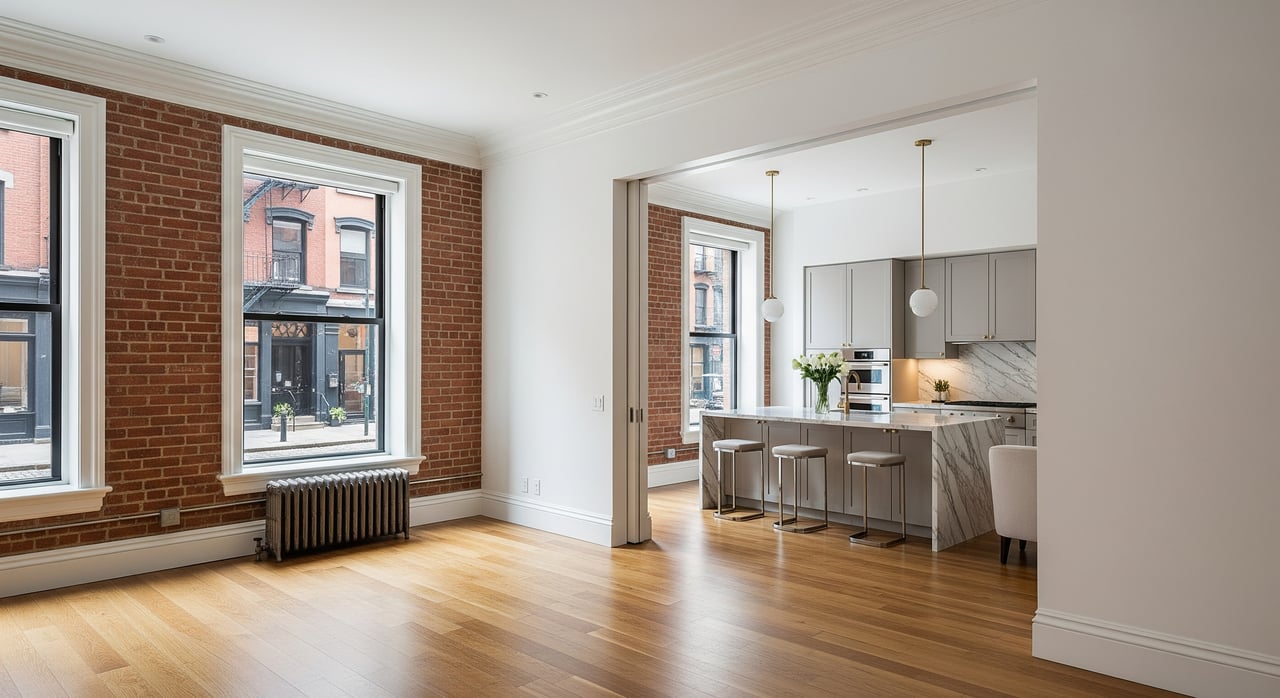
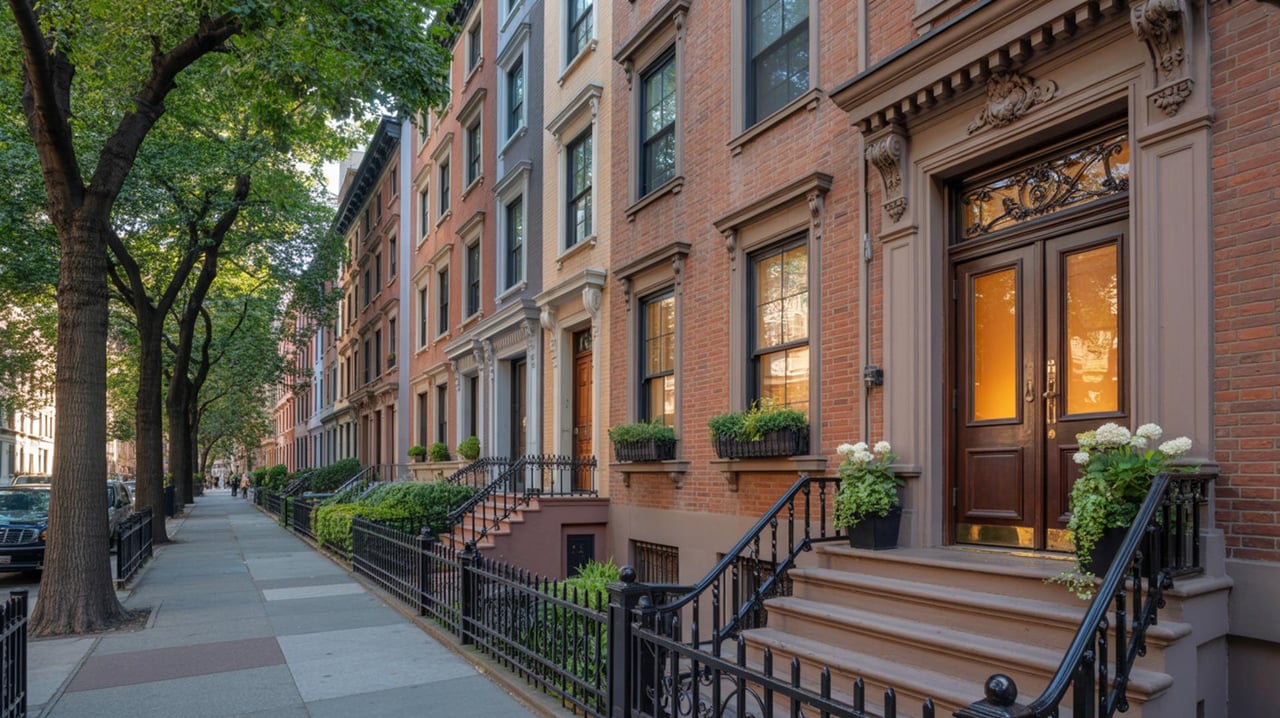
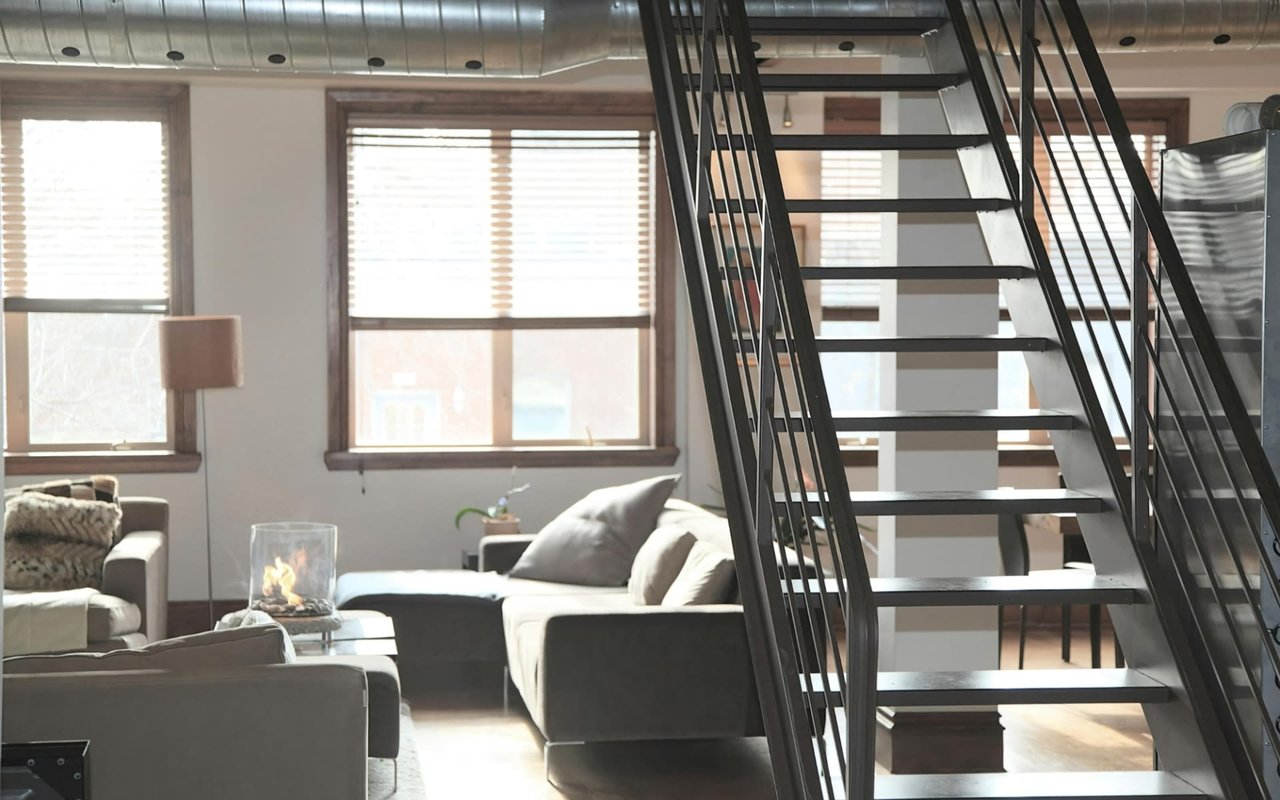
SoHo’s appeal starts with architecture. Many buildings sit in the SoHo–Cast Iron Historic District, known for cast-iron facades, tall window bays, and expansive floor plates. These features are why loft living feels dramatic and open, and they also shape what you can change on the exterior. To understand what is protected and why, review the Landmarks Commission’s SoHo–Cast Iron Historic District designation report, which outlines the district’s character and significance in detail. You can find it in the Landmarks archive of the SoHo–Cast Iron Historic District designation report.
Because so much of SoHo is landmarked, most exterior work needs approval. Window replacements, storefront changes, and visible rooftop equipment often require a permit or a staff-level sign-off from the Landmarks Preservation Commission. Before you plan any exterior adjustments, check LPC’s permit and applications portal to understand what is allowed and how to apply.
The legal map: Loft Law, JLWQA, Arts Fund
Many SoHo lofts began as commercial or manufacturing floors that people later used as homes. New York’s Loft Law created a path to legalize certain spaces and set up the NYC Loft Board to oversee that process. If a building is an IMD (interim multiple dwelling) under the Loft Law, it comes with specific filings, timetables, and rights that affect financing, renovations, and resale. Start by learning the basics from the NYC Loft Board’s overview of the Loft Law and Loft Board.
Some SoHo units were designated for Joint Live-Work Quarters for Artists (JLWQA). The Special SoHo–NoHo rezoning introduced a conversion path for qualifying JLWQA units to become standard residential units. That path generally involves City Planning Commission certification and a one-time contribution to the Arts Fund, along with physical work to meet residential code and secure a Certificate of Occupancy. For the step-by-step framework, read the DOB’s guidance on converting JLWQA units under the SoHo/NoHo rules.
The Arts Fund conversion fee was challenged in court. On January 13, 2026, the New York Court of Appeals issued its controlling decision in Matter of Coalition for Fairness in SoHo & Noho, Inc. v. City of New York. The Court held that the fee, as designed in ZR § 143-13, is not a compensable taking that requires just compensation under the Fifth Amendment. You can review the opinion here: New York Court of Appeals decision, Jan. 13, 2026. For buyers, this reduces legal uncertainty around whether a conversion will trigger an unconstitutional fee, but you still need to confirm whether your specific unit is subject to the conversion payment and CPC certification.
Required approvals: DOB, HPD and LPC
Large conversion work often requires more than a standard building permit. In certain buildings, you or the owner may need a Certification of No Harassment (CONH) from HPD before the Department of Buildings will approve a change of use. Review HPD’s program details and eligibility on the Certification of No Harassment page.
Because of SoHo’s landmark status, expect LPC review for exterior changes or visible rooftop equipment. Use the LPC applications portal early to map out timelines. Pair this with a review of DOB records to see prior filings, any Temporary Certificates of Occupancy, and open violations that could slow conversion work.
Building systems: what you inherit
The loft look often hides complex infrastructure realities. Older manufacturing floors were not designed with today’s residential plumbing, ventilation, or electrical demands. Buyers commonly encounter:
- Limited or missing vertical plumbing chases for new bathrooms or kitchens.
- Undersized electrical service that needs upgrading.
- Central steam or legacy systems that constrain HVAC choices.
- Crowded rooftops or limited shaft space that affect condensers and ductwork.
Acoustics also matter. Exposed timber and long-span joists can transmit both airborne and impact sound more readily than modern assemblies. Field and lab studies show unmodified timber-joist floors can start with low baseline ratings, which is why many open lofts need acoustic upgrades. You can explore typical performance issues in conference literature that surveys timber/loft assemblies here: loft-style acoustic testing overview. New York City’s code includes minimum sound transmission standards for multi-family buildings, set out in BC Section 1207 and related local laws. See the city’s publication of Local Law 8 of 2008 for context on sound control provisions.
Life safety, egress and sprinklers
Converting a former manufacturing or artist space to legal residential use often triggers comprehensive life safety upgrades. Expect requirements for sprinklers, smoke detection and alarms, rated stair enclosures, and code-compliant egress capacity. Roof exits and stair modifications can be among the most complex and costly parts of a project, especially if any portion touches the exterior and therefore requires LPC review. Plan for this category early, since no Certificate of Occupancy is issued without code-compliant life safety systems.
Ownership structure: co-op, condo and condop
Your closing process and renovation approvals will vary by building type. Co-ops typically require board approval for buyers and for substantial interior alterations. Condos usually have lighter approvals but can still limit construction hours, mandate deposits, or set rules on noisy work. Condops combine condo ownership of the building with a co-op that governs the residential portion, which can add layers to renovation sign-offs and fees. For a practical overview of how ownership structures shape buyer obligations and approvals, see this market primer on co-op vs. condo vs. condop considerations.
Financing and insurance: what lenders check
Lenders and insurers look closely at legality and risk. A unit without a residential Certificate of Occupancy can face stricter underwriting or be ineligible with some banks. Expect review of DOB and HPD violation records, Loft Board or IMD status, and any open enforcement matters. Title and building-level encumbrances, such as open judgments or liens, must be cleared before closing. If a conversion is midstream, some lenders will require a clear plan, escrow, or milestones tied to legalization.
Due diligence checklist for SoHo loft buyers
Use this list before you waive contingencies or finalize price:
- Certificate of Occupancy: Confirm the unit is listed as residential. If not, ask why and request DOB filings, sign-offs, and any TCO.
- Loft Law/IMD status: Ask for Loft Board registration numbers, owner work plans, and any Loft Board orders or decisions affecting the unit.
- JLWQA conversion path: Determine if the SoHo/NoHo conversion procedure (ZR § 143-13) applies. If yes, confirm whether CPC certification and the Arts Fund payment are triggered for this unit.
- CONH: Ask whether HPD’s Certification of No Harassment is required and, if so, whether an application has been approved or denied.
- LPC: Request the building’s LPC permit history and confirm there are no unresolved landmark violations that would block necessary exterior or rooftop work.
- Violations: Pull DOB, HPD, and ECB records for open violations or stop-work orders.
- Building financials and rules: For co-ops, review board minutes, proprietary lease, financials, and reserve studies. For condos/condops, review bylaws, declaration, recent financials, and pending assessments. Note sublet policies and renovation windows.
- Structural and MEP capacity: Verify vertical risers, electrical service size, heating system type, elevator and roof capacity for mechanical equipment.
- Acoustic baseline: Ask an acoustical consultant whether the existing floor/ceiling can meet code and comfort targets without major work.
Red flags that should pause a deal
- No residential CO and no credible plan or timeline for legalization.
- Extensive unresolved DOB, HPD, or LPC enforcement actions.
- Evidence of harassment proceedings or Loft Board disputes.
- Building financials with low reserves and looming major facade or roof expenses.
- Seller refusal to allow access for a structural or MEP inspection.
Renovation planning: scope and cost drivers
Plan for both code and lifestyle upgrades. The most common cost drivers include:
- Life safety: sprinklers, alarms, rated doors and stair enclosures.
- Plumbing and electrical: new or relocated stacks, service upgrades, panel capacity.
- HVAC strategy: ducted systems, heat pumps, or minisplits, plus condenser placement that may require DOB and LPC approval.
- Windows and envelopes: repair or like-kind replacement where permitted in the historic district, often with custom metalwork and LPC review.
- Acoustics: resilient underlayments, decoupled ceilings, added mass and insulation to meet code and comfort targets.
Each category can also add professional fees for architecture, engineering, preservation, and expediting. Avoid square-foot cost guesswork. A short pre-offer consultation with a loft-experienced architect or contractor can calibrate scope and timeline for your specific unit.
Who to hire and when
Consider assembling this team during diligence:
- Architect experienced with SoHo lofts and landmarks.
- Structural engineer and MEP consultant.
- Historic preservation architect for LPC strategy.
- Licensed inspector who understands loft systems and fire safety.
- Acoustical consultant to set realistic sound targets.
- Real estate attorney to review CO status, title, Loft Board filings, and any conversion obligations.
- Expeditor for DOB, LPC, and HPD workflow.
Early coordination among these professionals prevents surprises and helps you negotiate credits or timing at contract.
Offer strategy for SoHo conversions
A strong offer on a loft with conversion or legalization questions does three things:
Documents the unit’s legal path. Confirm whether it is already residential, an IMD under the Loft Law, or a JLWQA unit that needs CPC certification and an Arts Fund payment.
Prices the work. Use preliminary scopes from your architect and engineer to reflect required life safety, MEP, acoustic, and LPC-driven exterior items in your offer.
Sets milestones. Tie parts of the purchase price, post-closing reserves, or renovation access to permit approvals and key DOB/LPC sign-offs.
If you move with this level of clarity, you can secure the character you want without inheriting avoidable risk.
Ready to evaluate a specific loft or map a conversion plan with discretion and speed? Request a private consultation with At the Firm and our downtown team will guide you step by step.
FAQs
What is a JLWQA unit in SoHo and how do I convert it?
- JLWQA stands for Joint Live-Work Quarters for Artists; under the SoHo/NoHo rules, certain units can convert to standard residential with City Planning certification, an Arts Fund contribution when applicable, and construction to meet code and obtain a CO; see DOB’s guide to converting JLWQA units for details.
Is the SoHo Arts Fund conversion fee enforceable in 2026?
- Yes. On January 13, 2026, the New York Court of Appeals held the fee is not a compensable taking under the Fifth Amendment; your attorney should still confirm whether your unit is subject to the fee and what certification steps apply.
How do I check if a SoHo loft has a legal residential CO?
- Ask the seller for the Certificate of Occupancy and DOB filing history, including any Temporary CO; if residential use is not listed, request an explanation and assess the path to legalization with your architect and attorney.
Do I need LPC approval to change windows in SoHo?
- In most landmarked buildings, yes; many window changes require LPC permits or staff-level approvals, so confirm scope and timelines before ordering custom units.
Why are some SoHo lofts noisy and can that be fixed?
- Open timber and long-span joists often have low baseline STC/IIC performance; with resilient underlayments, decoupled ceilings, and added mass, you can meet code and improve comfort, but plan for this work during design.