If you are considering life along the High Line, you are not just choosing a Chelsea address. You are choosing a very specific slice of downtown Manhattan where architecture, art, park access, and street activity all meet in a compact stretch of West Chelsea. For some buyers, that mix feels energizing and rare. For others, it raises important questions about privacy, noise, and day-to-day comfort. This guide will help you understand what living here really feels like, what tradeoffs come with the location, and how to think about fit before you buy. Let’s dive in.
West Chelsea in Context
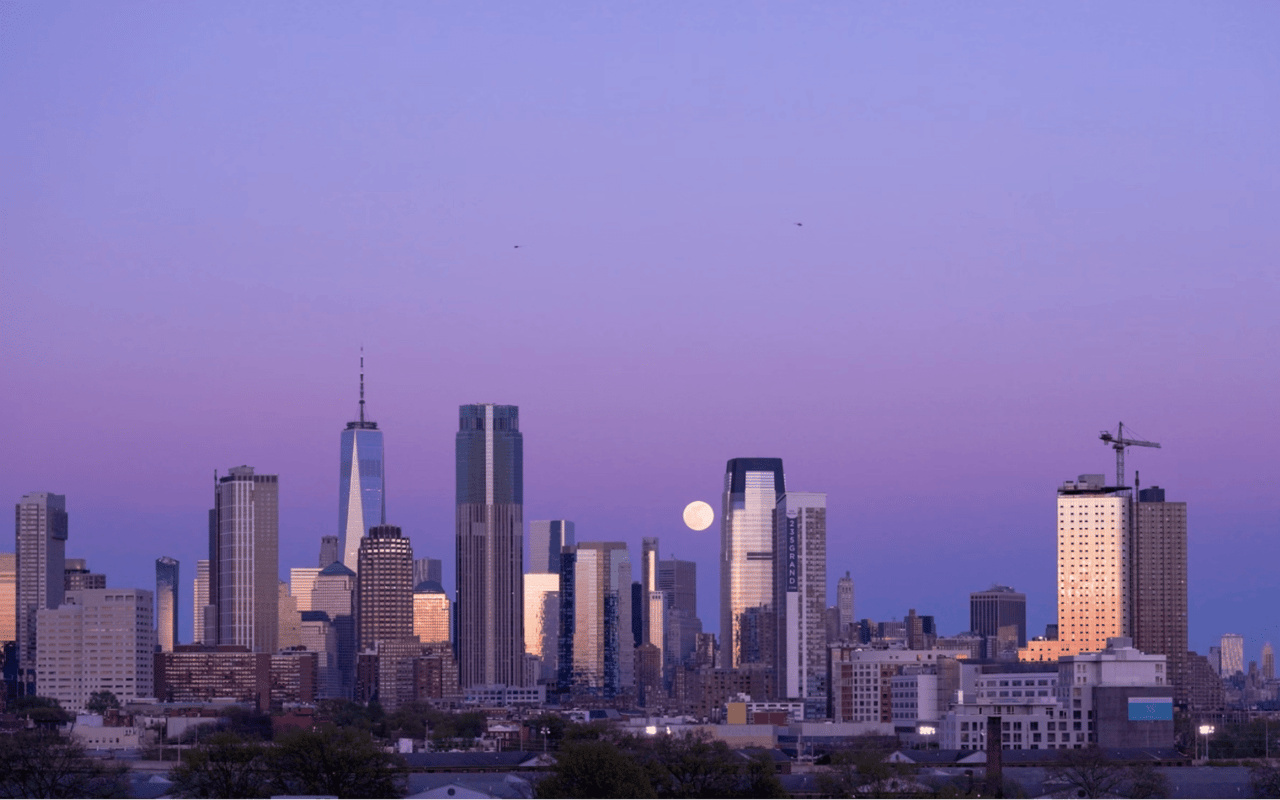
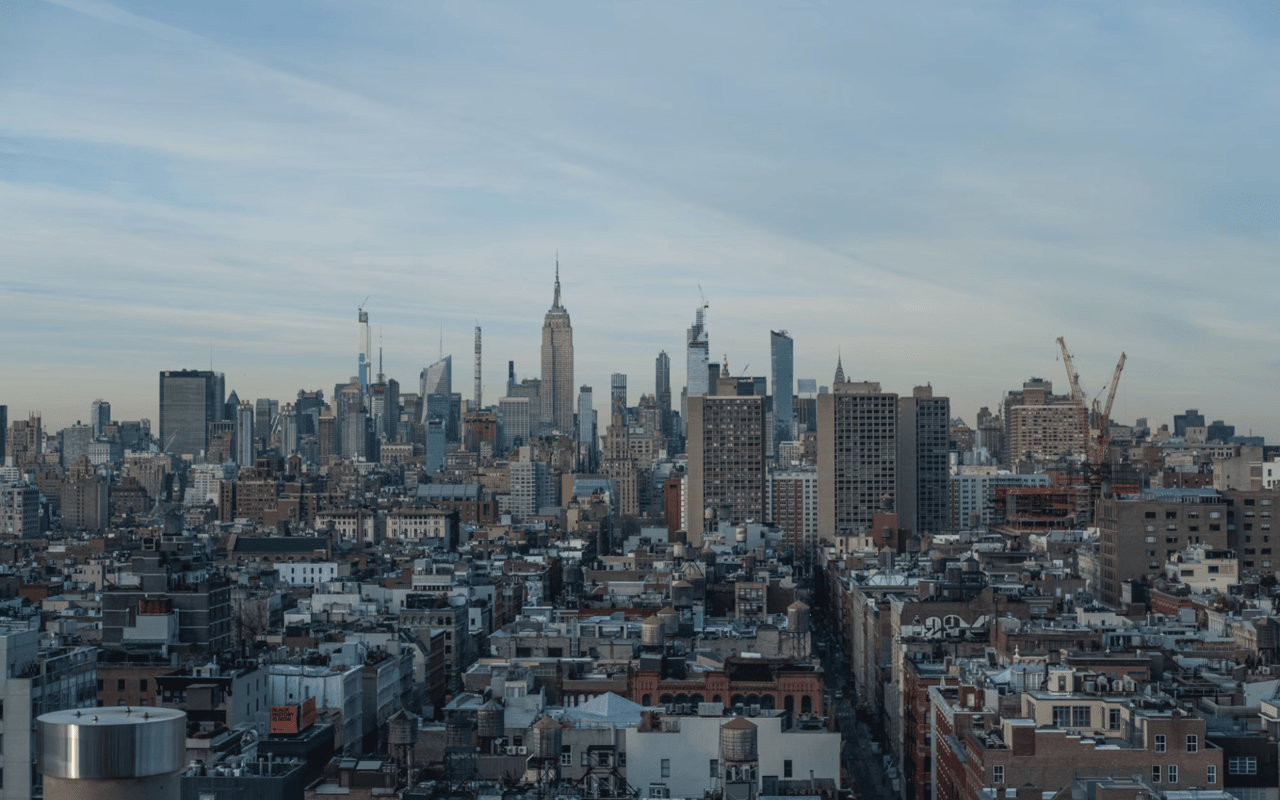
West Chelsea is a distinct micro-location shaped by the High Line, the Hudson River edge, Hudson Yards to the north, and the Meatpacking District to the south. According to a NYC Planning summary of West Chelsea, the study area runs roughly from West 14th to West 29th Streets and from Tenth to Twelfth Avenues, with more than 5,500 residents across about 4,400 housing units.
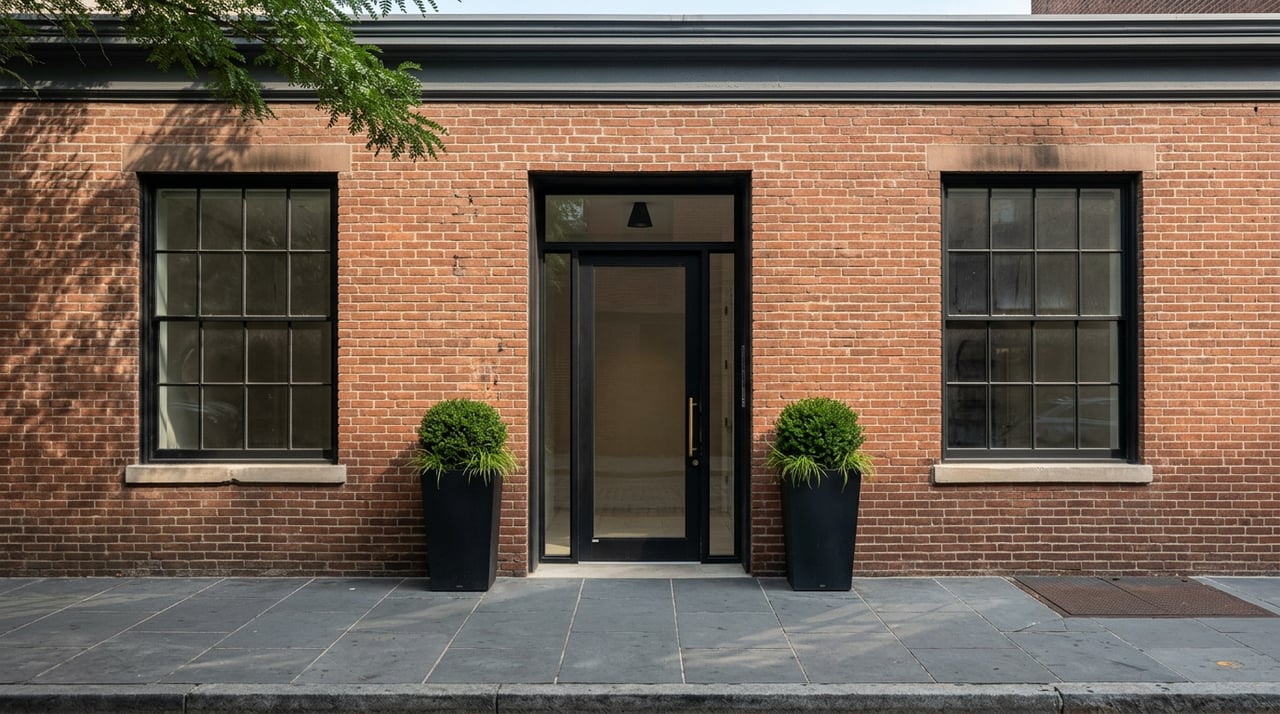
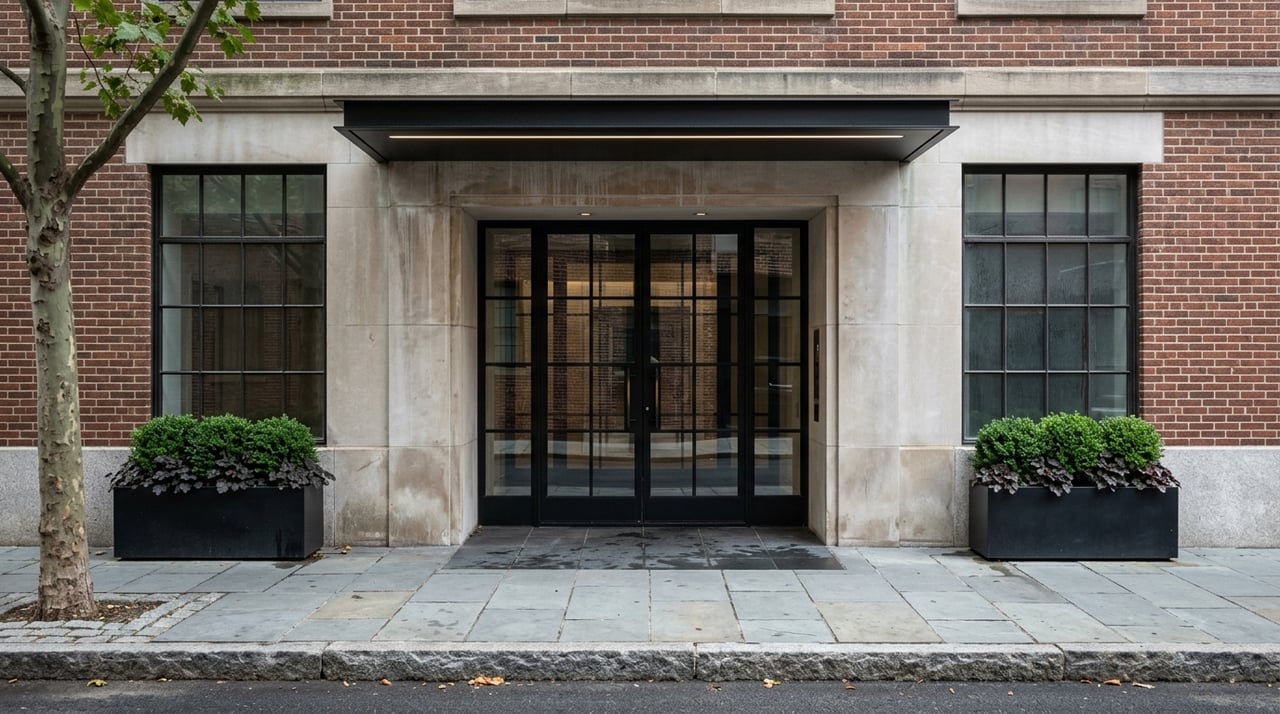
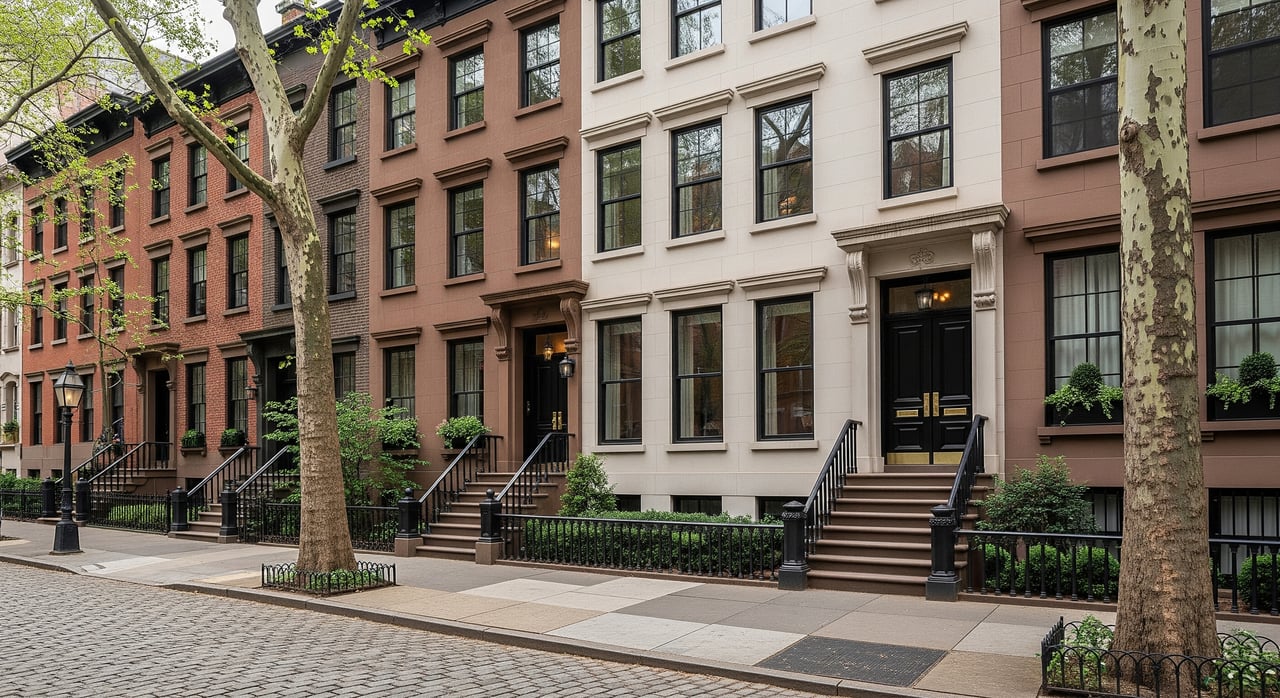
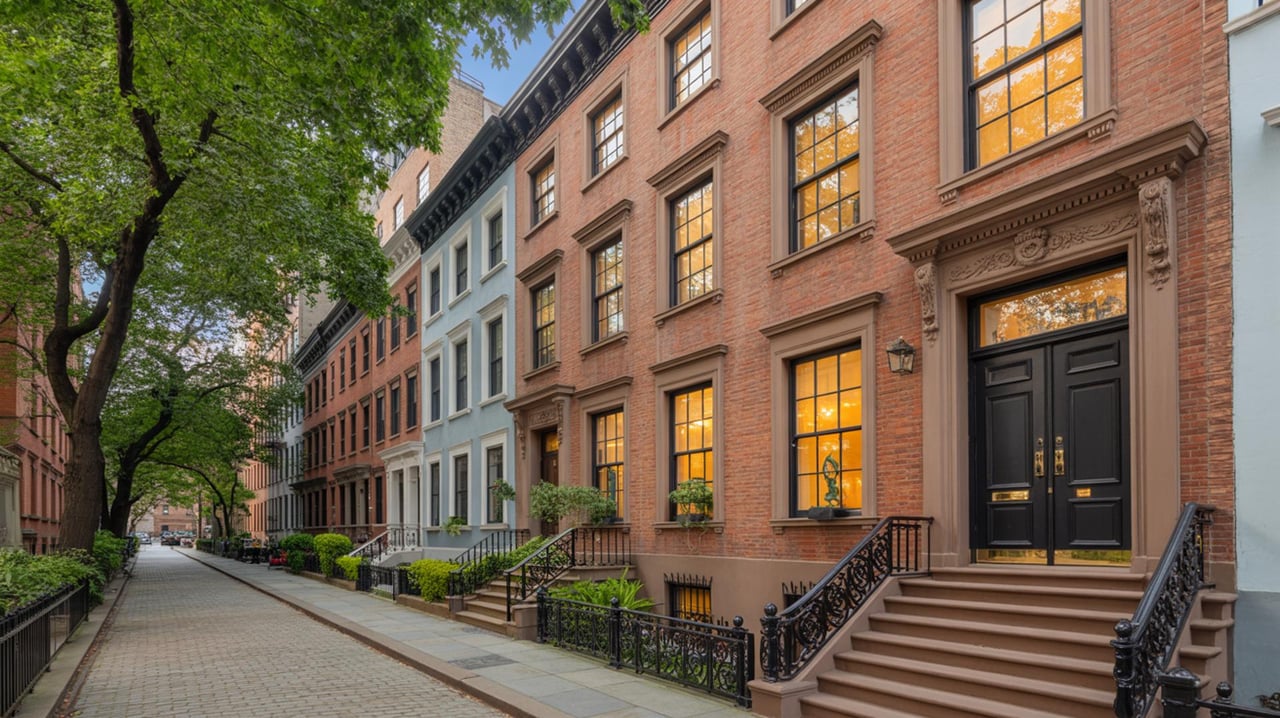
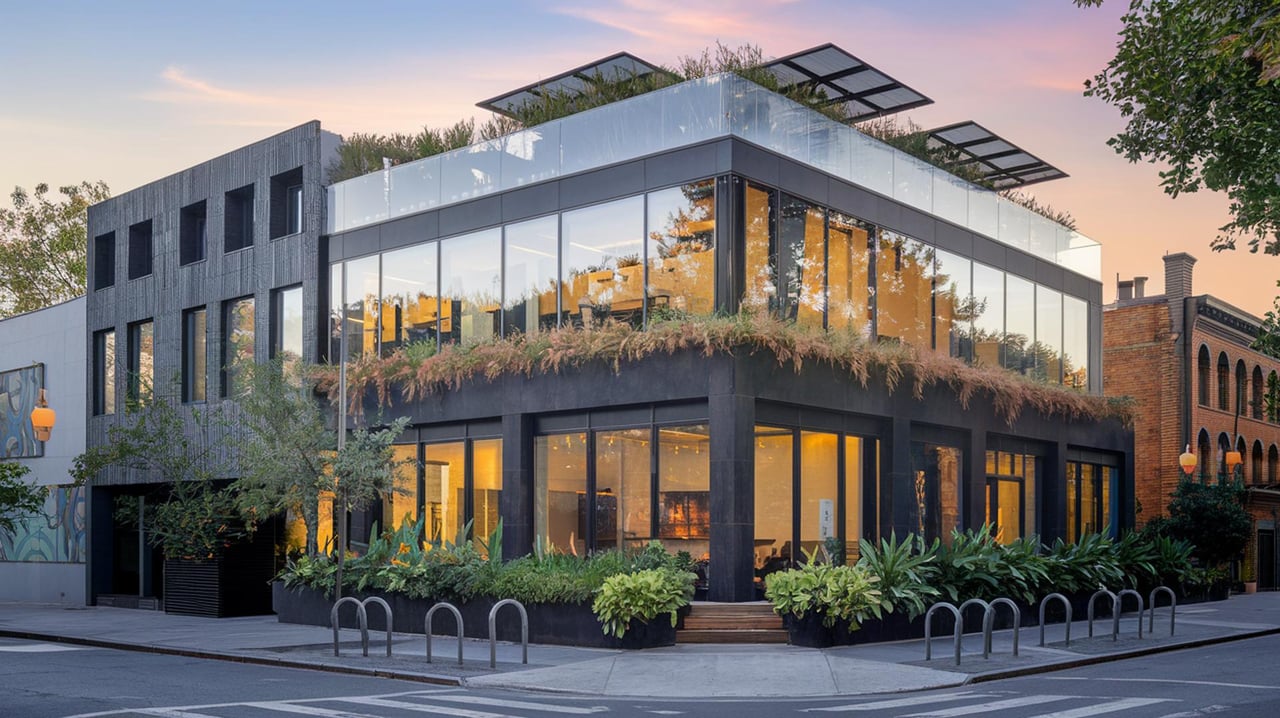
That same report describes a neighborhood made up of low-rise galleries, lofts, warehouses, infrastructure sites, and newer residential and commercial buildings. In other words, this is not a uniform residential district. It is a layered, design-forward environment where old industrial character and newer luxury development sit side by side.
What the High Line Changes
The High Line is not just nearby. It is central to how this part of West Chelsea functions and feels. The park is a 1.5-mile elevated public space running from Gansevoort Street to 34th Street, about 30 feet above street level, with stair and elevator access at multiple points including West 14th, 16th, 20th, 23rd, 26th, 28th, and 30th Streets.
Because of that setup, the park becomes part of your daily rhythm if you live here. You can use it for a walk, a scenic route north, or simply as a visual backdrop outside your building. It also means public activity is woven into residential life in a way that feels very different from a quieter side-street block elsewhere downtown.
Daily Life Along the Park
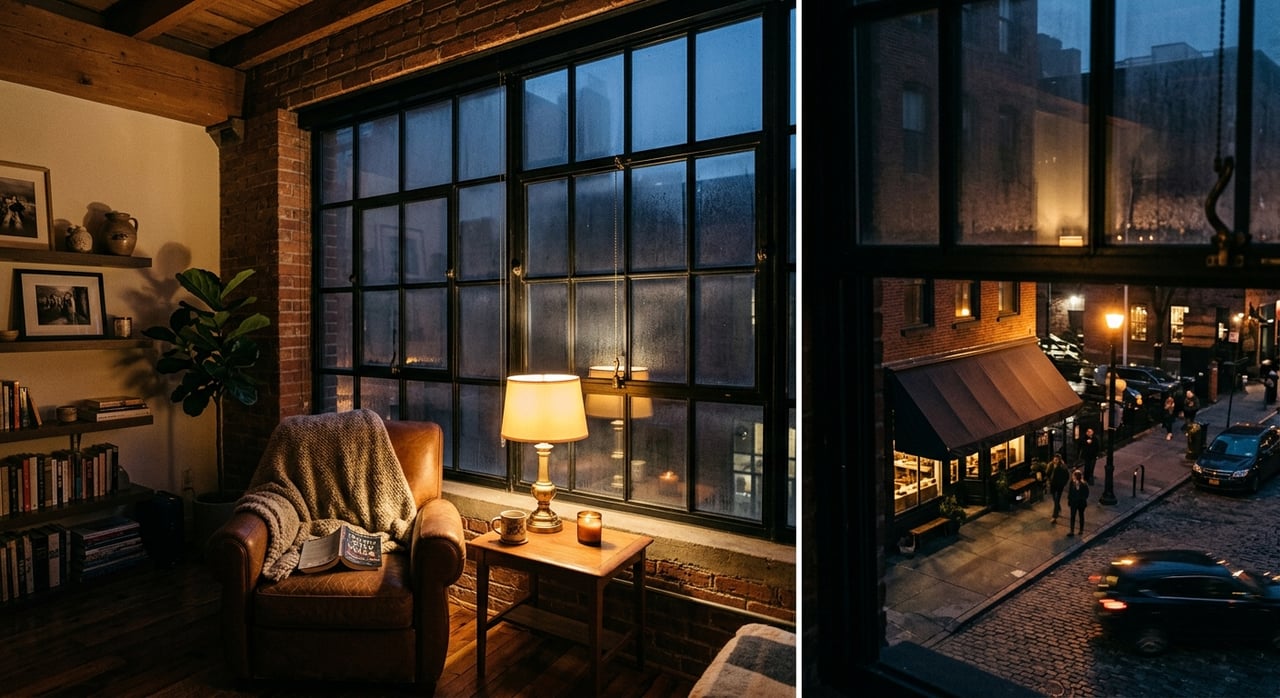
Living beside the High Line often comes with one immediate advantage: a more open urban feel. Since the park sits above street level and moves through a dense area of older buildings and new development, park-facing homes can have longer sightlines and a stronger sense of space than units set deeper into the neighborhood.
For many buyers, that openness is a major part of the appeal. A direct relationship to the park can create better views, more light, and a stronger connection to the surrounding architecture and skyline. In a dense Manhattan setting, that can feel like a meaningful luxury.
Privacy and Foot Traffic Matter
The same quality that creates openness also creates exposure. NYC Planning notes that the High Line draws nearly five million visitors each year, and seasonal park hours can extend as late as 11:00 PM in summer, according to the High Line overview.
That activity is not distributed evenly. The southern end of the corridor, especially around Gansevoort Street and West 14th Street, tends to feel more public-facing because of the High Line entrance, the Whitney Museum at 99 Gansevoort Street, and Chelsea Market just east of the park between 15th and 16th Streets. If you are sensitive to pedestrian traffic or prefer a more tucked-away residential feel, this part of the neighborhood may require a more careful building and unit selection.
How Buyers Think About Exposure
In practical terms, one of the biggest questions is not whether you want West Chelsea, but how close you want to be to the most active edge of it. Buyers who love the energy of the High Line may prefer direct park frontage and lower-floor engagement with the street and the neighborhood. Buyers who want more privacy often look at higher floors, setback units, or homes one block off the park.
That approach is supported by the broader design context. The NYC Zoning Resolution for the High Line transfer corridor includes noise-attenuation requirements for certain adjoining building walls and windows, which underscores how important sound and exposure are in this micro-market.
A Mixed Building Landscape
West Chelsea’s housing stock is unusually varied, and that variety shapes the buying experience. The Landmarks Preservation Commission report on the West Chelsea Historic District notes that the area remains a thriving district for galleries and art-related businesses, with more than 50 percent of district buildings dedicated to those uses.
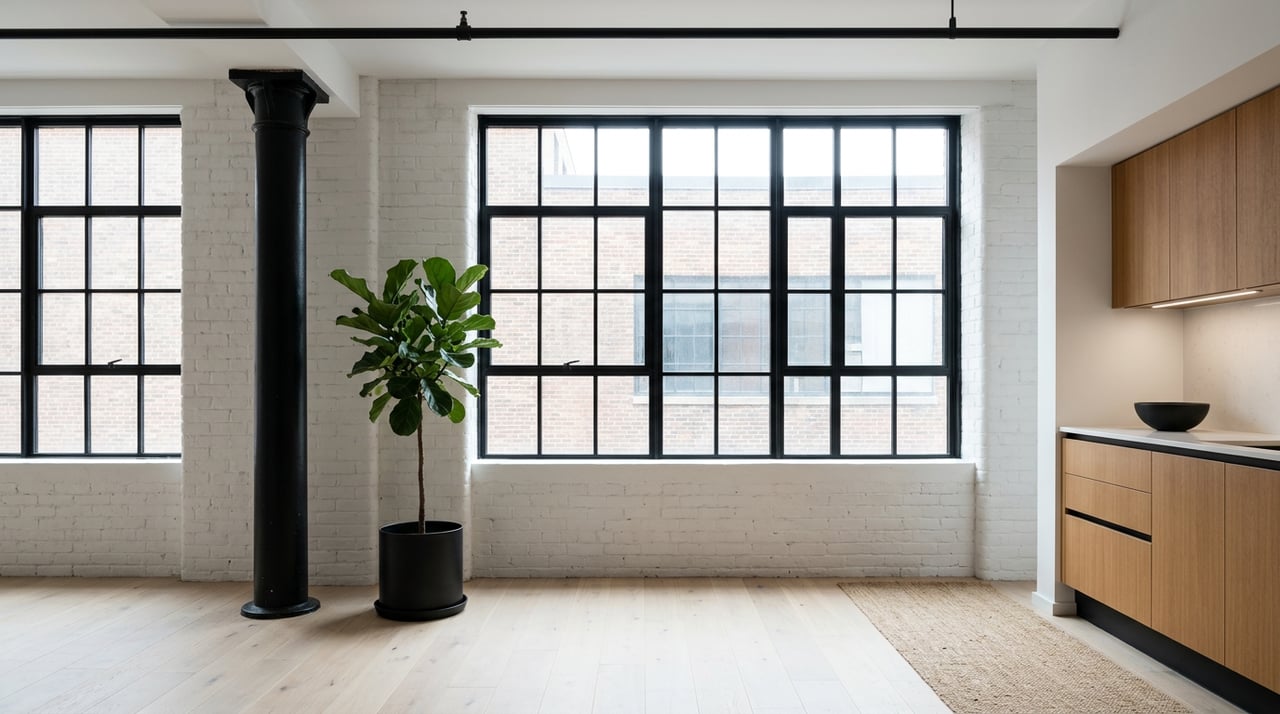
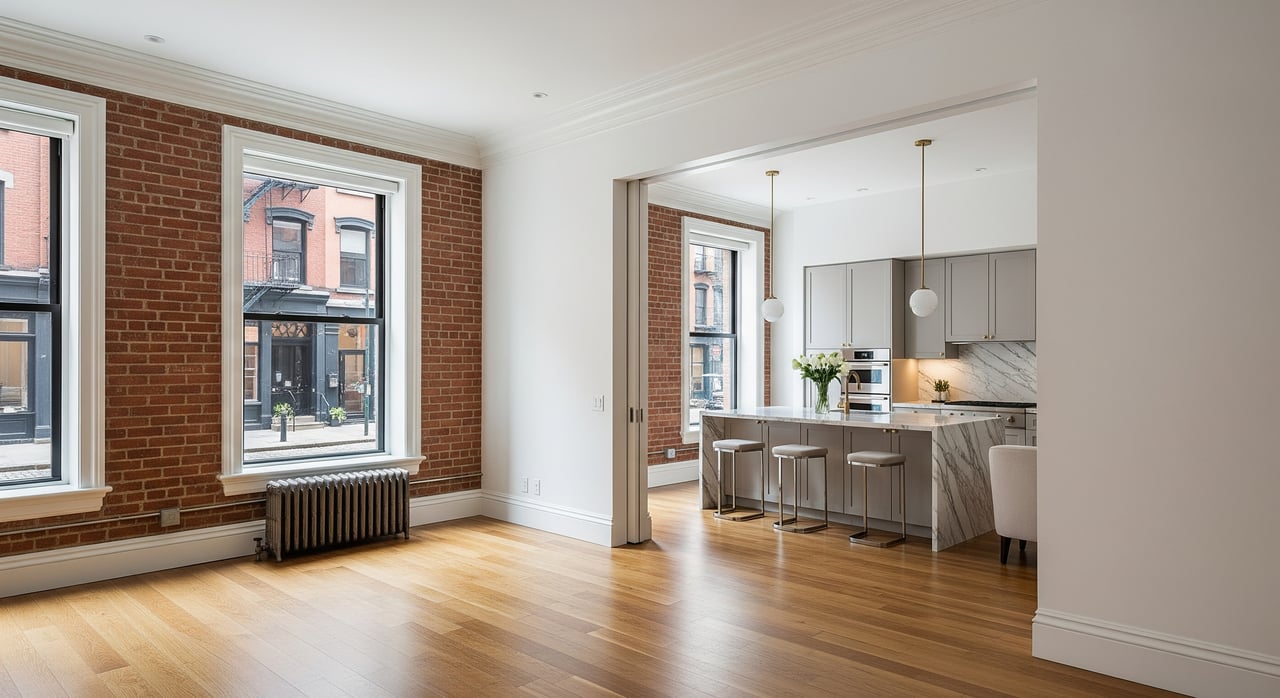
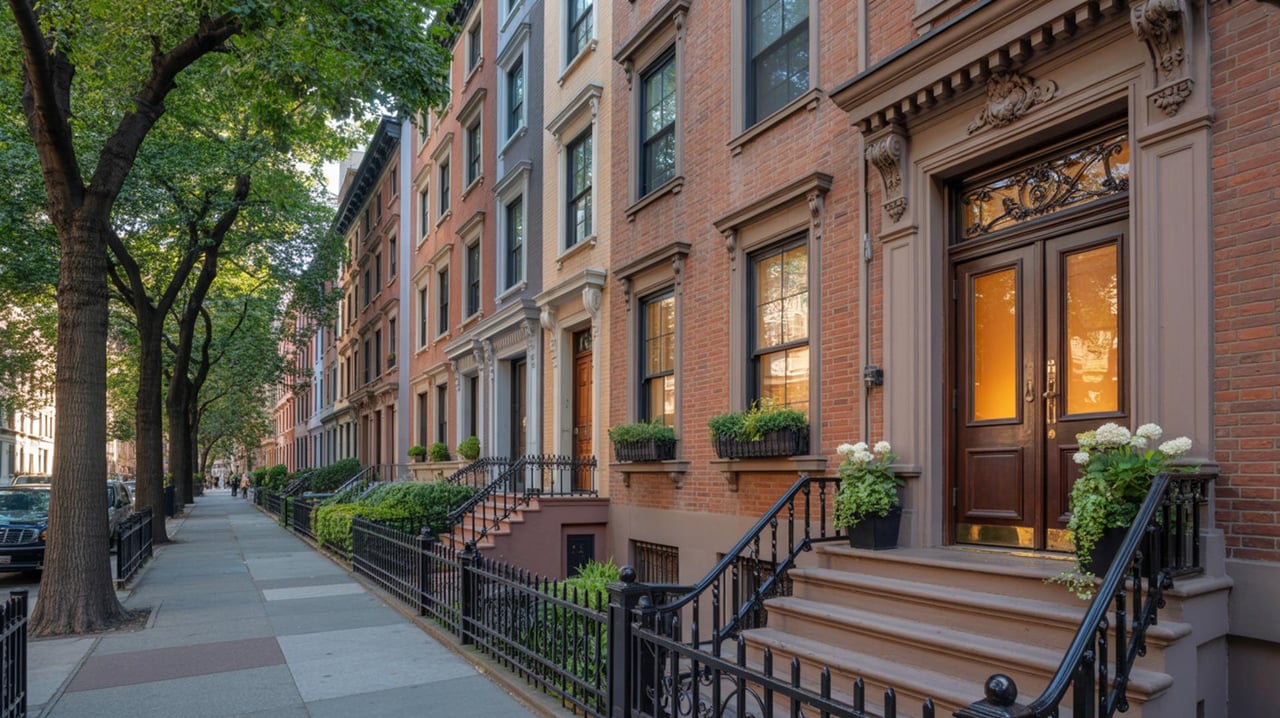
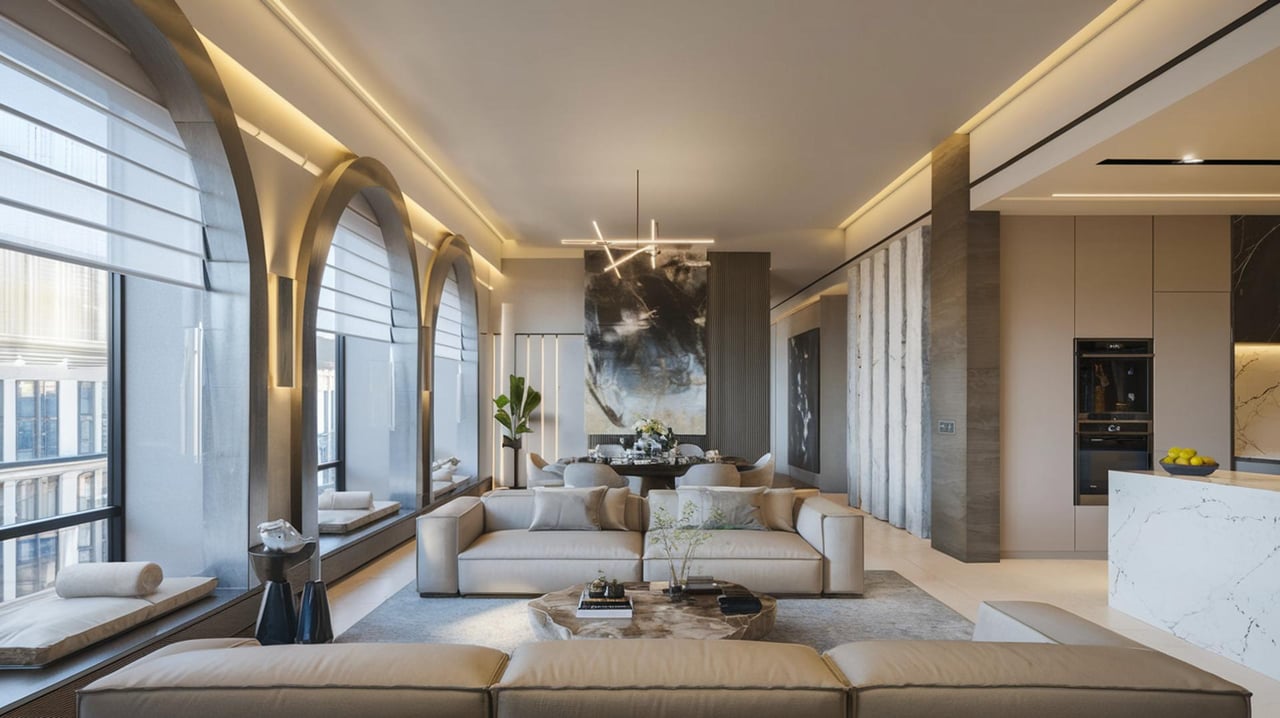
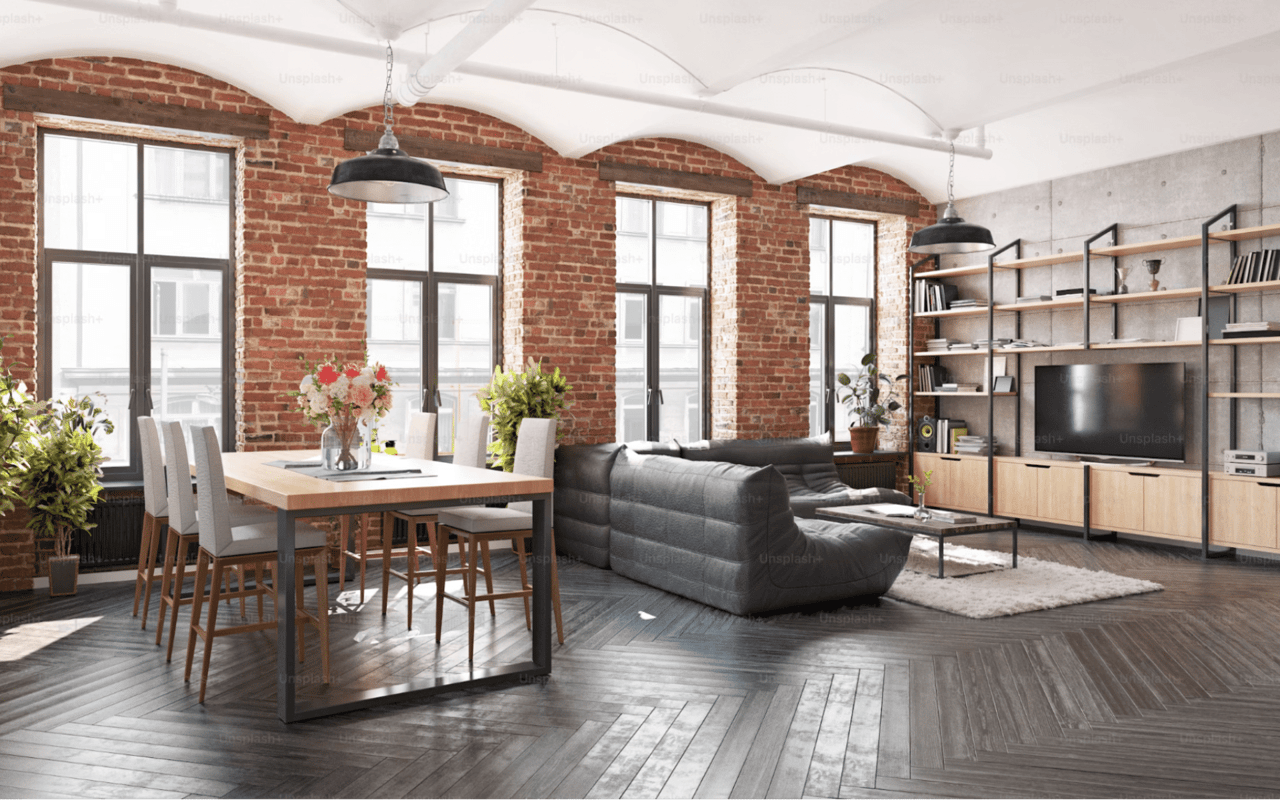
That matters because the neighborhood does not offer one standard housing type. You will find older industrial buildings that became lofts, gallery-adjacent structures with strong architectural character, and newer condominium buildings with contemporary design language. The result is a neighborhood where lifestyle fit often depends as much on building style and placement as on square footage alone.
Art and Culture Shape the Experience
West Chelsea is one of downtown Manhattan’s most arts-forward residential settings. The Landmarks report and a city environmental review of West Chelsea both support the concentration of gallery activity in the West 20s, especially around West 24th through West 26th Streets.
This gives the neighborhood a daily texture that feels different from a purely residential enclave. Side streets often carry a creative, gallery-centered identity, while the avenues provide more of the practical day-to-day framework of restaurants, cafes, and services. If you want a home that feels plugged into New York’s cultural life, West Chelsea offers that in a very direct way.
Dining and Everyday Convenience
For many buyers, one of the strongest reasons to choose this area is that culture and convenience overlap. The city environmental review found that Ninth Avenue and, to a lesser extent, Tenth Avenue have long served more local residential needs, with restaurants, cafes, and bars lining those corridors.
The High Line itself also adds to the amenity mix. According to the Friends of the High Line park map, the park includes food kiosks, an open-air cafe, public art, and free or low-cost programs. That means activity here extends beyond commuting patterns and gives the neighborhood a strong all-day rhythm.
Transit Is Part of the Appeal
West Chelsea offers a level of connectivity that supports both downtown living and easy movement across Manhattan. NYC Planning states that the area is served by several bus lines, the Eighth Avenue subway line, the 7 train extension at West 34th Street, and nearby ferry stops at Piers 79 and 45.
The MTA guide to visiting the High Line also highlights nearby access to the A, C, L, and 7 trains. For buyers who want walkability without feeling cut off from the rest of the city, this is a meaningful advantage.
Who Living Here Suits Best
The strongest match for High Line-adjacent West Chelsea is usually a buyer who values architecture, design, walkability, and immediate access to art and dining. It tends to appeal to people who enjoy a visible, active urban setting and who see energy as part of the neighborhood’s value.
It may be less ideal if your top priority is a quieter, more private street experience. In that case, the neighborhood can still work well, but success often depends on choosing the right floor, exposure, and building position rather than focusing only on the address.
Smart Questions to Ask Before Buying
Before you commit to a home along the High Line, it helps to think beyond finishes and amenities. A few location-specific questions can make your search much more precise:
- How close is the unit to a High Line access point?
- Is the home directly facing the park or set back from it?
- What does the block feel like during the day, in the evening, and on weekends?
- Does the unit prioritize open views or more privacy?
- How much street and visitor activity feels comfortable to you?
- Do you want to be near the southern entrance by Gansevoort, or farther north toward Hudson Yards?
These are the kinds of details that shape long-term satisfaction in West Chelsea. In a neighborhood this compact and active, small shifts in location can have an outsized impact on how a home lives.
The Bottom Line
Living along the High Line in West Chelsea can offer a rare combination of design, openness, culture, and convenience. You are buying into a neighborhood where the park is part of the setting, where galleries and dining are built into daily life, and where architecture often plays a leading role in the residential experience.
The key is making sure the version of West Chelsea you choose matches how you want to live. If you want thoughtful guidance on building fit, exposure, privacy, and lifestyle alignment, At the Firm offers the kind of tailored, discreet advisory approach that this micro-market deserves.
FAQs
What is it like to live near the High Line in West Chelsea?
- Living near the High Line in West Chelsea often means easy park access, strong walkability, and close proximity to galleries, dining, and transit, along with a more public-facing street environment.
Are High Line-facing apartments in West Chelsea more exposed?
- Yes, homes directly beside the High Line can feel more exposed because the park is elevated and heavily visited, so buyers often weigh views and openness against privacy.
Which part of West Chelsea feels busiest near the High Line?
- The southern end near Gansevoort Street and West 14th Street generally feels the busiest because of High Line access, the Whitney Museum, and nearby Chelsea Market.
Does West Chelsea offer good transit access for residents?
- Yes, West Chelsea is connected by bus lines, nearby subway service including the A, C, L, and 7 trains, and ferry access referenced by NYC Planning.
Who is a good fit for buying in West Chelsea along the High Line?
- Buyers who value architecture, culture, walkability, dining, and a lively urban setting are often the best fit for this part of West Chelsea.