What does day-to-day life actually look like when your household needs more room, more convenience, and more ways to move through the city with less friction? In Tribeca, that question often comes down to how well space, amenities, and routine fit together. If you are considering a move within downtown Manhattan, this guide will help you understand why Tribeca continues to stand out for growing households and what to look for as you weigh your options. Let’s dive in.
Why Tribeca works for daily life
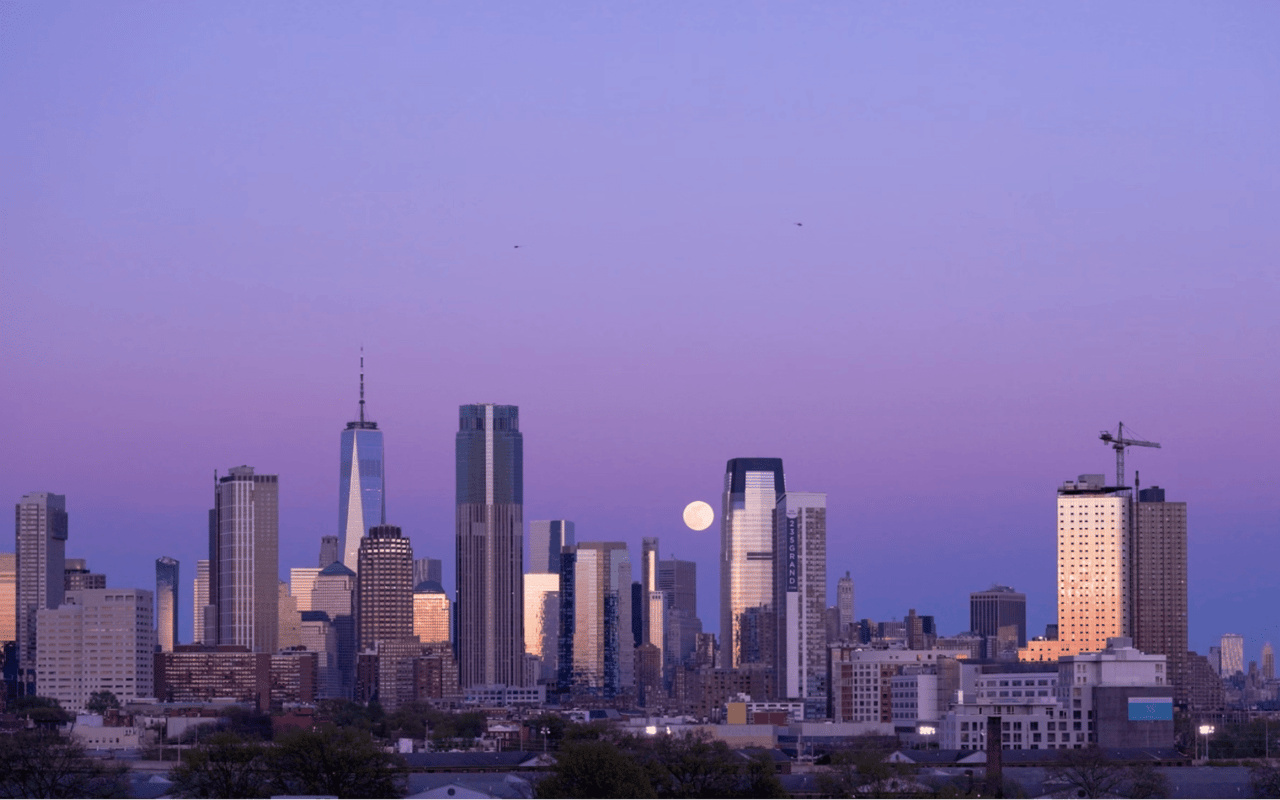
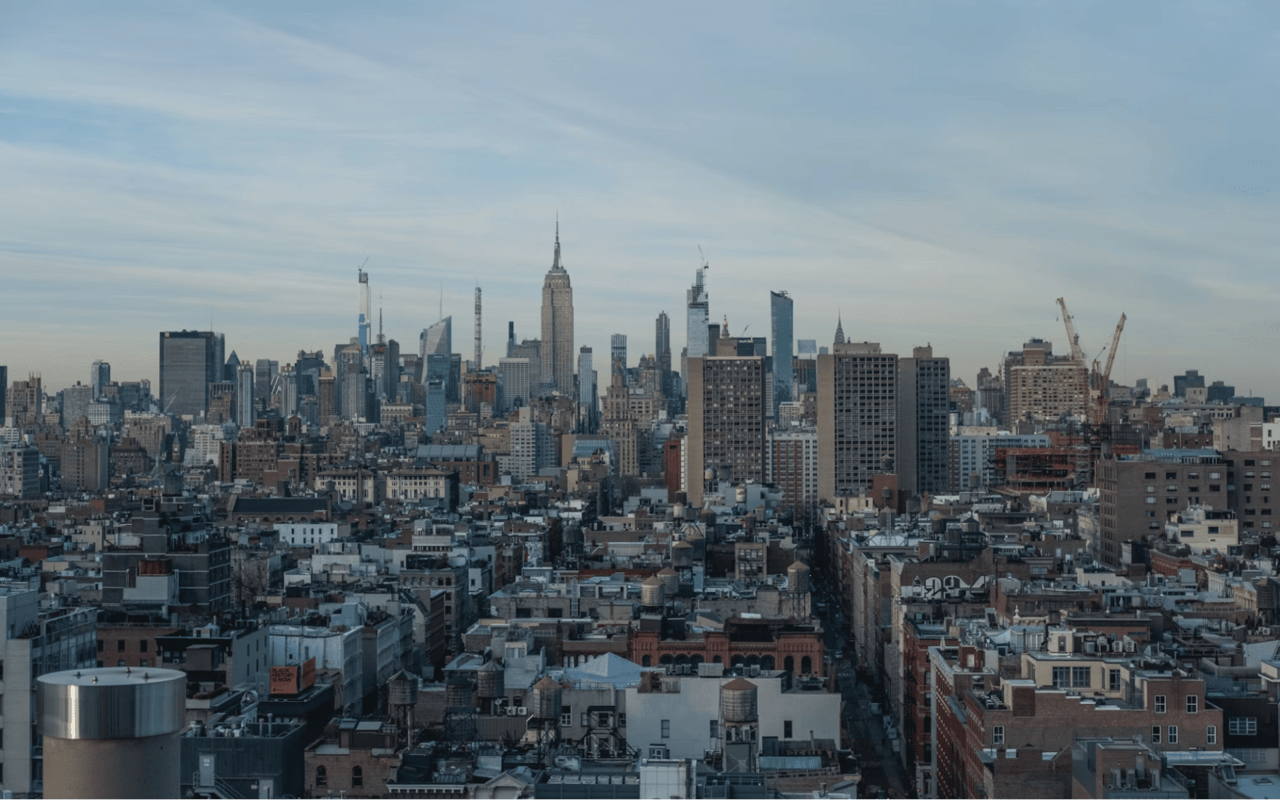
Tribeca sits within Manhattan Community District 1, alongside Battery Park City, Civic Center, the Financial District, Greenwich South, and the Seaport. In practical terms, that means your routine is shaped by a connected lower Manhattan setting where parks, groceries, transit, and cultural stops are often close together.
For many buyers, that proximity matters as much as square footage. When errands and activities stay local, your day can feel more efficient and more manageable, especially if your household schedule is getting fuller.
Space in Tribeca often feels different
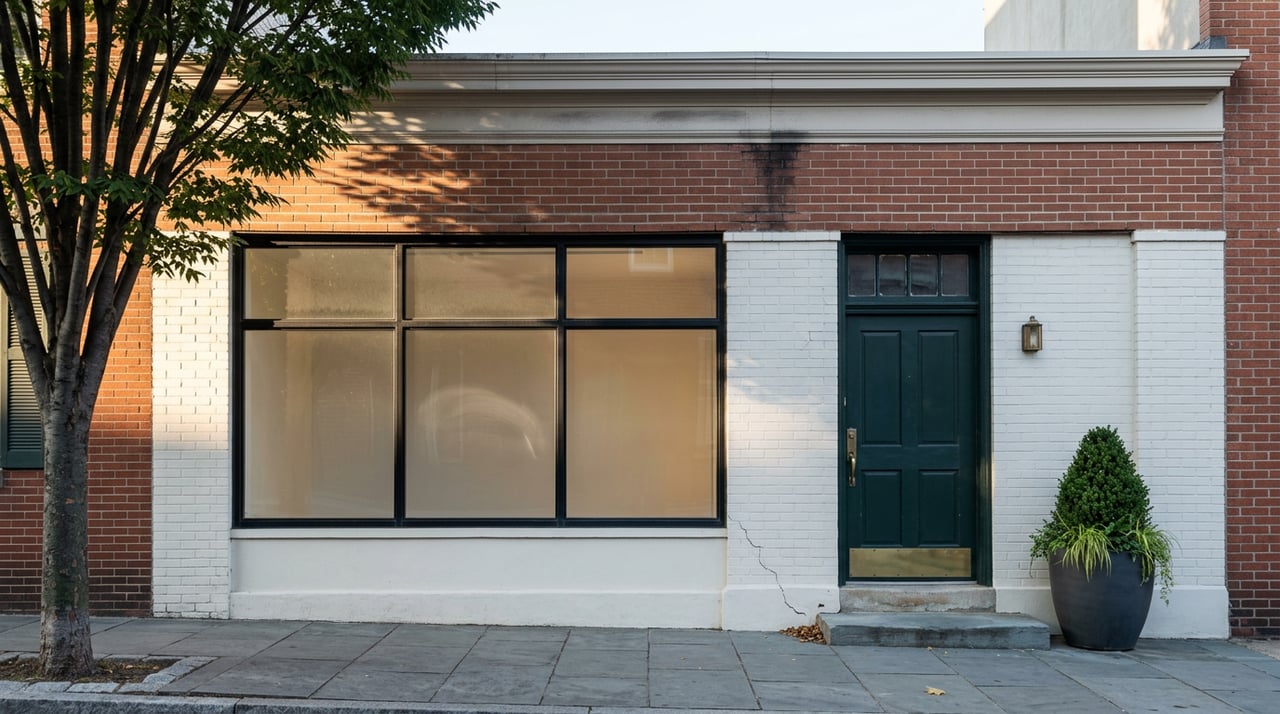
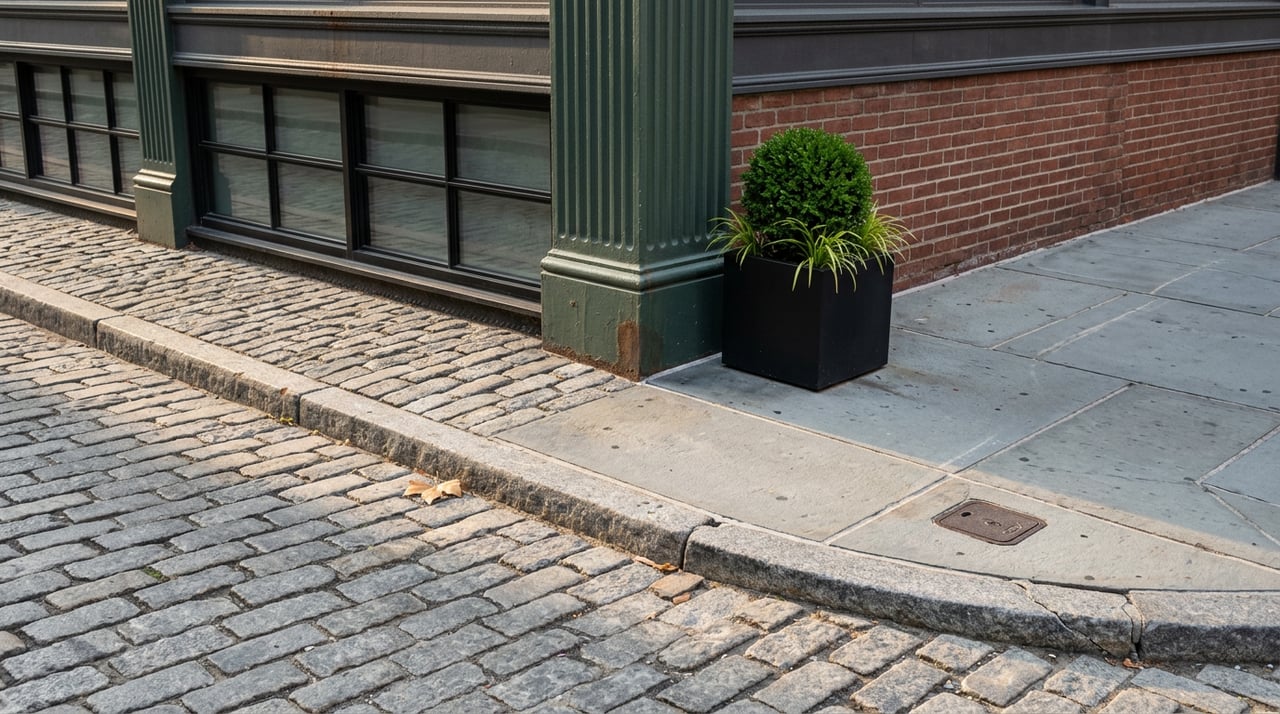
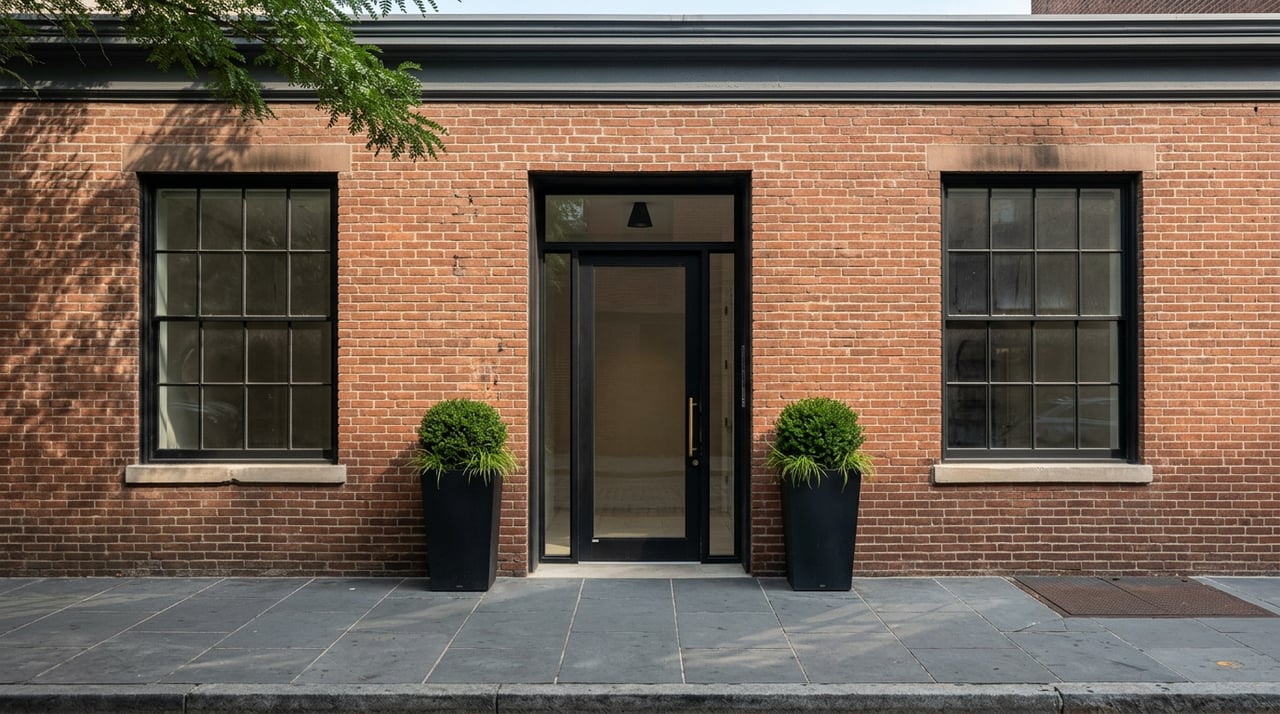
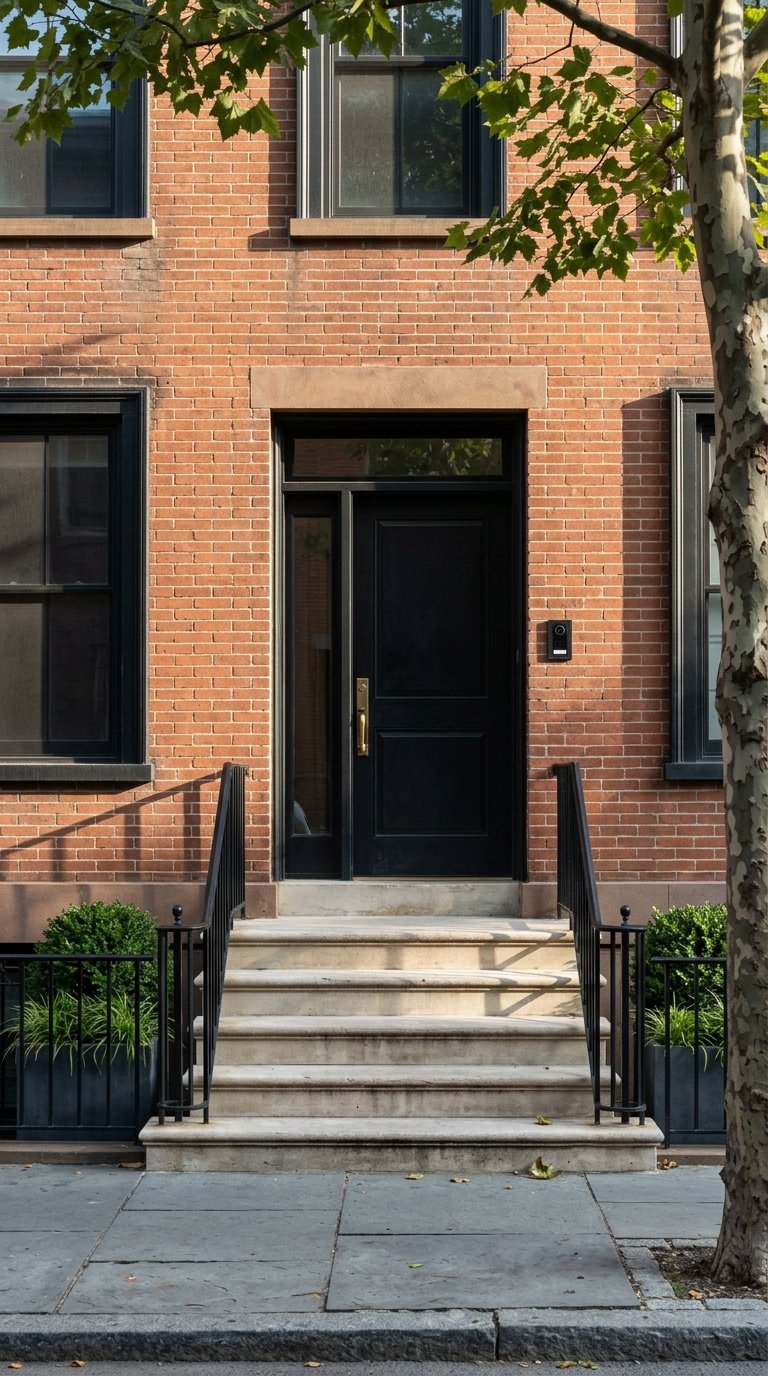
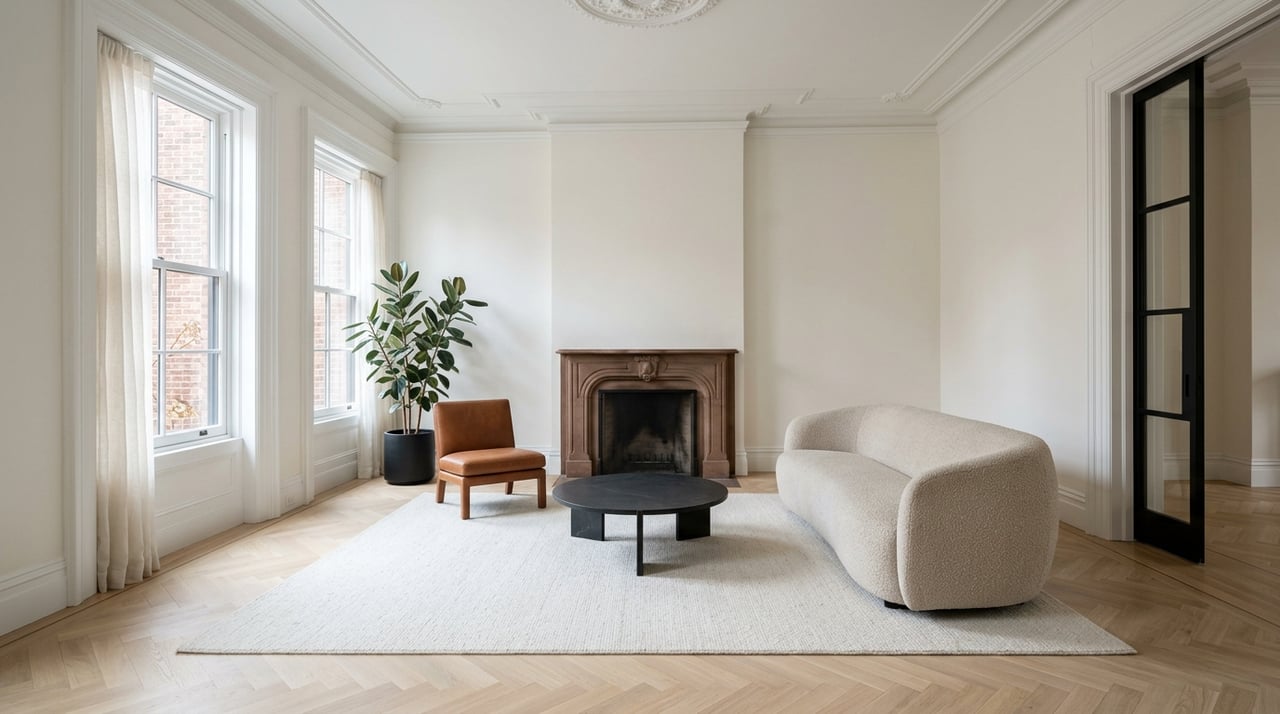
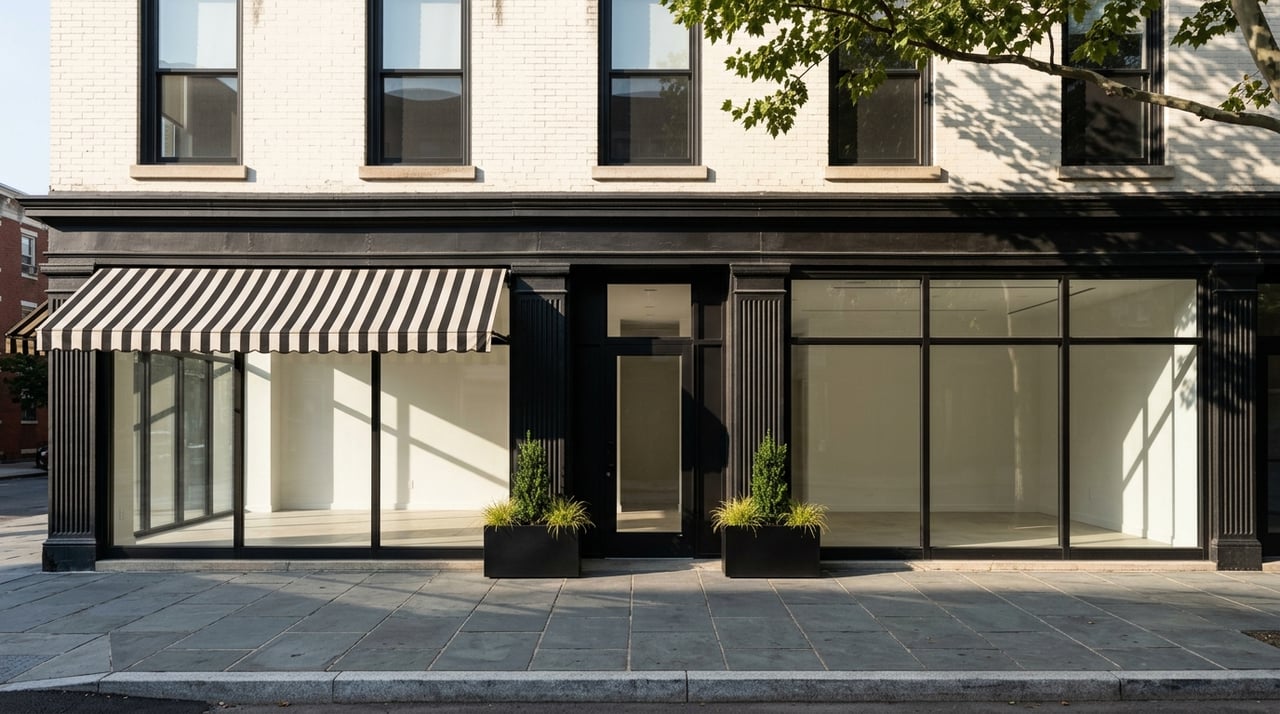
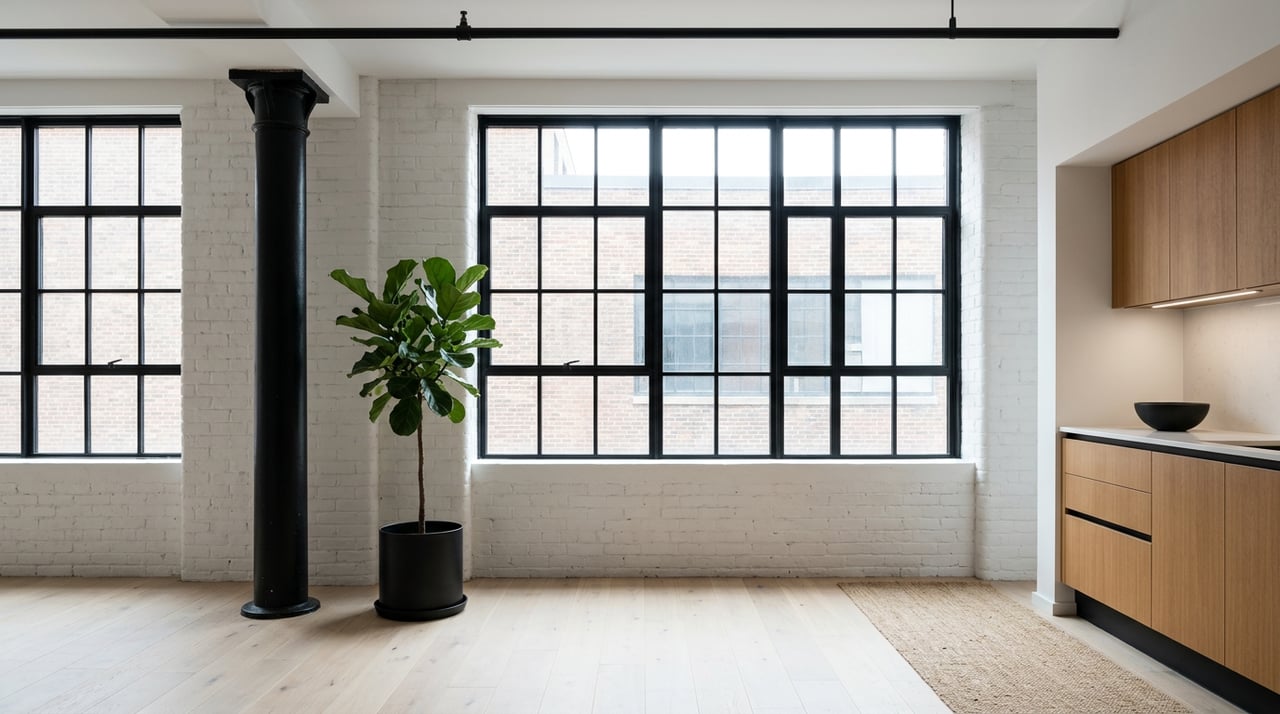
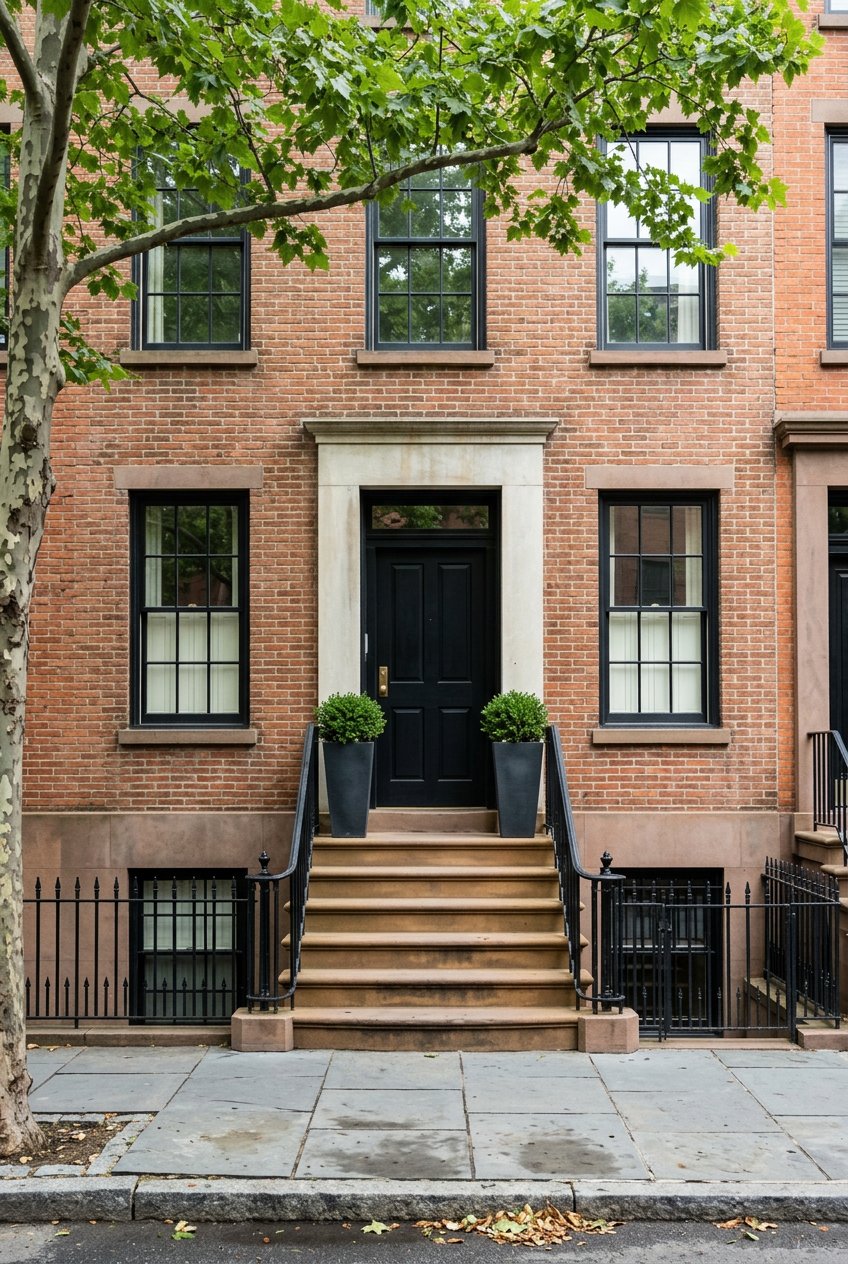
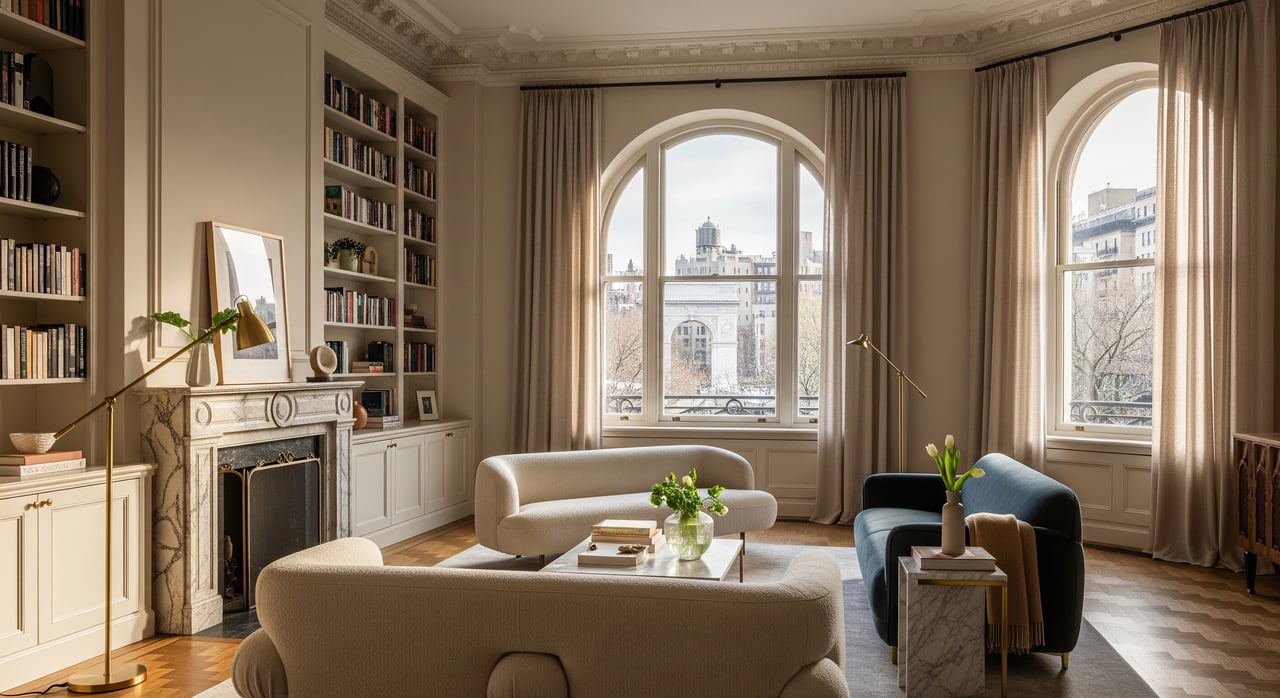
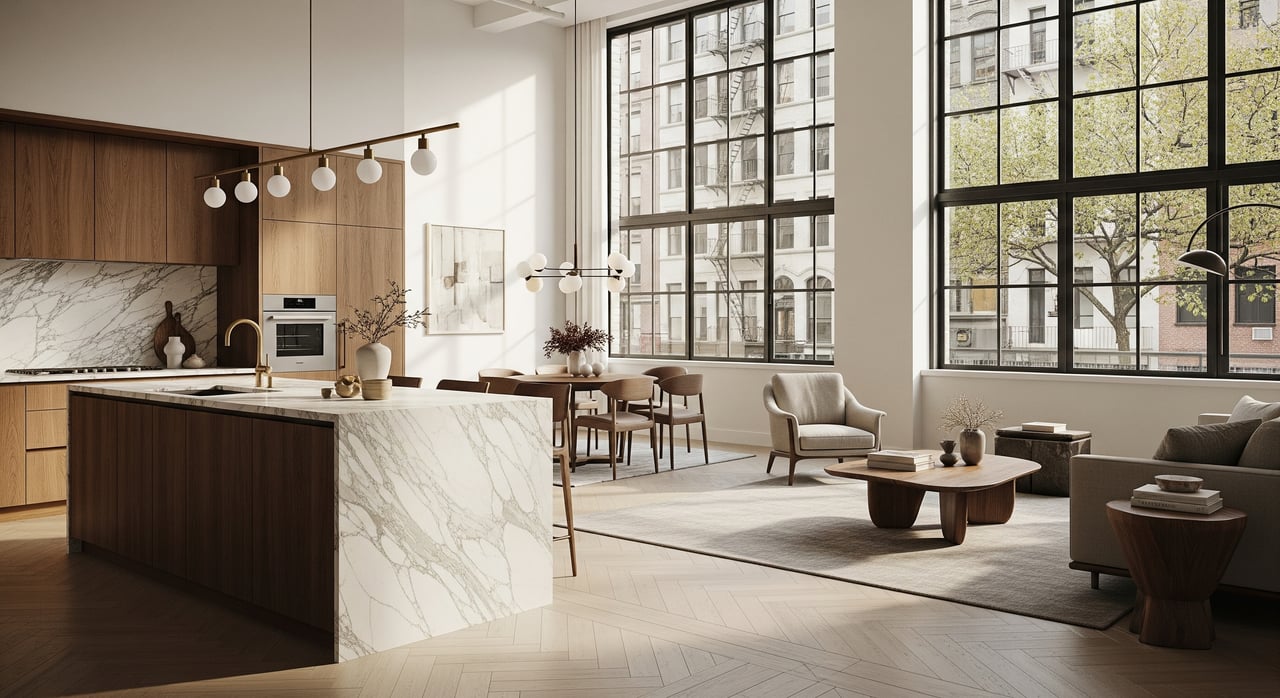
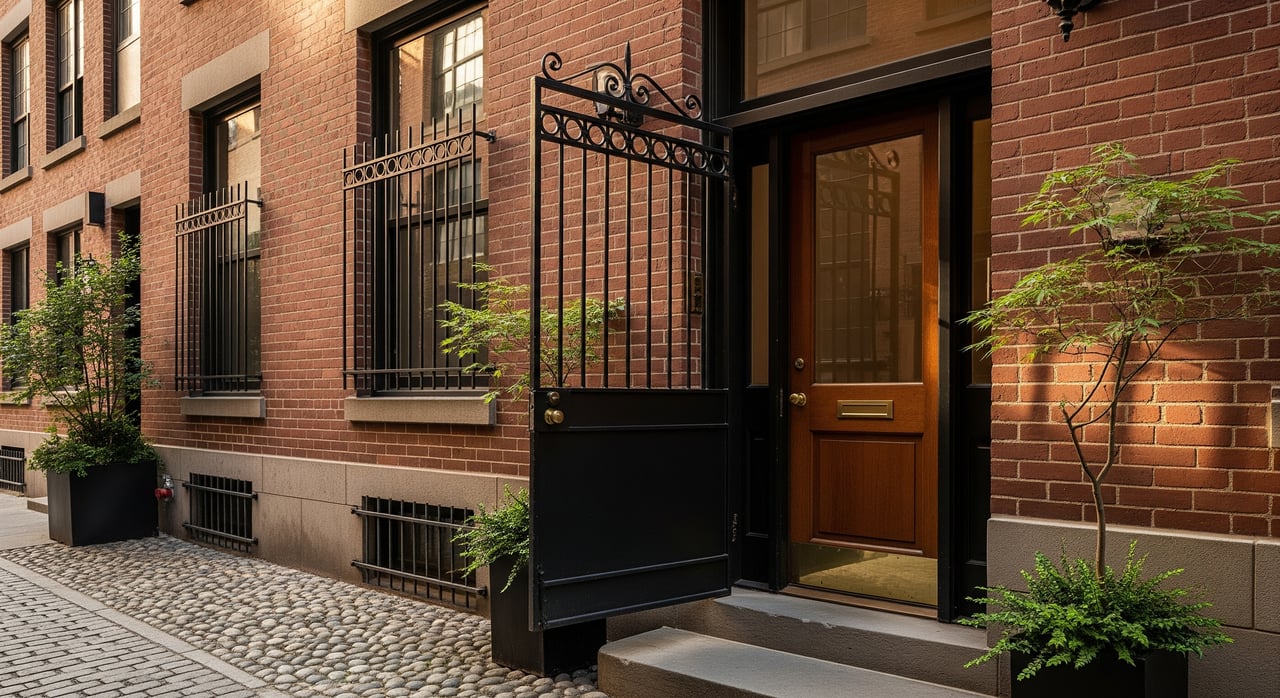
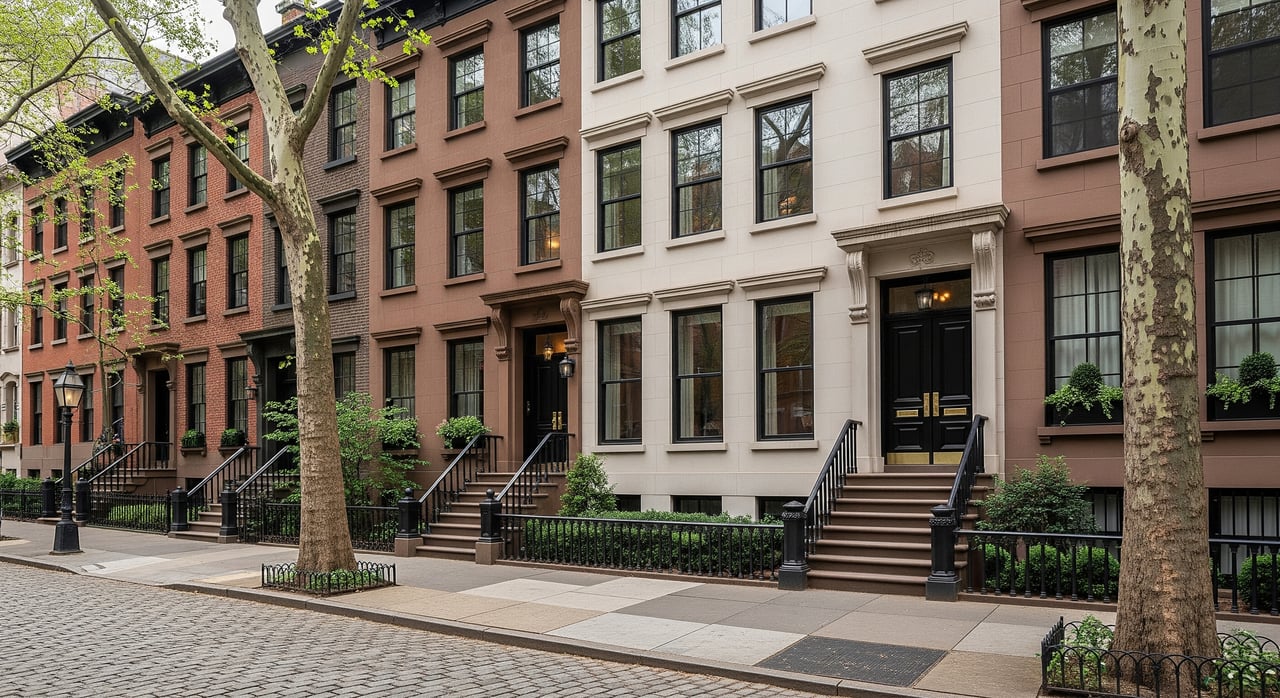
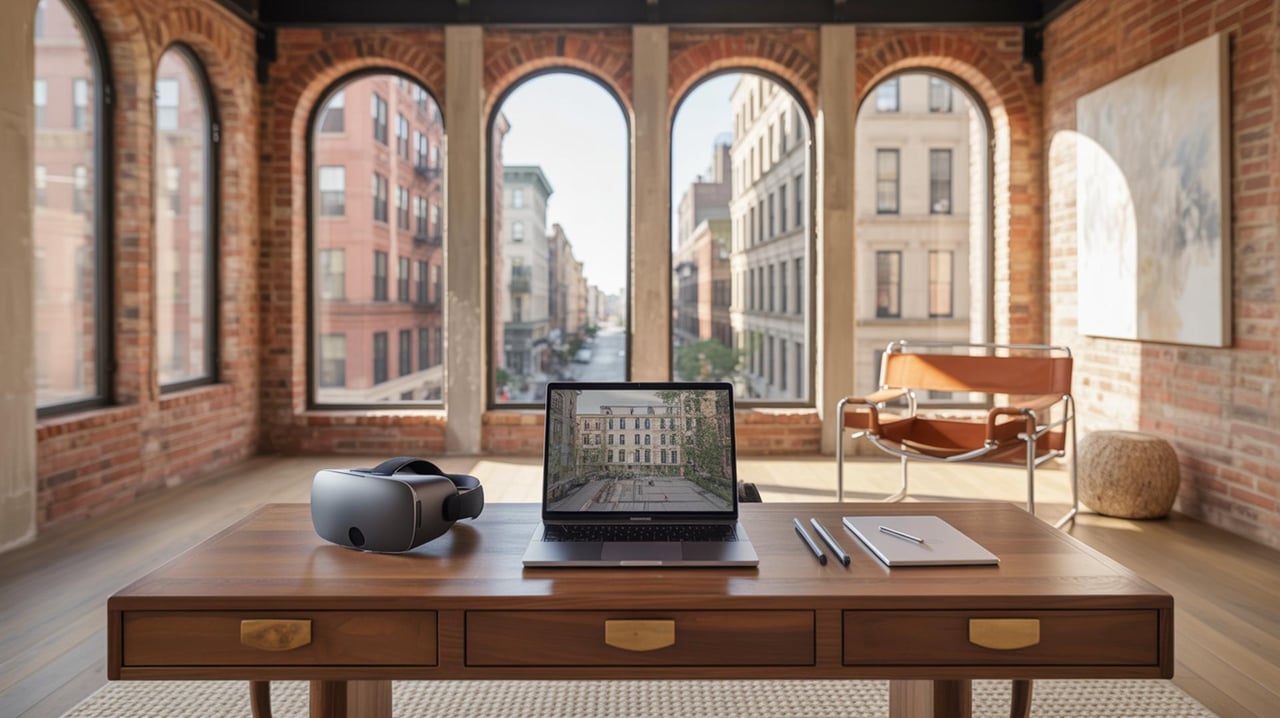
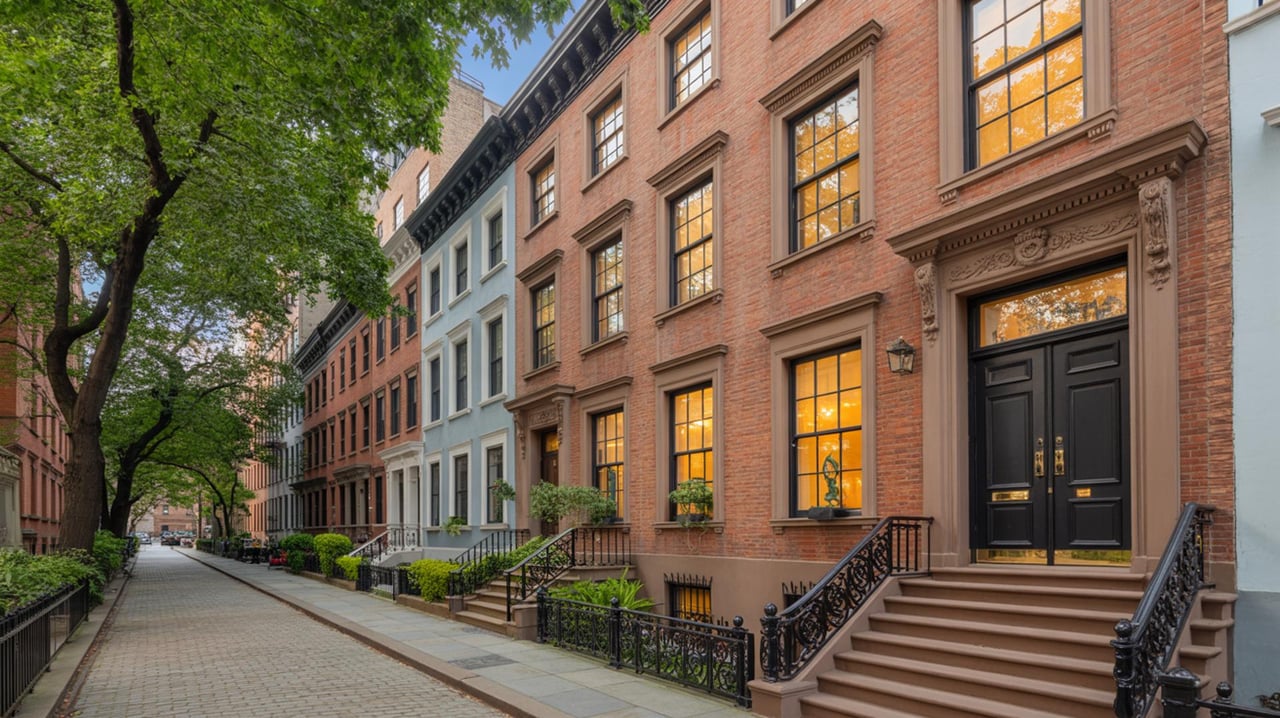
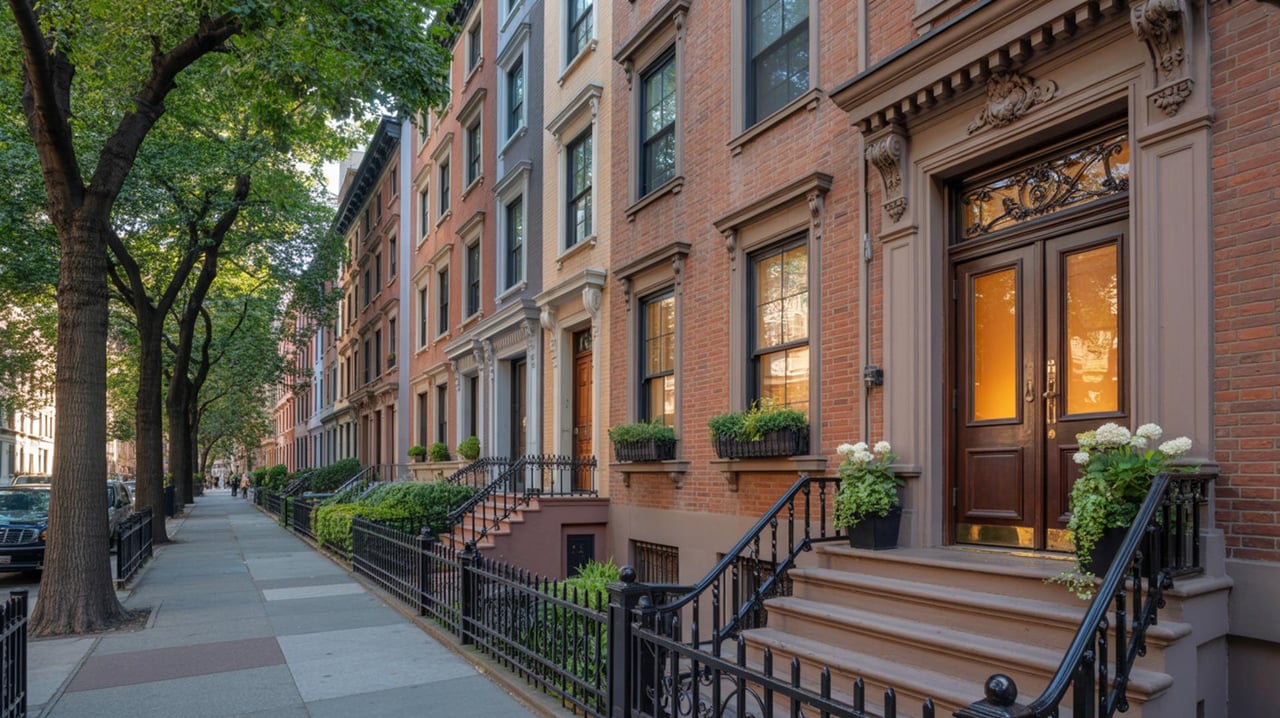
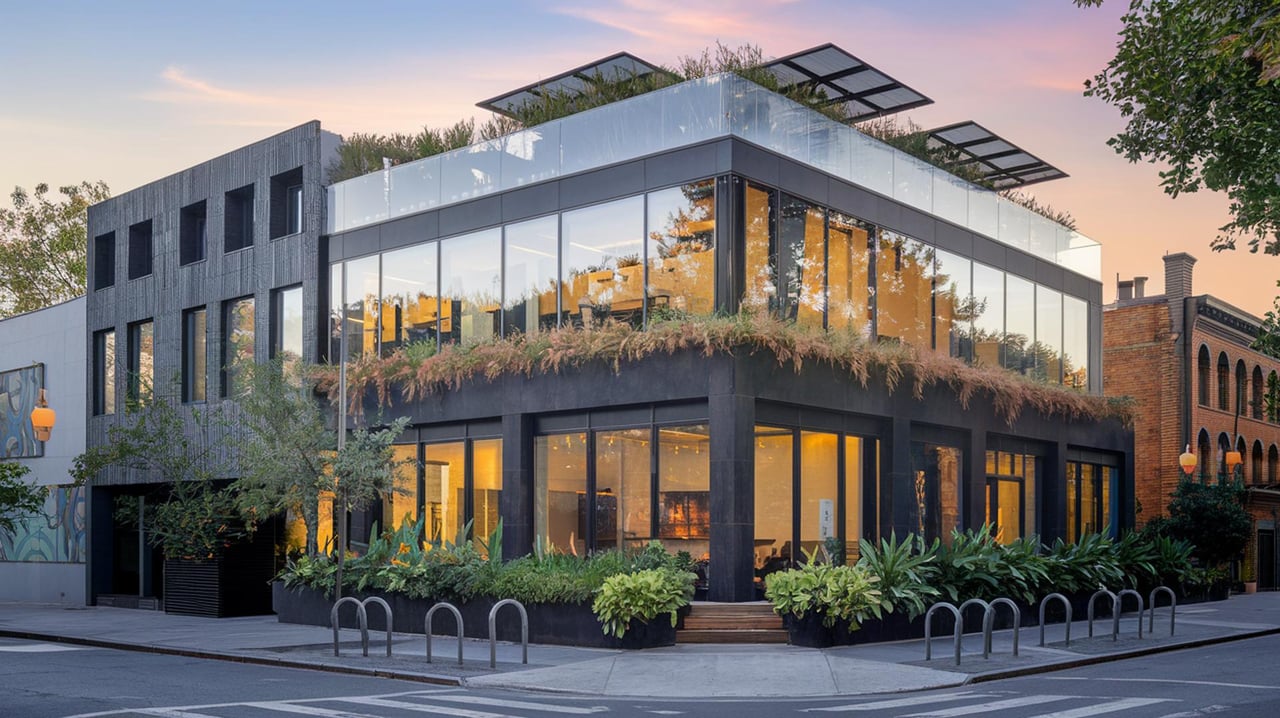
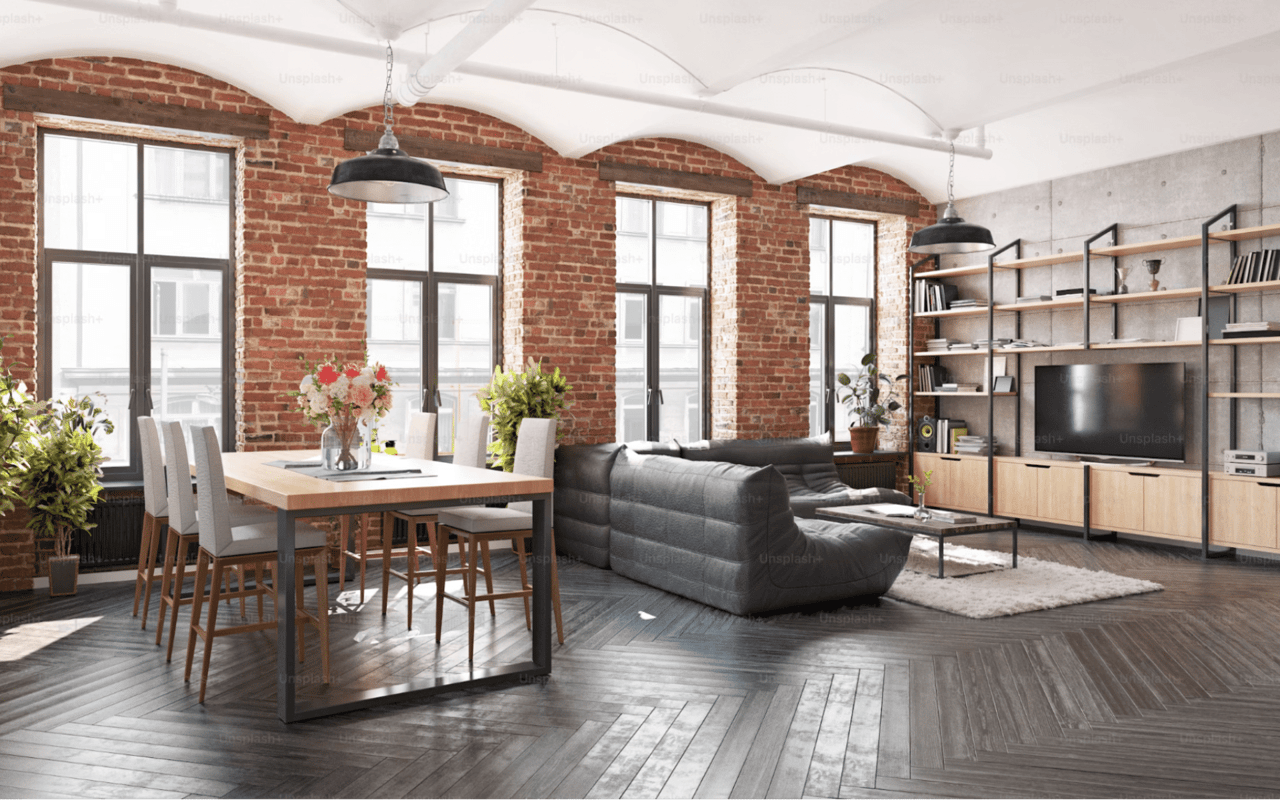
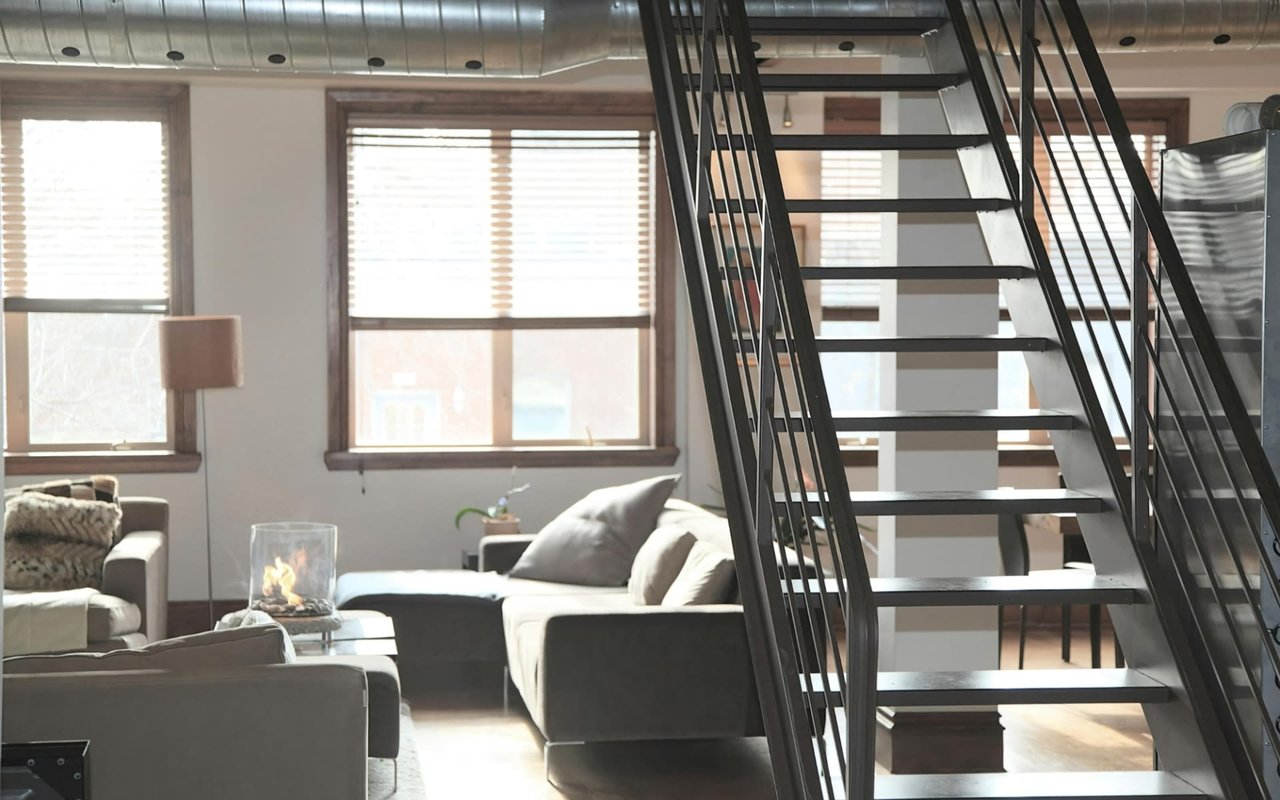
A big part of Tribeca’s appeal comes from its building stock. City planning material on the Tribeca South Historic District describes cohesive blockfronts of mid-19th-century store-and-loft buildings, which helps explain why the neighborhood is often associated with loft-style homes and larger living spaces.
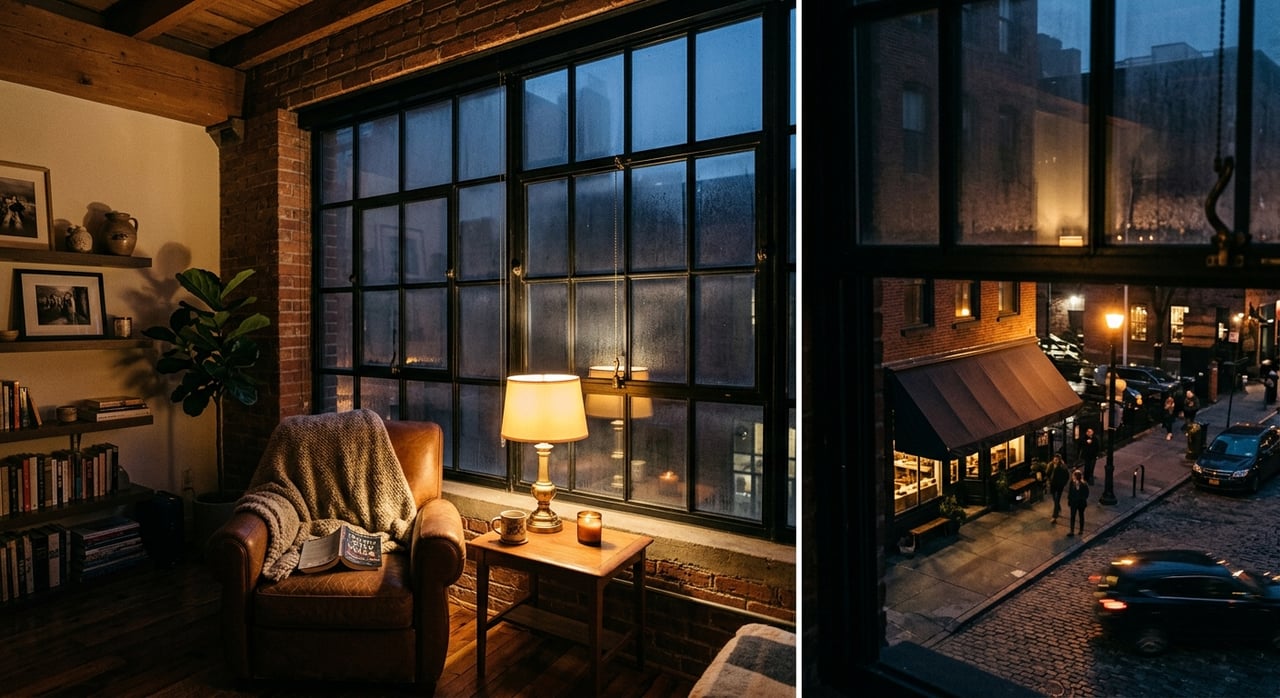
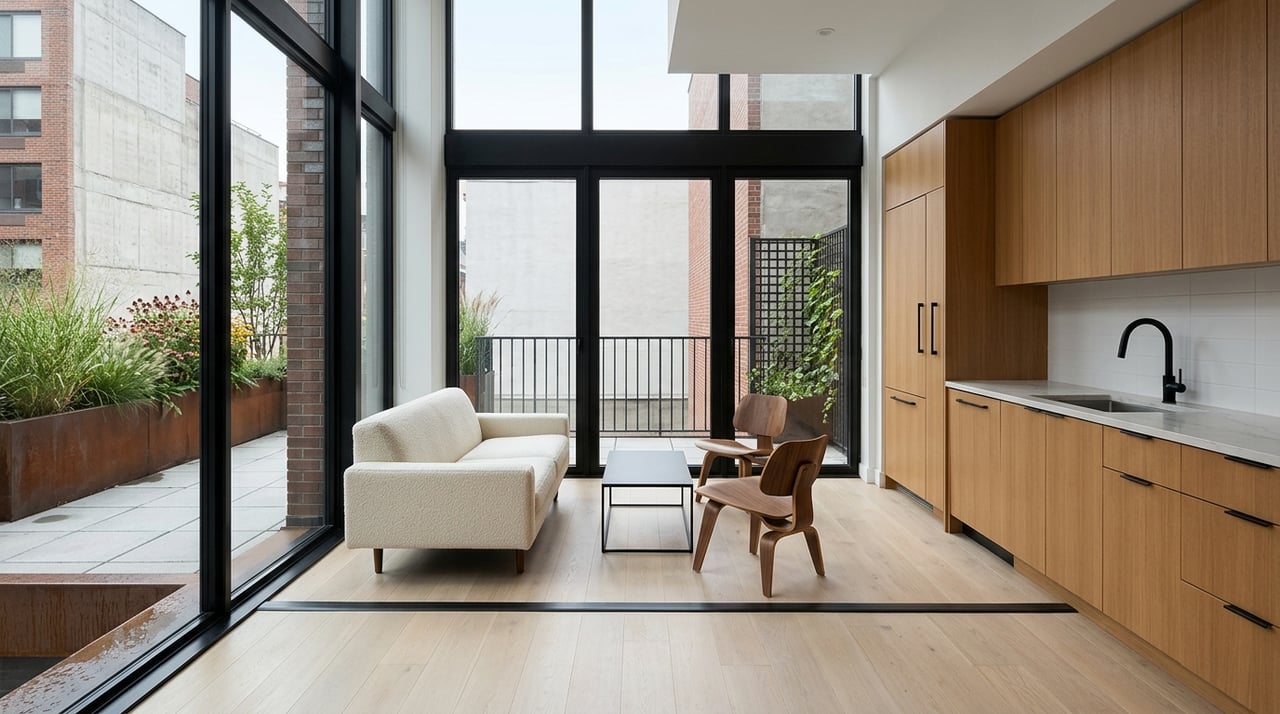
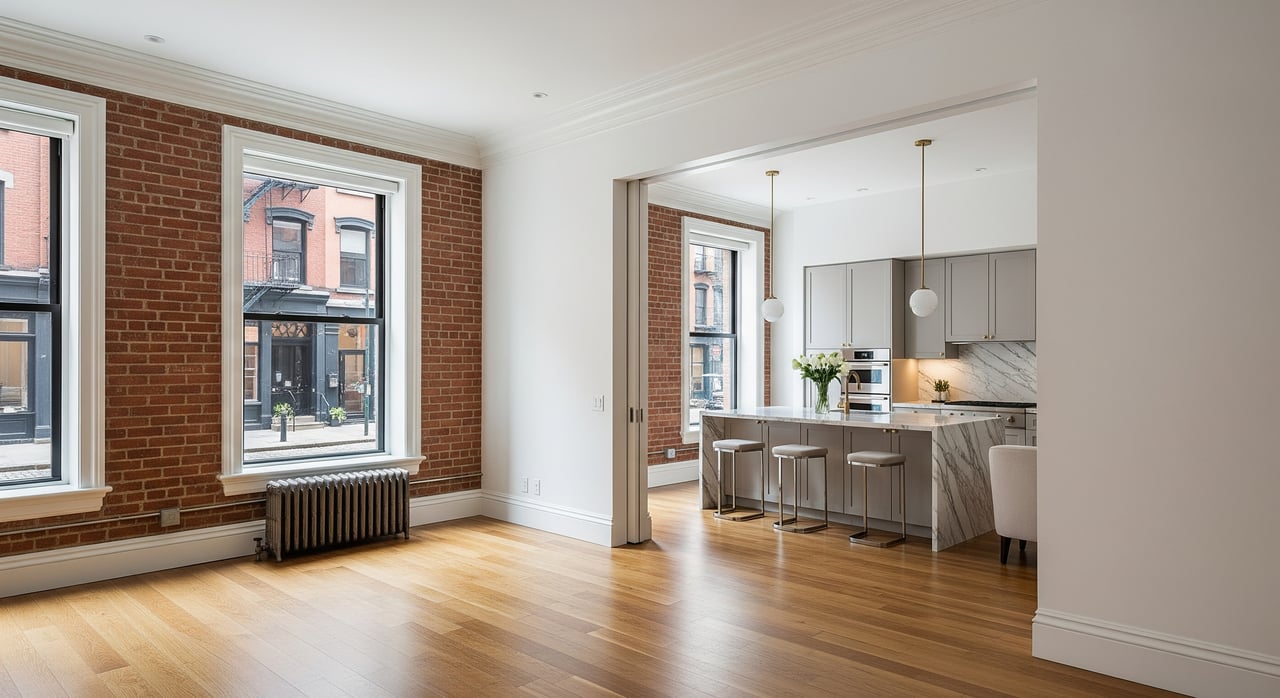
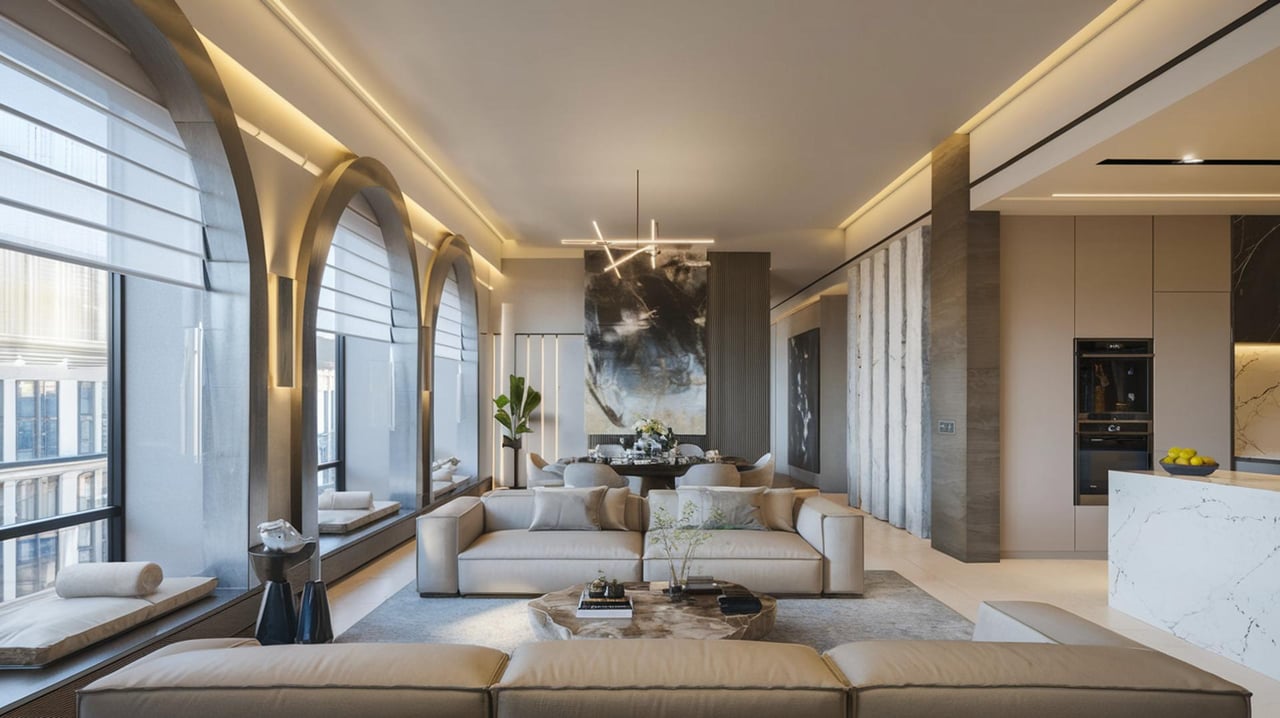
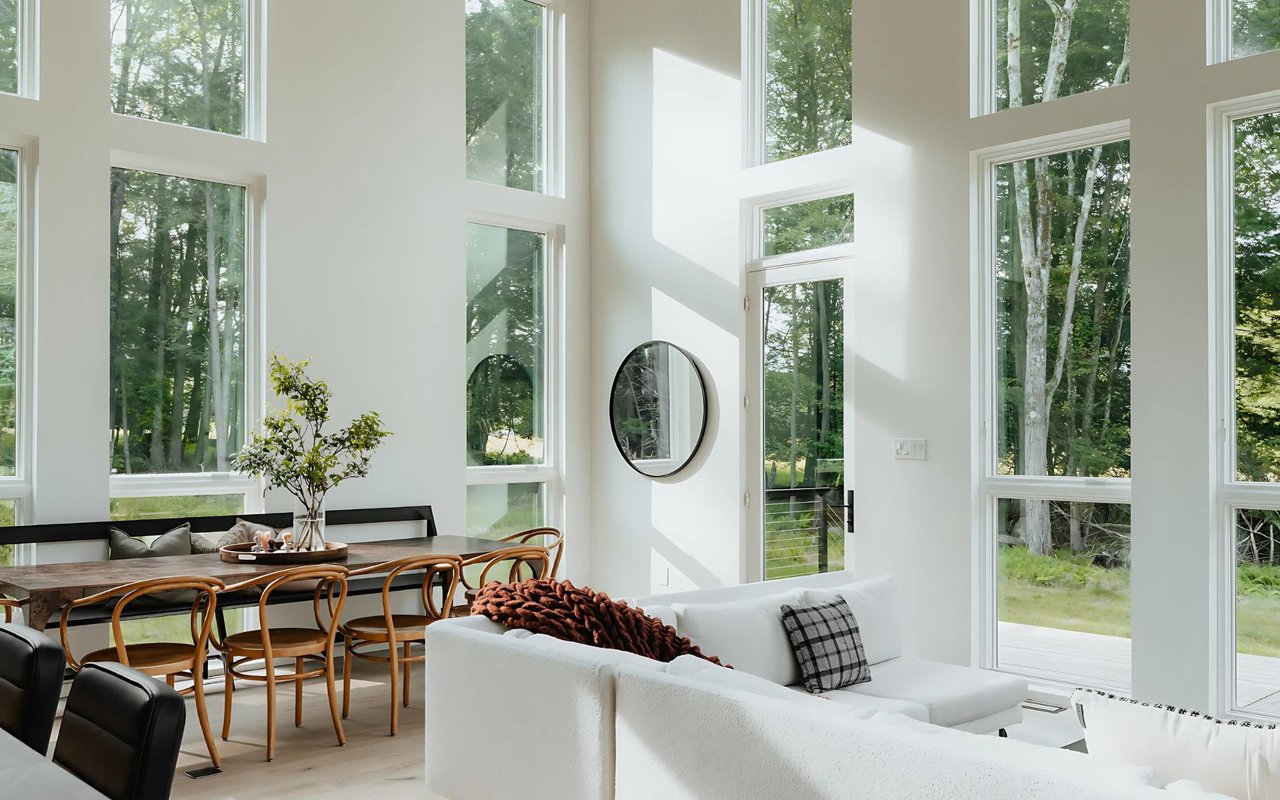
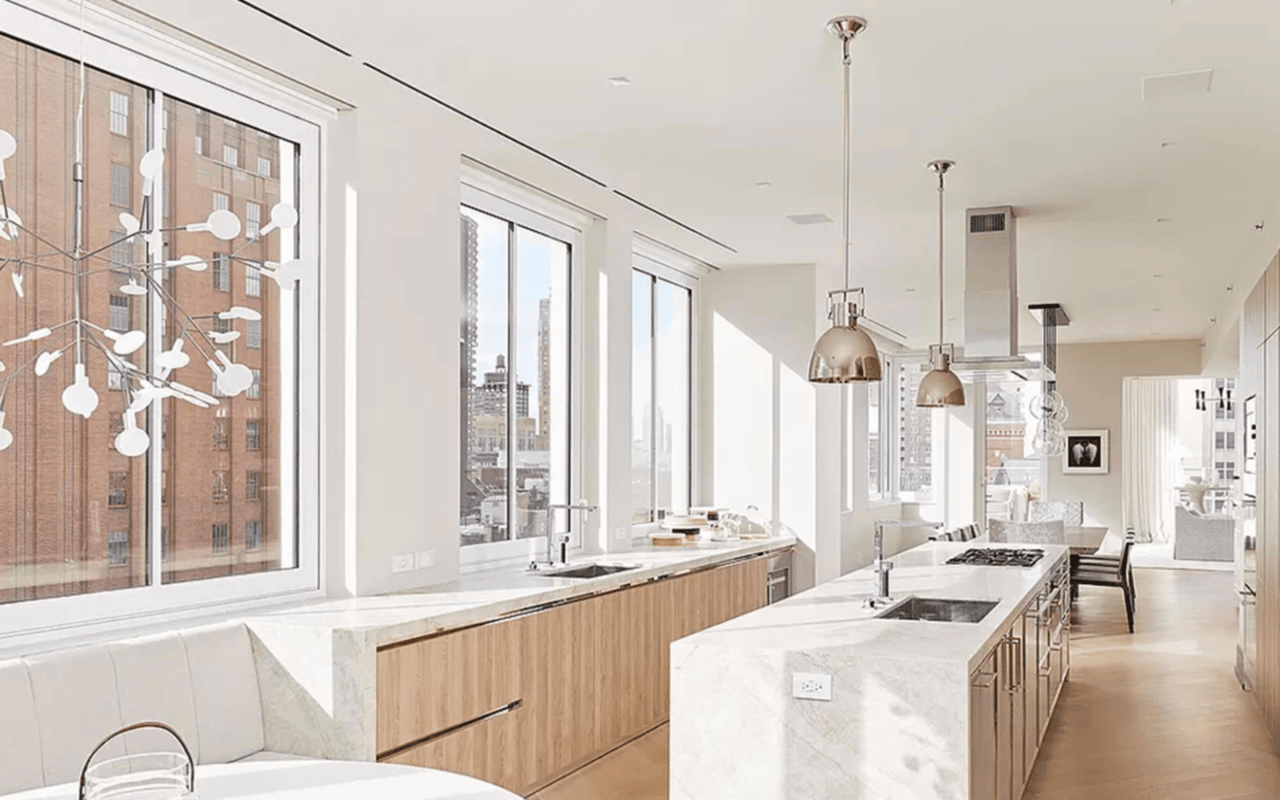
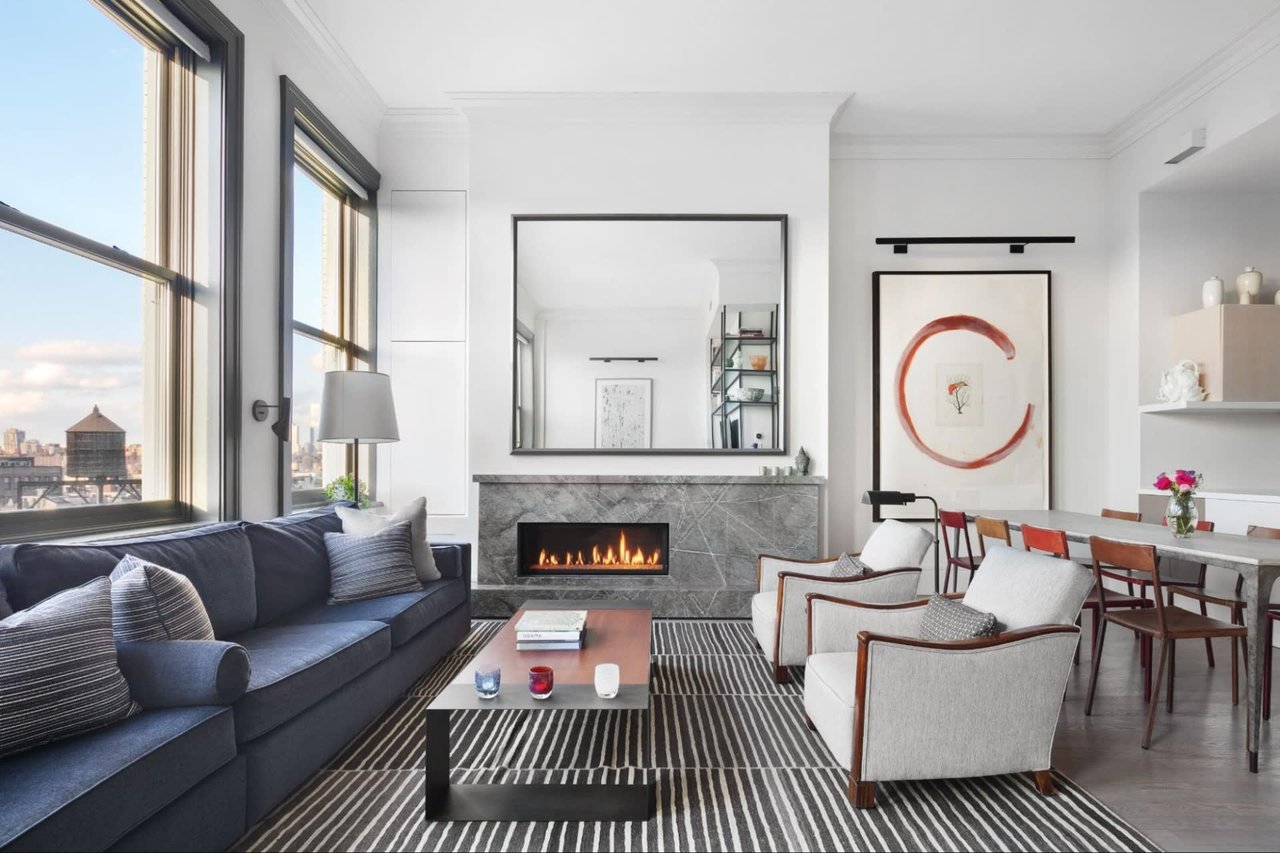
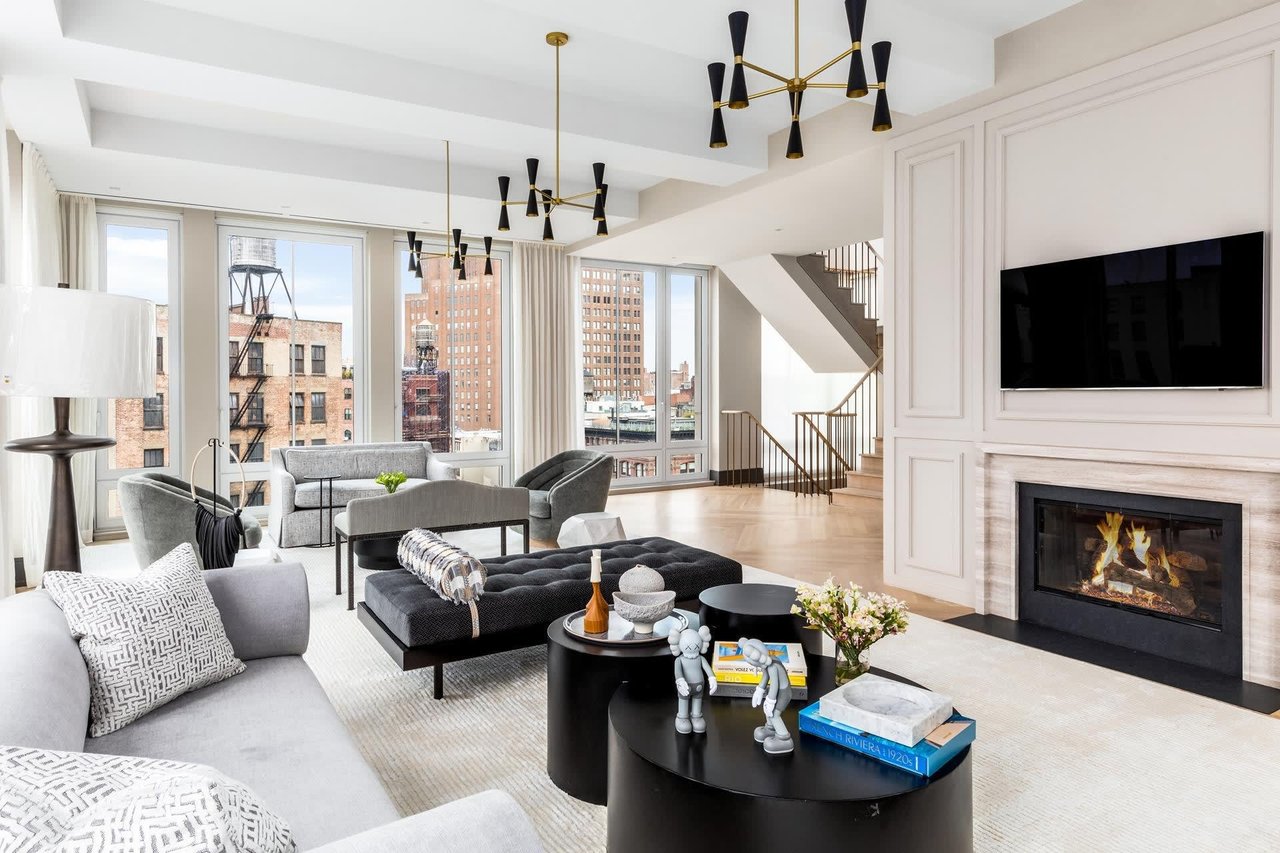
That architectural history shapes how many residences feel today. High ceilings, broader living areas, and more flexible room arrangements are common features tied to former loft and warehouse typologies, though they are not universal in every home or building.
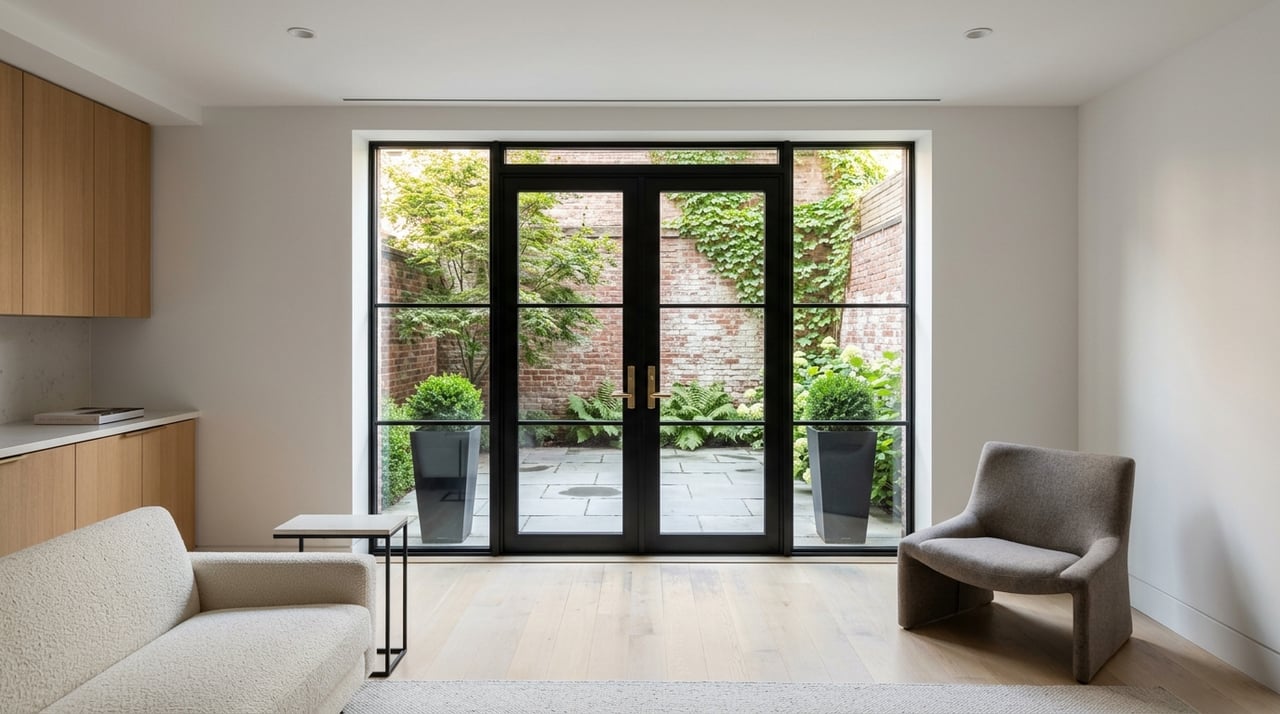
For a growing household, that flexibility can be meaningful. You may be looking for an extra bedroom, a home office that can evolve over time, or a layout that gives everyone a little more breathing room without leaving downtown.
Loft character and modern amenities
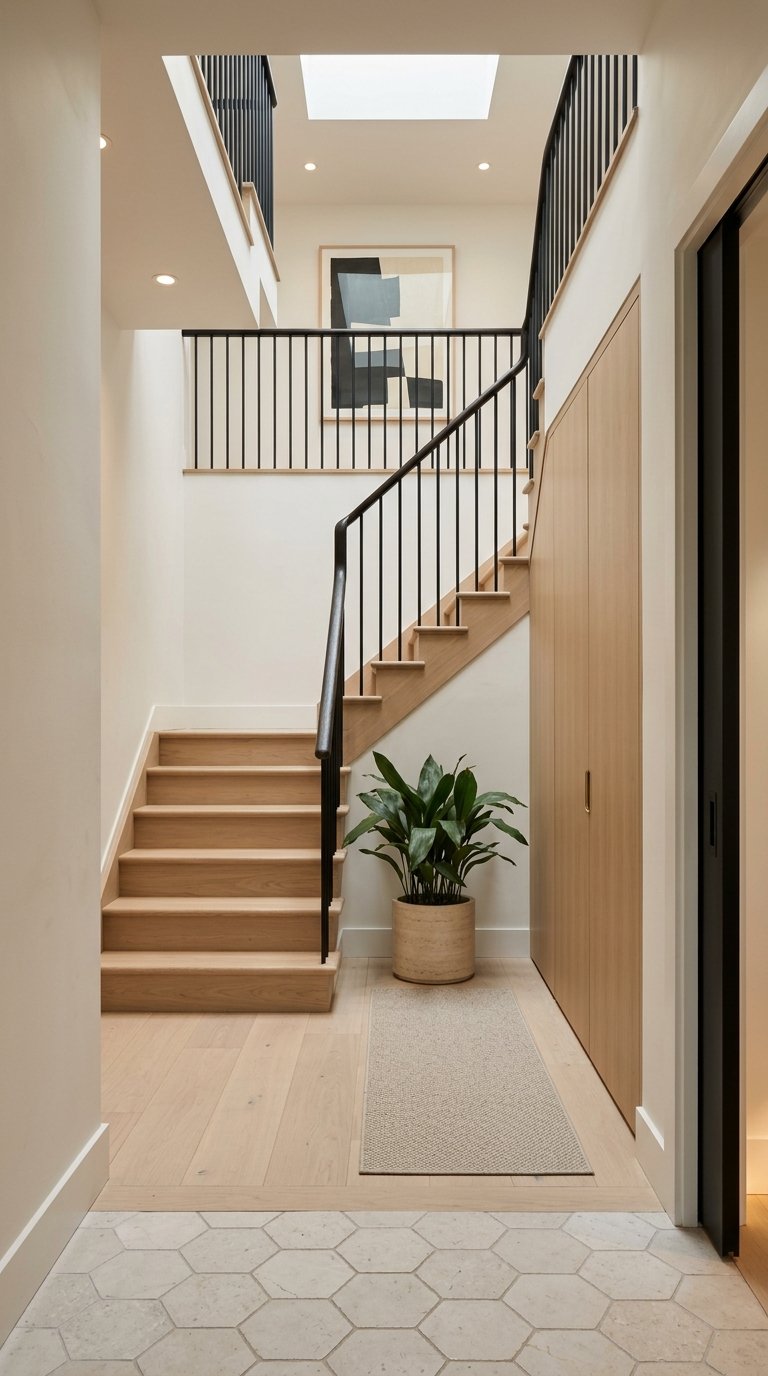
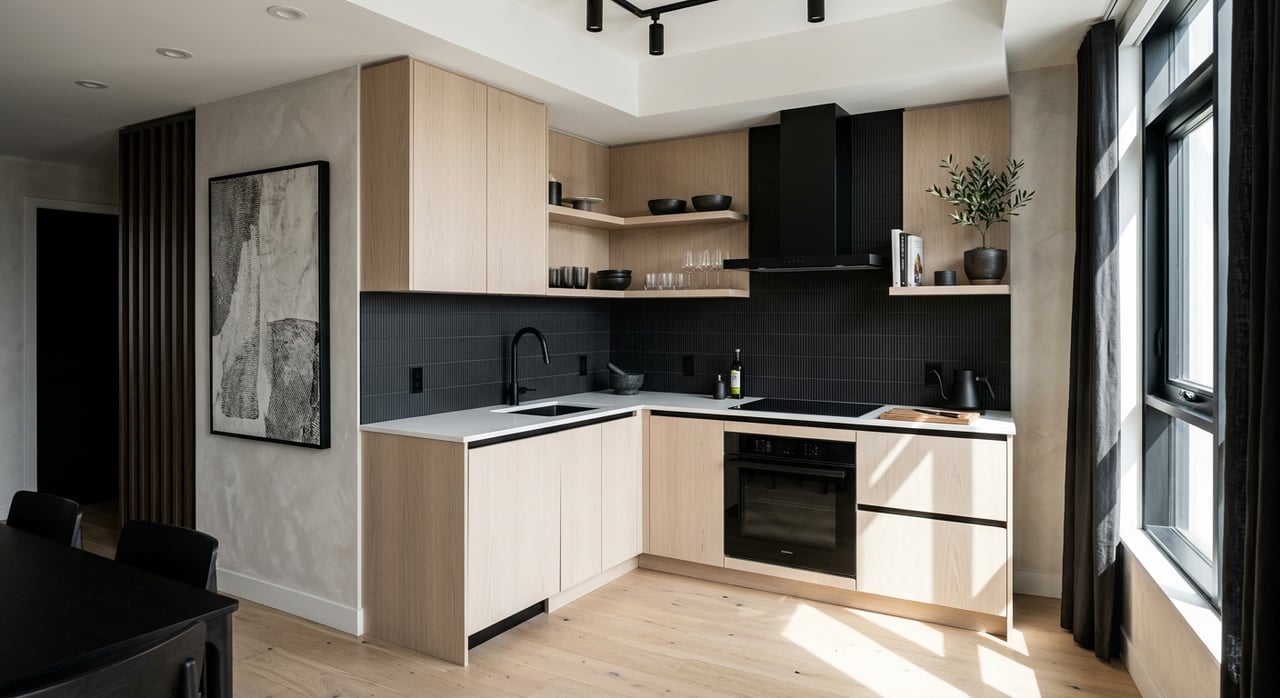
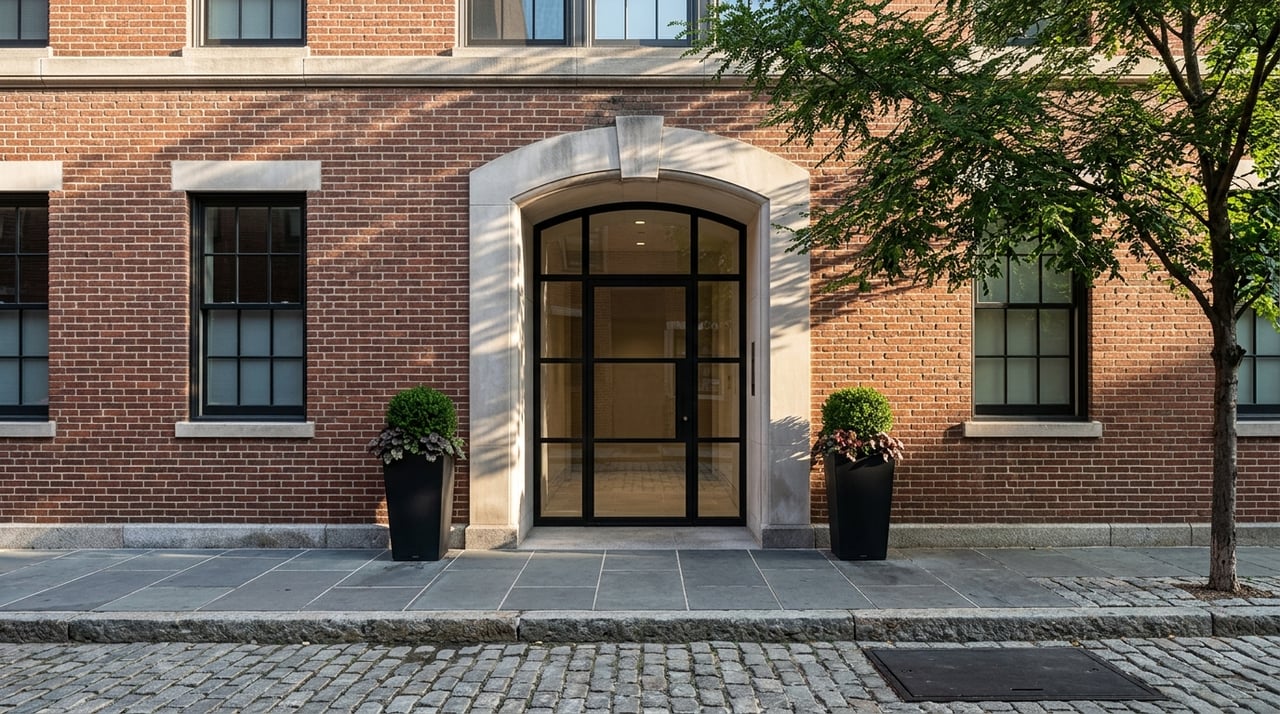
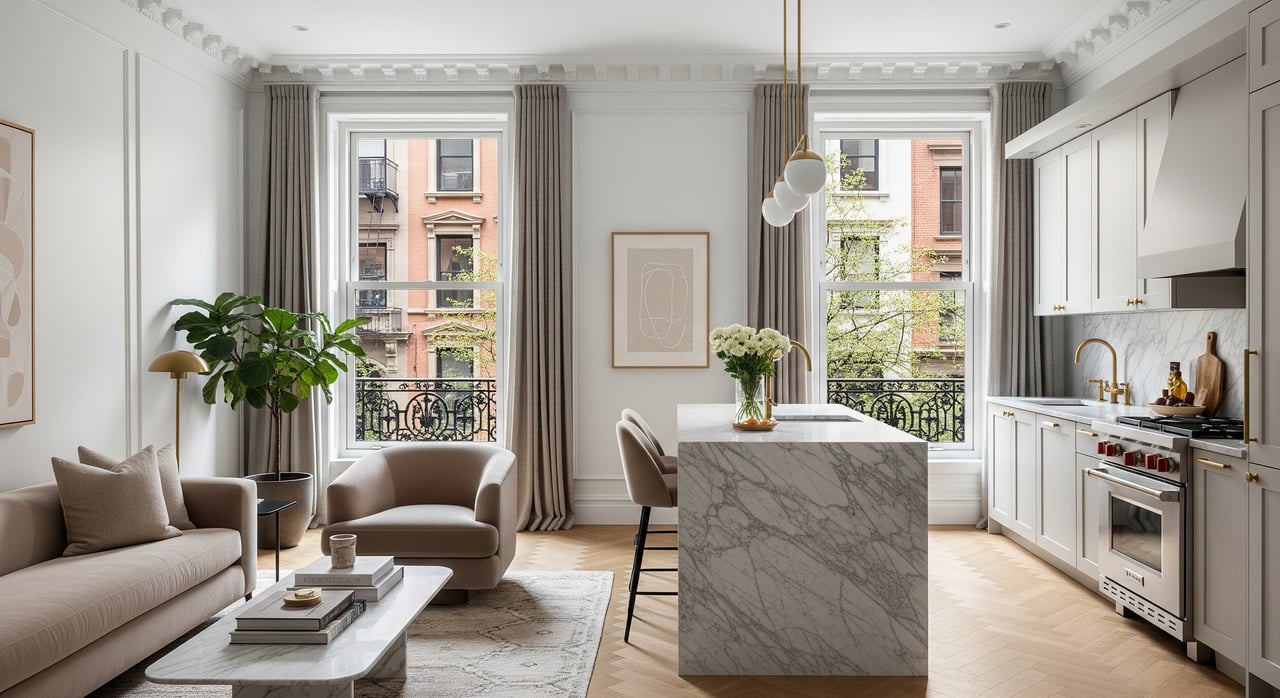
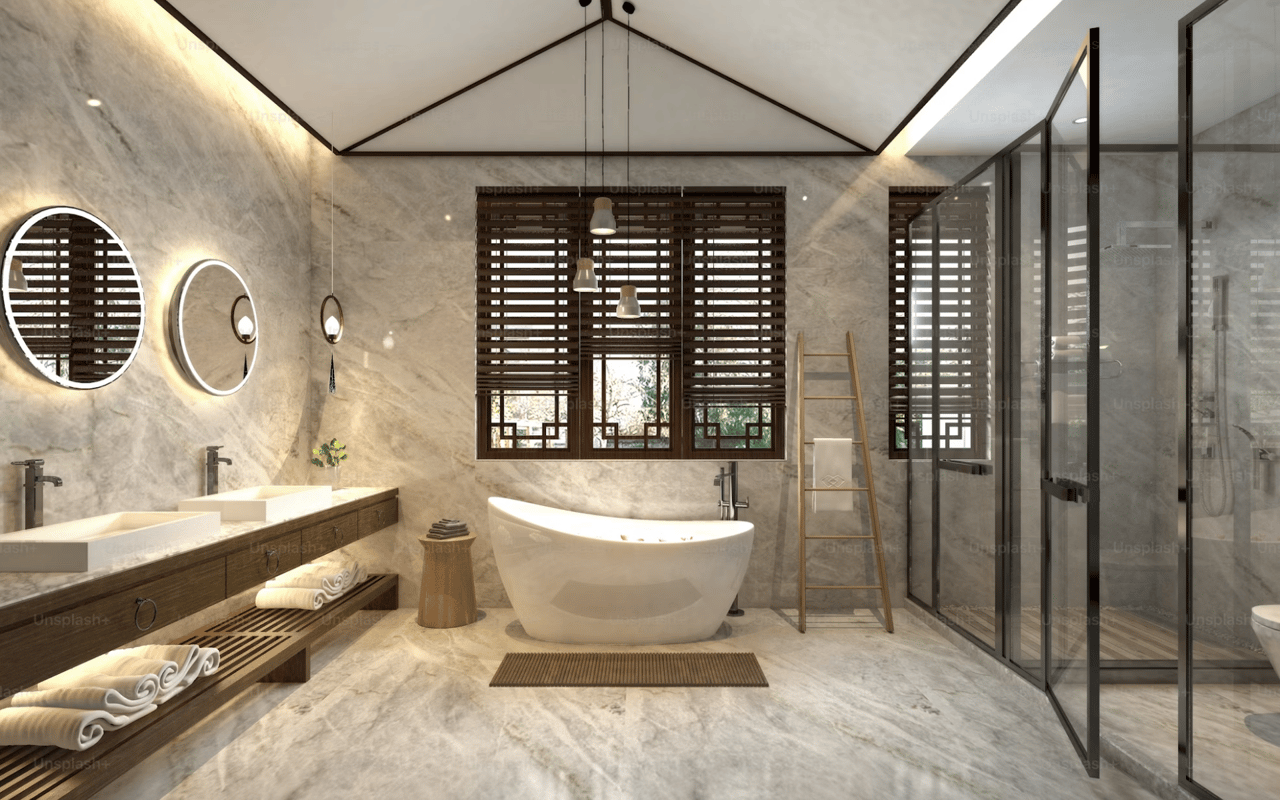
One of Tribeca’s strengths is that it offers more than one version of upscale urban living. In some homes, the appeal is classic loft character. In others, it is newer construction with extensive amenity packages that support a smoother daily routine.
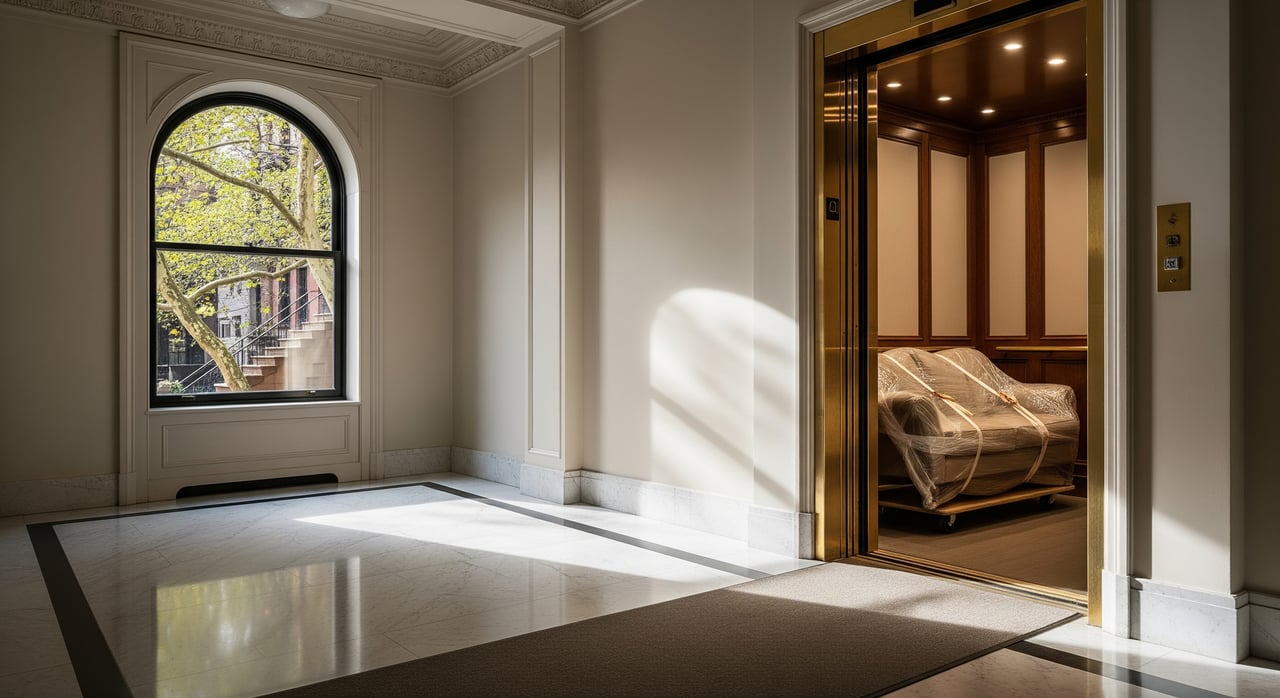
At 111 Murray Street, for example, the building highlights more than 20,000 square feet of amenities, including a children’s playroom, teen recreation room, pool, fitness center, and private dining spaces. Press materials for 108 Leonard describe one- to four-bedroom residences and amenities such as valet parking, a lap pool, roof deck, screening room, billiards room, and bicycle storage.
That variety gives buyers a useful framework. In Tribeca, you are often choosing between historic scale and character or newer amenity-rich living, rather than expecting every building to offer the same mix.
Parks make routines easier
For many households, Tribeca’s biggest advantage is not just interior space. It is the ease of getting outside without turning a simple outing into a major production.
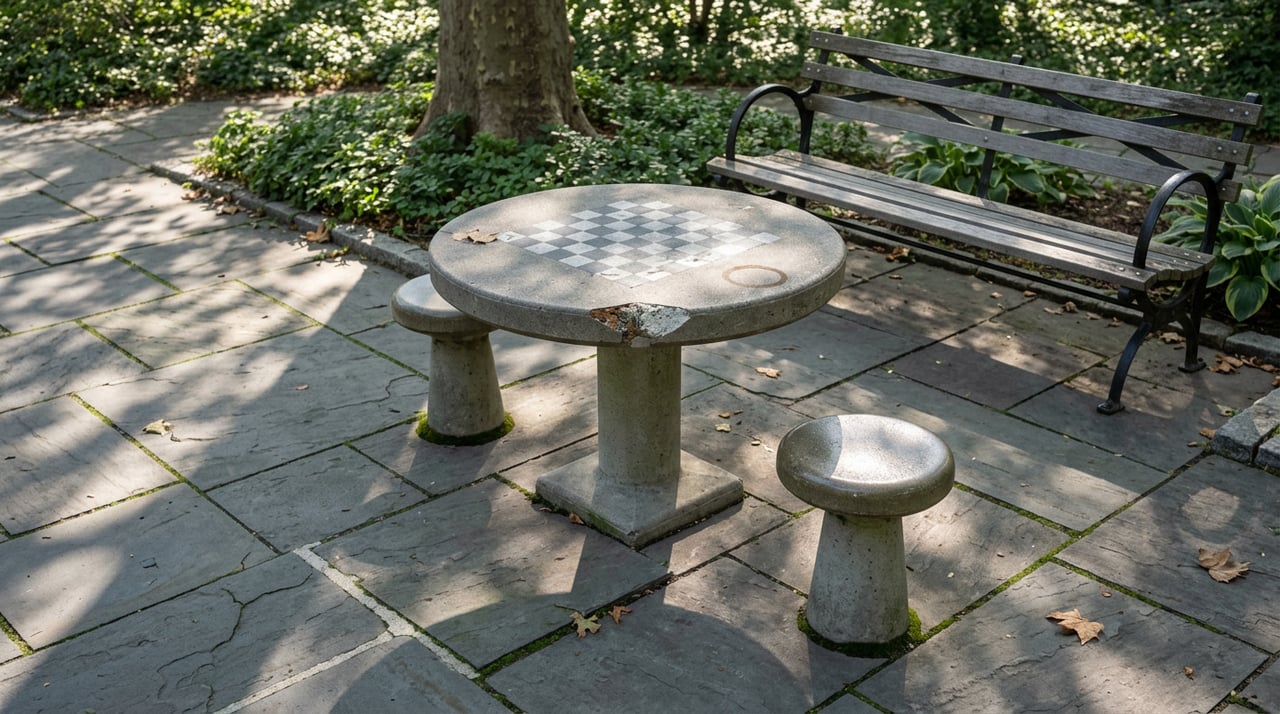
Washington Market Park is one of the clearest examples. NYC Parks describes it as a popular neighborhood destination with a tennis court, basketball courts, a tree-covered playground, spray showers, and smaller play areas including the ship-shaped S.S. Fun! area.
That kind of park supports repeatable routines that are easy to sustain. A quick stop after school, a short weekend outing, or an hour to let kids burn off energy can all happen close to home.
Waterfront options expand your week
Hudson River Park adds another layer to everyday life in Tribeca. At Pier 25, you will find Manhattan’s only 18-hole miniature golf course, sand volleyball courts, a children’s playground with water features and climbing structures, a turf field, and a snack bar.
Nearby Pier 26 Science Playground brings a more educational play setting to the waterfront, with marine-science-inspired features, interactive elements, plantings, and warm-weather water play. Pier 26 also includes an ecologically themed public space with native plantings, a habitat walk, a lawn, and a Tide Deck experience described by Hudson River Park as focused on river ecology.
If your household includes a dog, Tribeca Dog Park is another routine-friendly asset, with separate areas for small and large dogs, plus fountains and sprinkler areas. Hudson River Park spans four miles along Manhattan’s west side and records more than 17 million visits a year, which speaks to how central it is to lower Manhattan life.
Grocery runs stay close to home
A neighborhood works differently when food shopping feels easy. Tribeca offers both market-style shopping and full-service grocery options that can fit different schedules.
The Tribeca Greenmarket, located at Greenwich and Chambers Streets, operates year-round on Wednesdays and Saturdays. According to GrowNYC, shoppers can find produce, meat, seafood, sheep’s milk cheese and yogurt, orchard fruit, berries, herbs, live plants, and cut flowers.
That setup can be especially appealing if you value a walkable routine. Instead of building your week around a long grocery trip, you may be able to fold a market stop into an ordinary neighborhood walk.
For day-to-day convenience, the Whole Foods Tribeca store at 270 Greenwich Street lists daily hours from 7:00 a.m. to 10:00 p.m. and offers pickup, delivery, prepared foods, coffee, sushi, a hot and salad bar, bakery items, and CSA pickup. For busy households, that range can help with both planned shopping and last-minute meals.
Library and culture add depth
Tribeca’s routine is not only about housing and parks. It also benefits from nearby public resources that can make the neighborhood feel more complete.
The Battery Park City Library offers books, Wi-Fi, classes, and events for all ages. The New York Public Library also notes that the branch includes a children’s reading area, programming space, and public computers.
For cultural outings, BMCC Tribeca Performing Arts Center at 199 Chambers Street presents music, dance, and children’s theatre. That adds another local option when you want your week to include something beyond the standard park and grocery rhythm.
What buyers should keep in mind
Tribeca can be highly appealing for households that want to stay in downtown Manhattan while gaining more livable space and easier routines. But it helps to approach the search with a clear understanding of what the neighborhood does, and does not, consistently offer.
The core advantage is the combination of larger-format homes, strong public amenities, and a compact neighborhood pattern. The key nuance is that Tribeca is also a built-out premium market, so inventory can vary significantly by building type, condition, and amenity profile.
In other words, your search may be less about finding a generic “family apartment” and more about identifying the right fit between layout, building style, outdoor access, and day-to-day priorities. Some buyers lean toward authentic loft volume and architectural character. Others prioritize full-service buildings with playrooms, fitness space, and newer common areas.
How to evaluate Tribeca for your household
If you are comparing Tribeca with other downtown neighborhoods, it helps to focus on how you actually live rather than on headline features alone.
Consider questions like these:
- Do you want loft-like proportions or a newer condo experience?
- How important is immediate access to playgrounds or waterfront space?
- Will building amenities reduce the need to leave home for recreation?
- Do you prefer a weekly market routine, full-service grocery convenience, or both?
- Does your household need flexible rooms for work, guests, or changing routines over time?
In Tribeca, the best choice is often the one that simplifies your week. When home layout, nearby amenities, and neighborhood rhythm align, the result can feel less like a compromise and more like a long-term fit.
If you are thinking about buying, selling, or planning your next move in Tribeca, working with an advisor who understands the neighborhood at a granular level can make that process much more efficient. For a private consultation, connect with At the Firm.
FAQs
What makes Tribeca appealing for growing households?
- Tribeca often appeals to growing households because it combines loft-style space or larger modern residences with nearby parks, grocery options, waterfront recreation, and cultural resources that support an easier daily routine.
What types of homes are common in Tribeca?
- Tribeca is closely associated with historic store-and-loft and warehouse buildings that can support high ceilings and flexible layouts, along with newer condo buildings that offer amenity-rich living.
Which parks in Tribeca support everyday routines?
- Washington Market Park, Pier 25, Pier 26, the Pier 26 Science Playground, and Tribeca Dog Park are all useful neighborhood amenities for regular outdoor time, play, and recreation.
Where can Tribeca residents shop for groceries?
- Tribeca residents have access to the year-round Tribeca Greenmarket at Greenwich and Chambers Streets and the Whole Foods store on Greenwich Street for full-service grocery shopping, pickup, and prepared foods.
Are there cultural and public resources near Tribeca?
- Yes. Nearby resources include the Battery Park City Library for books, classes, and events, and BMCC Tribeca Performing Arts Center for music, dance, and children’s theatre programming.