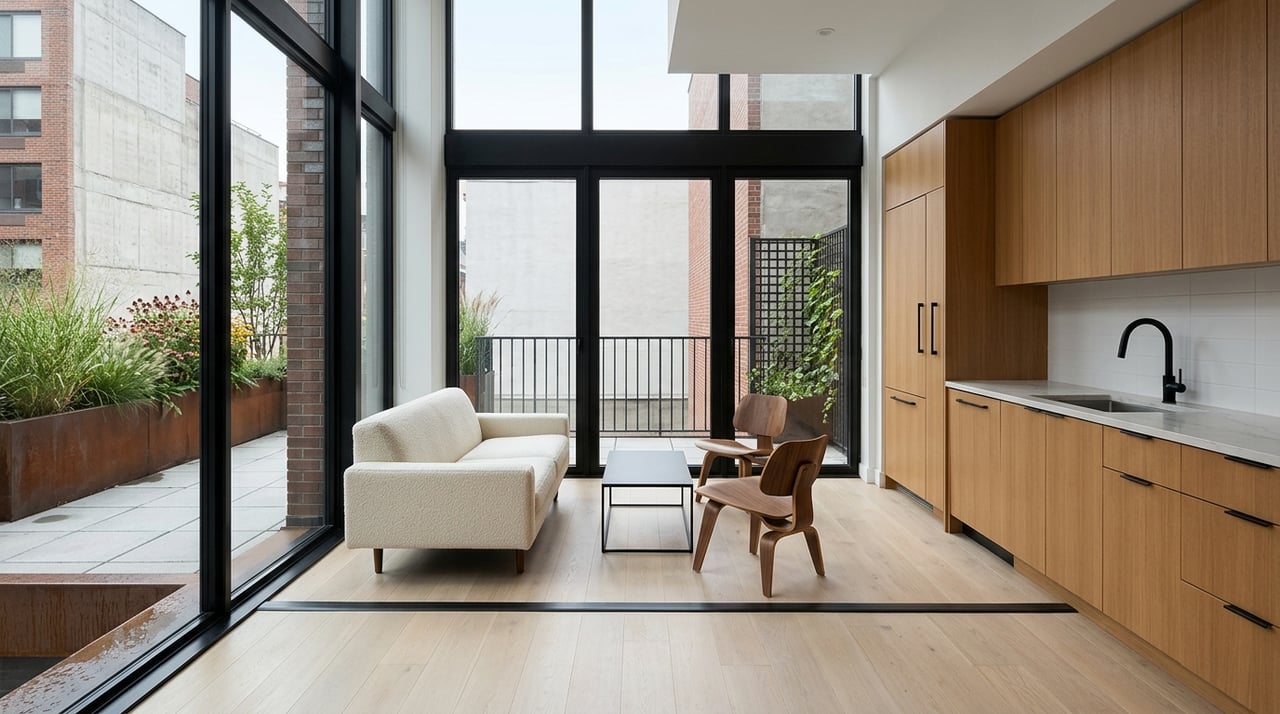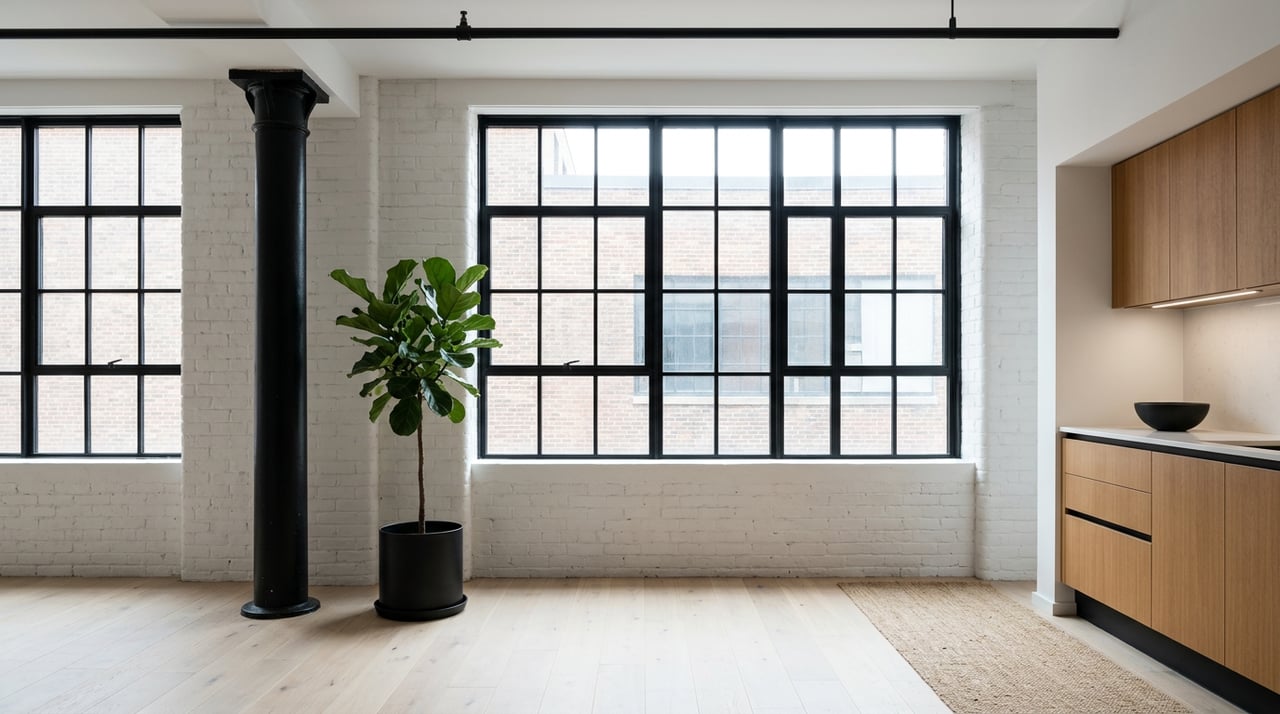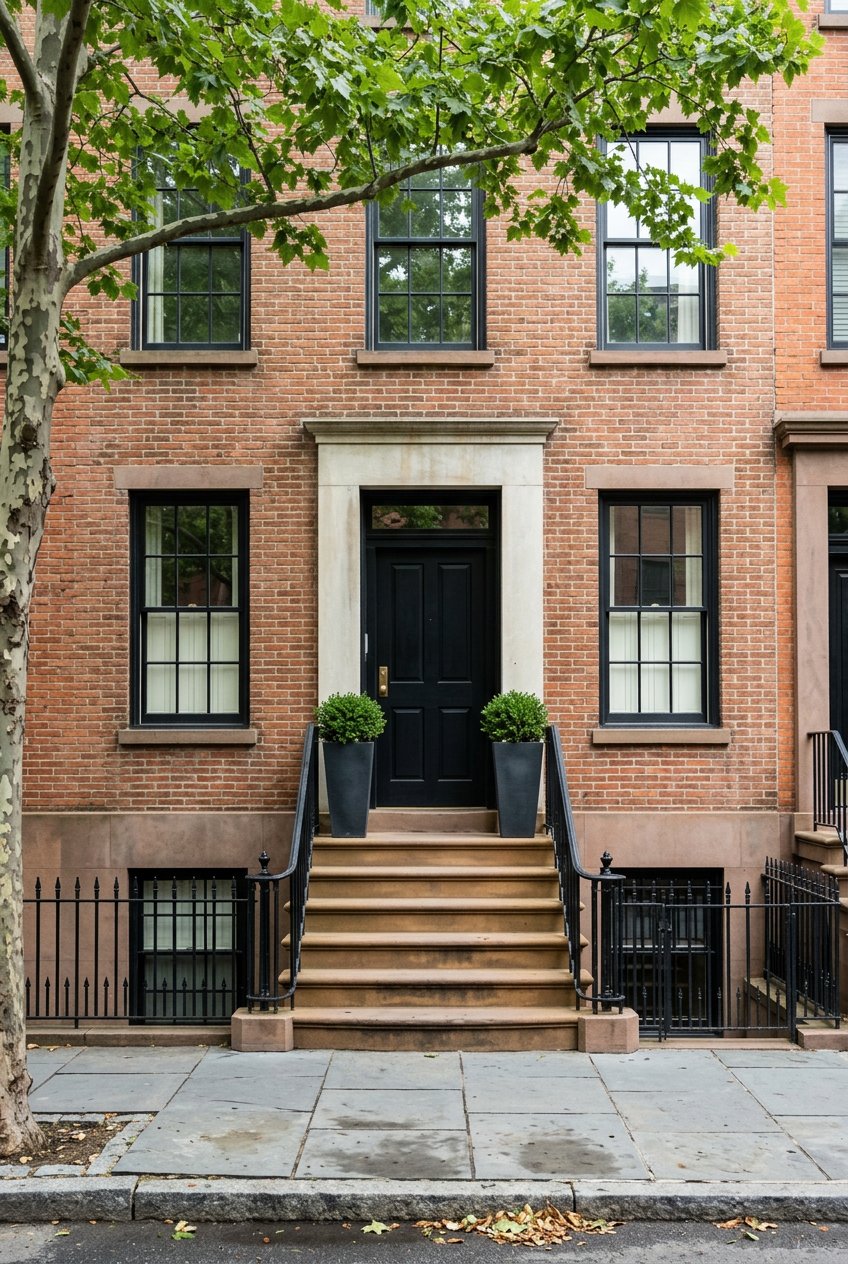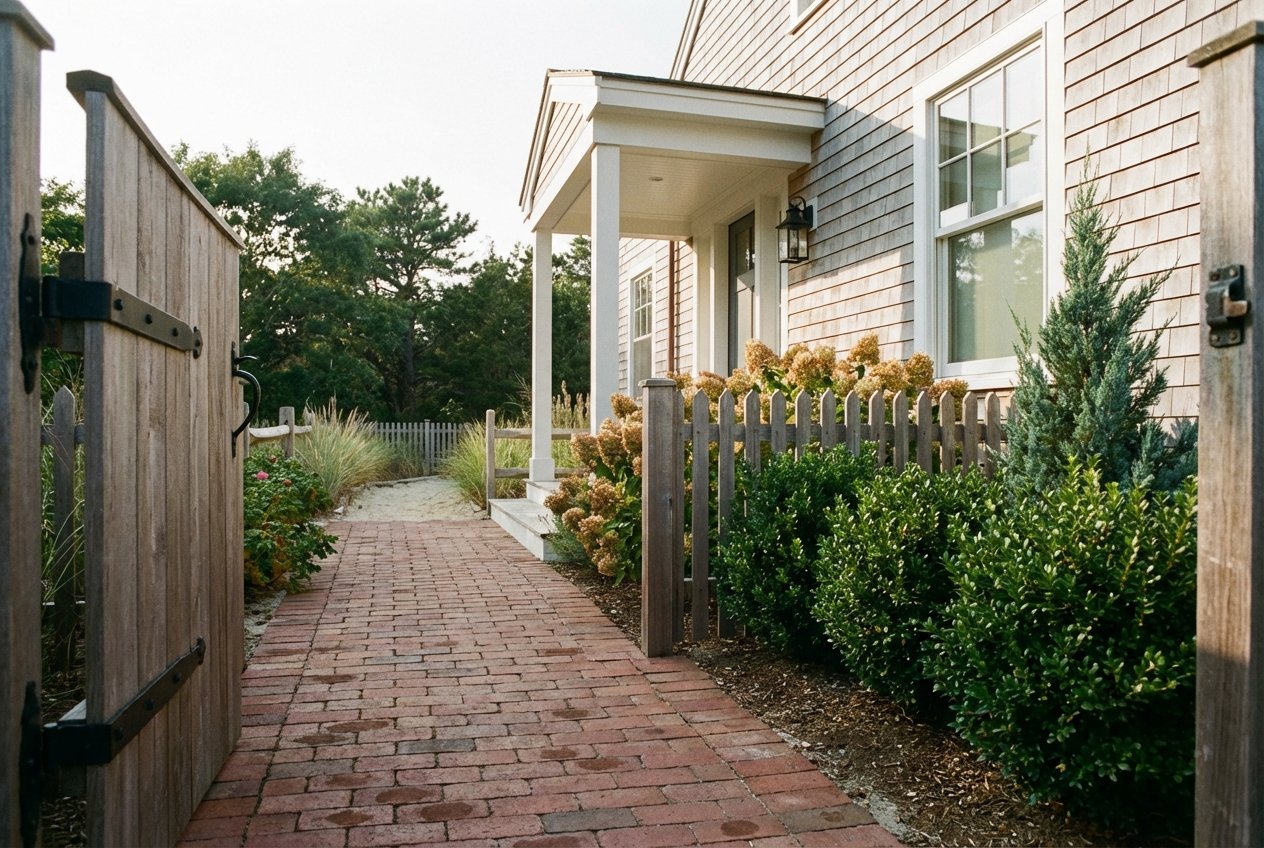
Choosing between Tribeca and West Chelsea is not just about price per square foot. It is about how you want to live, what kind of building experience you value, and which forms of scarcity are more likely to matter to you over time. If you are weighing these two downtown Manhattan markets, understanding the lifestyle drivers behind long-term value can help you make a smarter, more confident decision. Let’s dive in.
Why lifestyle matters to long-term value
In luxury Manhattan real estate, long-term value is often shaped by more than inventory numbers alone. The physical setting, planning rules, cultural anchors, and day-to-day feel of a neighborhood all influence how buyers respond to a property over time.
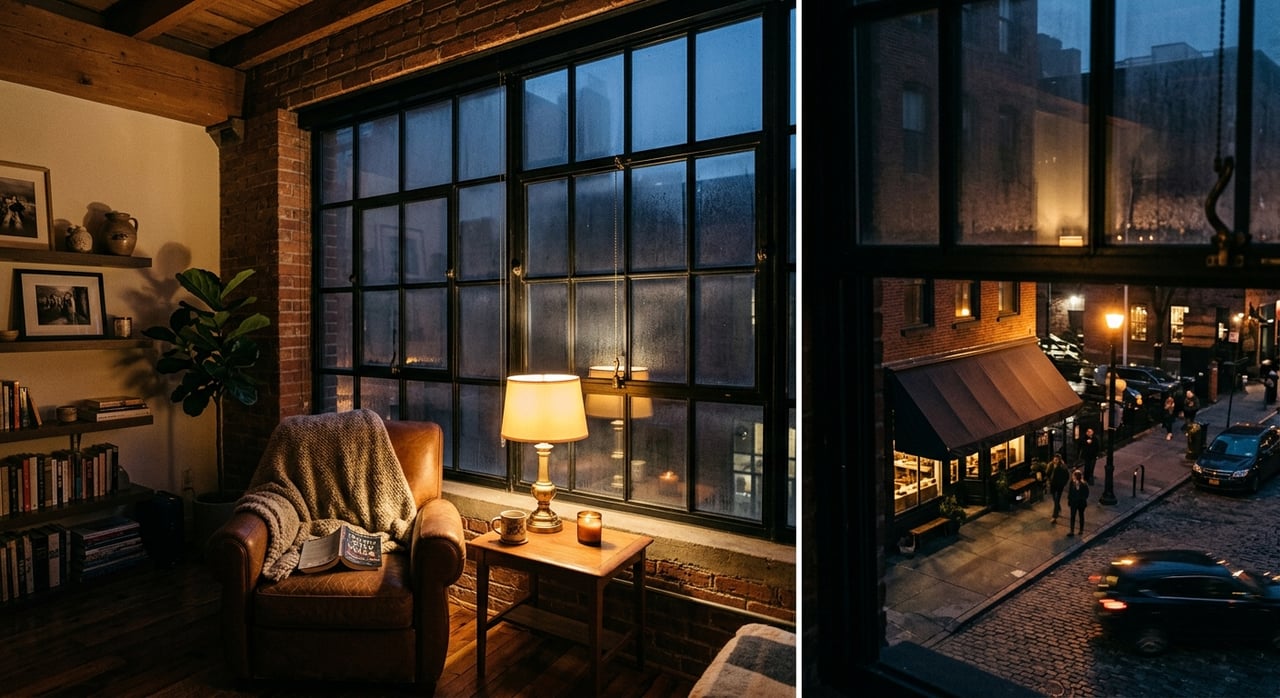
That is especially true in Tribeca and West Chelsea. Both are established downtown markets, but each rewards a different kind of appeal. Tribeca tends to trade on preserved loft character, waterfront access, and a quieter residential rhythm, while West Chelsea leans more heavily on design, art, and proximity to the High Line.
Tribeca: calm, scale, and protected character
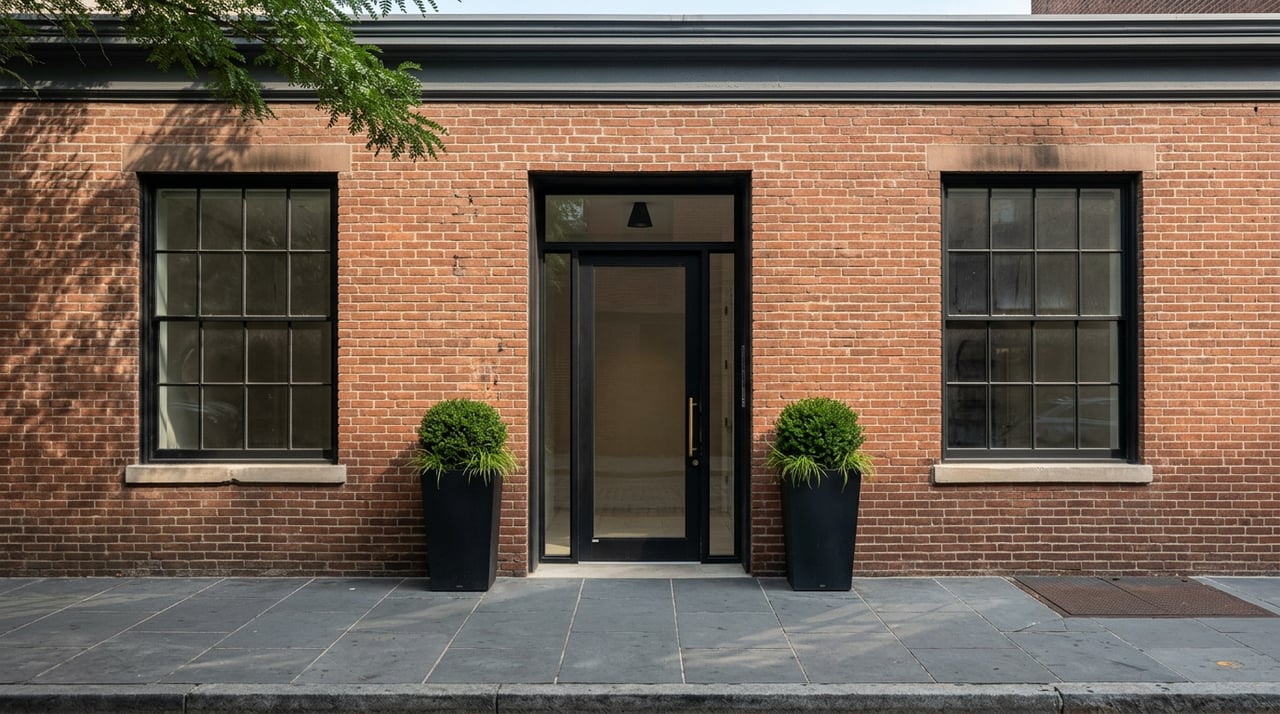
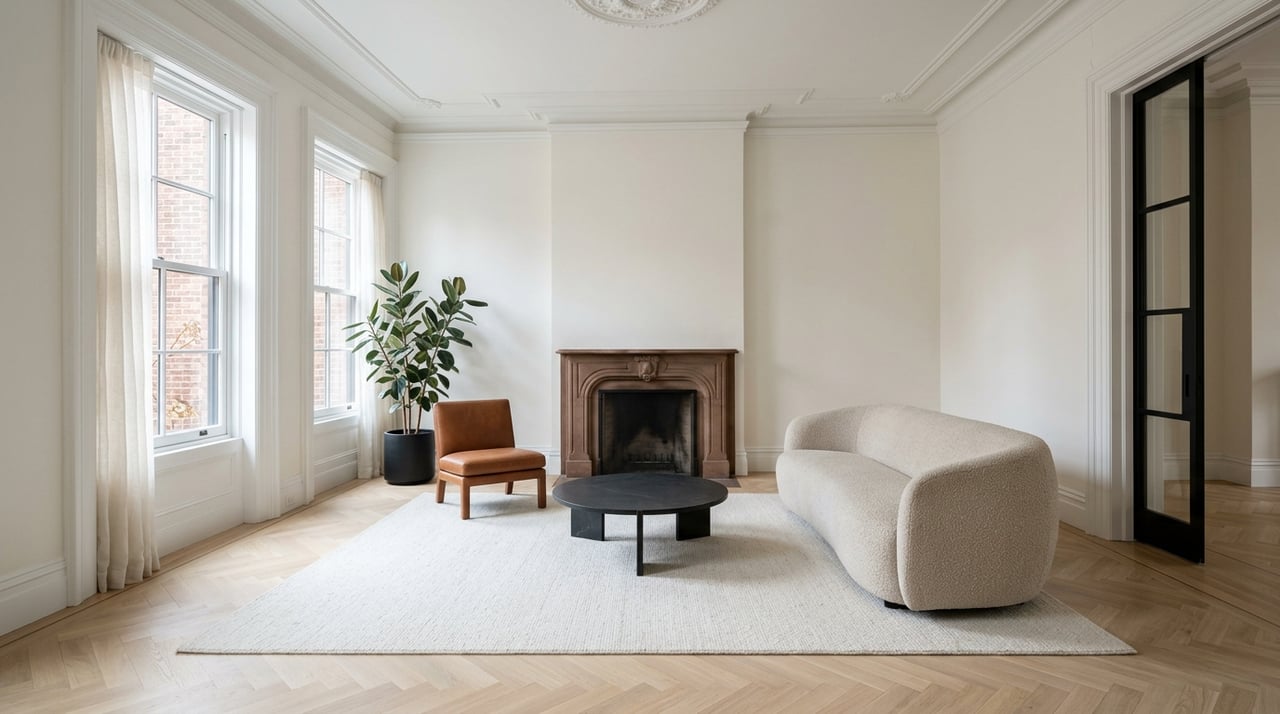
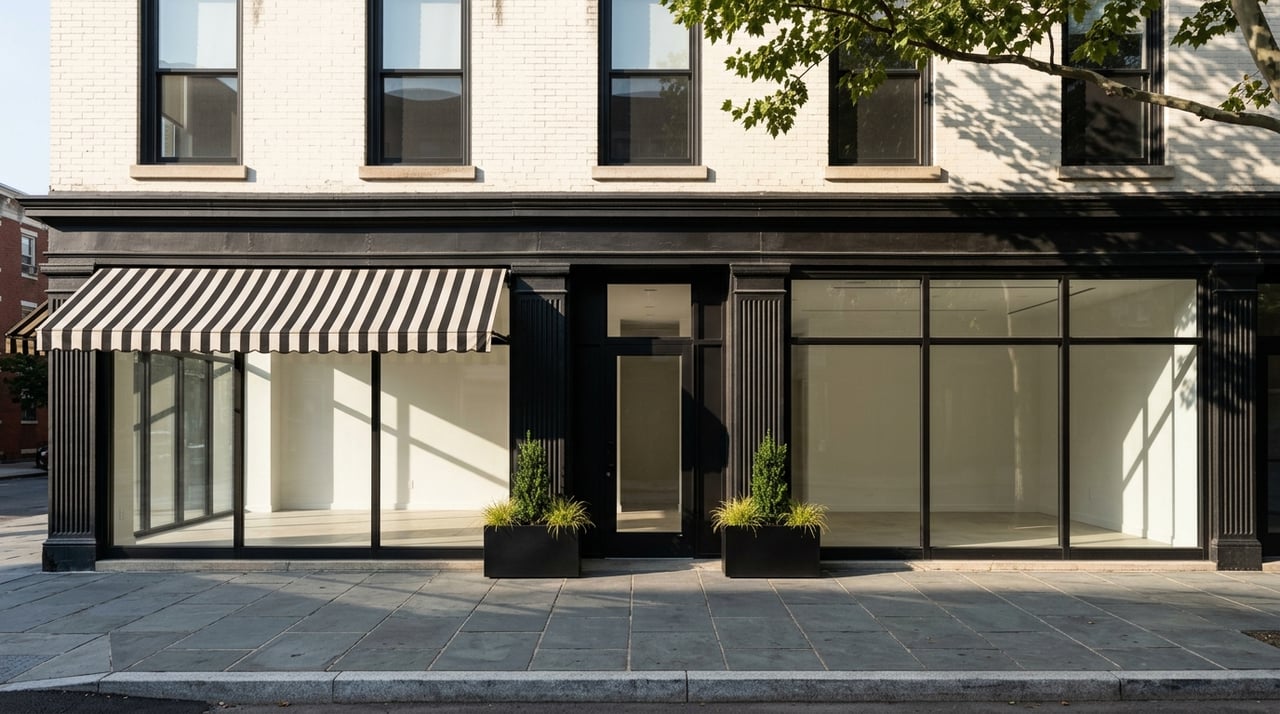
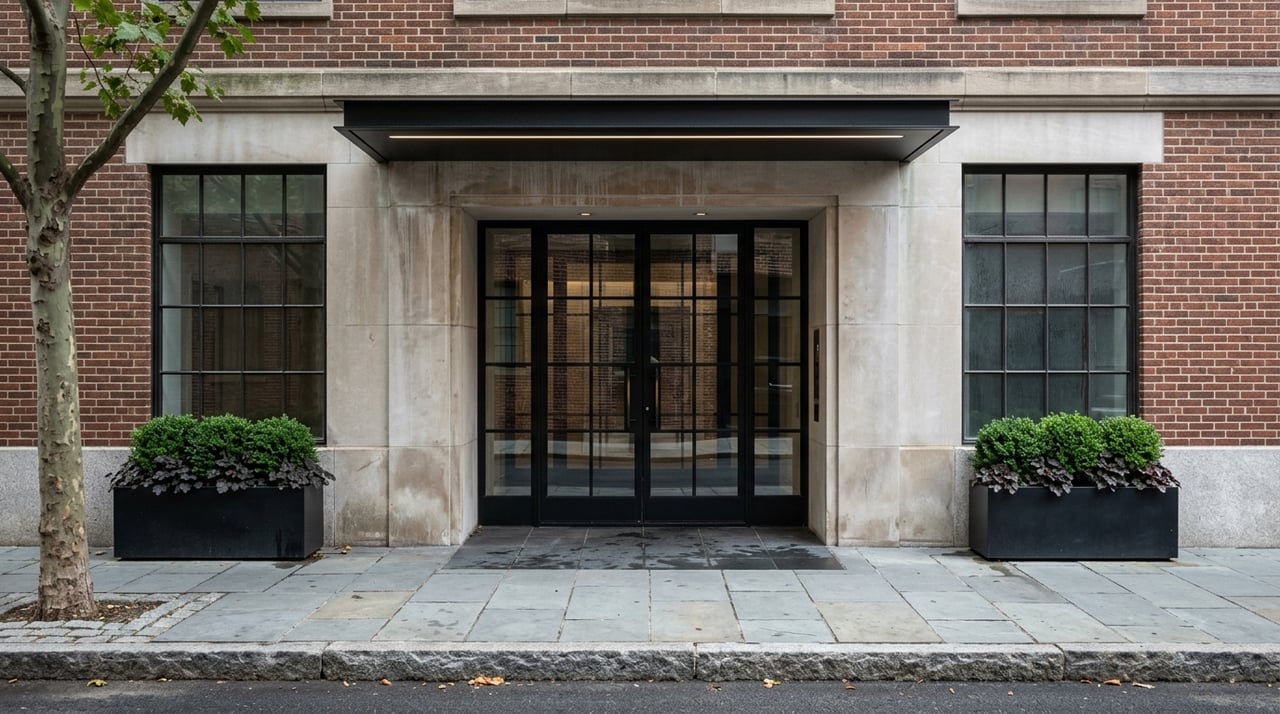
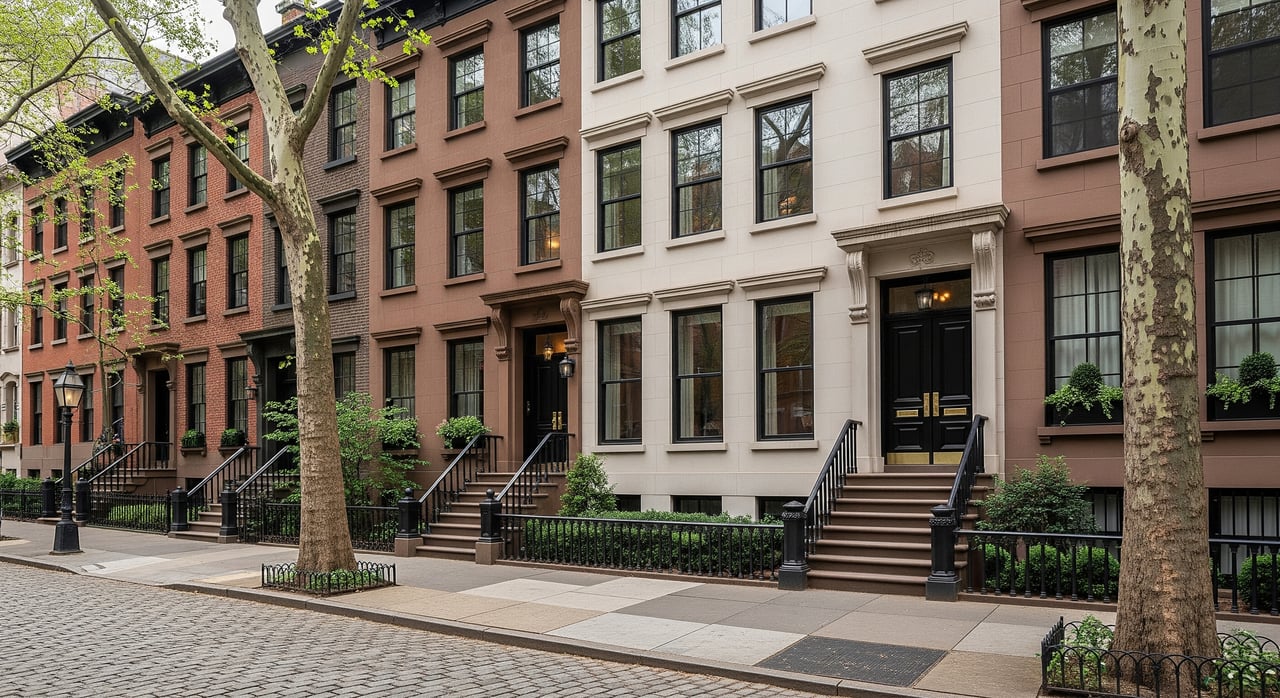
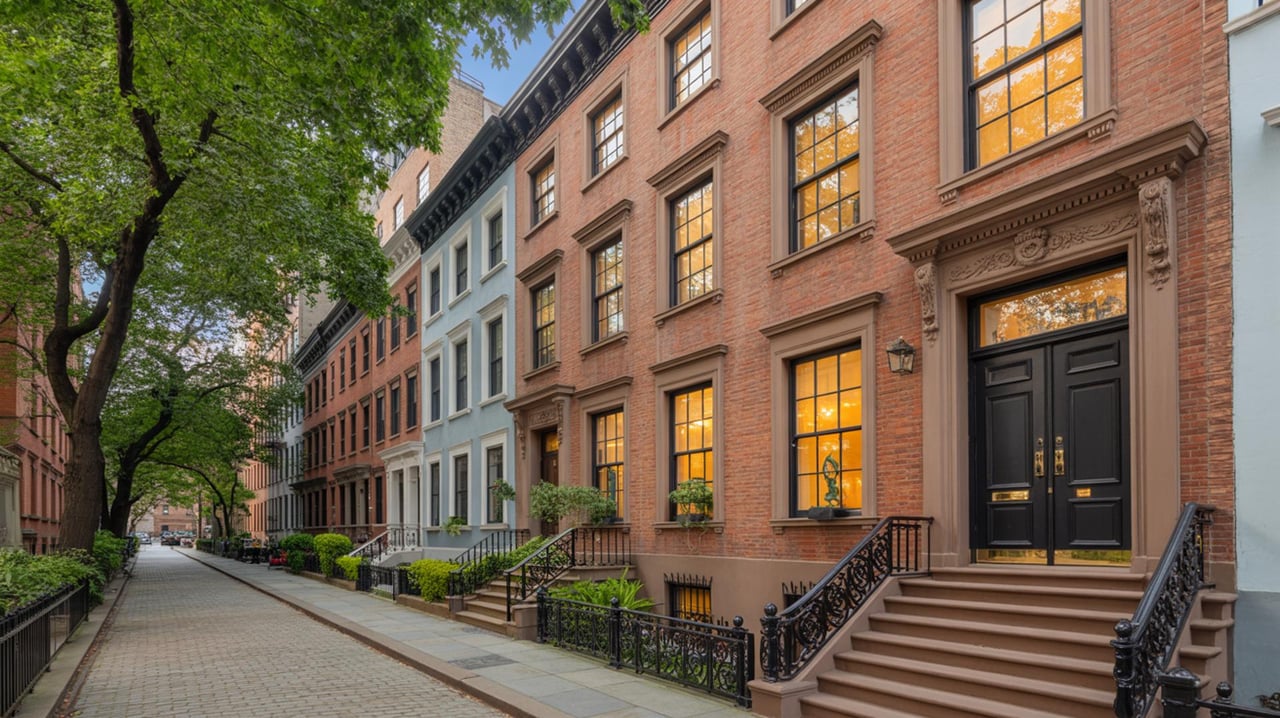
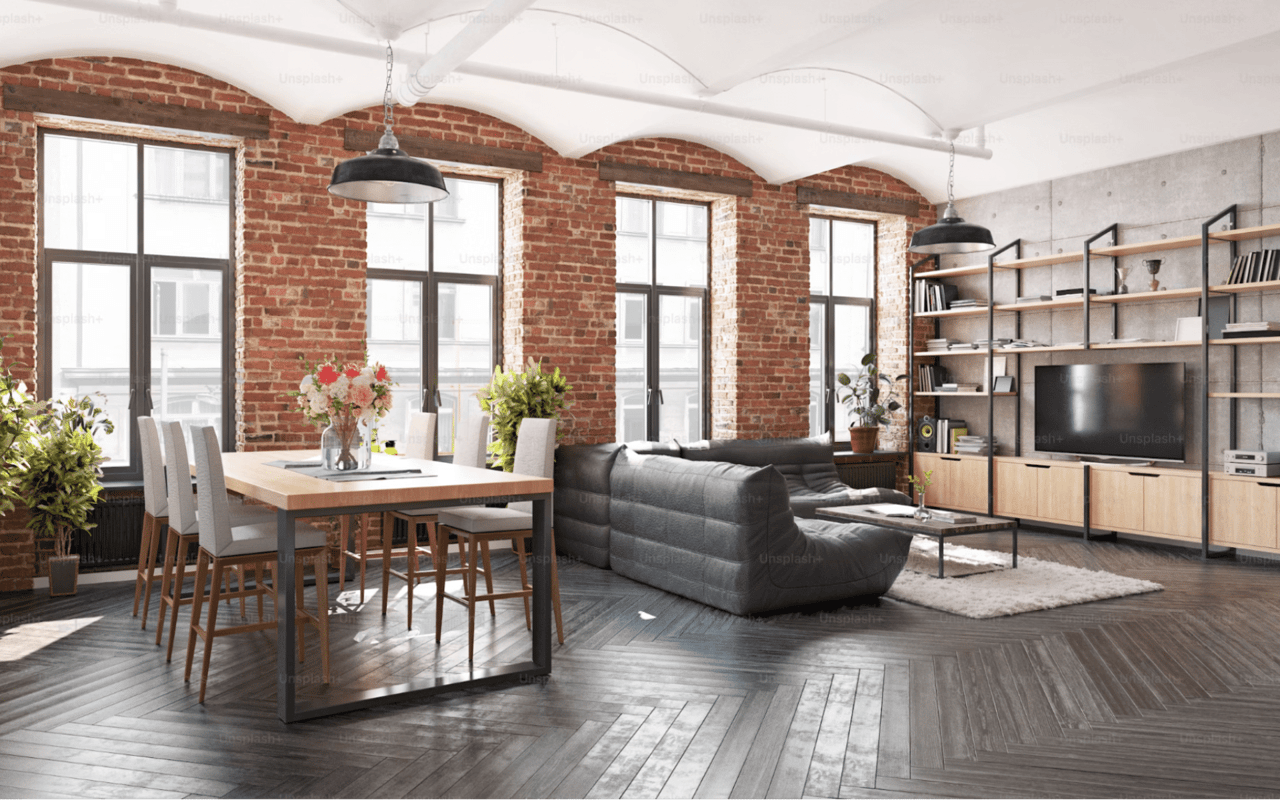
Tribeca’s appeal starts with its built form. The neighborhood includes a mix of older loft buildings, many with narrow street frontages, and mid-rise buildings with full lot coverage that reflect its industrial and commercial past.
The Special Tribeca Mixed Use District was created to support a controlled mix of residential and non-residential uses, retain stable industries, and allow housing at an appropriate type and density. In practical terms, that framework helps explain why Tribeca often feels more measured and less exposed to abrupt change.
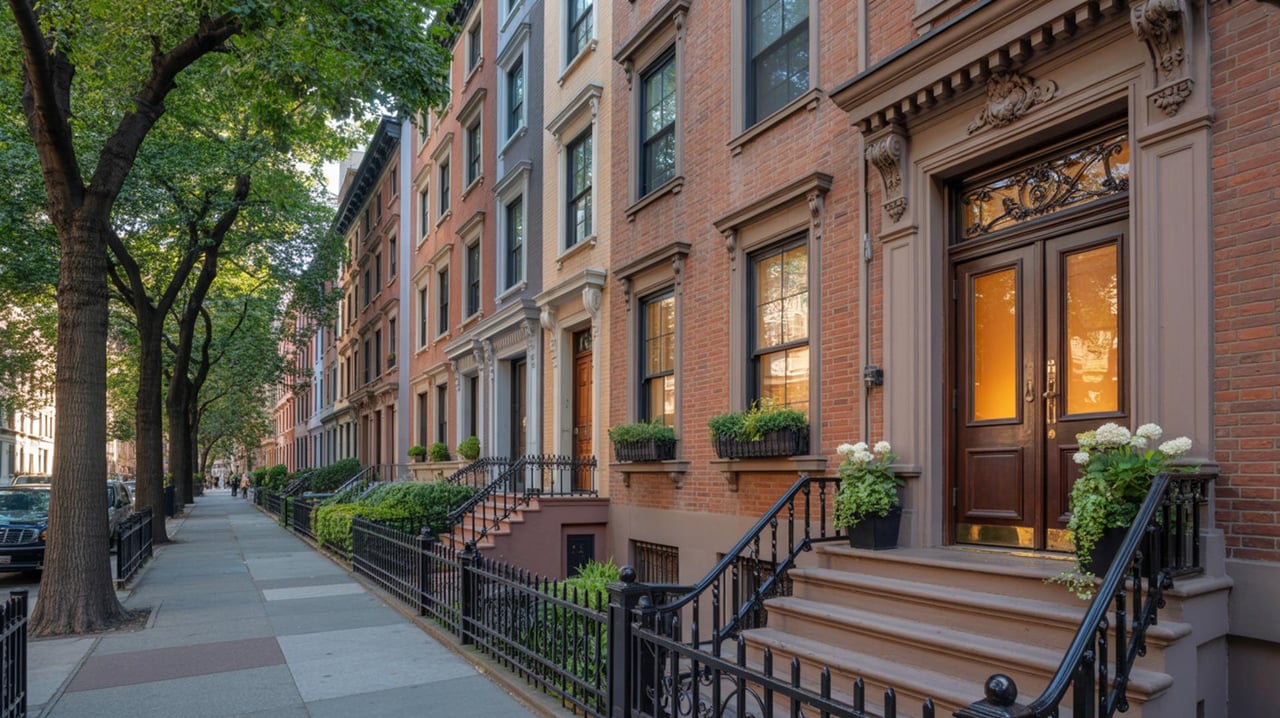
Historic preservation adds another layer. Tribeca South was designated as a historic district in 1992, with an extension added in 2003, and changes to designated properties require review by the Landmarks Preservation Commission.
For buyers, that matters because it can support a stronger sense of continuity. When a neighborhood has preservation oversight and a distinct architectural identity, its value story often becomes more tied to scarcity and less tied to rapid redevelopment.
How Tribeca feels day to day
Tribeca’s lifestyle anchor is Hudson River Park. Along the neighborhood’s stretch of the waterfront, you have access to Pier 25, Pier 26, the Tribeca Native Boardwalk, dog runs, basketball and tennis courts, beach volleyball, kayaking, a marina, and other recreational space.
That riverfront access gives Tribeca more than pretty views. It creates an active outdoor lifestyle that feels residential, grounded, and useful in everyday life.
The neighborhood also carries a strong cultural identity through the Tribeca Festival, which was founded in 2001 to help spur the economic and cultural revitalization of lower Manhattan after 9/11. Together, the waterfront and the festival contribute to a neighborhood that feels established, recognizable, and distinct without being overly public-facing.
West Chelsea: design, visibility, and public energy
West Chelsea has a different value engine. Its planning framework and street experience create a neighborhood where architecture, frontage, and exact location within the district can have an outsized impact on long-term appeal.
The Special West Chelsea District was created to guide mixed-use redevelopment, support arts-related uses, facilitate the High Line as public open space, and create a transition between the Chelsea Historic District and Hudson Yards. The area evolved from a landscape of light manufacturing, storage, and auto-related uses into a gallery-centered district with a broader mix of building types.
That zoning framework allows different forms depending on location, including street-wall buildings in some areas and tower-on-a-base forms in higher-density sections. It also aims to keep residential use out of the midblock core in order to preserve gallery and compatible commercial activity.
How West Chelsea feels day to day
West Chelsea’s defining lifestyle feature is the High Line. The park runs 1.45 miles from Gansevoort Street to West 34th Street, and its physical presence directly shapes nearby development through easements, frontage rules, and protections for light, air, and views.
This creates a neighborhood experience that feels more activated and outward-facing. The Whitney Museum at 99 Gansevoort Street sits at the southern entrance to the High Line, and the surrounding area is widely associated with gallery activity and contemporary cultural life.
For some buyers, that energy is exactly the point. West Chelsea can offer a more public art-and-design environment, with value often tied closely to a building’s relationship to the High Line, its view corridors, and the strength of its architectural package.
Why scarcity works differently in each neighborhood
Tribeca and West Chelsea are both scarce in their own way, but the scarcity is not interchangeable. That distinction is one of the most important factors in long-term value.
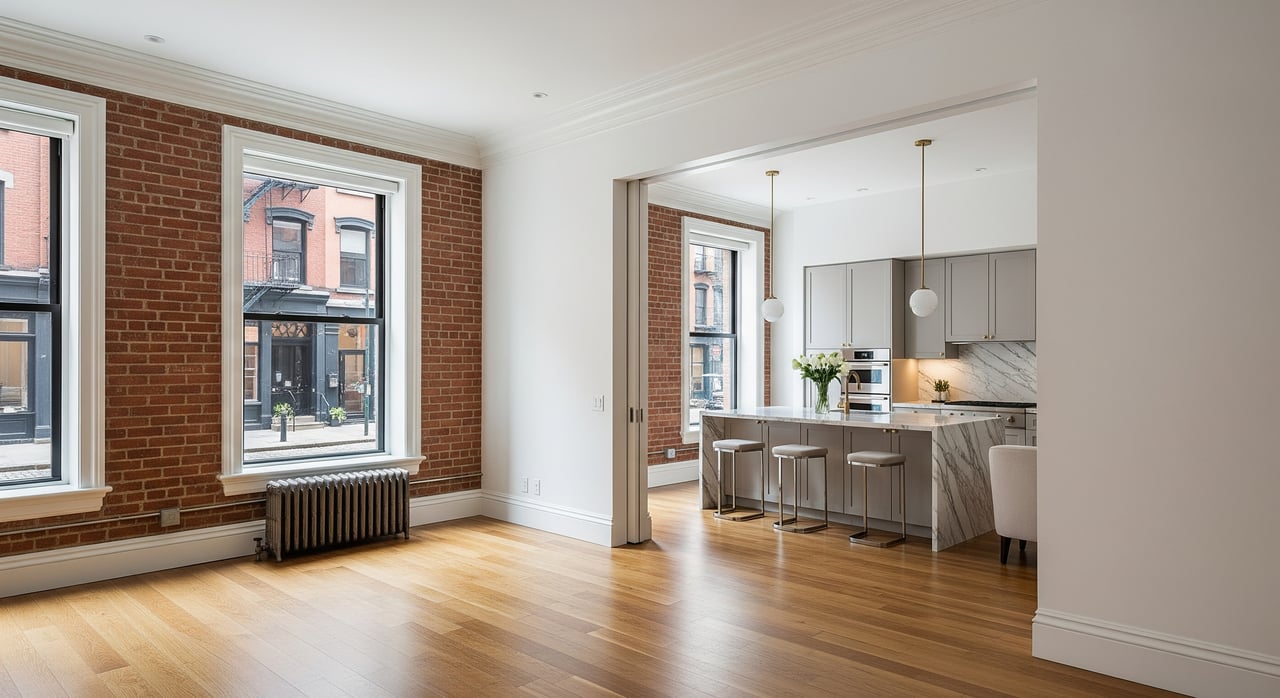
In Tribeca, scarcity is often driven by limited supply of large loft-like homes, preserved historic character, and a calmer residential setting near the waterfront. Buyers are often responding to scale, authenticity, and the sense that the neighborhood’s physical identity is relatively protected.
In West Chelsea, scarcity is more building-specific. The exact relationship to the High Line, the quality of the architecture, the frontage, and the view package can all shape value in a more precise way.
That means a West Chelsea purchase may require a finer-grained block-by-block and building-by-building analysis. In Tribeca, the broader neighborhood character may carry more weight, though the building still matters a great deal.
What current market data suggests
Public market data supports the idea that these two areas operate differently. In March 2026, Tribeca showed a median listing price of $4.5 million, 147 active listings, and a median 106 days on market. PropertyShark’s March 2026 data placed the median sale price at $4.3865 million across 42 transactions.
Those figures suggest a high-priced, relatively selective market. Buyers in Tribeca appear willing to pay for loft scale, historic character, and river-adjacent living, even if decisions take more time.
For West Chelsea, Chelsea-wide public data is the closest practical proxy. In April 2026, Chelsea showed a median listing price of $1.975 million, 429 active listings, and a median 61 days on market, while PropertyShark’s February 2026 data showed a median sale price of $1.7 million across 79 transactions.
That broader market appears more liquid and more varied in product type. It also suggests that West Chelsea value can be more dependent on the exact asset, since newer condos, loft conversions, and tower residences may perform very differently within the same larger area.
How to compare Tribeca and West Chelsea intelligently
If you are searching across both neighborhoods, broad averages will only take you so far. A more useful approach is to compare properties based on building type, district status, and lifestyle fit.
Compare like for like
Start by separating inventory into meaningful categories.
- In Tribeca, compare historic loft conversions, newer condominiums, and townhouses separately.
- In West Chelsea, compare High Line-adjacent new development separately from converted loft and garage inventory.
- Avoid making value assumptions based only on neighborhood name.
The planning and zoning documents make clear that these neighborhoods support different building forms. That is why averages can flatten important differences.
Check landmark and zoning context
Before you make a value judgment, verify whether a property sits within a historic district or a special zoning area. In both neighborhoods, these designations can shape future alterations and influence how the surrounding block evolves.
In Tribeca, historic district overlays are a meaningful part of the neighborhood’s stability story. In West Chelsea, historic designation and the High Line-related zoning regime can both affect frontage, light, air, and development conditions nearby.
Treat lifestyle as part of valuation
Lifestyle features should not be viewed as extras. In these neighborhoods, they are part of the value equation.
In Tribeca, pay close attention to:
- River access
- Quiet blocks
- Interior scale
- Loft character
- Relationship to Hudson River Park
In West Chelsea, focus on:
- High Line frontage or adjacency
- Gallery proximity
- Architectural quality
- View corridors
- Whether terraces and views are supported by the building envelope and zoning context
Which neighborhood fits your priorities?
If you want a neighborhood defined by protected loft character, larger footprints, and a more residential waterfront feel, Tribeca will often make the stronger long-term case. Its appeal is grounded in continuity, scale, and a lifestyle that feels calm without feeling disconnected.
If you want contemporary architecture, a more public cultural environment, and the energy that comes with the High Line and gallery presence, West Chelsea may be the better fit. Its strongest opportunities are often tied to very specific buildings with strong design, views, and frontage.
Neither neighborhood is universally better. The smarter question is which kind of scarcity aligns with the way you want to live and the type of asset you want to hold.
The best search is building-first
When two neighborhoods are this nuanced, the best strategy is rarely neighborhood-first alone. It is building-first, block-first, and amenity-first.
That means looking beyond branding and asking sharper questions about preservation, planning controls, public space, and exact property type. It also means understanding that long-term value in downtown Manhattan is often shaped as much by the daily lived experience of a place as by the numbers on a market report.
If you are weighing Tribeca against West Chelsea, a private, highly tailored review of buildings, blocks, and lifestyle priorities can save time and sharpen your decision. For discreet guidance on buying, selling, or investing in downtown Manhattan, connect with At the Firm.
FAQs
What makes Tribeca real estate value different from West Chelsea?
- Tribeca value is generally more scarcity-driven, with demand tied to historic loft character, larger interior scale, and river-adjacent living, while West Chelsea value is often more dependent on building design, High Line relationship, and exact frontage.
Is Tribeca or West Chelsea more protected from overdevelopment?
- Both neighborhoods sit within formal planning frameworks, but Tribeca’s historic district overlays and preservation structure often contribute to a stronger sense of continuity, while West Chelsea’s zoning is more closely tied to redevelopment rules around the High Line and specific building envelopes.
Why does the High Line matter for West Chelsea property values?
- The High Line is both a lifestyle anchor and a planning constraint, influencing frontage, light, air, views, and access easements in nearby development, which can make a property’s exact location especially important.
Why does Hudson River Park matter for Tribeca buyers?
- Hudson River Park gives Tribeca direct access to recreation including piers, sports courts, dog runs, kayaking, volleyball, and waterfront open space, which supports the neighborhood’s residential and river-oriented lifestyle appeal.
How should you compare homes in Tribeca and West Chelsea?
- Compare like property types first, check landmark and zoning status, and evaluate lifestyle factors such as quiet blocks, waterfront access, High Line frontage, view corridors, and building design before relying on neighborhood averages.
Is market data alone enough to choose between Tribeca and West Chelsea?
- No. Public market data is useful for context, but in both neighborhoods long-term value is shaped heavily by building-specific factors, planning controls, and how the neighborhood’s daily lifestyle aligns with your priorities.