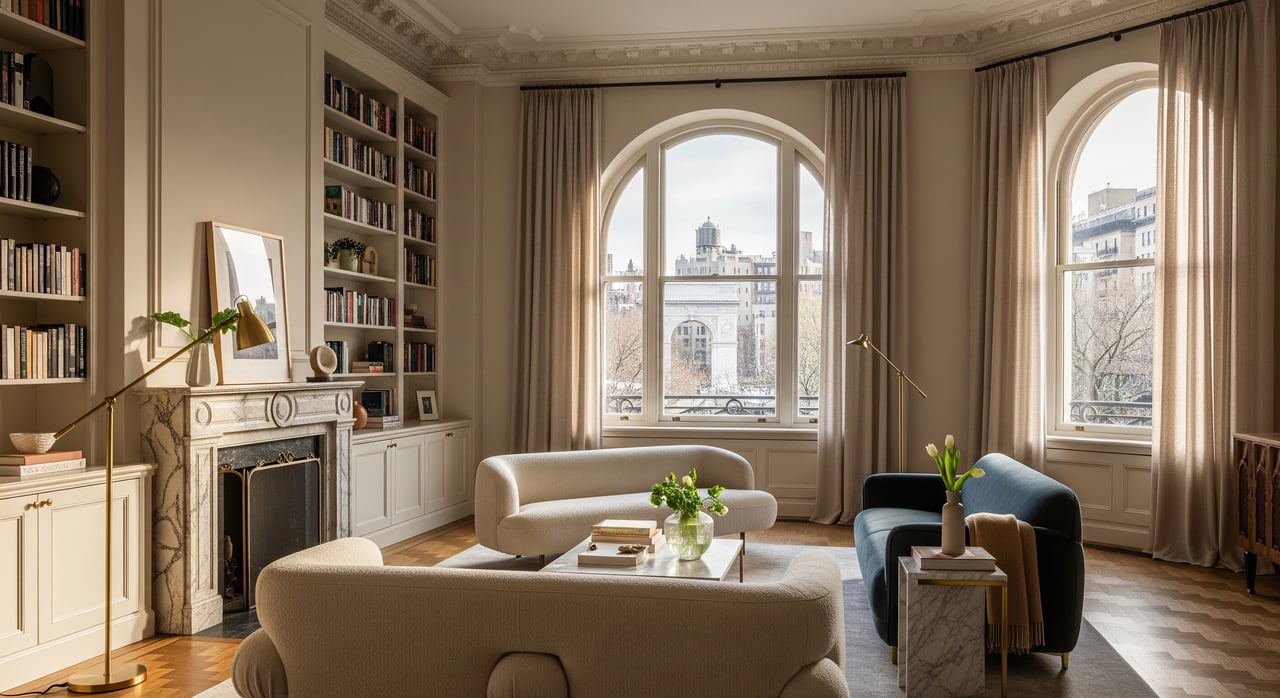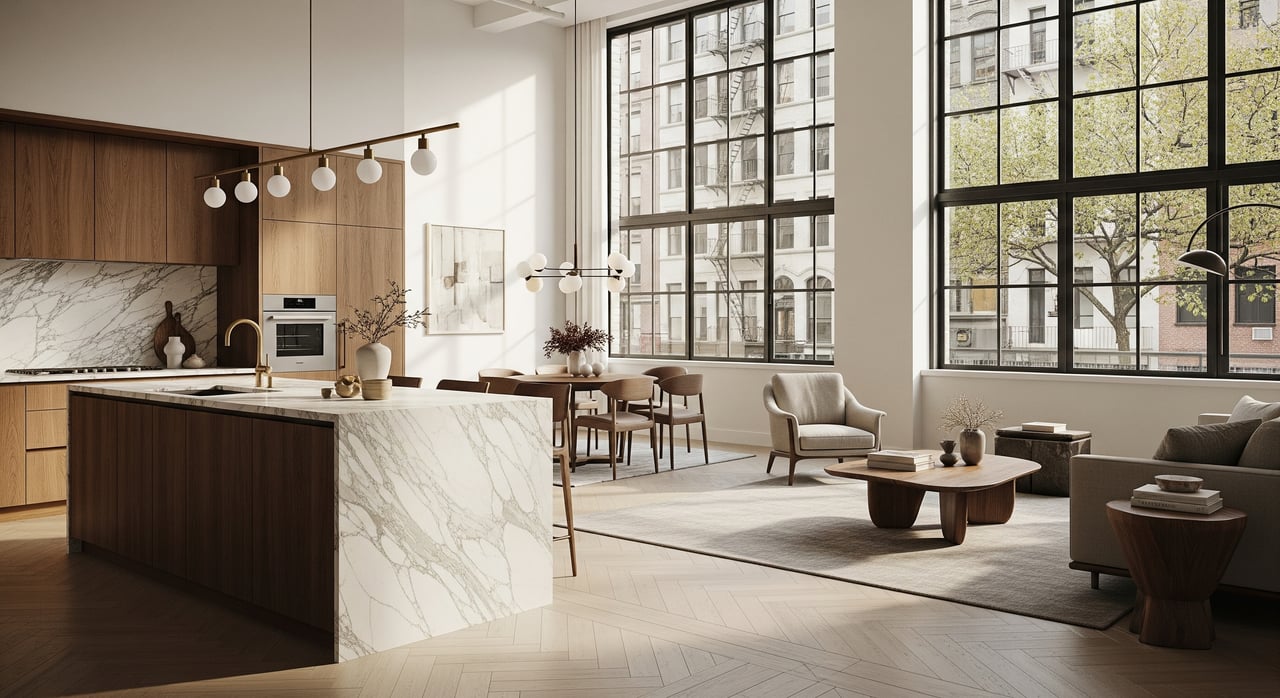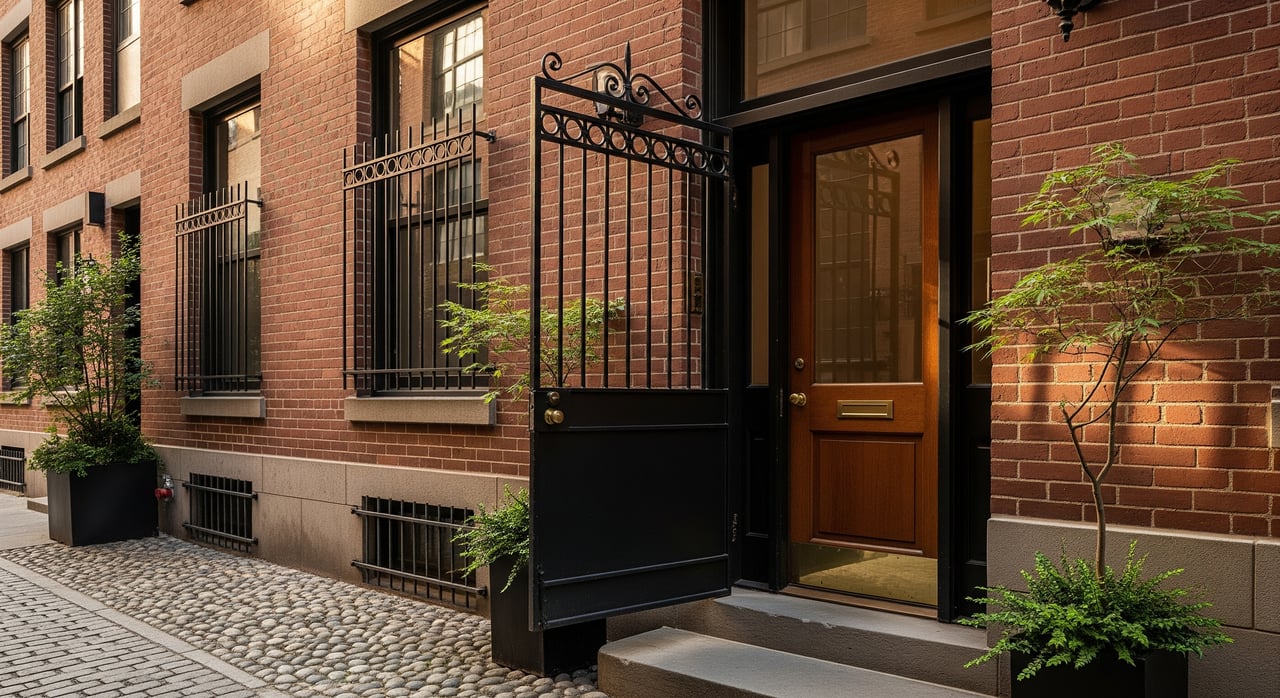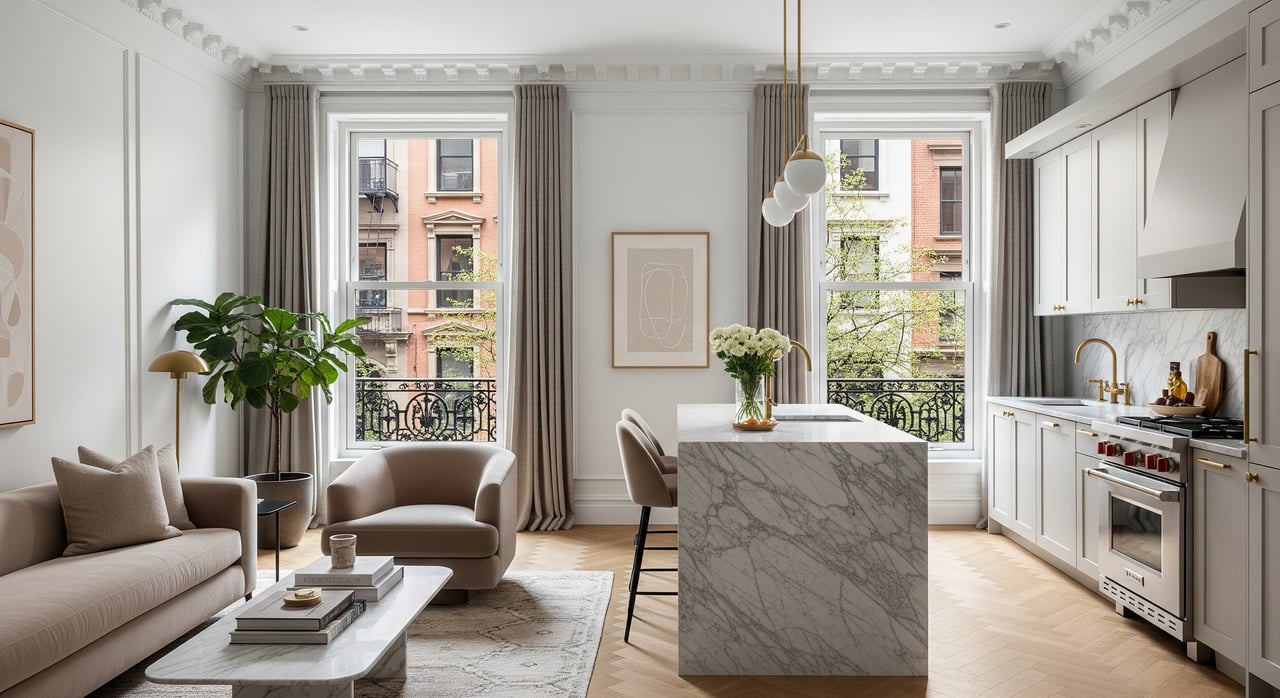
If you have ever searched for outdoor space in Greenwich Village, you already know the truth: it is not just a nice extra. It can completely change how a home lives. In a neighborhood known for historic buildings, tree-lined streets, and dense urban fabric, a courtyard, terrace, or roof deck often feels less like an amenity and more like a private retreat. This is where understanding the difference between types of outdoor space, and how they appear in the Village, becomes especially useful. Let’s dive in.
Why outdoor space feels special here
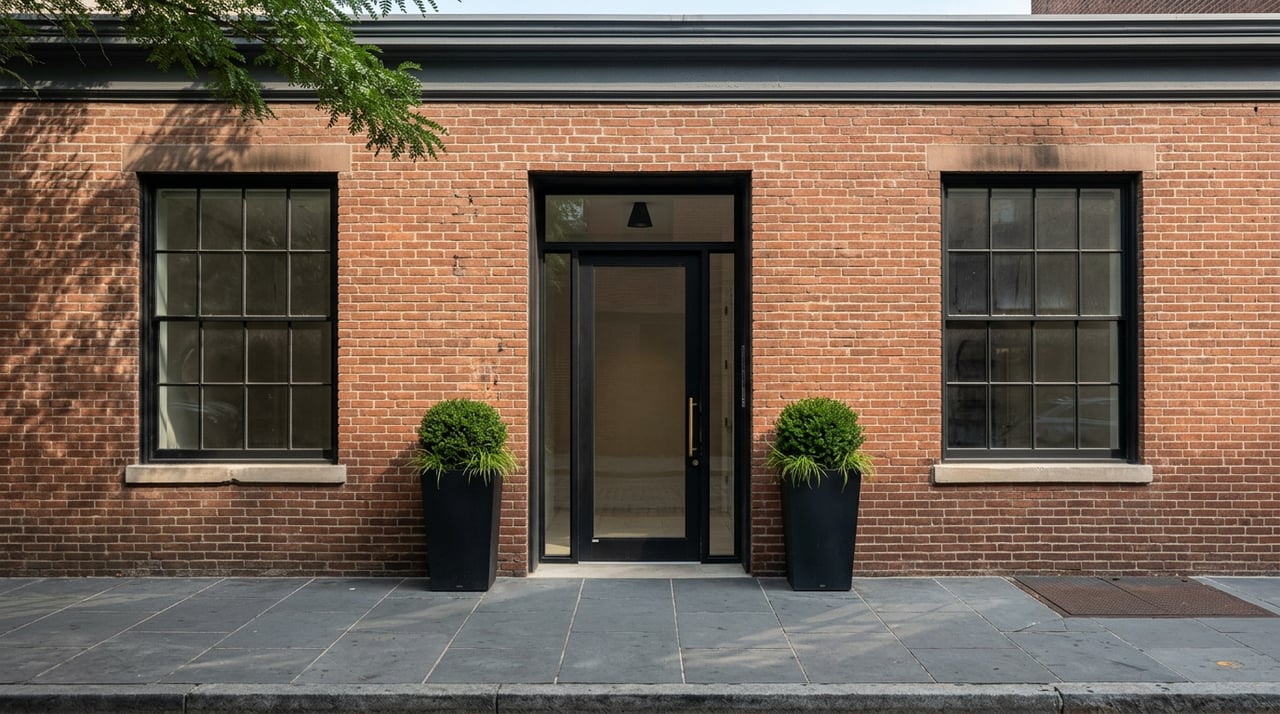
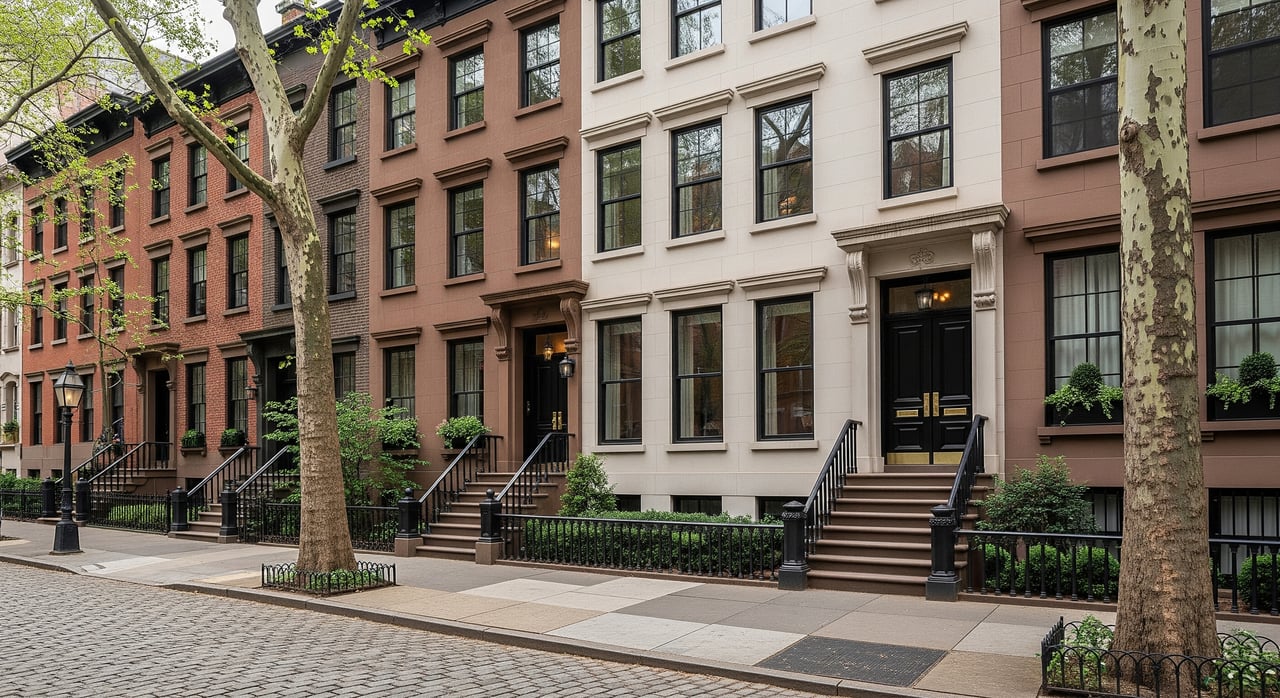
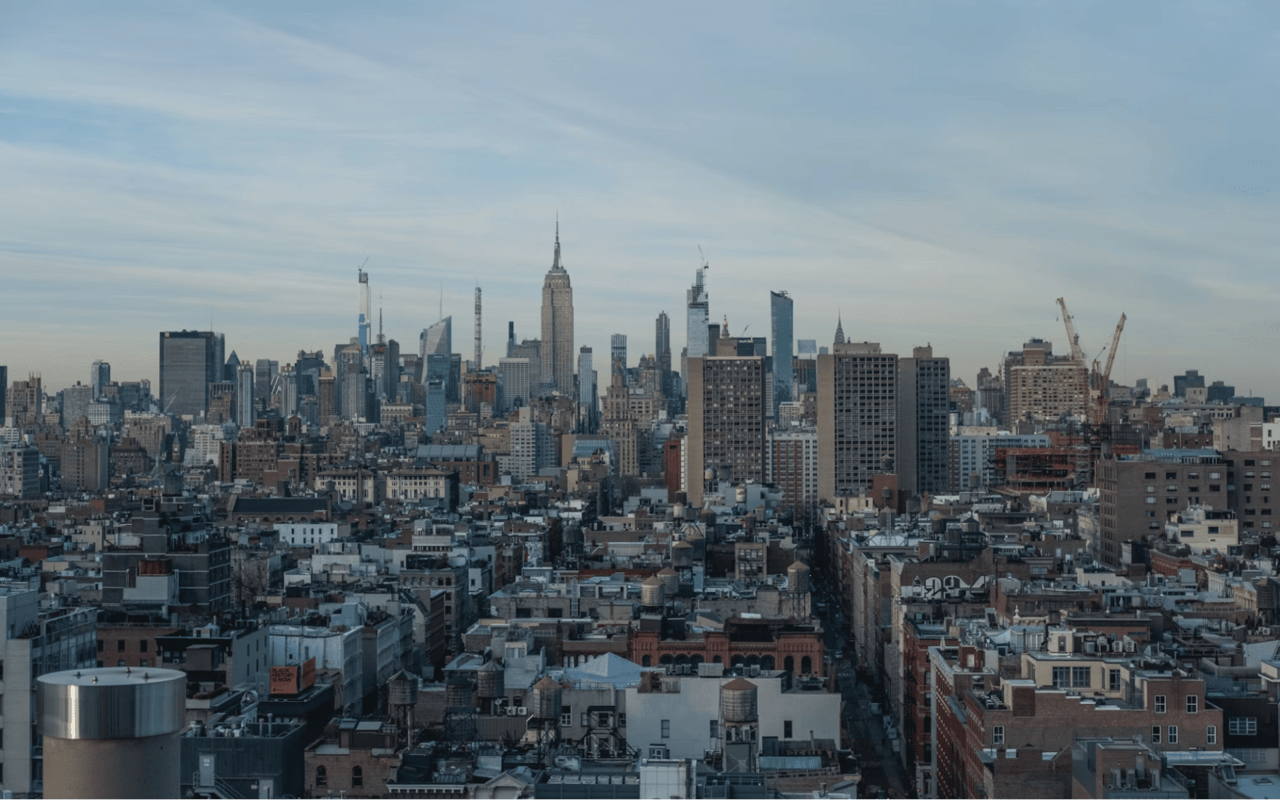
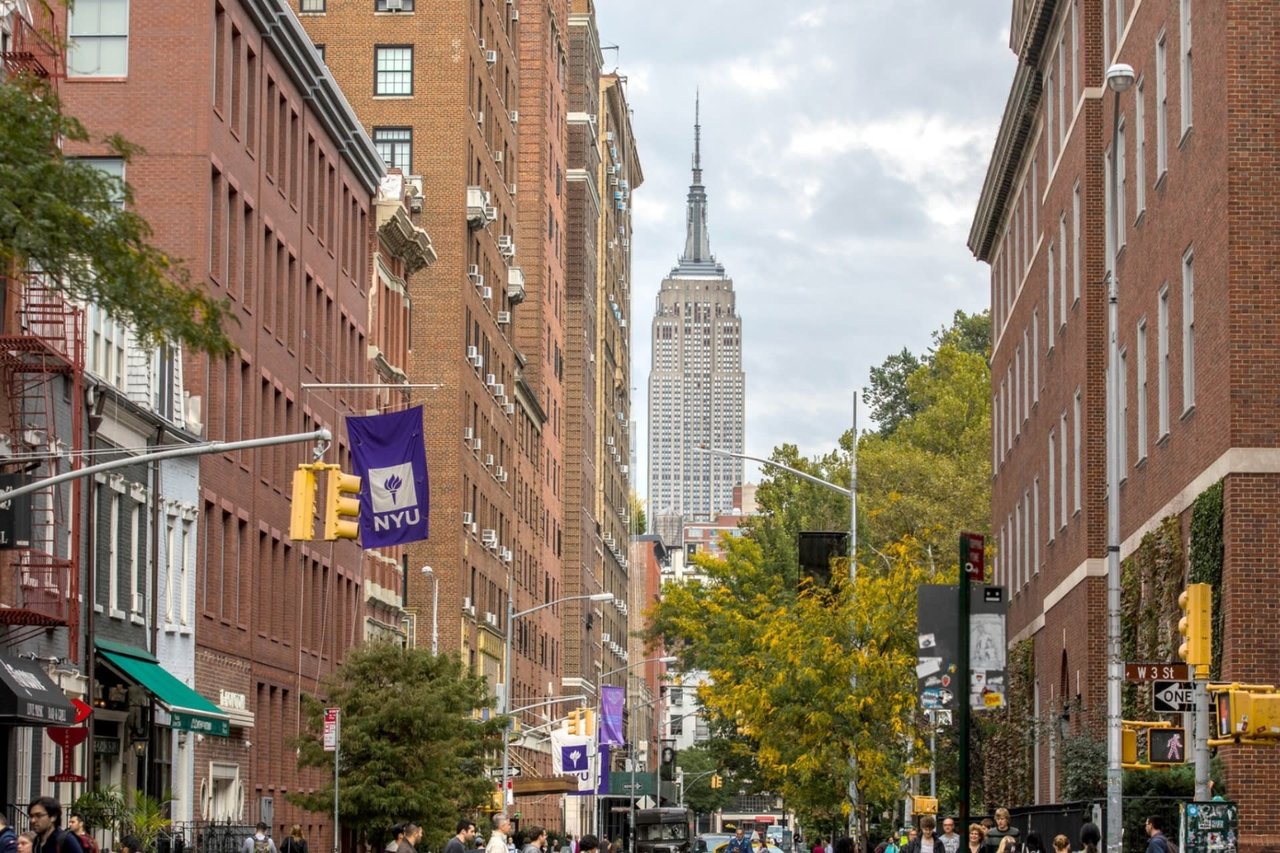
Greenwich Village is part of Manhattan Community District 2, an area defined by a distinct architectural landscape and a long civic history. The Greenwich Village Historic District, designated in 1969, remains the largest historic district in New York City, with more than 2,000 buildings across more than 65 blocks. That context matters because the neighborhood was not built around the amenity model you see in newer residential development.
In practical terms, outdoor space in Greenwich Village is shaped by older building forms, limited room for exterior additions, and preservation review. That makes private outdoor areas feel rare, highly functional, and deeply tied to the character of the home itself. Even a modest terrace or rear garden can feel unusually meaningful here.
How Greenwich Village buildings shape outdoor living
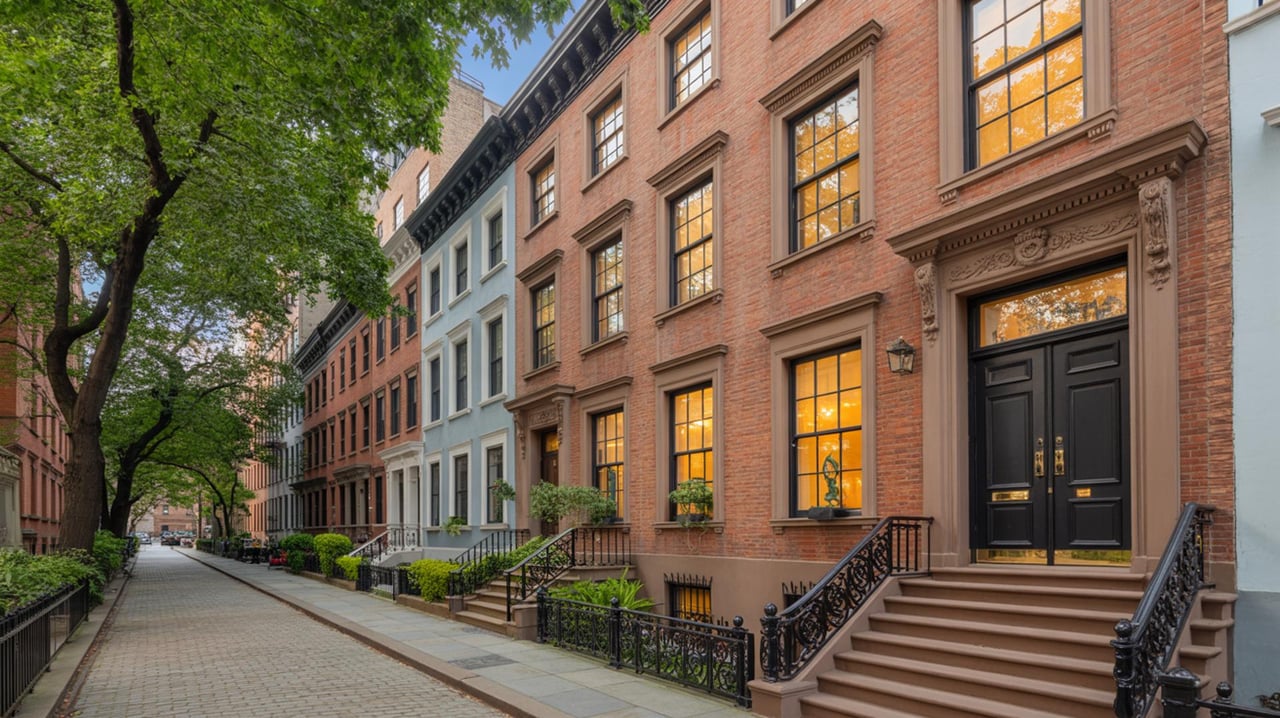
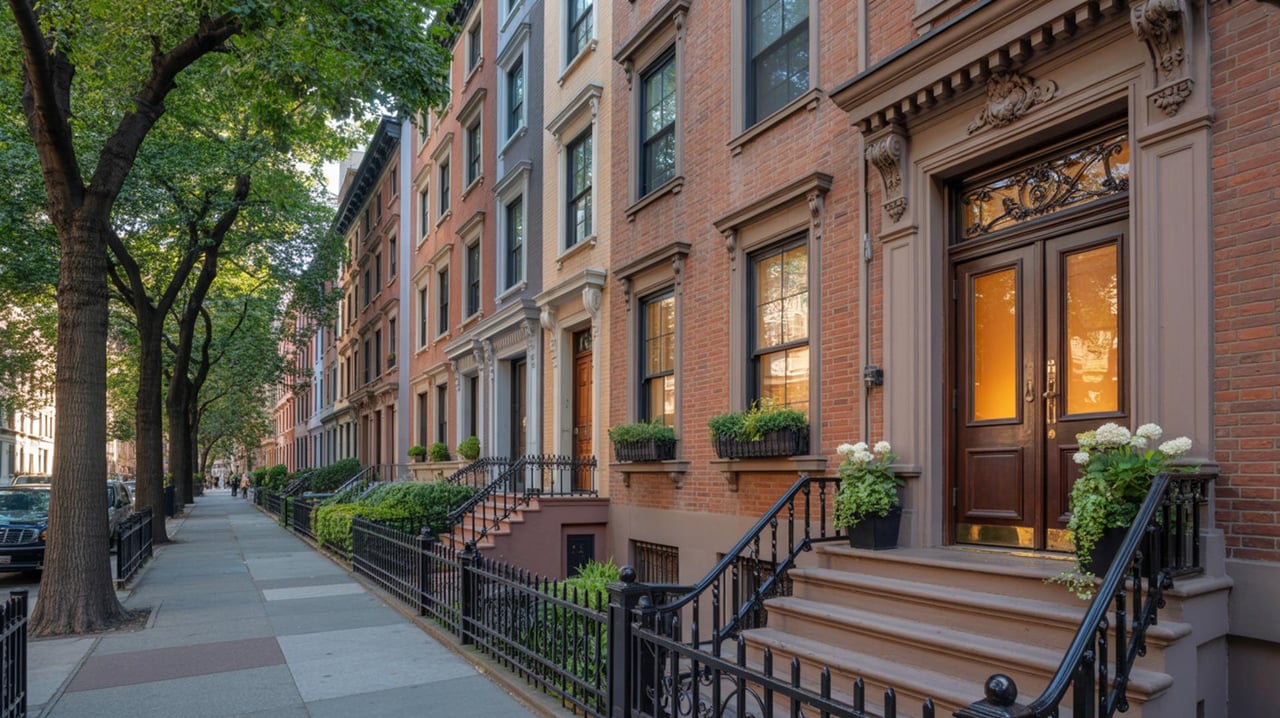
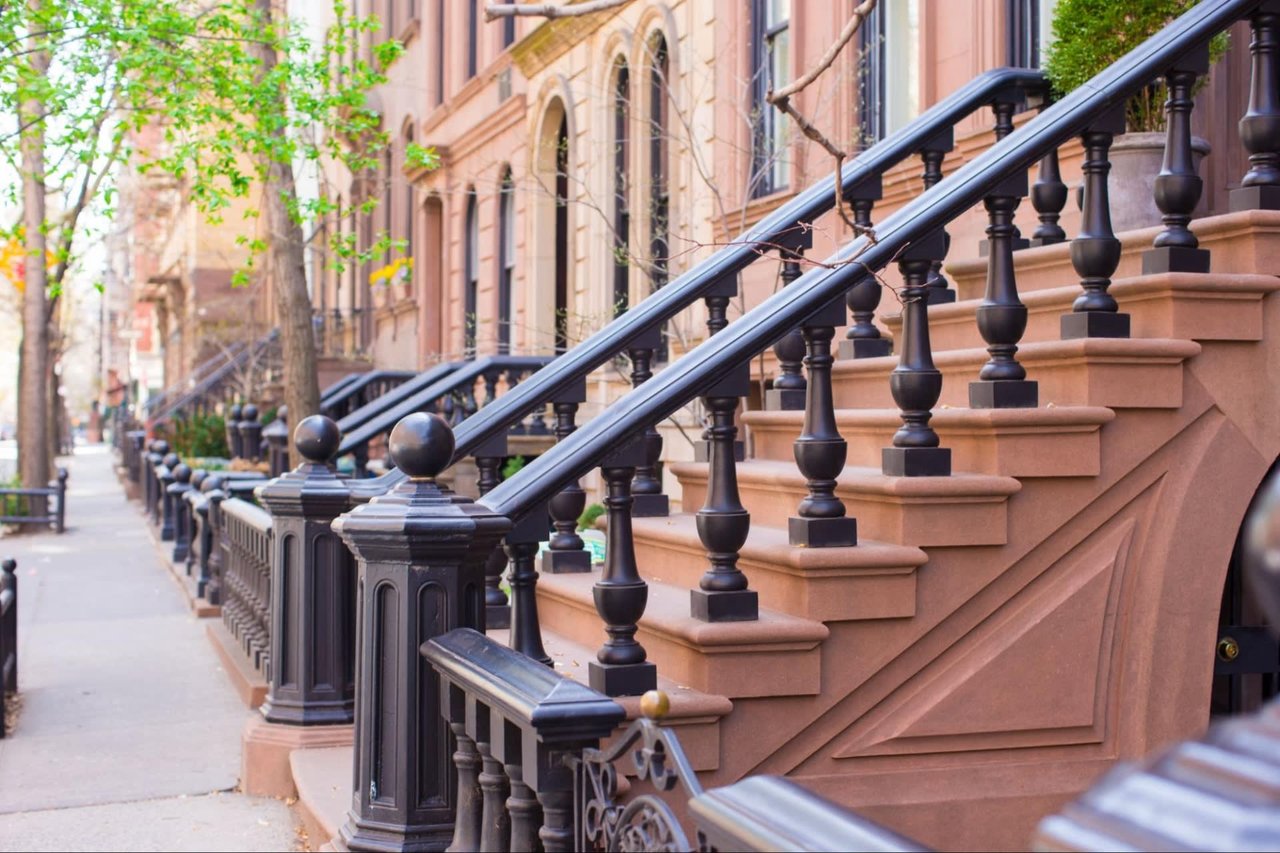
The Village has an unusually varied mix of building types. Landmark Preservation Commission materials describe early rowhouses, tenements, French flats, apartment buildings, warehouses, stables, and later apartment conversions across the district. Many single-family houses were also converted into multiple dwellings after the Civil War, adding another layer to how homes are configured today.
Because of that mix, outdoor space tends to appear in a few recognizable forms. Where you are looking matters as much as how much space you want.
Townhouses and rowhouses
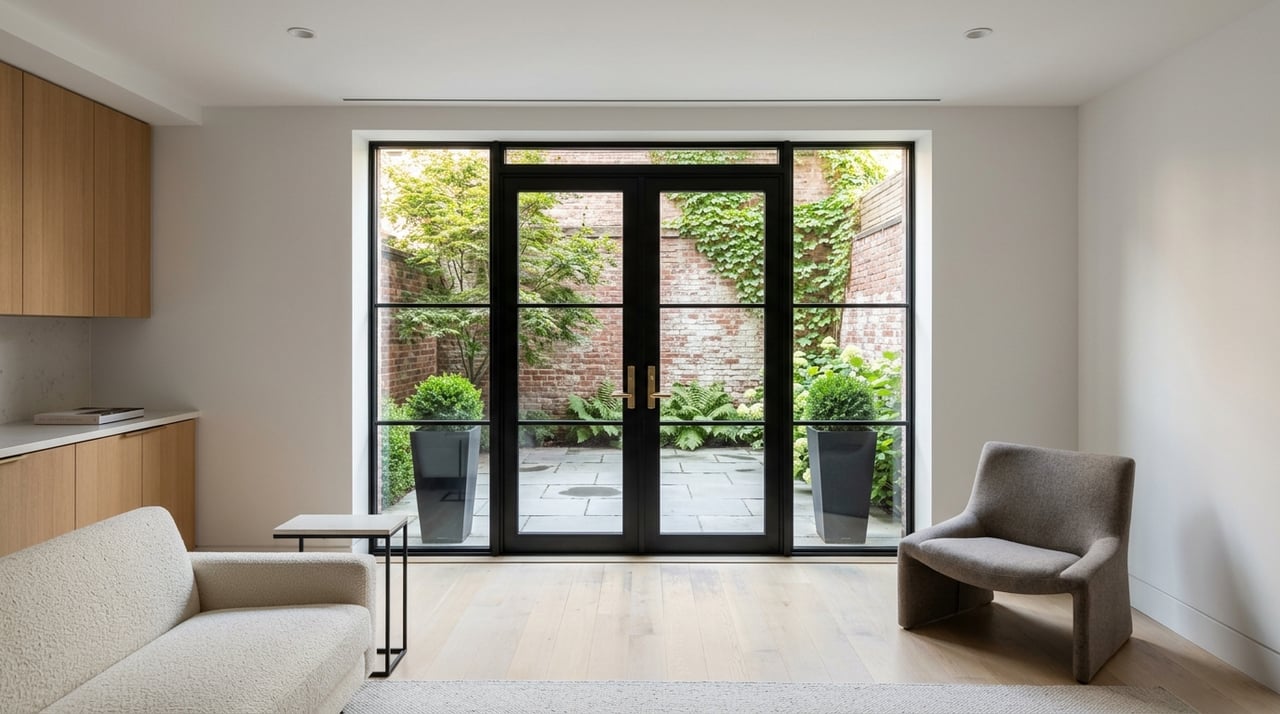
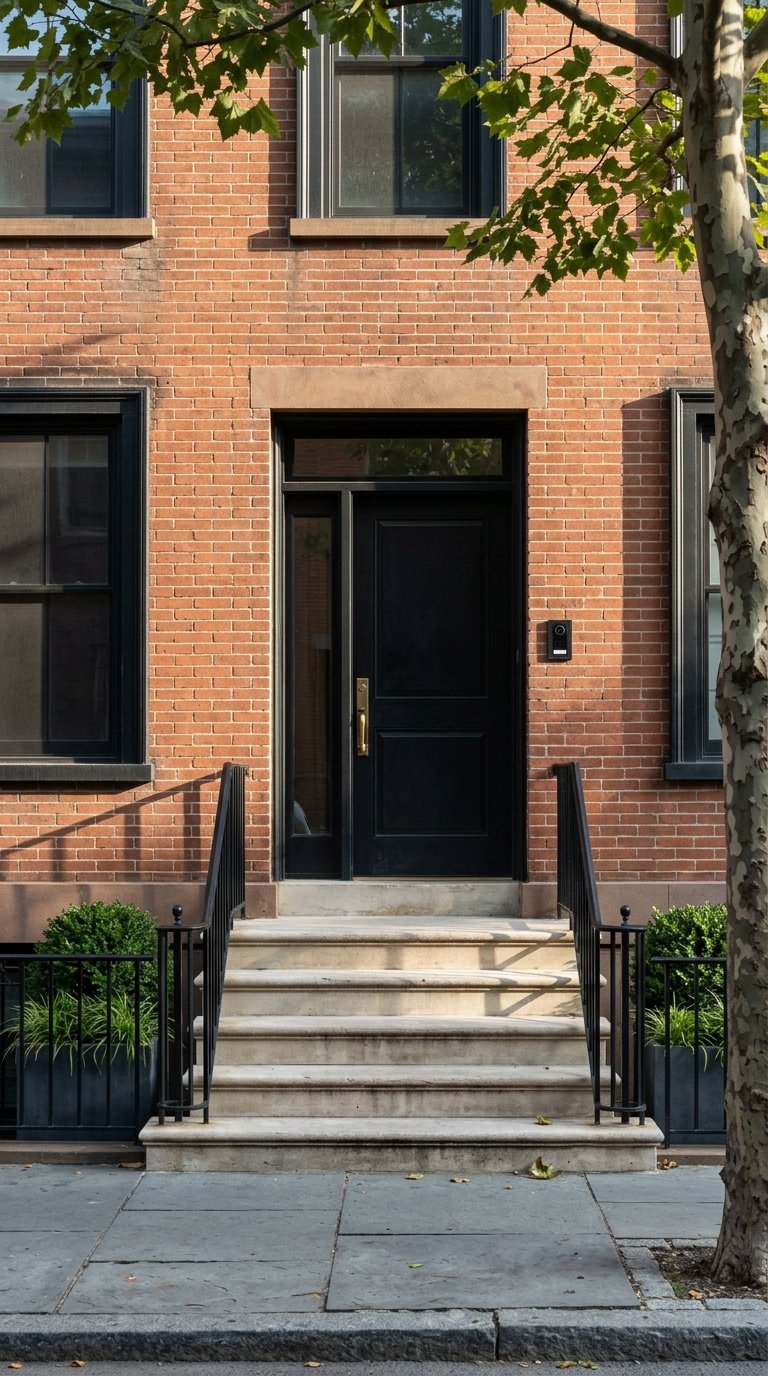
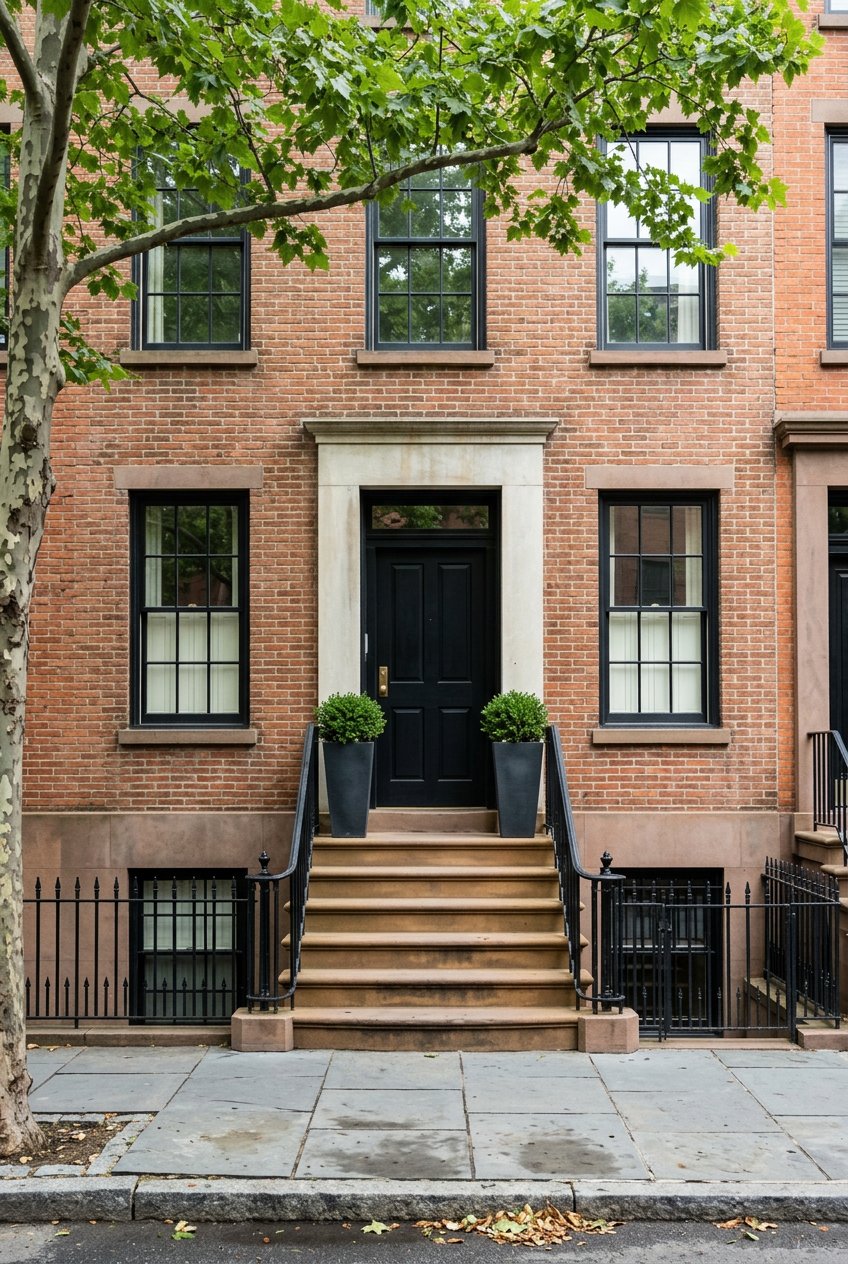
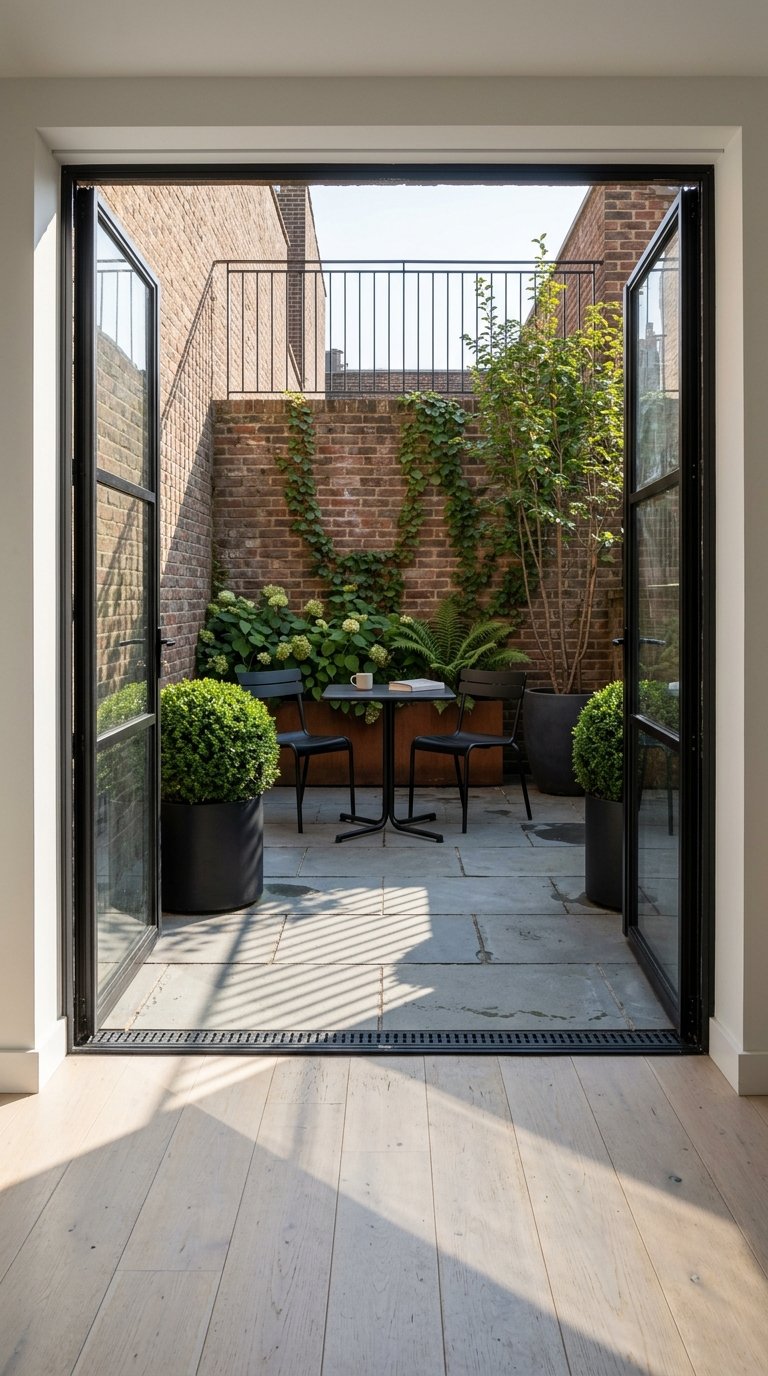
In townhouse and rowhouse settings, outdoor living often shows up as a rear-yard garden, patio, or smaller private outdoor area connected to a lower floor or parlor level. These spaces usually feel quiet and tucked away from the street. In a neighborhood as active and walkable as Greenwich Village, that sense of privacy can be a major part of the appeal.
These outdoor areas are often less about entertaining a large crowd and more about everyday use. Think coffee in the morning, a short break between meetings, reading outside, or dinner at a small table when the weather is right. In the Village, that kind of daily usability often matters more than scale.
Prewar apartment buildings
In apartment buildings, outdoor space is more likely to appear as a setback terrace, penthouse terrace, or carefully integrated roof deck. These homes can offer open-air living without requiring the footprint of a townhouse. But they are also the spaces that tend to feel most scarce.
That scarcity is not accidental. In a historic district, exterior changes are highly regulated, and rooftop additions are reviewed in the context of visibility and the surrounding historic setting. As a result, a terrace in a prewar building is often part of a very specific building history rather than a routine feature.
Larger complexes and shared courtyards
Some outdoor life in and around the Village is organized around shared interior open space rather than private exterior areas. A helpful example is Washington Square Village, where Sasaki Garden sits at the center of the apartment complex and the courtyard is a defining feature of the site. This offers a useful way to think about communal outdoor living in the neighborhood.
In these settings, the value is often about access to calm, open space within a dense Manhattan environment. You may not have a private terrace, but you may still have meaningful outdoor space built into the rhythm of daily life. For some buyers and renters, that tradeoff works very well.
Why terraces and roof decks are so rare
One of the most important parts of the Greenwich Village outdoor-space story is regulation. In historic districts, most exterior changes require review by the Landmarks Preservation Commission. Permits may also be required even when the work is not visible from the street.
That detail often surprises people. In Greenwich Village, outdoor space is not only a design feature. It is also a building-history and approvals question.
Landmark review shapes what is possible
According to LPC guidance, occupiable rooftop additions on individual landmarks cannot be visible from any public thoroughfare. In historic districts, rooftop additions may be only minimally visible over a secondary facade. Rear-yard additions are also evaluated against the typical height and depth of similar additions on the block.
The result is straightforward. Roof decks and terraces can absolutely exist in Greenwich Village, but they are often the product of a specific approval path, a particular building type, or a carefully designed prior renovation. In other words, they are usually exceptions, not defaults.
Scarcity adds value to everyday use
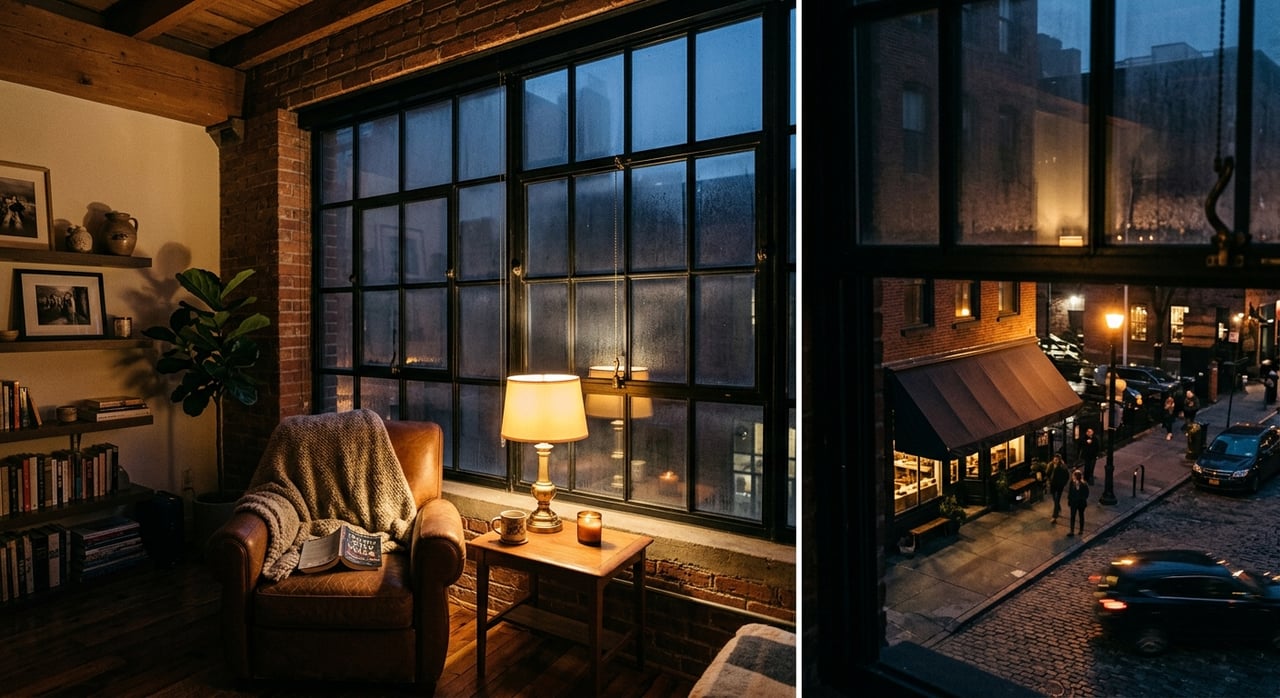
This is why even a compact terrace can carry outsized appeal in the Village. A home with usable outdoor space often feels more flexible and more calming, especially in a dense, highly walkable part of Manhattan. The value is not only visual. It is experiential.
You are not necessarily looking for a suburban-style yard here. You are looking for a place to step outside without leaving home. In Greenwich Village, that can be enough to redefine the entire feel of a residence.
Courtyard living in daily Village life
Courtyard living has a particular charm in Greenwich Village because it reflects the neighborhood’s scale and pace. Public references around Washington Square describe tree-lined streets, outdoor gathering spaces, and courtyards used for relaxing and reading when the weather is nice. That makes the idea of a private or semi-private courtyard feel especially aligned with the neighborhood.
A courtyard here often works like an extra room. It can be a quiet counterpoint to the energy of the surrounding streets, restaurants, and parks. Instead of serving as a showpiece alone, it becomes part of how you reset during the day.
What courtyard life can feel like
The best courtyard spaces in the Village are often the ones that support simple, repeatable routines. They give you room to read, have a quiet meal, take a phone call outdoors, or enjoy a short pause between the day’s obligations. That understated usefulness is part of what makes them so appealing.
This also helps explain why buyers are often drawn to outdoor space that is modest but well positioned. In Greenwich Village, a smaller space with privacy and usability can feel more valuable than a larger one with less intimacy. The neighborhood rewards thoughtful design and calm moments.
Terrace living with a Village perspective
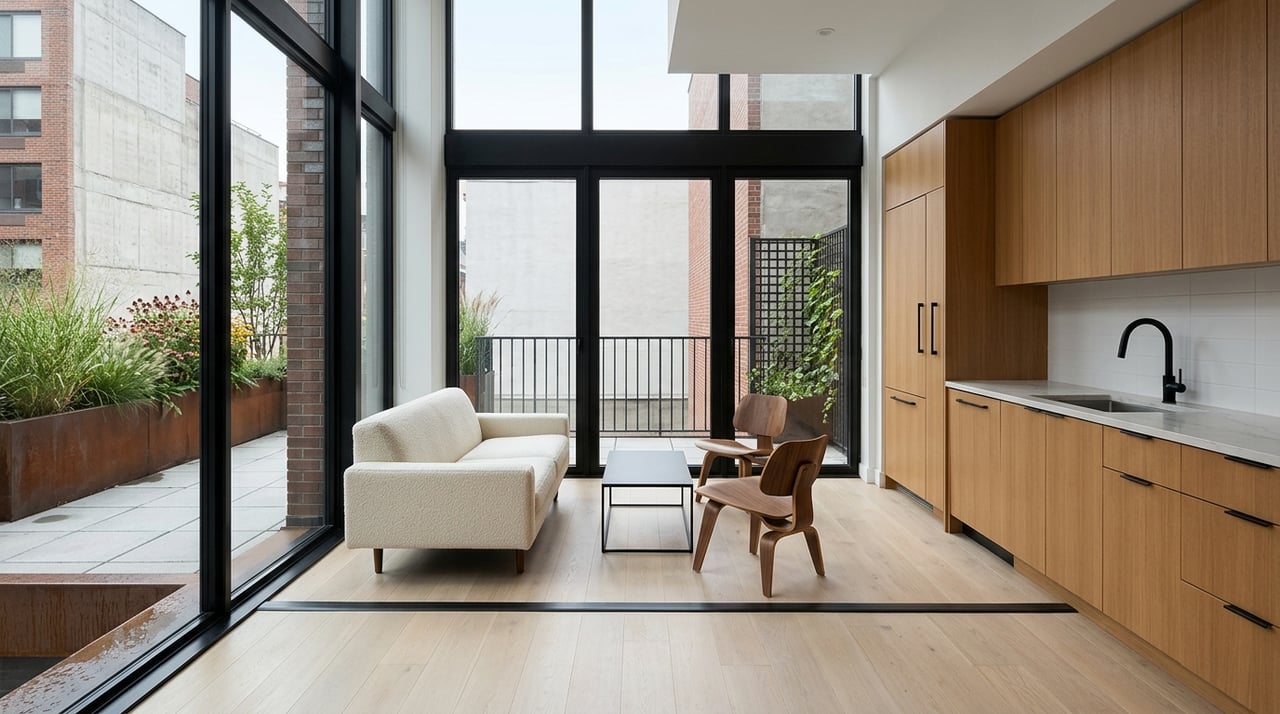
Terrace living brings a different kind of experience. Instead of a garden-like feel, a terrace often offers light, air, and a visual connection to the surrounding rooftops and architectural landscape. In Greenwich Village, that perspective can feel especially distinctive because the neighborhood’s built environment is layered, historic, and full of texture.
A terrace can also change how interior space performs. It can extend a living room, soften the boundary between indoors and outdoors, and make a compact footprint feel more open. In a market where every square foot matters, that functional lift can be significant.
What to look for in a terrace home
If outdoor space is a priority, it helps to think beyond the headline feature. Consider how the terrace connects to the main living areas, how usable it feels day to day, and whether the building context supports privacy. In Greenwich Village, placement often matters more than raw size.
You may also want to understand whether the outdoor space reflects an original design condition, a later approved addition, or a building-wide feature. In a landmarked setting, that history is part of the story. It can shape both your expectations and your long-term enjoyment of the property.
What buyers should keep in mind
If you are searching for a home with a courtyard, terrace, or roof deck in Greenwich Village, it helps to start with the right mindset. This is a neighborhood where outdoor space is usually limited, highly specific, and closely tied to building type. A broad search can miss the nuance that makes these properties stand out.
A focused approach is often more productive. You may find that the right answer is a townhouse garden, a penthouse terrace, or a residence in a building with meaningful shared outdoor space. Each offers a different version of Village living.
A practical checklist for your search
- Decide whether you want private outdoor space or if shared courtyard access could work
- Match your expectations to building type, such as townhouse, prewar apartment, or larger complex
- Prioritize usability over square footage alone
- Ask how the space connects to daily living areas inside the home
- Understand that historic-district rules help explain both scarcity and value
For many buyers, the real luxury is not simply having outdoor space. It is having outdoor space that feels natural to the home and true to the neighborhood.
If you are weighing how courtyard or terrace living fits your goals in Greenwich Village, a nuanced local perspective can make the search much more efficient. For discreet guidance on Village properties and downtown Manhattan opportunities, request a private consultation with At the Firm.
FAQs
What makes outdoor space rare in Greenwich Village homes?
- Greenwich Village has a dense historic building fabric, and many exterior changes in the historic district require Landmarks Preservation Commission review, which helps explain why terraces, roof decks, and other outdoor features are less common.
What types of Greenwich Village homes usually have private outdoor space?
- Private outdoor space is often associated with townhouses and rowhouses that may have rear-yard gardens or patios, while apartment buildings may offer setback terraces or roof decks in select cases.
Are roof decks allowed in Greenwich Village buildings?
- Roof decks and occupiable rooftop additions can exist, but in historic settings they are subject to LPC review, and visibility rules can strongly affect what is possible.
Is shared outdoor space common in Greenwich Village?
- Shared courtyards and interior garden spaces do appear in some larger residential complexes, offering a different kind of outdoor living than a private terrace or garden.
What matters most when comparing Greenwich Village terraces and courtyards?
- The most important factors are usually privacy, day-to-day usability, connection to the interior living space, and how the outdoor area fits the building’s type and history.