If you own a West Village brownstone or townhouse, privacy is often part of the asset. In a neighborhood known for high-value homes, close-knit blocks, and constant attention, you may want to protect your routine, control who sees your property, and avoid turning a sale into a public event. The good news is that in New York City, a discreet sale can be structured carefully and compliantly. Here is what that process usually looks like in the West Village, and how to approach it without giving up leverage. Let’s dive in.
Why discreet sales matter in West Village
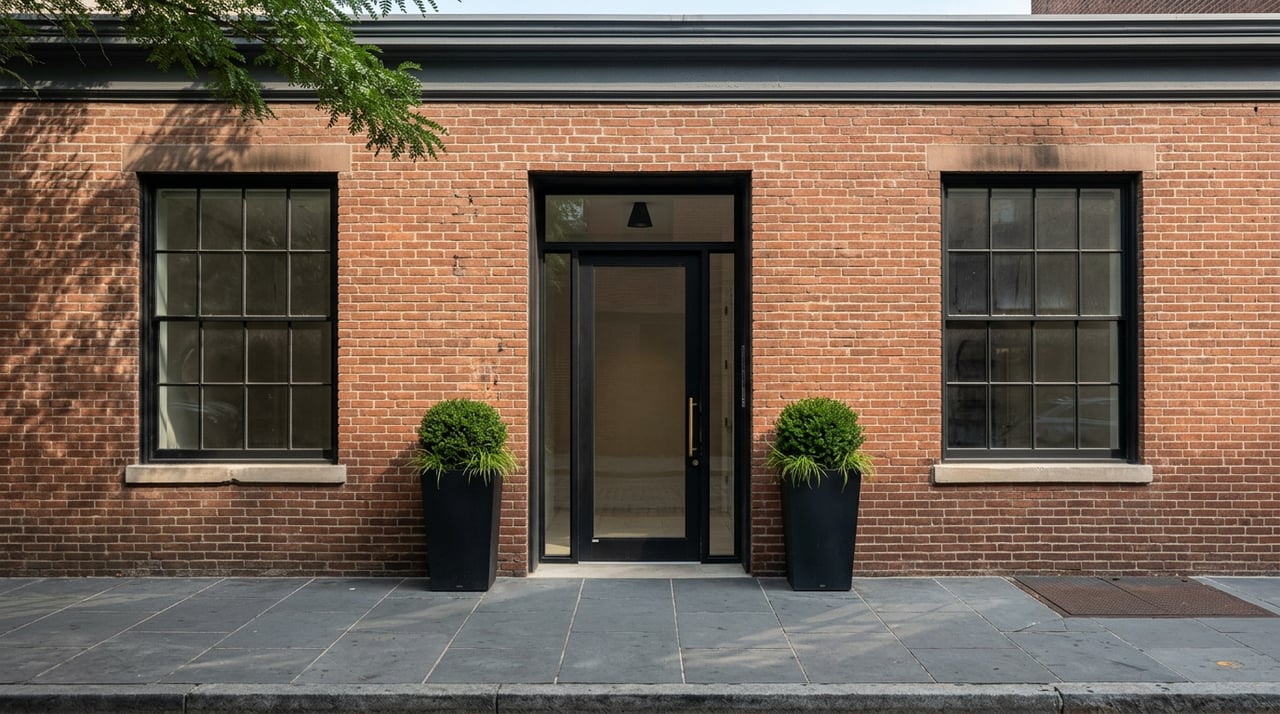
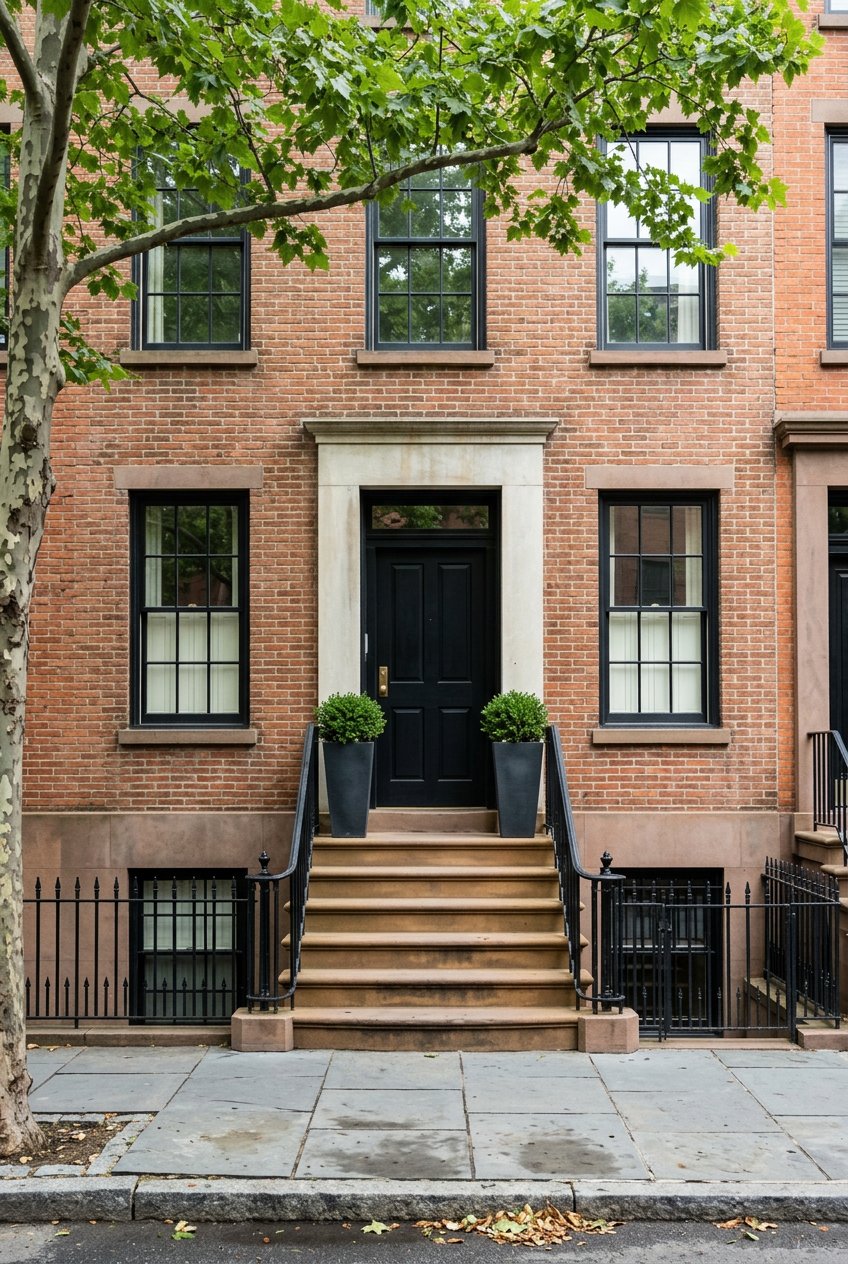
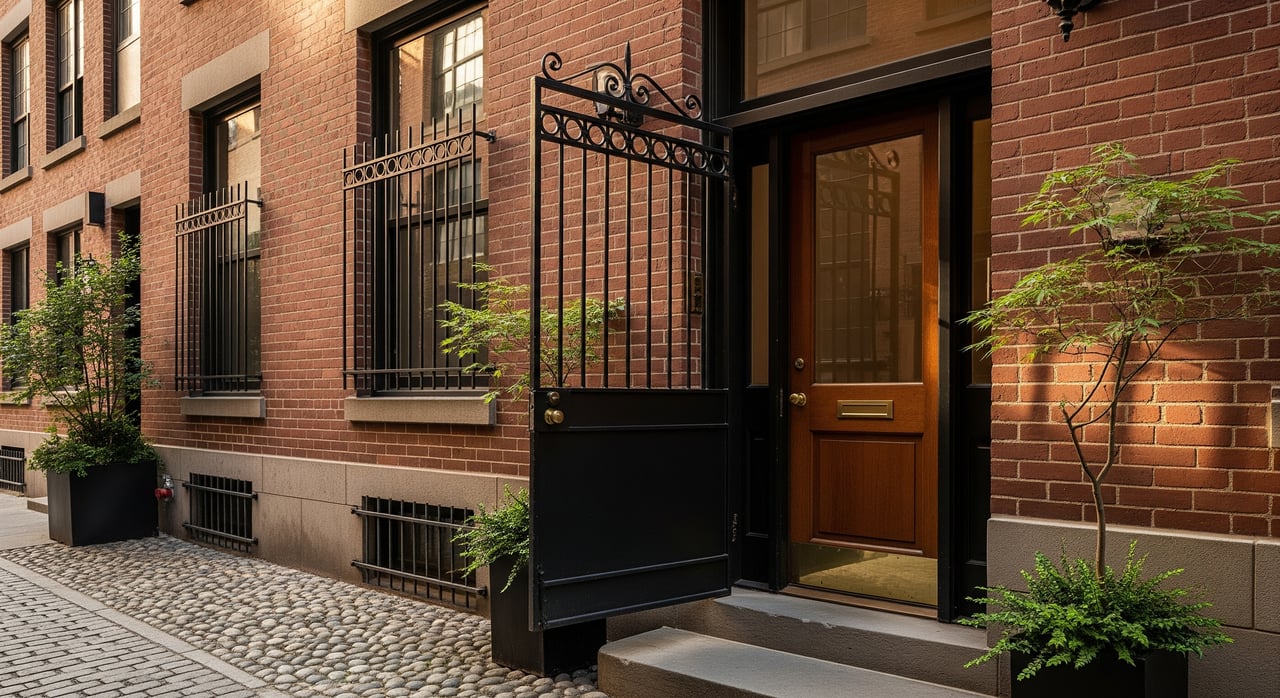
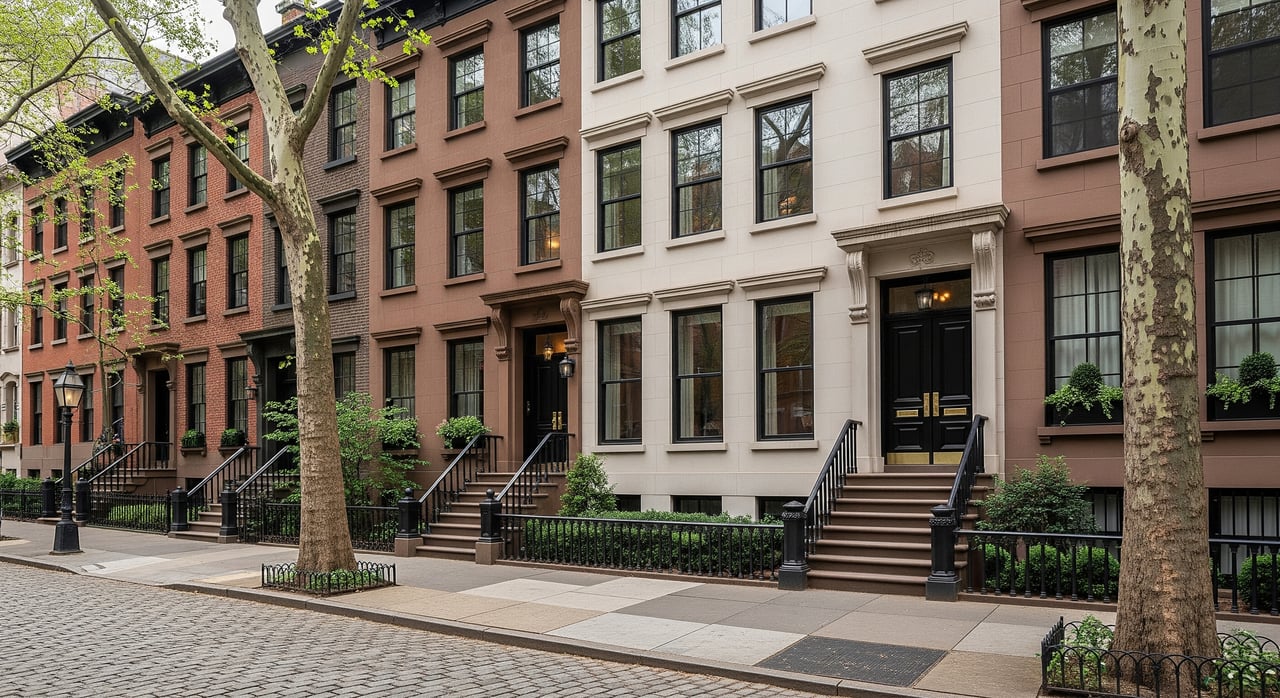
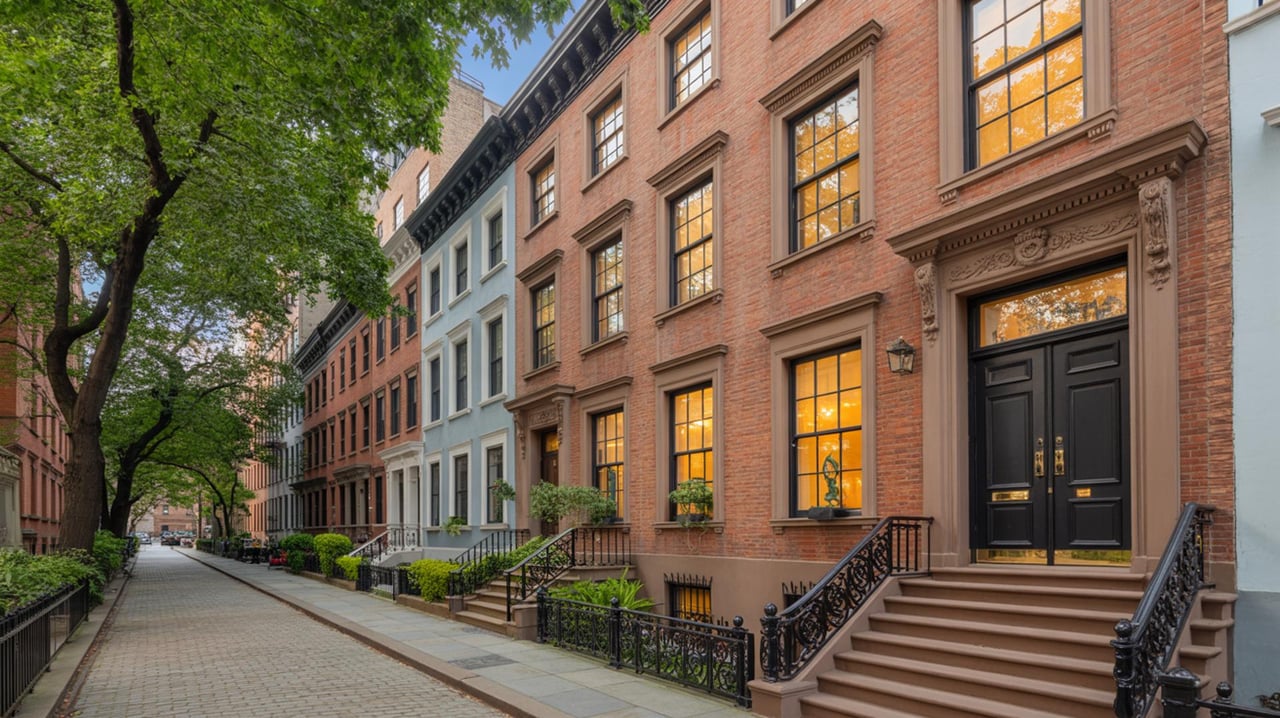
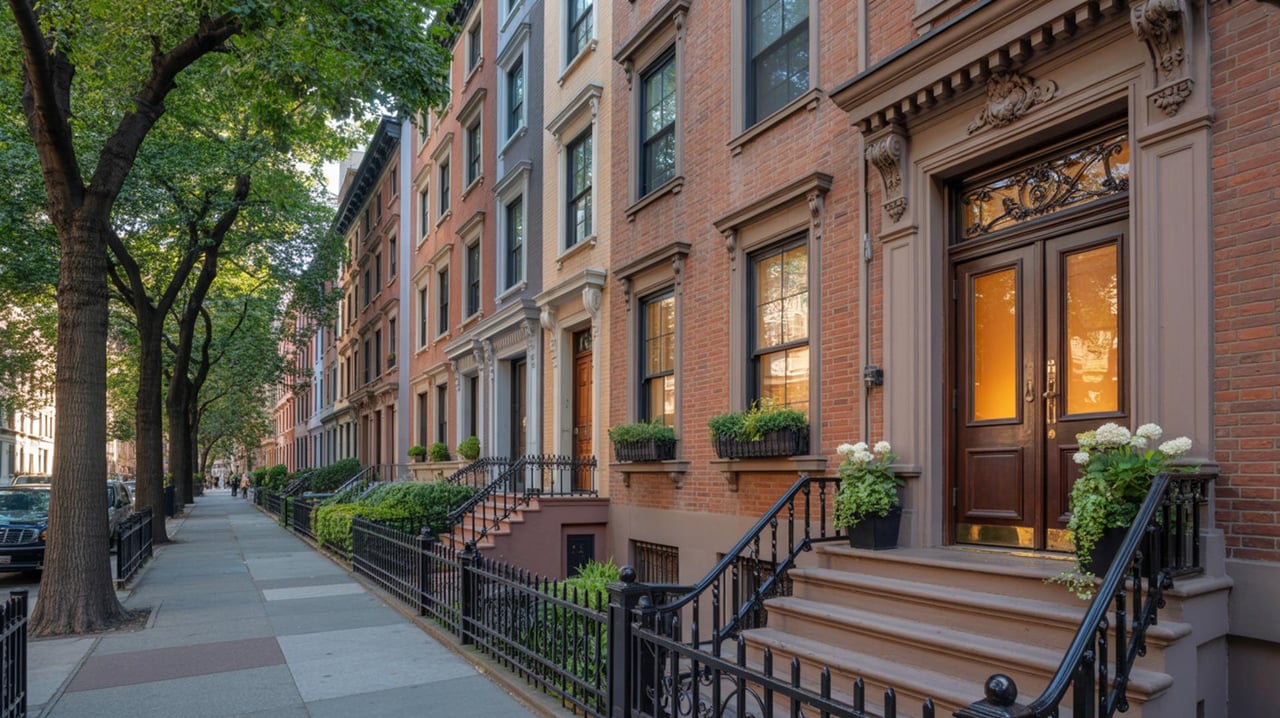
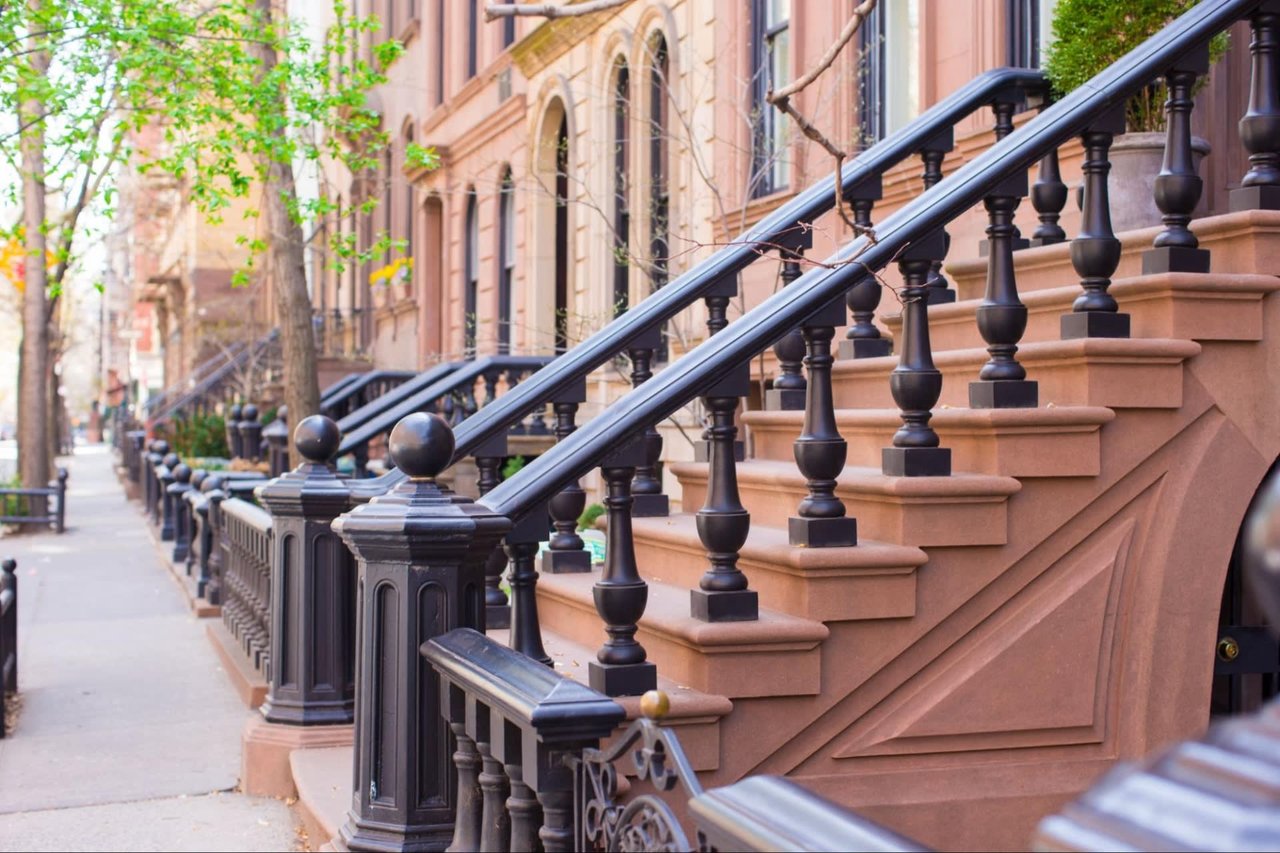
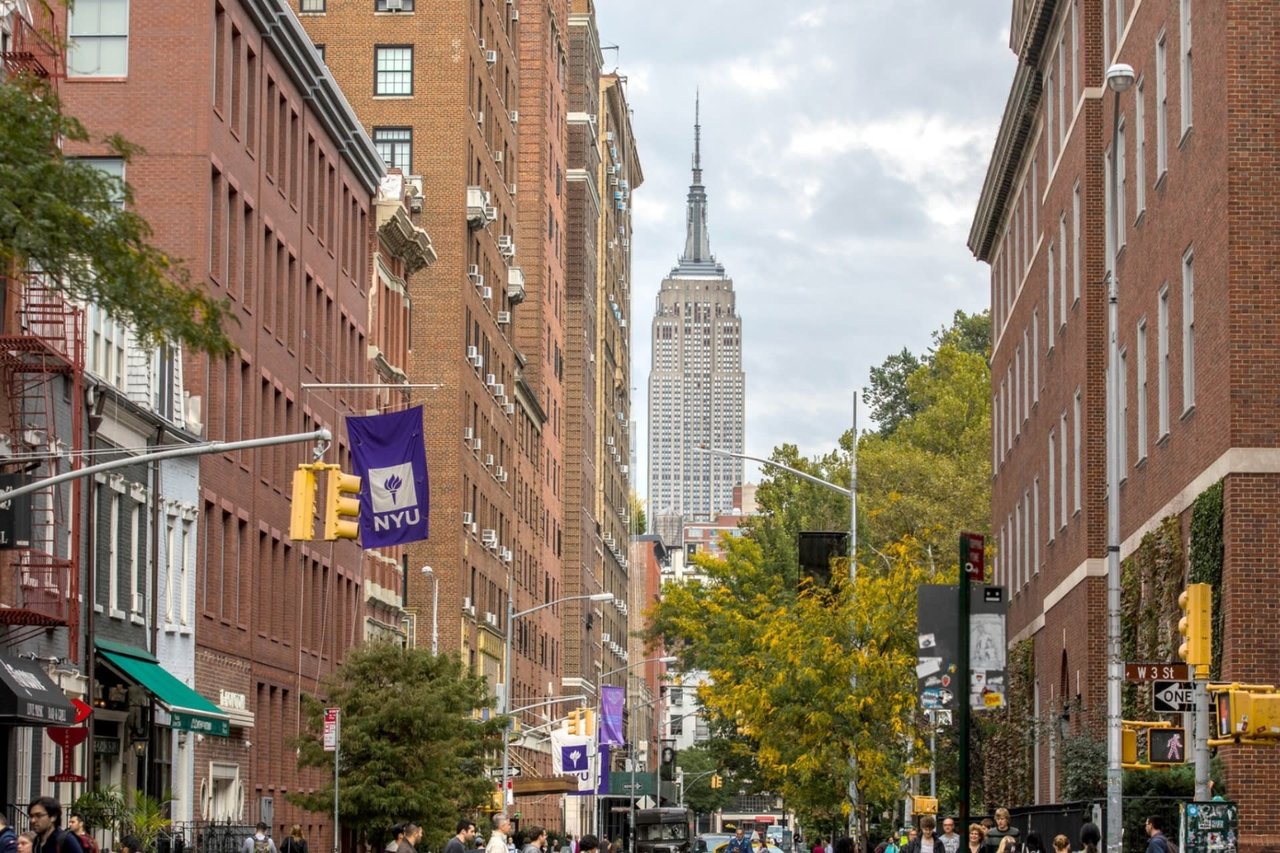
The West Village is one of Manhattan’s most recognized townhouse markets. It is defined by brownstones, red-brick townhouses, and winding residential streets, and it remains both expensive and competitive. In 2025, StreetEasy reported a median asking price of $1.775 million in the neighborhood, more than 30% above the Manhattan median, with median days on market at 60 days.
Townhouse pricing across Manhattan helps explain why privacy-first selling is so common. In the first quarter of 2026, Manhattan townhouses posted a median sale price of $6.5 million and an average sale price of $9.58 million, while supply measured 14.5 months. In a market with limited inventory and highly selective buyers, many owners want a controlled process rather than broad exposure from day one.
What discreet selling really means
A discreet sale does not mean ignoring the market. It usually means controlling the order, audience, and tone of exposure while staying within New York City listing rules. That distinction matters, especially for a townhouse or brownstone where the stakes are high and the property may already be recognizable.
In New York City, the Residential Listing Service, or RLS, is central to how listings are shared across brokerage platforms. Privacy strategy often comes down to choosing the right RLS permission and managing dissemination carefully. For many sellers, that means building a plan before anything is shown or promoted.
RLS options for private townhouse sales
REBNY provides several listing structures that can support a low-profile sale. Each one gives you a different level of privacy and exposure.
Participant Only listings
A Participant Only listing allows co-broking through authorized RLS participant view, but it cannot be publicly distributed online through IDX, VOW, or social media. It may only be shared through one-to-one personalized communication. Days on market do not accrue under this structure.
For a West Village seller, this option can work well if you want qualified buyer reach through the brokerage community without placing the property on public-facing websites. It creates a more controlled release while still allowing experienced agents to bring serious buyers forward.
Owner Opt Out listings
With Owner Opt Out, the exclusive property is not shared over the RLS or public websites. Co-broking is still allowed through one-to-one personalized communication, and days on market do not accrue. This is often the strongest privacy choice for sellers who want to keep distribution extremely limited.
That said, limited exposure requires discipline. The buyer pool must be curated thoughtfully, and outreach has to be targeted enough to preserve privacy without weakening pricing strategy.
Coming Soon status
Coming Soon can be useful when you want time to prepare the property, photography, or legal and marketing coordination before broader launch. Days on market do not accrue during this phase. For townhouse owners, that prep window can be valuable because presentation and timing often influence the result.
A Coming Soon period can also help you line up attorneys, refine materials, and decide whether the sale should remain controlled or expand later. It gives you breathing room before the property enters a more active showing phase.
Language matters in New York City
When sellers talk about a quiet sale, many use the phrase “off-market.” In New York City, that is not the preferred term for promoting or describing an exclusive listing. REBNY states that “off-market” should not be used to describe or promote an exclusive listing, including one excluded from the RLS by owner opt-out.
Cleaner and more accurate language includes terms such as private exclusive, Participant Only, Owner Opt Out, or Coming Soon. For sellers in the West Village, using the right language is not just about semantics. It helps keep the process compliant and avoids confusion about what can and cannot be shared.
When a private listing must enter the RLS
This is one of the most important rules to understand. Once information about an exclusive listing is publicly disseminated, or once the property is shown to any buyer, the listing must be entered into the RLS. REBNY defines public dissemination broadly, including public websites, agent websites, social media, and third-party consumer portals.
That means a privacy plan should be designed before any marketing starts. A casual post, broad email blast, or premature showing can change the listing’s status quickly. For a high-profile townhouse sale, operational precision matters from the beginning.
What the process usually looks like
A discreet townhouse sale is often more structured than a traditional public launch. The goal is to keep the process calm, selective, and well managed while still creating confidence among serious buyers. In practice, that often means a shorter buyer list, appointment-only access, and personalized outreach.
Because Participant Only and Owner Opt Out listings are restricted to one-to-one personalized communication, mass marketing is not the model. Instead, the process usually centers on direct conversations, vetted interest, and carefully coordinated showings. That approach can be especially effective in the West Village, where buyers are often highly specific about block, layout, condition, and architectural character.
A typical discreet sale workflow
- Define your privacy goals before marketing begins
- Choose the listing structure that fits those goals
- Coordinate with your attorney early
- Prepare clean, architecture-focused materials
- Limit showings to qualified, vetted buyers
- Keep communication one-to-one and personalized
- Track offers carefully and transparently
- Coordinate closing details without disrupting confidentiality
Why attorneys should be involved early
In New York, townhouse sales are typically attorney-led early in the process. The New York City Bar notes that brokers cannot draft legal documents or give legal advice, and that the seller’s attorney generally prepares the first contract draft. Cautious buyers and sellers often bring attorneys in early so contingencies and other issues can be addressed before marketing becomes public.
For a privacy-conscious seller, that early legal coordination can make the process smoother. It helps align timing, disclosure strategy, contract preparation, and negotiation structure before the sale gains momentum. In a West Village townhouse transaction, that can be a meaningful advantage.
How to present a townhouse privately
In a discreet sale, the materials still need to be polished. Privacy does not mean under-marketing the property. It means focusing presentation on the home itself rather than the owner.
REBNY compliance guidance states that exclusive listings should not include the agent’s name, contact information, or other personal information in property descriptions, floor plans, photographs, or comments transmitted over the RLS. In practice, that means the strongest materials stay centered on architecture, natural light, layout, scale, block, and provenance.
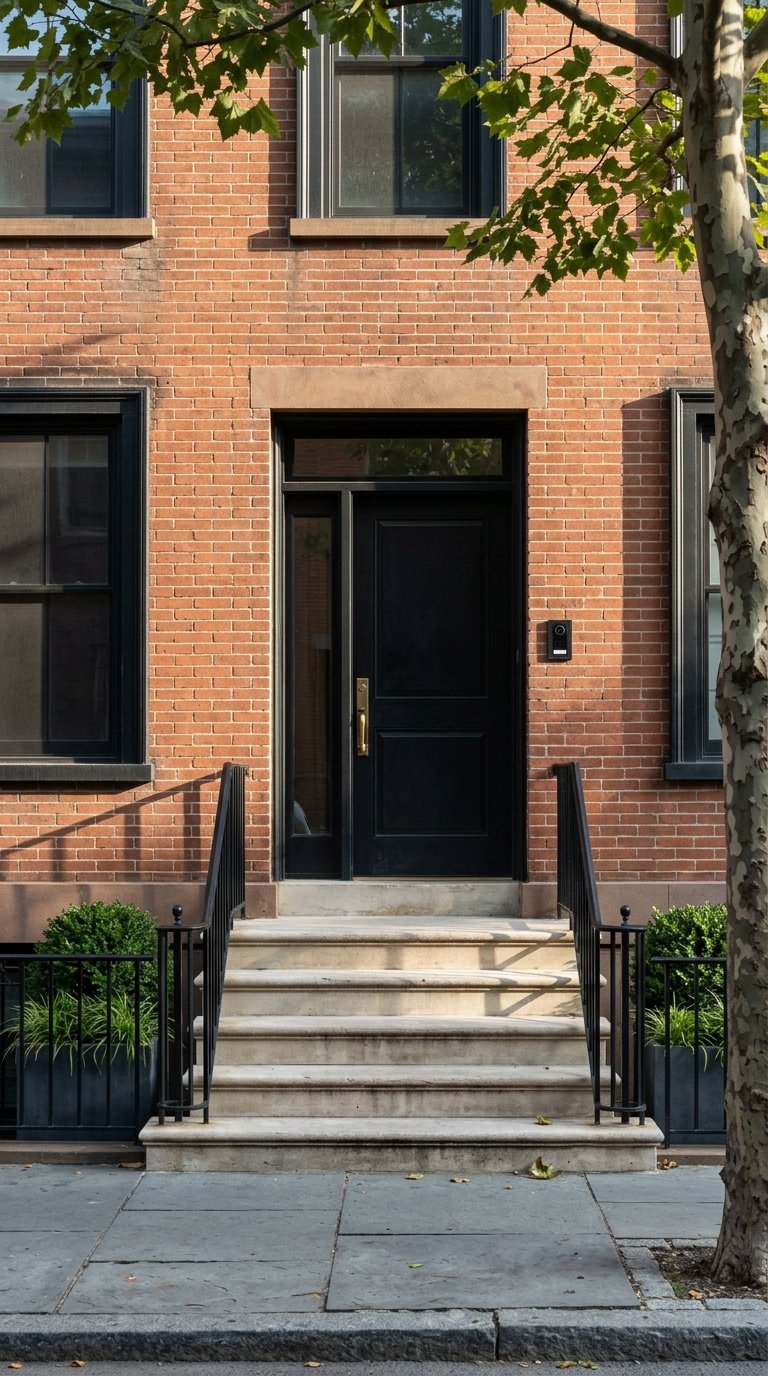
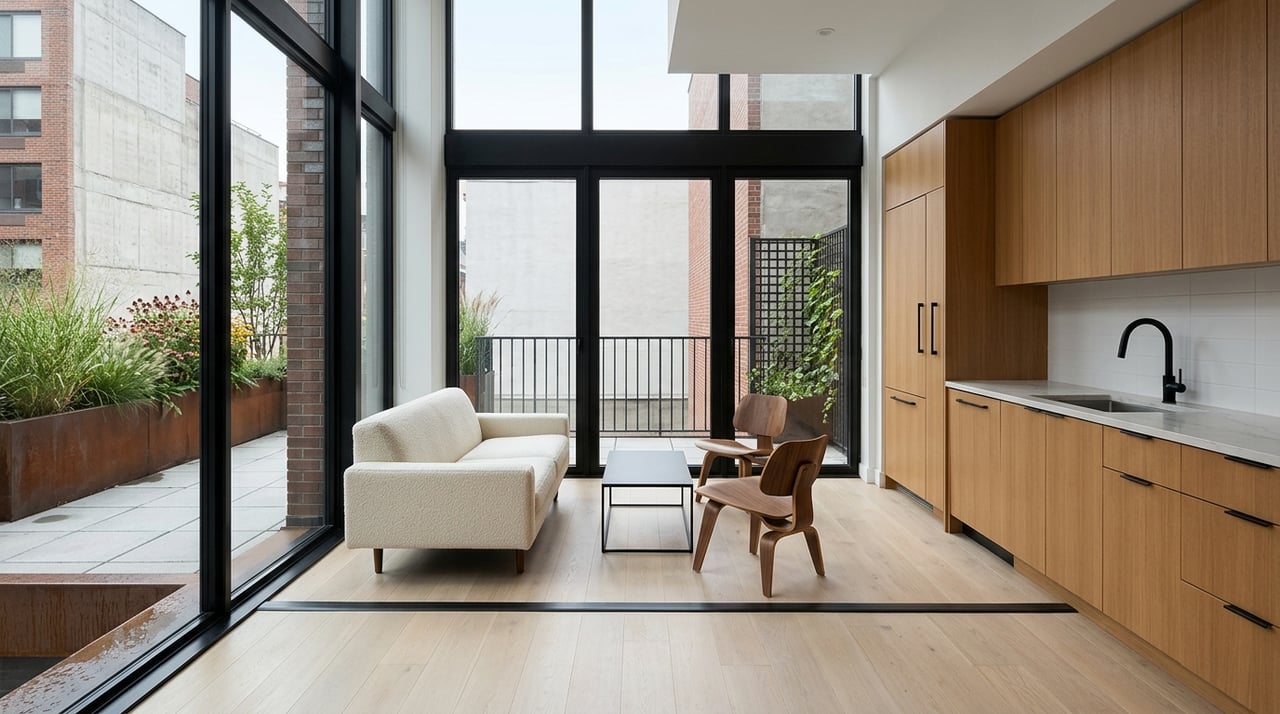
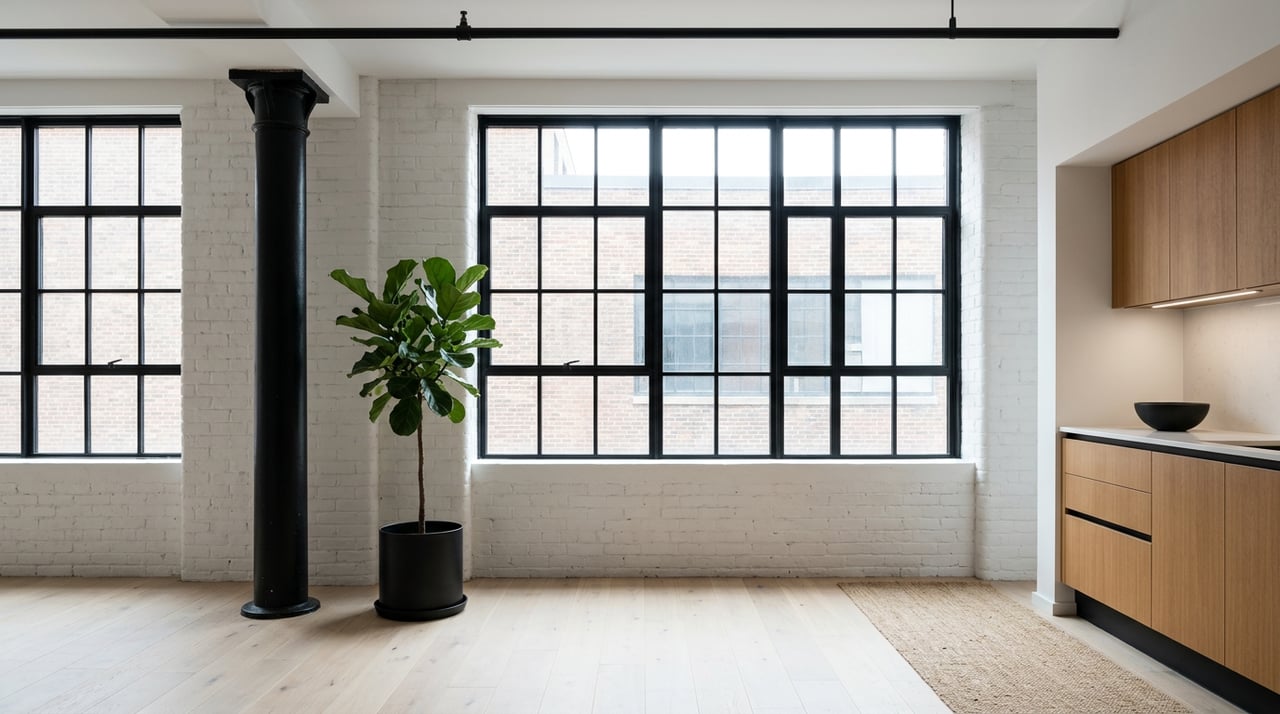
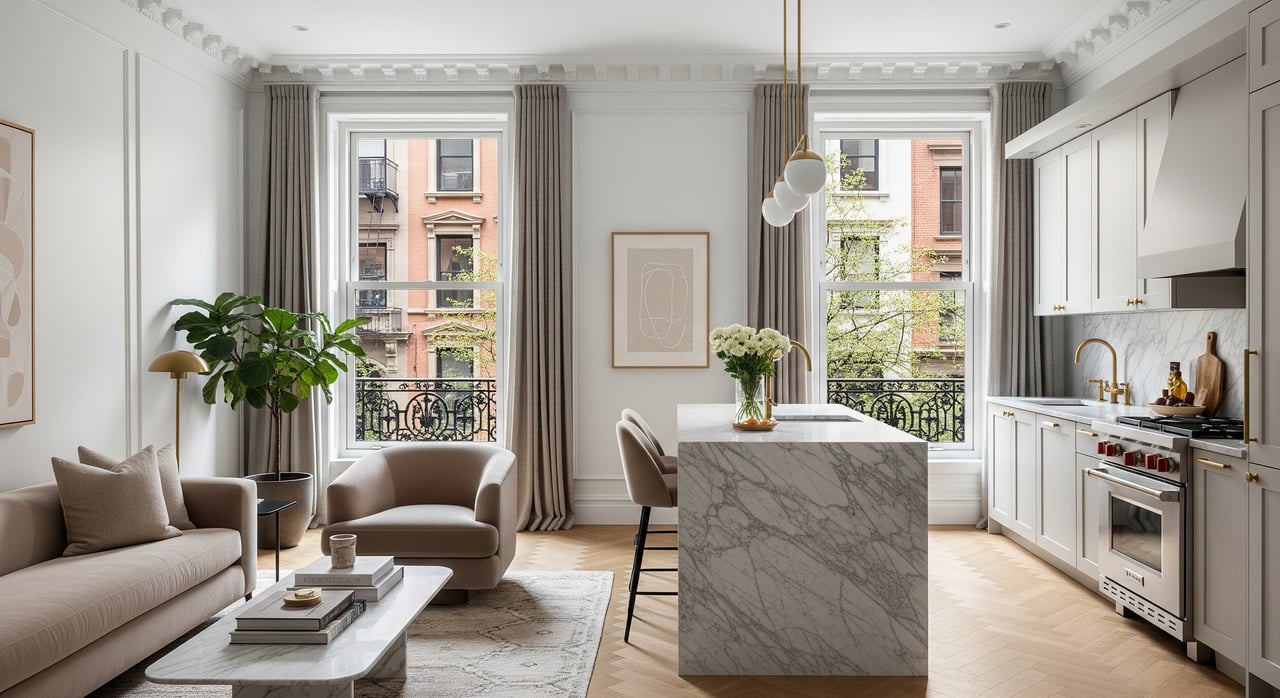
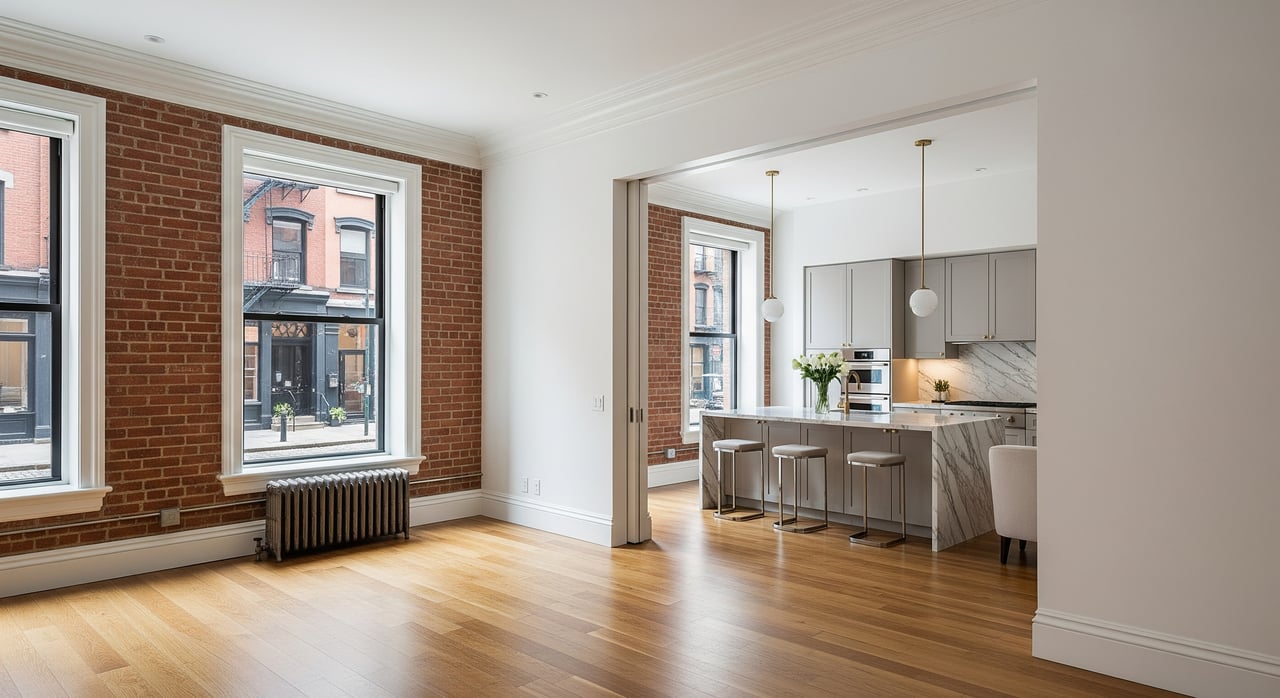
For a West Village brownstone or townhouse, this approach is a natural fit. Buyers in this segment often respond to details such as facade character, stoop presence, ceiling height, garden access, renovation quality, and room flow. A well-executed private presentation can still feel elevated, complete, and compelling.
Offer handling in a low-profile sale
A discreet process should still produce a clean and accountable offer trail. Under the 2026 UCBA changes, the seller’s agent must, on request, verify transmission of an offer to the seller and disclose when there is only one offer. That adds clarity to a process that might otherwise feel opaque.
For sellers, this matters because privacy should not come at the expense of transparency. A controlled sale can still be organized, documented, and competitive. The best private processes protect confidentiality while maintaining confidence in the deal path.
Tax and closing details still matter
Even when a sale is handled quietly, the standard legal and tax framework still applies. The New York City Bar notes that closings are typically attended by the parties and their attorneys, although they can also be arranged without all parties present through power of attorney or mail escrow. The seller’s attorney handles important closing paperwork, and each party generally pays its own legal fees.
Transfer taxes are also part of the planning. New York State imposes a real estate transfer tax on conveyances over $500, and the base tax is paid by the seller. The state’s mansion tax is 1% on residential conveyances of $1 million or more and is paid by the buyer. New York City also has its own real property transfer tax rules and filing requirements.
If title is held in an LLC, privacy has limits. For deed transfers involving a building with up to four family dwelling units, New York transfer-tax filing rules require documentation identifying the LLC’s members, managers, and other authorized persons until ultimate beneficial ownership is disclosed. That is an important point for townhouse owners who assume an entity structure removes all disclosure obligations.
Monitoring the public record
Some owners are less concerned about marketing visibility than they are about recorded documents. For that issue, New York City offers a practical tool. The city’s Notice of Recorded Document program allows property owners, their attorneys, and certain designees to register for free alerts when deeds, mortgages, or related documents are recorded against a property.
For a seller focused on record awareness, this can be a smart part of the overall plan. It does not change the sale process itself, but it helps you monitor for unexpected or unauthorized filings tied to the property.
Why boutique execution matters
A discreet sale is not simply a smaller version of a public sale. It requires close control over listing status, buyer communication, marketing materials, showing logistics, and attorney coordination. In a visible, supply-sensitive market like the West Village, those details can influence both privacy and outcome.
That is where boutique execution becomes valuable. A founder-led firm with direct senior oversight can help you manage one-to-one buyer outreach, keep materials compliant, and maintain pricing discipline even when exposure is intentionally limited. For a West Village brownstone or townhouse, the goal is not to hide the asset. It is to present it selectively, professionally, and on your terms.
If you are considering a private sale in the West Village, the right strategy starts with a clear plan for exposure, timing, and coordination. For discreet, founder-led guidance tailored to downtown Manhattan, request a private consultation with At the Firm.
FAQs
What does discreetly selling a West Village townhouse mean?
- It usually means controlling who sees the property, how it is shared, and when it becomes public, while still following New York City listing and disclosure rules.
What is a Participant Only listing in New York City?
- A Participant Only listing can be viewed by authorized RLS participants and shared through one-to-one personalized communication, but it cannot be publicly disseminated online or through social media.
What is Owner Opt Out for a Manhattan townhouse listing?
- Owner Opt Out means the seller chooses not to share the exclusive property over the RLS or public websites, while still allowing co-broking through one-to-one personalized communication.
Can you call a private townhouse sale off-market in NYC?
- REBNY states that the term “off-market” should not be used to describe or promote an exclusive listing, so more accurate terms include private exclusive, Participant Only, Owner Opt Out, or Coming Soon.
When must a private NYC listing enter the RLS?
- Once information about the exclusive listing is publicly disseminated, or once the property is shown to any buyer, it must be entered into the RLS.
Why should a seller involve an attorney early in a West Village townhouse sale?
- The seller’s attorney usually prepares the first contract draft, and early legal coordination can help address contingencies, disclosures, and closing strategy before marketing becomes public.
Does selling through an LLC keep a townhouse sale fully private?
- No. For certain deed transfers involving buildings with up to four family dwelling units, New York transfer-tax filing rules require disclosure identifying LLC members, managers, and other authorized persons until ultimate beneficial ownership is disclosed.
Are transfer taxes still part of a discreet New York City sale?
- Yes. A quiet sale still follows the same state and city transfer-tax rules, along with the usual closing and filing requirements.