You do not really buy “the Hamptons” as one place. You buy a summer rhythm, a set of habits, and a specific corner of the East End that fits how you actually want to live. If you are a Manhattan buyer thinking about weekends by the water, this guide will help you understand how summer life works on the ground, from beach access and transit to entertaining, family time, and the kinds of homes that match each routine. Let’s dive in.
The Hamptons Work as Micro-Markets
For Manhattan buyers, one of the biggest mindset shifts is that the Hamptons are not a single destination with one uniform lifestyle. They function as a network of towns, villages, and hamlets, each with its own pace, access points, and summer patterns.
Southampton is about 80 miles from New York City and includes seven incorporated villages and 18 hamlets. The town notes that its summer population can swell to twice the year-round level or more. East Hampton, the easternmost town on Long Island, has nearly 70 miles of waterfront on three sides and is defined in its planning documents by the distinct character of its hamlets, villages, and countryside.
That local map matters when you are buying. East Hampton Town includes hamlets such as Amagansett, East Hampton, Montauk, Springs, and Wainscott. Southampton’s villages include Sag Harbor, North Haven, Quogue, Westhampton Beach, West Hampton Dunes, Southampton, and Sagaponack.
Summer Living Is Weekend-Driven
For many Manhattan buyers, the season is shaped by a simple pattern: leave the city, settle in for the weekend, and head back with enough of a reset to do it again next Friday. Local beach operations and summer rail service support that kind of routine, even if every household does it a little differently.
East Hampton Town says most town beaches open for swimming on Memorial Day weekend, then shift to full-time lifeguarded hours from mid-June through Labor Day. The practical effect is that summer does not feel abstract here. It runs on a visible schedule, and buyers often end up organizing their weekends around it.
The MTA has also added summer Montauk service with extra weekday and Sunday options. For buyers who want flexibility, that can make the East End feel more usable without needing every trip to revolve around the car.
Beach Access Shapes Daily Life
A lot of Hamptons decision-making comes down to beach logistics. Not just whether you like the ocean, but how you want to use it. Some buyers want long, planned beach days. Others want the freedom to make short, repeated visits between breakfast, errands, and dinner.
East Hampton Village applies summer rules that include beach parking permits, restricted vehicle access during the season, and a free seasonal shuttle from the long-term parking lot to the Village Center and Main Beach. Its FAQ also notes 15-minute beach parking spaces for lunch visits, which gives you a good sense of how local summer life can work in practice.
Southampton uses a similar permit-based approach, with daily parking permits at selected beaches including Flying Point, Mecox, and Sagg Main. For buyers, this means convenience is often less about straight-line distance and more about how smoothly you can get from house to beach on a real summer Saturday.
Walkability Means Different Things Here
In Manhattan, walkability often means daily errands, restaurants, and transit within a few blocks. In the Hamptons, the concept is narrower and more seasonal, but still important. It can mean a walkable hamlet center, a quick shuttle connection, or an easy route from marina to dinner.
East Hampton’s long-range planning for hamlet centers describes a goal of creating walkable centers while preserving open space and local character. That gives buyers a useful lens. If you want a more active summer pattern, you may be drawn to places where beach, village, or dining access feels built into the routine rather than planned from scratch every time.
Sag Harbor offers another version of that convenience. The village says its marina facilities are a short walk from shops, restaurants, and public bus transportation. If boating is part of your summer, that kind of setup can turn a day on the water into a very easy evening in the village.
Entertaining Is Planned, Not Improvised
Manhattan entertaining can be spontaneous. Hamptons entertaining is often more scheduled, more outdoor-oriented, and more tied to the setting. That does not make it less social. It just changes the rhythm.
The dining examples across the East End point in a clear direction. Discover Long Island describes Navy Beach in Montauk as a family-friendly beach restaurant on a private beach. In Water Mill, Calissa is noted as a restaurant where reservations are recommended, with takeout and private dining available.
That combination tells you a lot. Summer dining tends to revolve around waterfront settings, sunset timing, and reservations that should be thought through in advance. The atmosphere may feel relaxed, but the best version of the season is often casually well planned.
Local rules reinforce that reality. East Hampton Town requires special-event permits for larger gatherings, while village rules regulate beach driving, parties, and fires. If you are buying with entertaining in mind, it helps to think in terms of outdoor meals, small groups, and longer evenings at home rather than an open-ended city nightlife pattern.
Family Time Is Outdoors and Program-Based
If your summer goals involve children, guests, or multigenerational visits, the Hamptons offer a strong outdoor and activity-based framework. The appeal is not only the house itself, but the ability to structure time around beaches, parks, trails, and local programming.
East Hampton Recreation says it offers safe recreational opportunities for all ages across beaches, parks, and other facilities. Southampton Youth Bureau offers after-school, weekend, and seasonal programs, including summer clubs and internships. East End institutions such as CMEE, SOFO, and Guild Hall also provide family or educational programming.
Suffolk County Parks adds another layer through hiking and nature trails across eastern Long Island, with many properties open for hiking year-round. For a buyer, this broadens the picture. Summer does not need to be all beach, all the time.
The Right Home Depends on Your Routine
The smartest Hamptons purchases usually start with one question: how do you want your summer days to unfold? Once that is clear, the home type becomes easier to define.
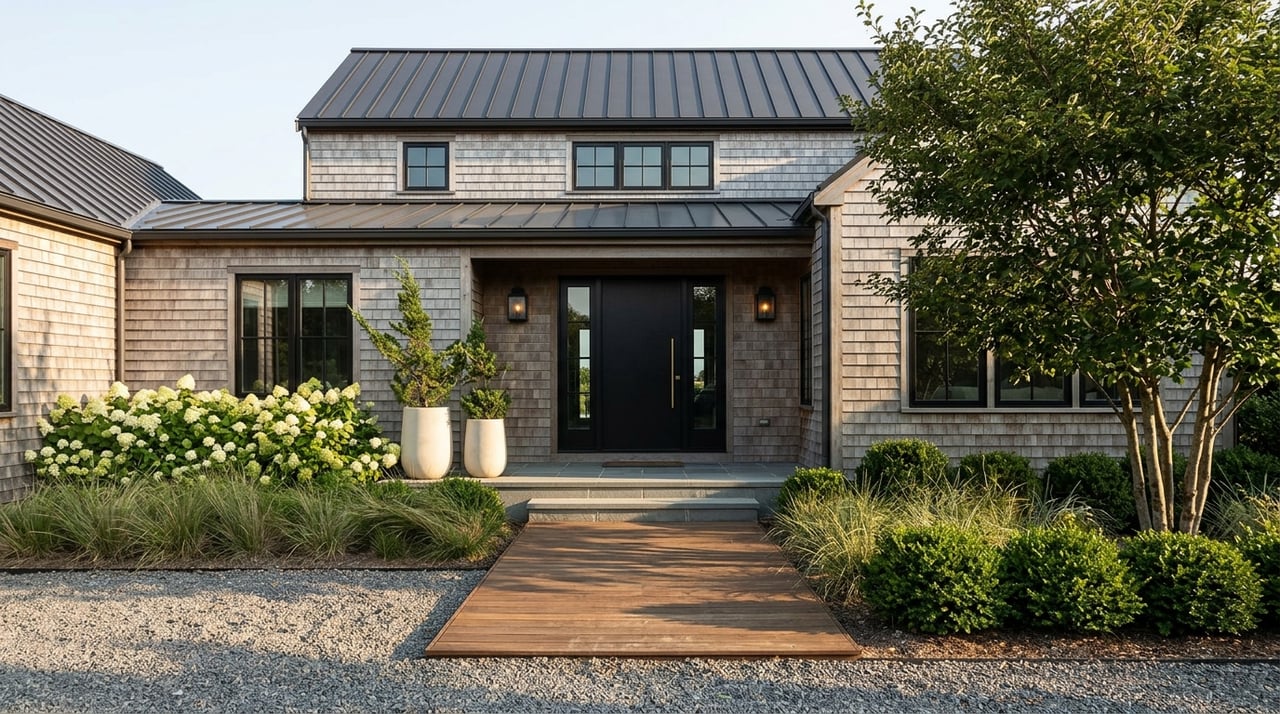
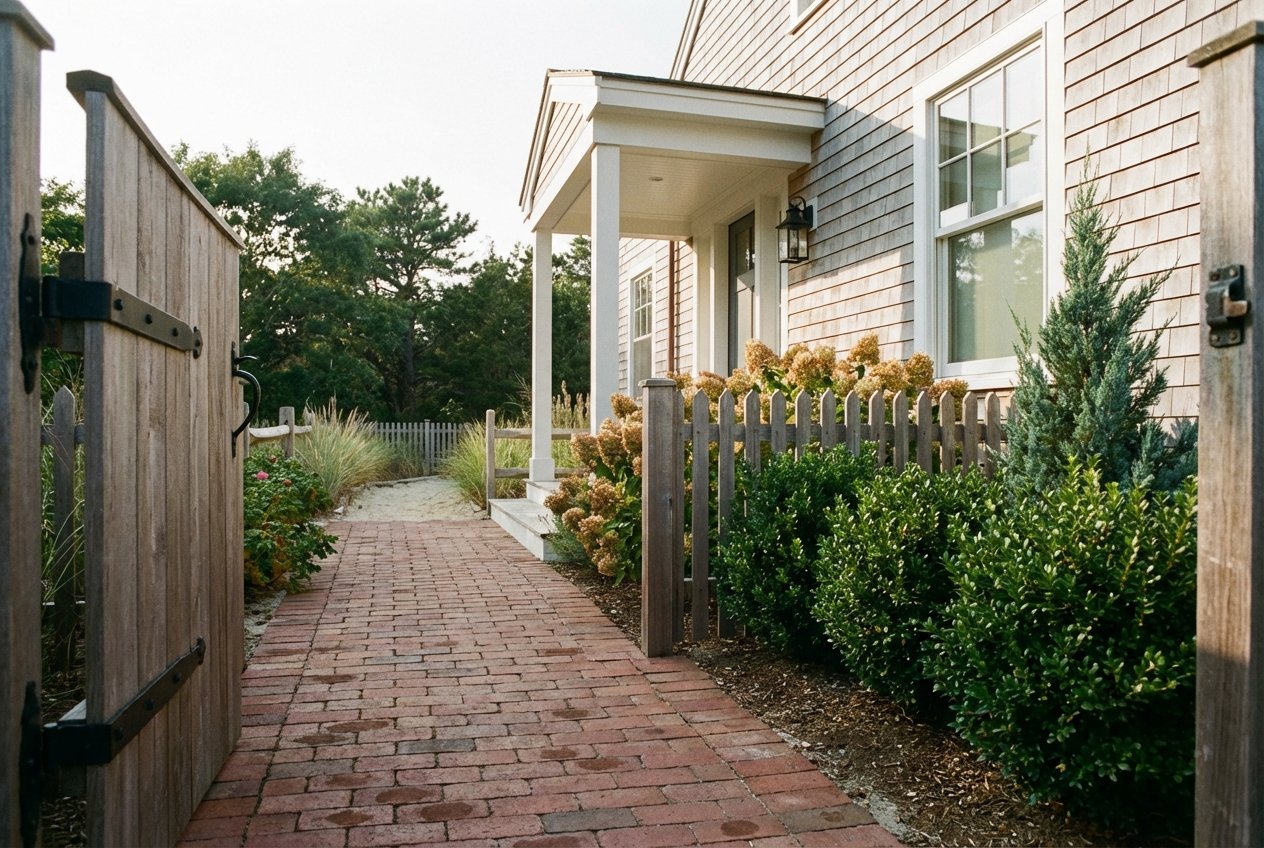
For buyers who want quick access to beaches, village centers, and dinners, village houses and cottages can make sense. These homes often align with a more active, out-and-about summer where you are using local infrastructure rather than creating every moment at home.
For buyers who prioritize boating, harbor-front homes and marina-adjacent properties may be a better fit. In those cases, your summer rhythm may center on dockage, harbor access, and the ability to move easily from water to village life.
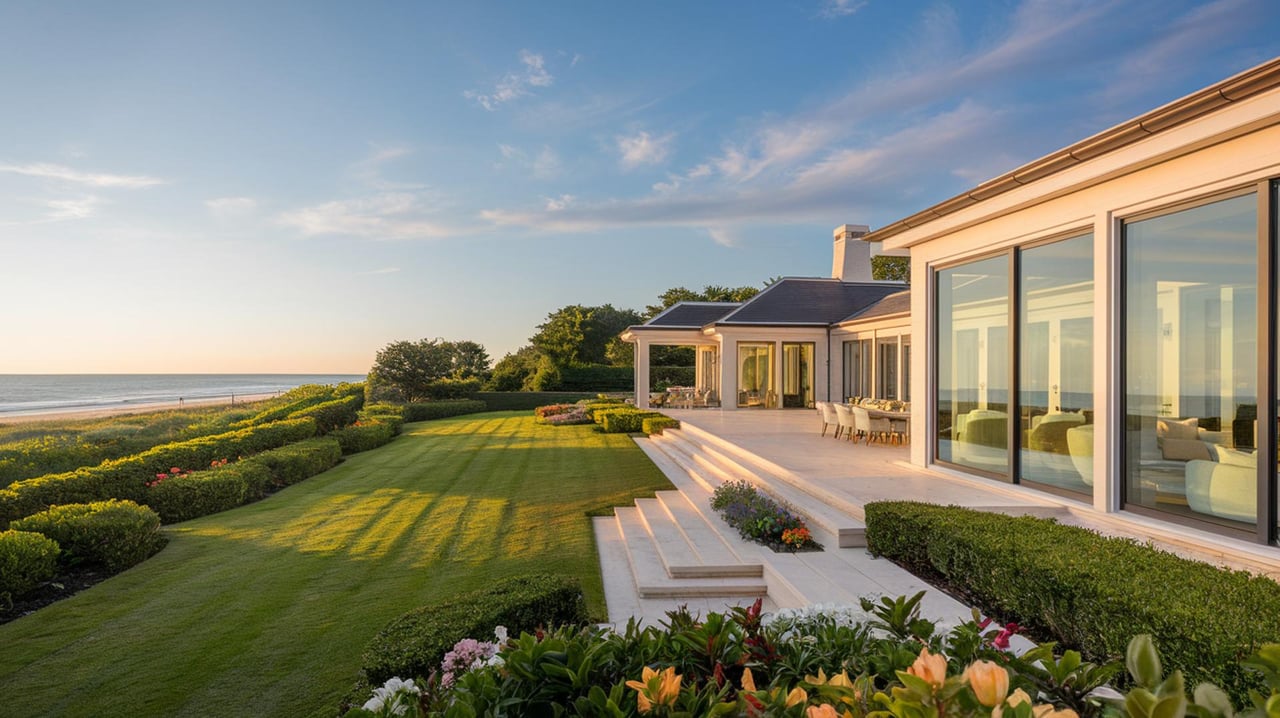
For buyers planning extended stays, multigenerational hosting, or larger-scale entertaining, bigger compounds often offer a different kind of flexibility. They support longer weekends, larger guest lists, and more of the day happening on the property itself.
What Manhattan Buyers Often Miss
The biggest mistake is assuming the Hamptons are simply Manhattan by the beach. They are not. The East End runs on permits, parking systems, local rules, seasonal schedules, and the distinct identities of its towns, villages, and hamlets.
That is why lifestyle fit matters as much as aesthetics. A beautiful house can still feel inconvenient if its location does not match how you plan to spend a summer weekend. On the other hand, the right setting can make even a shorter stay feel easy, generous, and restorative.
For many buyers, the real value is not just owning a second home. It is creating a repeatable pattern that works, whether that means a Friday train out, a shuttle to the beach, a harbor dinner, or a quieter compound where everyone can stay put through Monday morning.
Buying With More Clarity
When you look closely, Hamptons buying is less about status shorthand and more about alignment. You are choosing between different kinds of summer living, each shaped by local geography, public infrastructure, beach access, and the pace of the surrounding community.
That is especially true if you are coming from downtown Manhattan, where convenience can mean one thing in the city and something very different on the East End. The buyers who feel happiest with their purchase are often the ones who define their summer first and search for the home second.
If you are thinking through that move, a discreet, well-informed process matters. For a private consultation on finding the right Hamptons fit for your city-to-seasonal lifestyle, connect with At the Firm.
FAQs
How do Manhattan buyers typically use Hamptons homes in summer?
- Many summer patterns are weekend-oriented, shaped by beach schedules, permit systems, and seasonal transit options such as added summer Montauk service.
What does “the Hamptons” include for buyers looking at the East End?
- The Hamptons function as a collection of towns, villages, and hamlets, including places in East Hampton Town such as Amagansett, Montauk, Springs, and Wainscott, and villages in Southampton such as Sag Harbor, Southampton, Quogue, and Westhampton Beach.
Why do beach permits matter when buying a Hamptons home?
- Beach permits and seasonal parking rules can shape how easily you use the beach, especially during busy summer weekends, so access is about daily practicality as much as location.
What type of Hamptons home fits a walkable summer lifestyle?
- Village houses and cottages may suit buyers who want easier access to beach shuttles, village centers, shops, or dinners, depending on the specific area.
What type of Hamptons home fits boating and harbor access?
- Harbor-front homes and marina-adjacent properties may work well if your ideal summer includes dockage, boat days, and an easy transition from the water to village dining.
How does entertaining work differently in the Hamptons than in Manhattan?
- Summer entertaining is often more planned, more outdoor-focused, and more dependent on reservations, local rules, and permit requirements for larger events.
What do families do in the Hamptons beyond the beach?
- Families often build their summers around recreation programs, parks, hiking trails, and educational or cultural programming offered by local East End institutions.
How should a Manhattan buyer choose the right Hamptons area?
- Start by defining your preferred summer routine, such as beach-focused weekends, boating, walkable village time, or extended hosting, then match that lifestyle to the micro-market and home type.