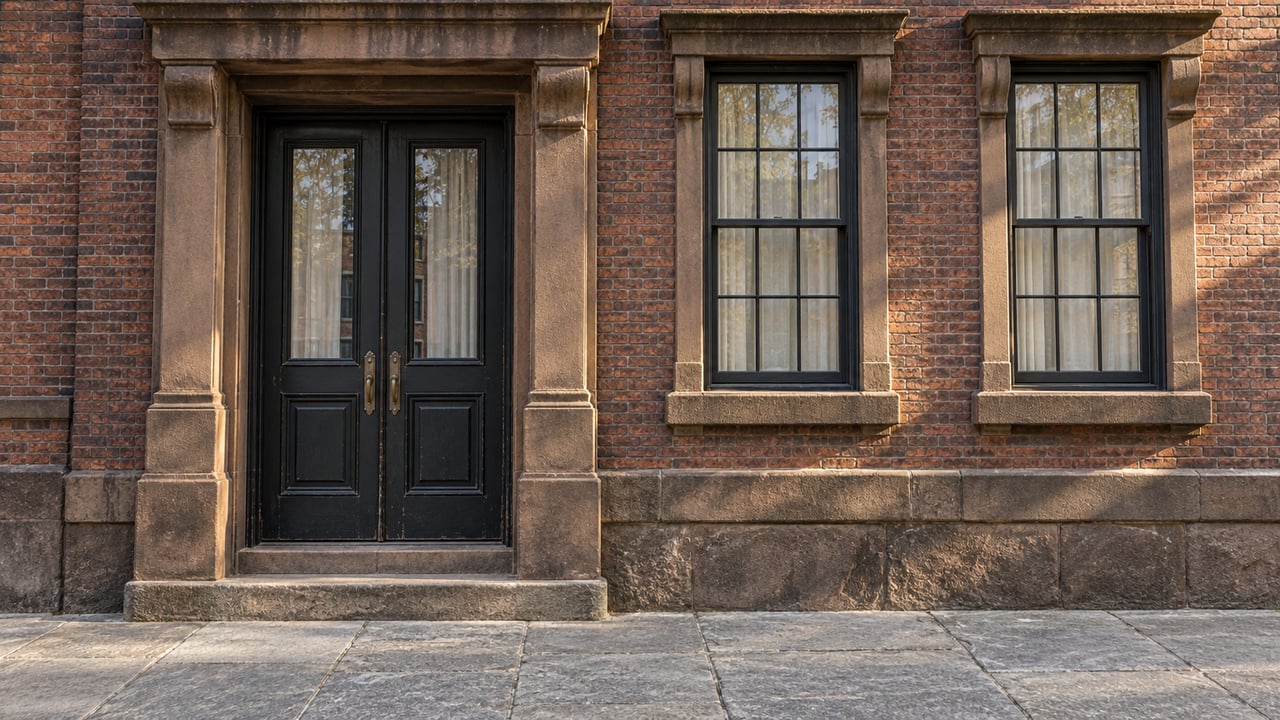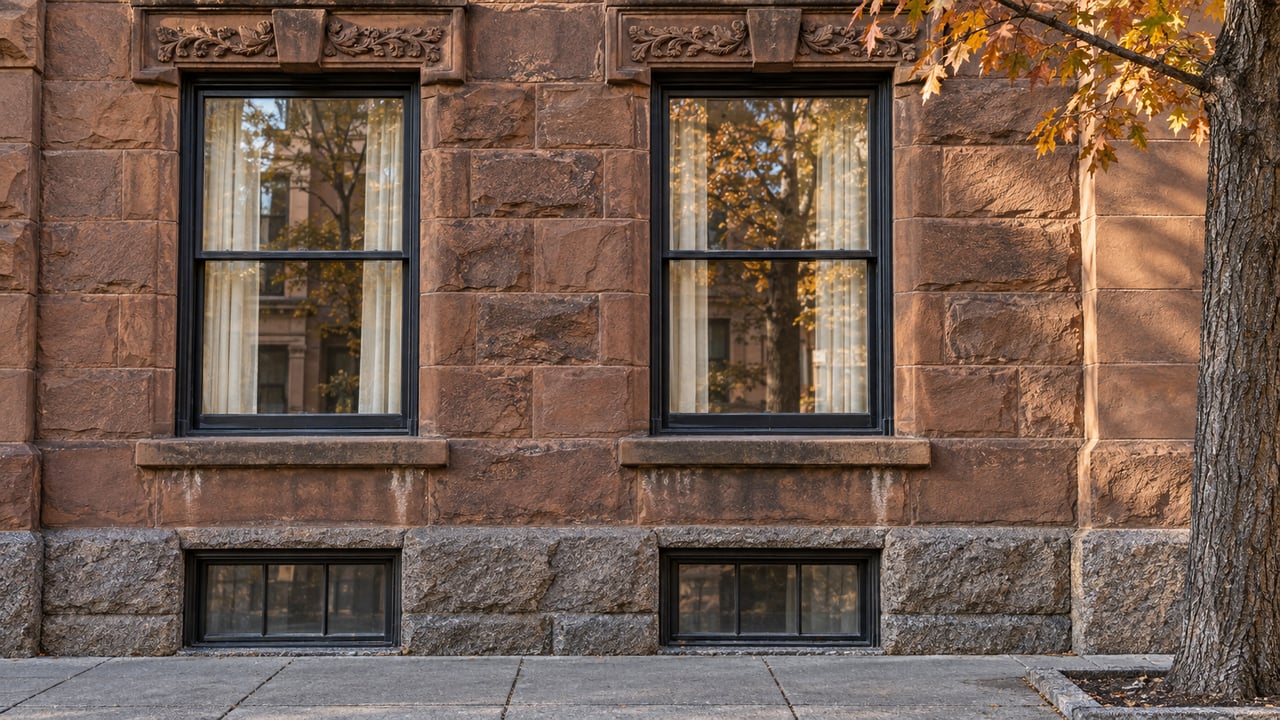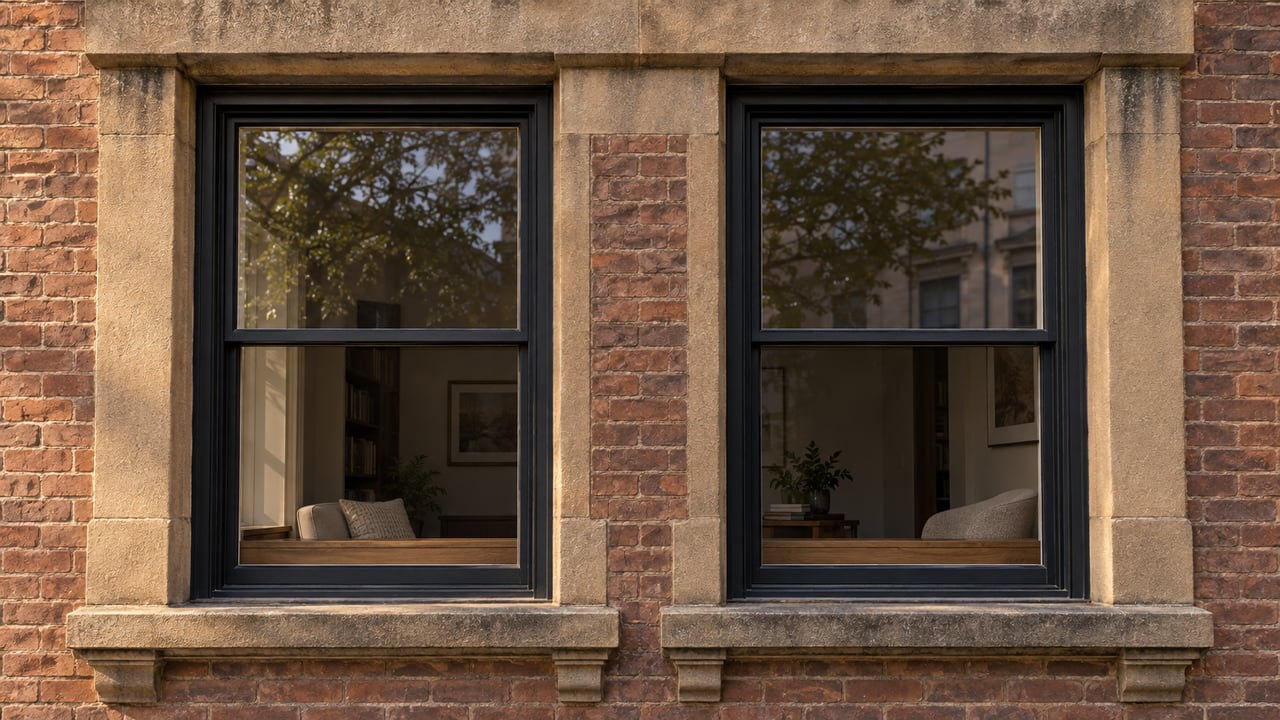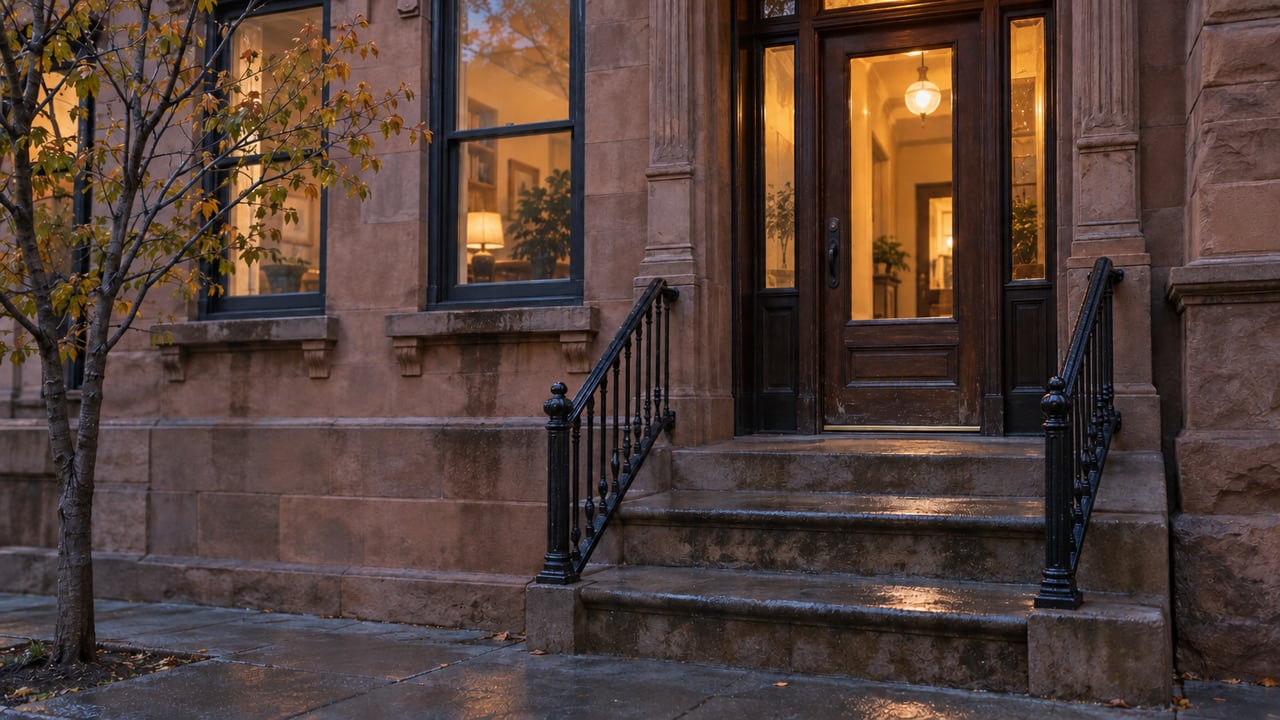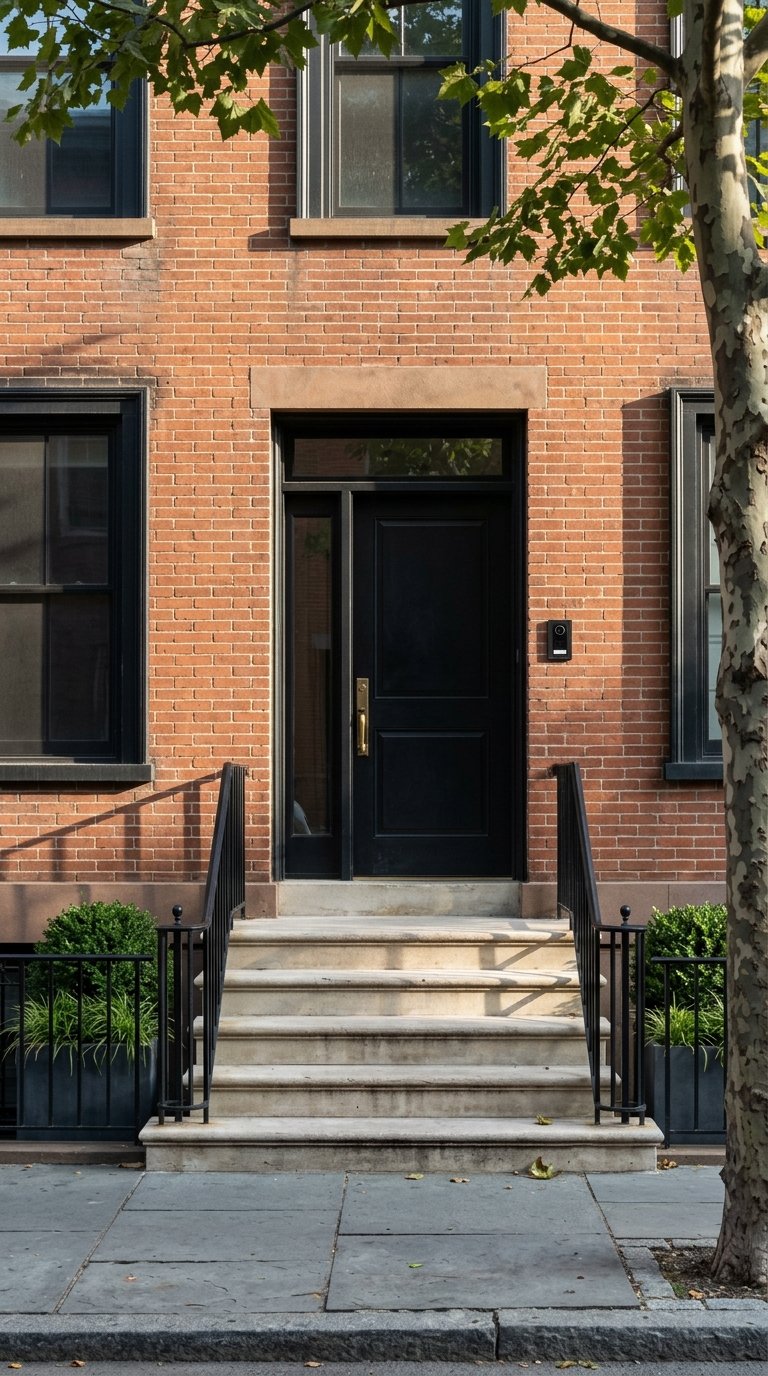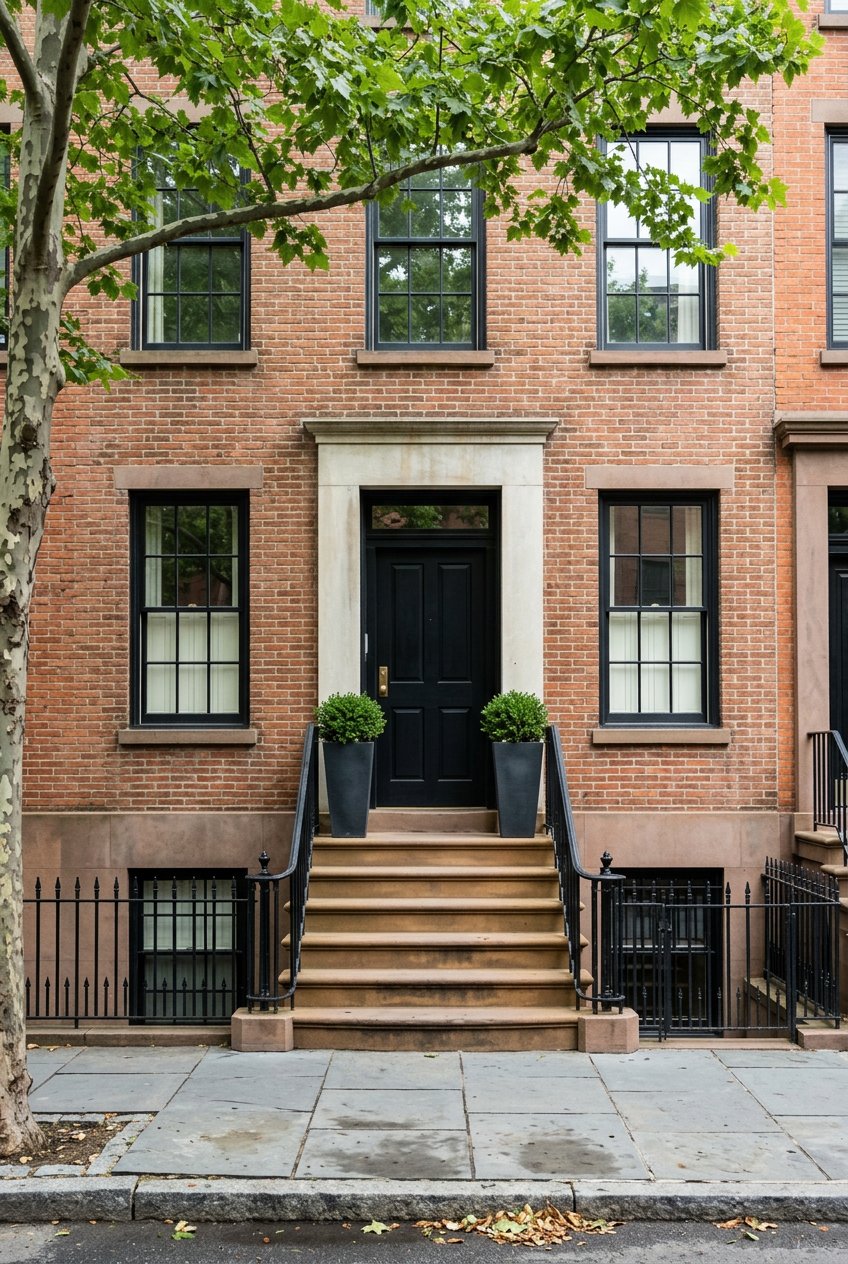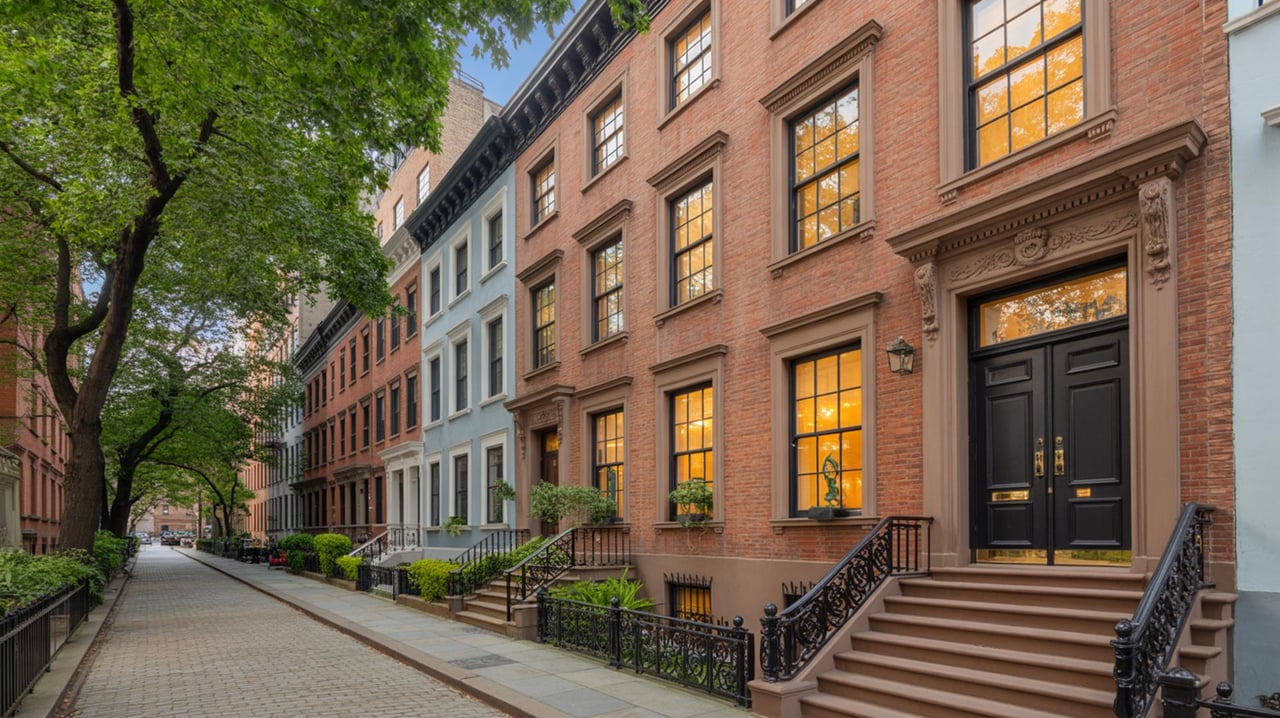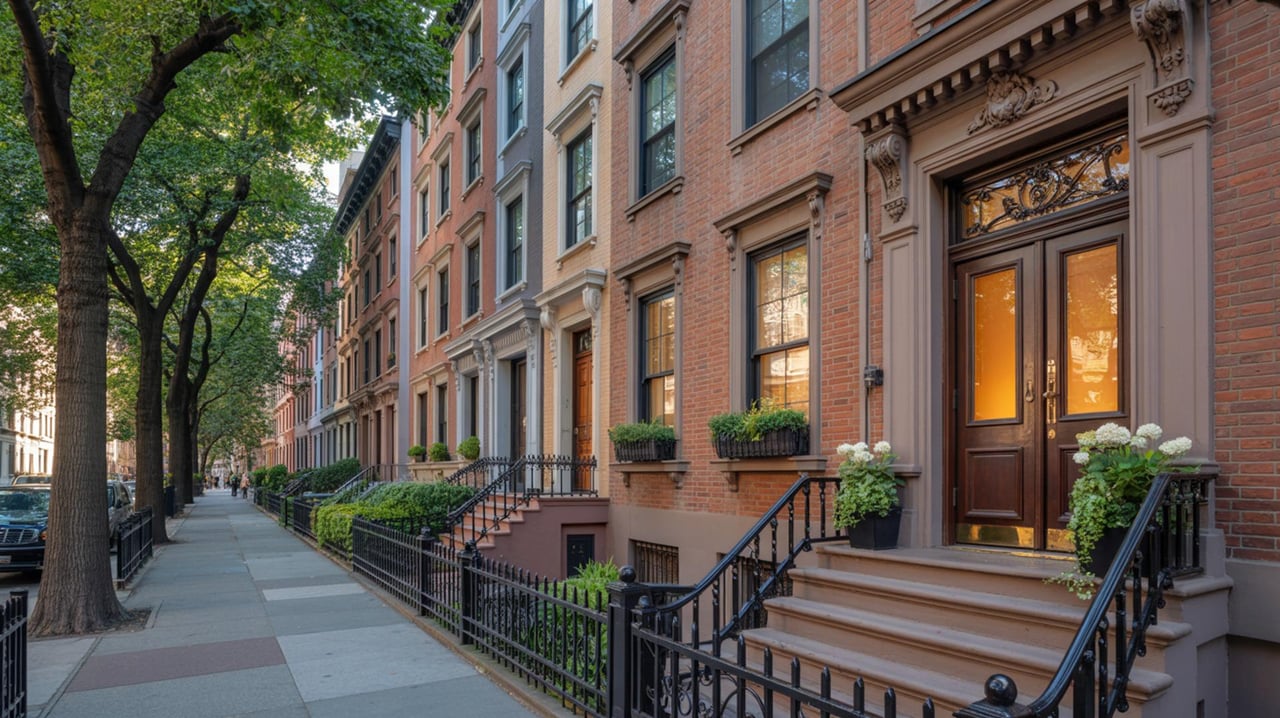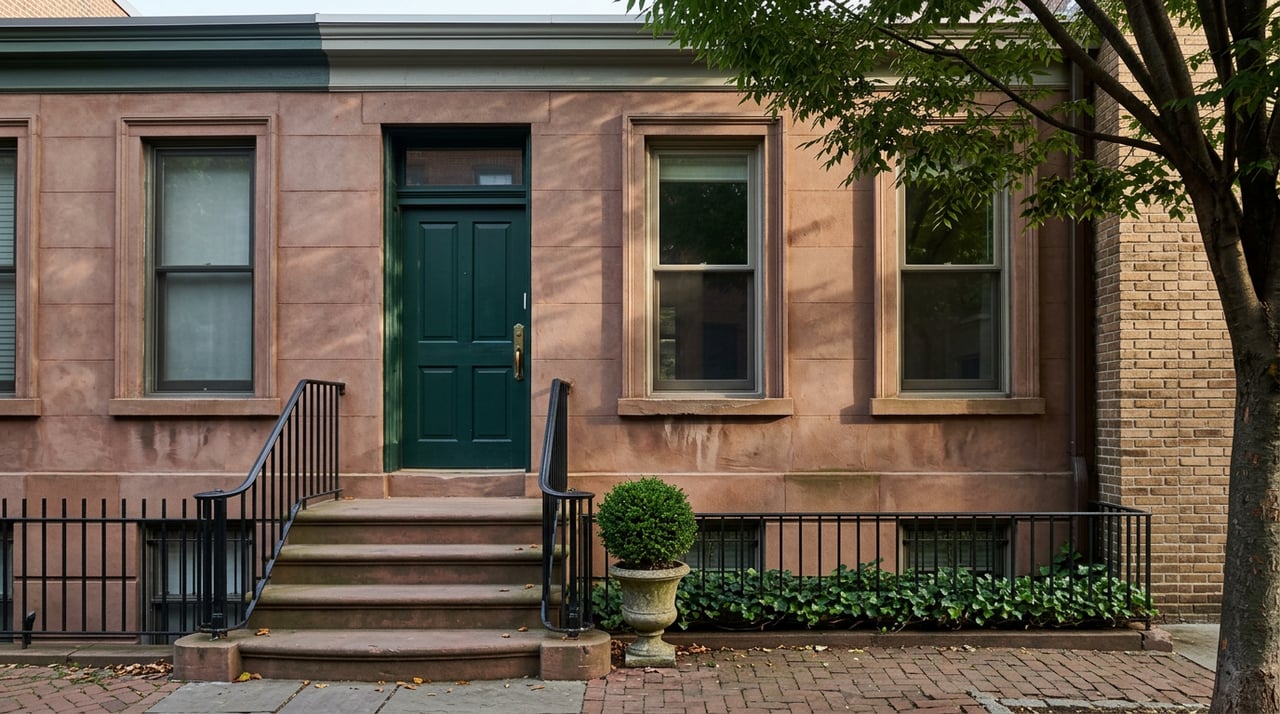
As Hoodline reported, a five-story building on Horatio Street sold in October 2025 for $10.25 million, or roughly $1,671 per square foot, to an entity called Jane St Garden LLC. The plan looked straightforward on paper: take an eight-unit walkup, built in 1853 and altered in 1909, and convert it into a single-family home. The construction firm behind the deal, J.T. Magen & Company, has renovated enough Manhattan buildings to know the drill.
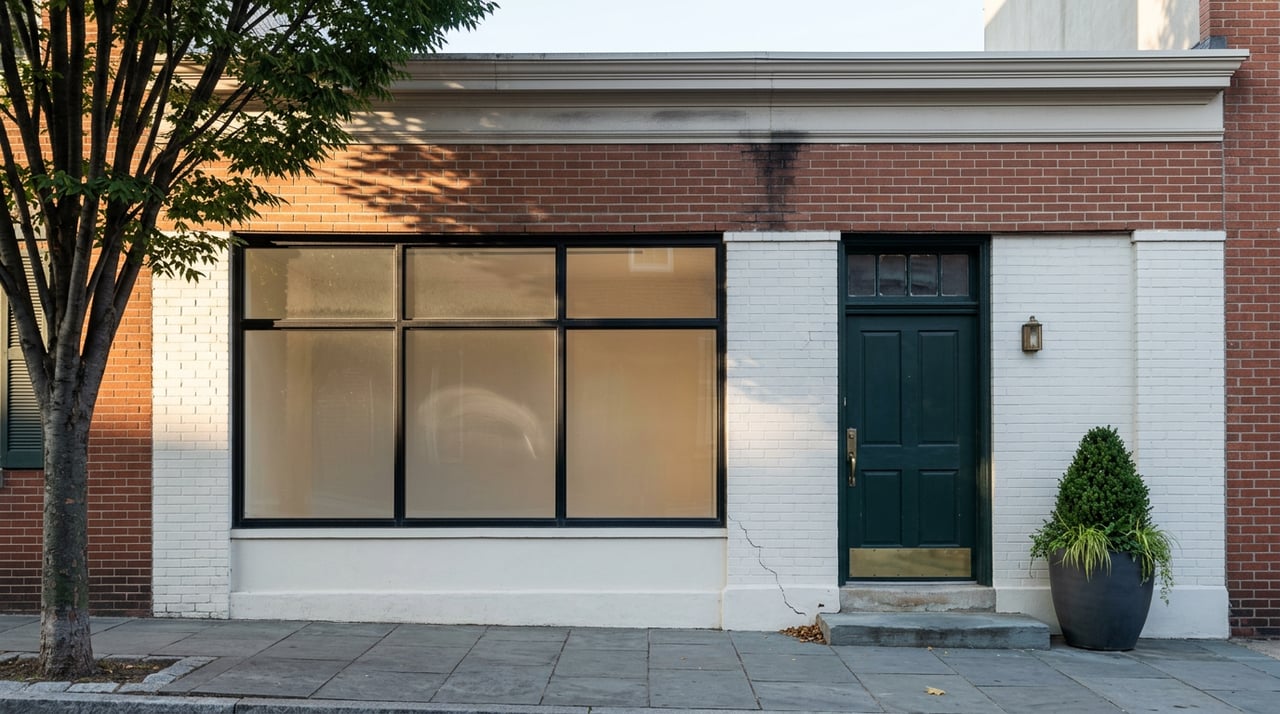
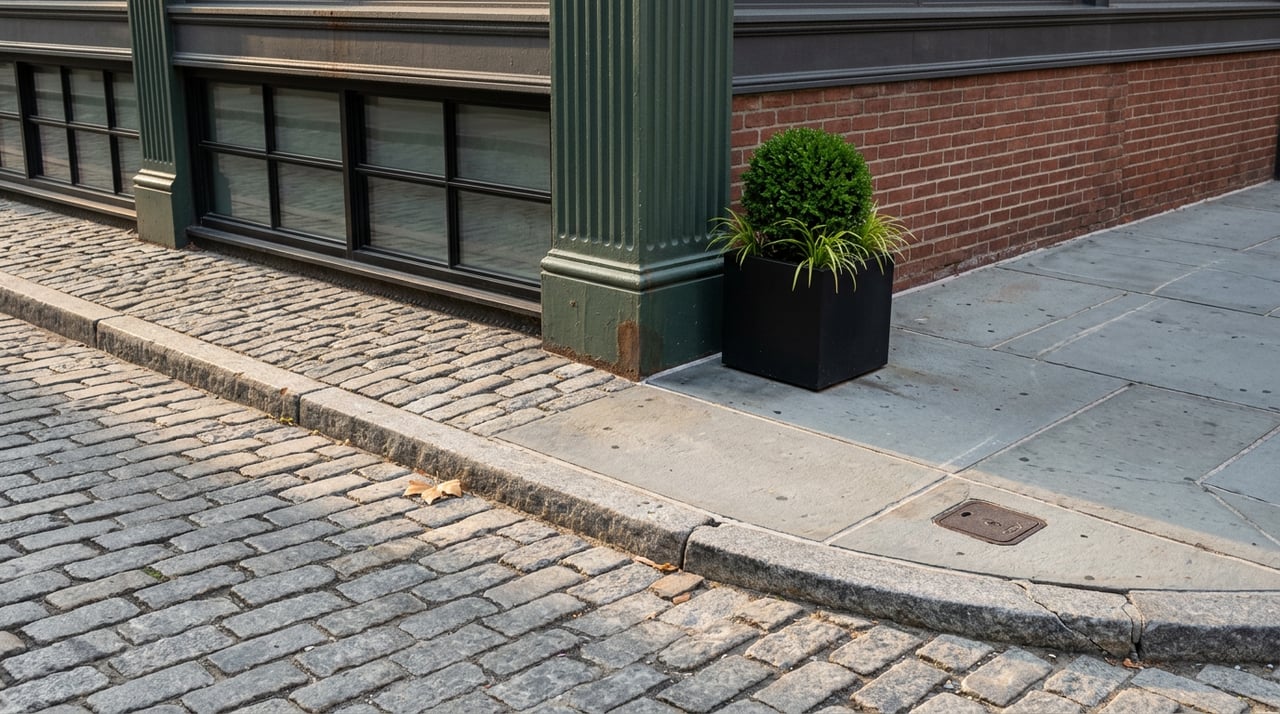
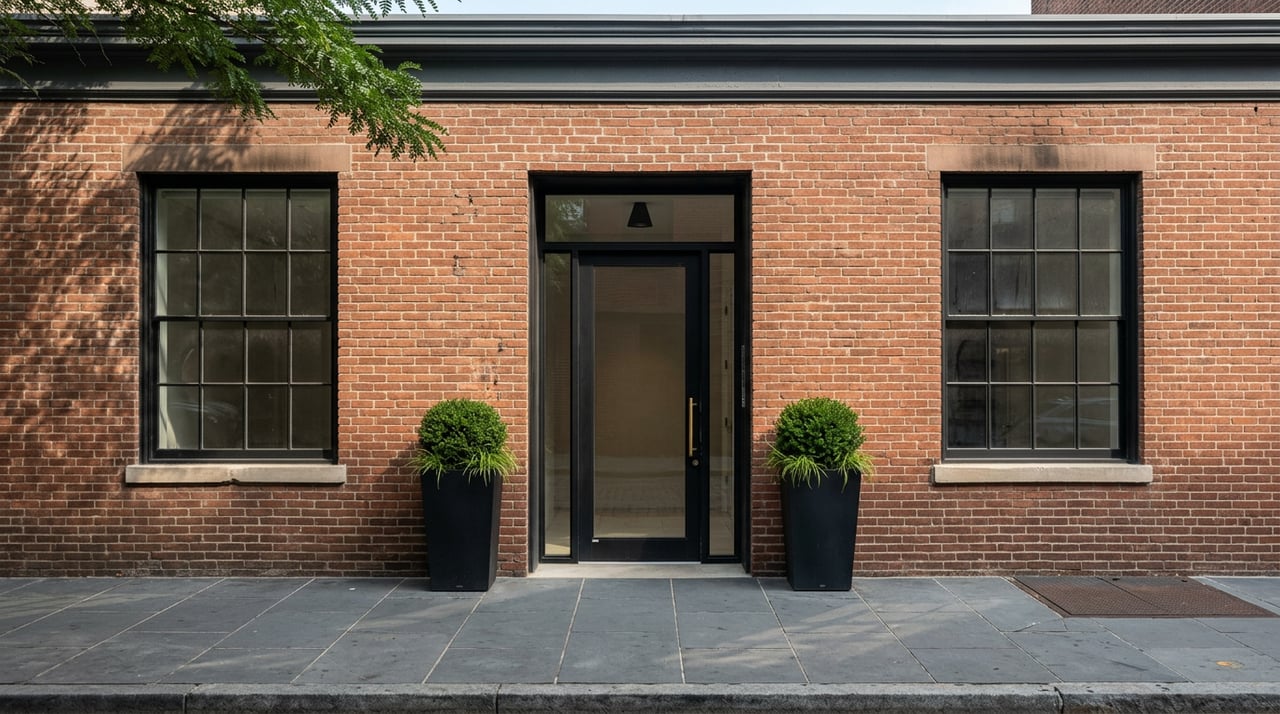
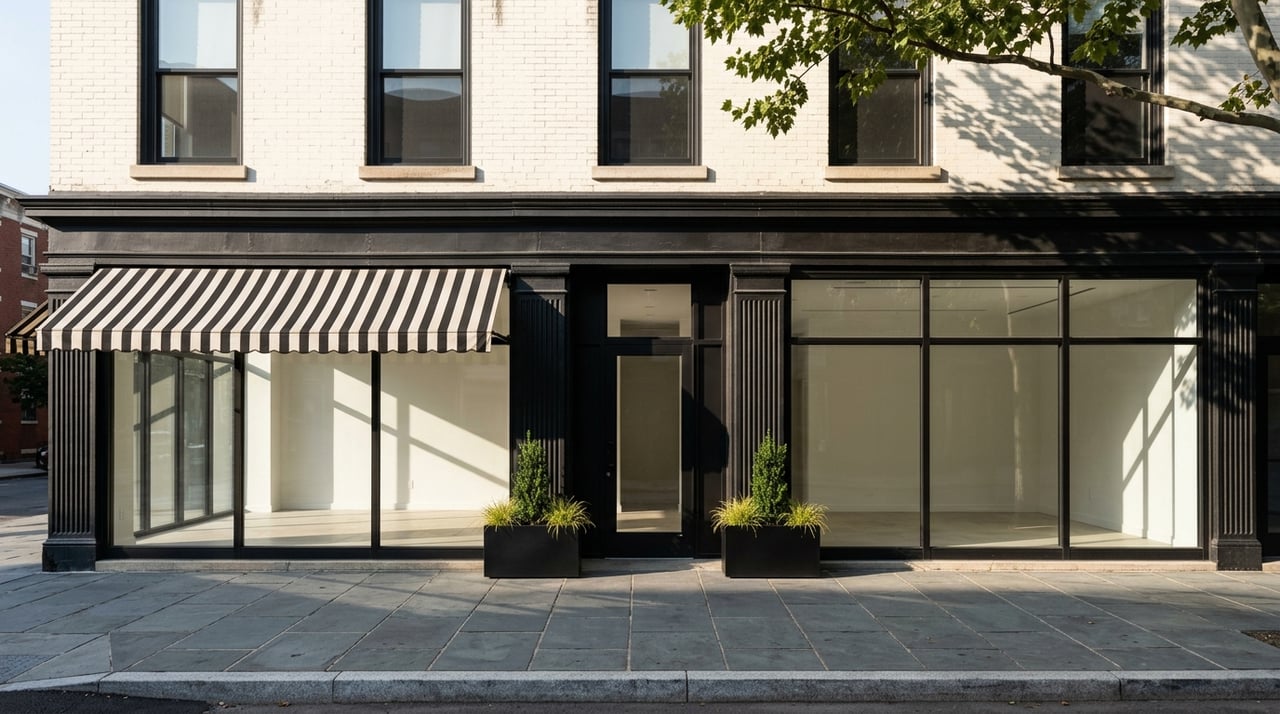
By late summer 2026, the project still hadn't cleared approval, and the holdup had nothing to do with money, architects, or ambition. It came down to a storefront. The building's ground floor was added during that 1909 alteration, decades after the original 1853 construction, and the Landmarks Preservation Commission was not convinced it should disappear. Commissioners returned to weigh a revised version of the plan on September 1, the second time this summer the panel had taken up the question of how much of the building's mixed-use past should survive the renovation.
If you are shopping for a West Village townhouse with a renovation already sketched out in your head, this is the story worth sitting with before you go under contract. Not because your project will look anything like 80 Horatio Street, but because the mechanism that stalled it applies to almost every renovation in the neighborhood, and it rarely shows up until someone is already deep into design.
How Landmarks Review Can Shape Historic-District Renovations
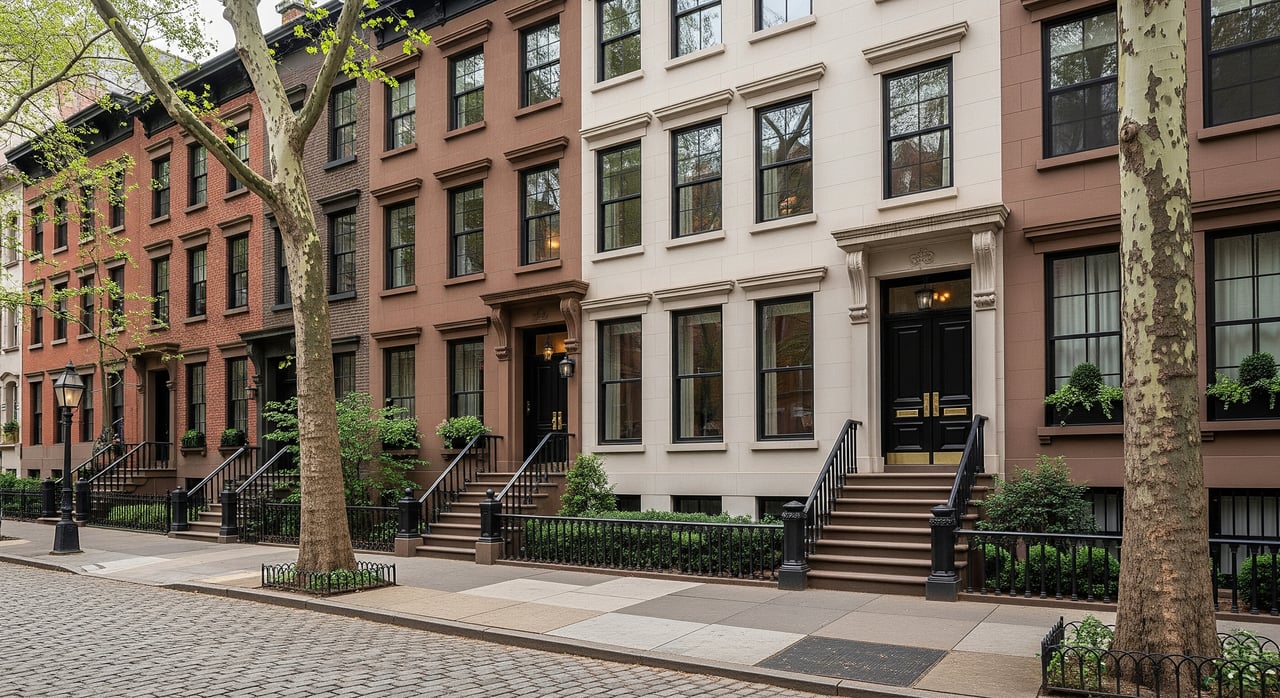
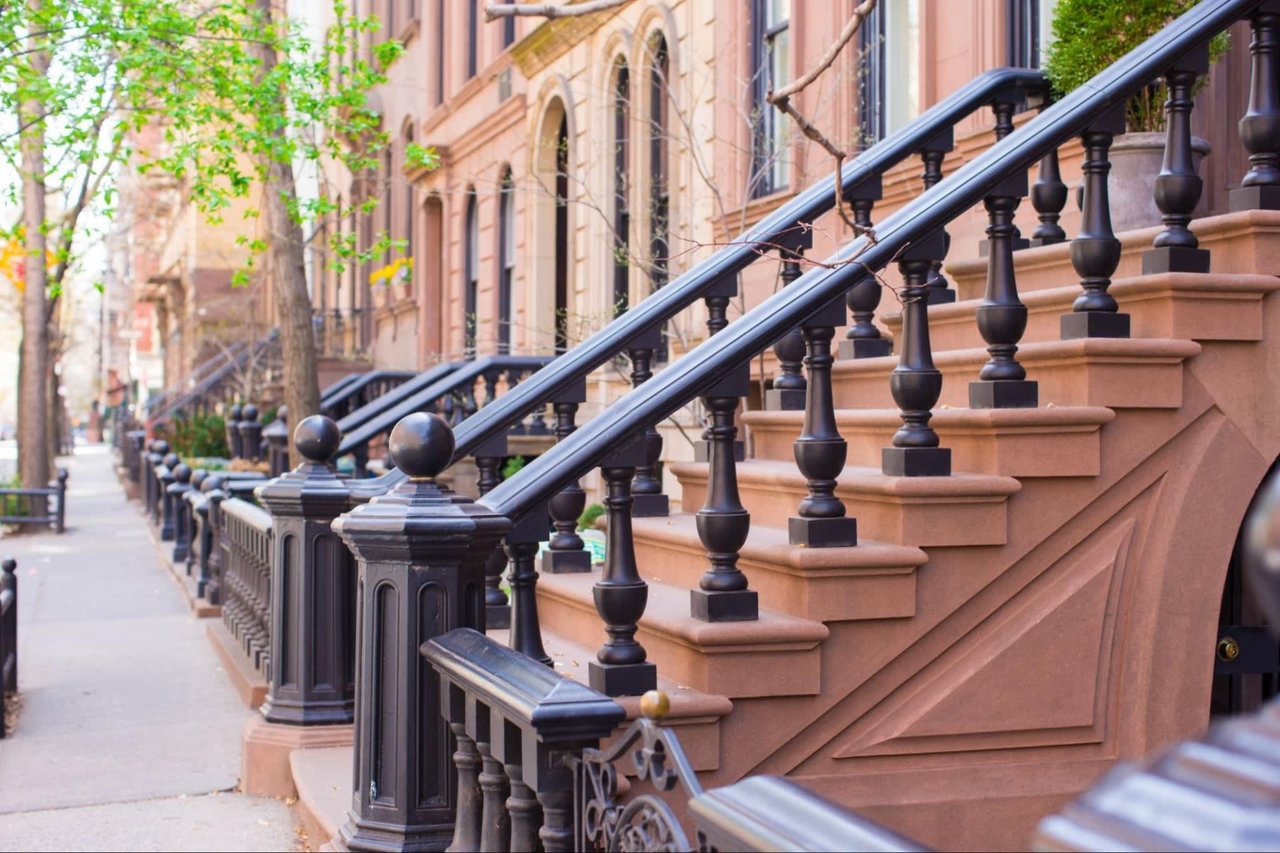
Most of the West Village sits inside the Greenwich Village Historic District, designated on April 29, 1969. Sources differ on exactly how large it is. Some accounts put it at roughly 2,000 structures across 65 blocks, others count more than 2,200 buildings across closer to 100. The exact tally matters less than how the district's status can affect a renovation. The lot at 80 Horatio Street sits inside this district, which is exactly why a storefront installed well after the building's original construction became a genuine sticking point rather than a footnote.
The building itself is a 24-foot by 87-foot lot, about 2,145 square feet of land carrying 6,133 square feet of built space under R6 zoning with a floor area ratio of 2.43. It had stayed in the same family for nearly 50 years, since Matthew Chirichella and Marshall Levine bought it in March 1976. None of that history determines how fast a renovation moves once ownership changes. What determines the pace is which category the proposed work falls into, and that is decided building by building, feature by feature.
Three Approval Tracks, and Only One of Them Is Fast
The commission does not have one process. It has three, and the difference between them is the difference between a renovation that stays on schedule and one that eats a season.
| Approval Type | What It Covers | Typical Timeline |
|---|---|---|
| Certificate of No Effect | Interior work needing a DOB permit that doesn't touch protected exterior features | Weeks, though staff backlog can stretch it |
| Permit for Minor Work | Small exterior changes consistent with the commission's established rules, like in-kind window replacement or masonry repointing | Roughly four to eight weeks, no public hearing |
| Certificate of Appropriateness | Significant exterior changes: additions, facade alterations, new construction, anything that can't be resolved at the staff level | Eight to sixteen weeks on top of standard permitting, longer if the design needs revision and a second hearing |
Most Landmarks applications across the city, on the order of 95 percent, get resolved at the staff level without ever reaching a public hearing. That statistic sounds reassuring until you notice what it implies about the other 5 percent: those are the ones that need a hearing precisely because staff couldn't resolve them quietly, and a hearing is where a plan can get sent back for revision, as it apparently was at 80 Horatio Street before the September hearing.
A West Village townhouse doesn't come with its renovation timeline stamped anywhere on the deed. It comes with a facade, and the facade decides.
What Actually Trips the Wire
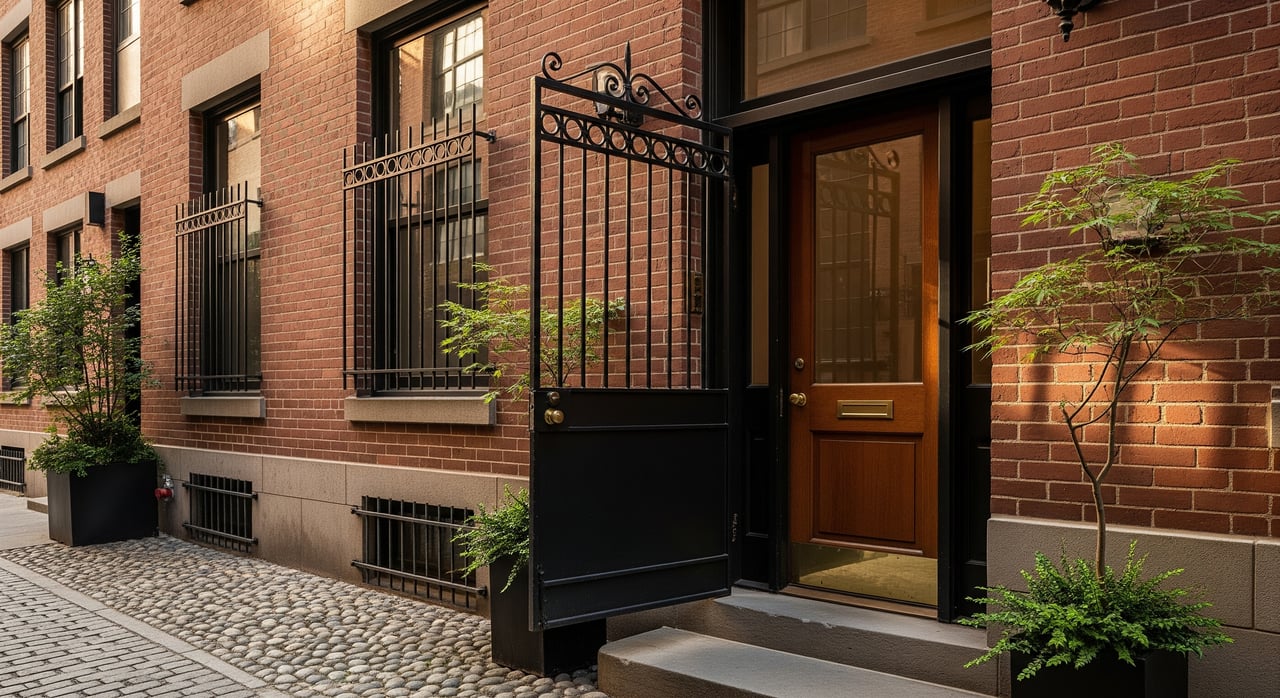
The commission's own recent case list for the district gives a better sense of what counts as routine versus what invites a longer look. A Waverly Place application between Grove Street and Sixth Avenue sought a rooftop addition, a reconstructed rear facade, cellar and rear yard excavation, window replacement, and retroactive legalization of a stoop gate that had been installed without a permit in the first place. A Bank Street property between Greenwich Avenue and West 4th Street asked to alter its rear facade, address unpermitted work already done there, and add a rooftop pergola. On Greenwich Street between Charles and Perry, the request was simpler on its face, a redesign of an existing rear extension, though the request still went through the same review.
Compare those to something like a lintel and sill replacement on West 12th Street, filed as a straightforward in-kind swap. The scope is night and day, and so is the path each one takes through the commission.
What separates a two-week approval from a four-month one is rarely the buyer's budget or the architect's talent. It's whether the proposed change touches something the commission has already flagged as part of the building's protected character, whether unpermitted work is already sitting on the property, and whether the plan asks the commission to approve something new versus restore something original. A rooftop addition invites more scrutiny than a repointed brick wall. A rear yard excavation invites more scrutiny than a window swap. Nobody can tell you which bucket your renovation falls into just by looking at the price tag or the square footage. It takes someone who has actually read the building's history and walked its facade.
What This Means If You're Under Contract This Fall
If you are already picturing a gut renovation on a West Village property, the single most useful thing you can do before waiving your due diligence contingency is have someone who has filed with the Landmarks Preservation Commission before look at the specific features on the front and rear of the building. The review path depends on the work proposed and the building.
The length of a review depends on a commission's read of your specific building rather than anything your contractor controls.
This is the kind of detail that belongs in the conversation before you go under contract, not after your architect has already drawn up plans for a rooftop addition that the block's history makes an uphill case. It's also exactly where a founder-led team with deep West Village history earns its keep, flagging the friction early enough that it shapes your offer strategy rather than derailing your renovation six months in.
A Few Questions Worth Asking Before You Sign
Does landmark status hurt resale value? Not based on anything in the record here. Buyers are drawn to these blocks precisely because the historic character has held. The tradeoff is process, not value.
Do I need Landmarks approval for work nobody can see from the street? The answer depends on the work involved, which is why a pre-purchase walkthrough with someone who knows the process matters.
Is every West Village building inside the historic district? Most of the neighborhood is, but not every parcel, and boundaries have specific block-by-block lines. Confirming a given address's status is a five-minute check that should happen before, not after, you fall in love with the floor plan.
If you're evaluating a West Village townhouse or brownstone and want a clear-eyed read on what a specific renovation plan is actually likely to face, At The Firm works these blocks and these commission histories daily. Request a private consultation before you write an offer that assumes a timeline nobody has checked.
This article is general information, not legal, tax or financial advice. Consult a qualified professional about your situation.