Most summer roundups treat this neighborhood as a grab bag. A gallery show here, a park installation there, a market vendor with a soft opening. The reader is left to assemble the weekend on their own.
The more useful frame, if you already live between Tenth and Eleventh, is that West Chelsea in summer 2026 has arranged itself along a single north-south spine. The High Line runs the length of it. The galleries cluster within a block of it. Chelsea Market sits underneath it. Read in sequence, the season is not a schedule of unrelated events. It is one curated corridor, and the curators mostly agree with each other about what this summer is about.
That is the argument of this post. Here is the evidence.
The Spine, Not the Schedule
Cecilia Alemani has been the Donald R. Mullen, Jr. Director and Chief Curator of High Line Art since well before her 2022 Venice Biennale, and her 2026 season reads like a thesis statement rather than a slate. Katherine Bernhardt's Spring Cleaning took over the working billboard on 18th Street in March. Derek Fordjour's Backbreaker Double mural is up on 22nd Street. Raven Halfmoon's West Side Warrior honors Caddo heritage in monumental form further north. The fifth Plinth commission, Tuan Andrew Nguyen's The Light That Shines Through the Universe, arrived in late April at 30th and Tenth and stays through fall 2027.
Walk south to north with those in your peripheral vision and the commercial galleries on 19th through 26th are, without coordination, showing the same preoccupations: figure, ancestry, the female line, the natural world as a moral subject. That is the walk this summer rewards.
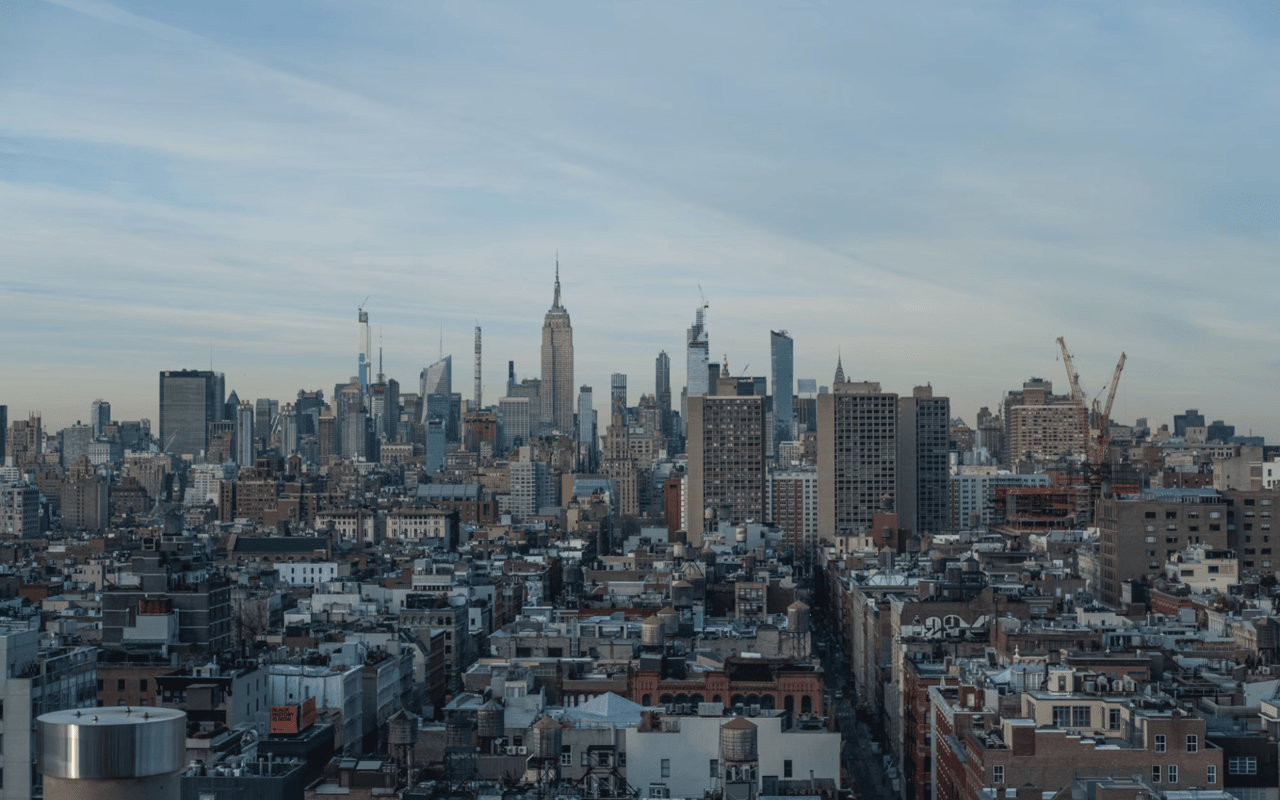
The distance from the 18th Street billboard to the Plinth on the Spur is roughly twelve blocks. Every serious show below fits inside that corridor. This is not a coincidence of geography. It is what the corridor now attracts.
What's on the Walls, Block by Block
Working north from 20th Street, in the order a resident would actually encounter them:
Jack Shainman, 513 West 20th Street. Lynette Yiadom-Boakye's Many A Moonlit Caveat spans both of the gallery's New York locations with new paintings and works on paper, running through July 31.
511 West 21st Street. Mirroring Nature, curated by Luis Pérez-Oramas, opened July 16 and runs through August 22. The framing treats nature as a set of forces that structure the world rather than as landscape.
Hauser & Wirth, 22nd Street. Firelei Báez's first New York exhibition with the gallery, Feet squelching on wet grass, nourished by uncertainty, pairs new large-scale bronze sculptures with radiant paintings on paper.
525 West 22nd Street. Manifest and Sublime is up July 8 through August 7. Photography from 1870s mammoth plate albumen prints to contemporary daguerreotypes, examining how American landscape has been pictured for a century and a half.
Lincoln Glenn, 542 West 24th Street. Making Space: American Women Artists and the Century of Change, the gallery's third annual summer exhibition on this theme, runs July 2 through August 22.
Galerie Lelong, 528 West 26th Street. For it is our battle opened July 9 and runs through August 14. The show honors the centenary of Nancy Spero's birth and gathers women artists confronting dignity and agency across generations.
Nicola Vassell Gallery, 138 Tenth Avenue. Follow Through celebrates the gallery's fifth anniversary with new and recent works by more than a dozen artists, on view through August 7.
None of these will still be up in September. Two close before August. Treat the list as a decay curve, not a menu.
The Plinth as the Neighborhood's Anchor
The Plinth on the Spur at 30th and Tenth is one of the only sites in New York City dedicated solely to a rotating series of new, monumental art commissions, and each work stays for eighteen months. That timing matters. Nguyen's 27-foot carved sandstone sculpture reimagines one of the 6th-century Bamiyan Buddhas of central Afghanistan, destroyed by the Taliban in 2001. It will be the tallest thing you see from most rooftops between 26th and 34th for the next year and a half.
What the neighborhood may not have absorbed yet is the programming attached to it. In partnership with the Rubin Museum of Himalayan Art, the High Line is running a free monthly lecture and guided meditation series at the base of the sculpture from May through October 2026. One session pairs a lecture by Jin Xu, the Jane and Leopold Swergold Associate Professor of Chinese Art History at Columbia, on Buddhist transmission across East, Central, and South Asia, with a guided meditation led by Kenyan-American artist and dharma practitioner Jessica Angima.
This is a Rubin Museum series taking place on the High Line, for free, six months of the year, at the north end of the walk. If you live here, you can decide whether to attend on the way home from dinner. Visitors cannot.
What Chelsea Market Looks Like This Summer
The 15th Street end of the walk has been quietly reshuffling. Two changes since May are worth knowing about, and one calendar item will shape the concourse's rhythm through mid-July.
| Change | Location | Timing |
|---|---|---|
| Fishs Eddy opens its third NYC outpost | Chelsea Market concourse | Opened May 2026, following the brand's October 2025 DUMBO expansion |
| The Stand West, a 140-seat cellar-level comedy room from the Union Square club, filed permits | 407 West 15th Street | Community Board 4 review pending, no announced opening |
| Live FIFA World Cup 26 screenings, including late-night matches | Main concourse | June 11 through July 19, 2026 |
CEO Daniel Yadgard told Time Out that "Chelsea Market felt like a natural fit" for the Fishs Eddy expansion, citing the alignment between the market's food focus and the brand's tableware. The permit filings for The Stand West describe a compact Italian-leaning bar menu and a full liquor license under review.
For residents, the practical read is this: the concourse will be louder and more crowded through July 19 than it has been in years, and quieter again immediately after. If you use Chelsea Market as a weeknight grocery stop, the window between late July and Labor Day is the one to reclaim. Sean Grissom, the Cajun Cellist, plays midday sets on Wednesdays through the summer, which is a gentler soundtrack than the World Cup crowd.
The Resident's Version of a Saturday
Assume you already live somewhere between 18th and 26th. The point of the corridor argument is that a summer Saturday can be built as one continuous walk rather than four separate outings.
- Coffee on 15th, before the concourse fills. Chelsea Local's lower level opens at 8 AM and is the quiet side of the building.
- North on the High Line to 18th Street to see Bernhardt's Spring Cleaning on the billboard, which you have probably walked past without registering.
- Off the park at 20th. Yiadom-Boakye at Jack Shainman closes July 31, so this is the leg with a deadline.
- Cross to 22nd for the Fordjour mural and Báez at Hauser & Wirth. The two conversations reinforce each other more than either does on its own.
- Continue up through the 24th and 26th Street shows in whatever order suits the sun.
- Back on the High Line, north to the Plinth. Check the Rubin series calendar before you go if it is the first Thursday or Friday of the month.
- Dinner south of 16th, after the day trip crowd has cleared.
That itinerary uses roughly a two-mile walk to hit seven galleries, three High Line commissions, one Plinth work, and two market visits. A visitor could not assemble it without a guide. A resident can do it barefoot.
Why This Matters for the Corridor
The reason to spell any of this out is that West Chelsea's cultural programming has, over the past three seasons, quietly reorganized itself around the High Line as an actual curatorial through-line rather than a scenic route between destinations. The season's shows share preoccupations. The Plinth series treats the park as a museum in the sky, open 365 days a year, all free. Chelsea Market, whatever one thinks of the World Cup takeover, is now programmed like a venue rather than a food hall.
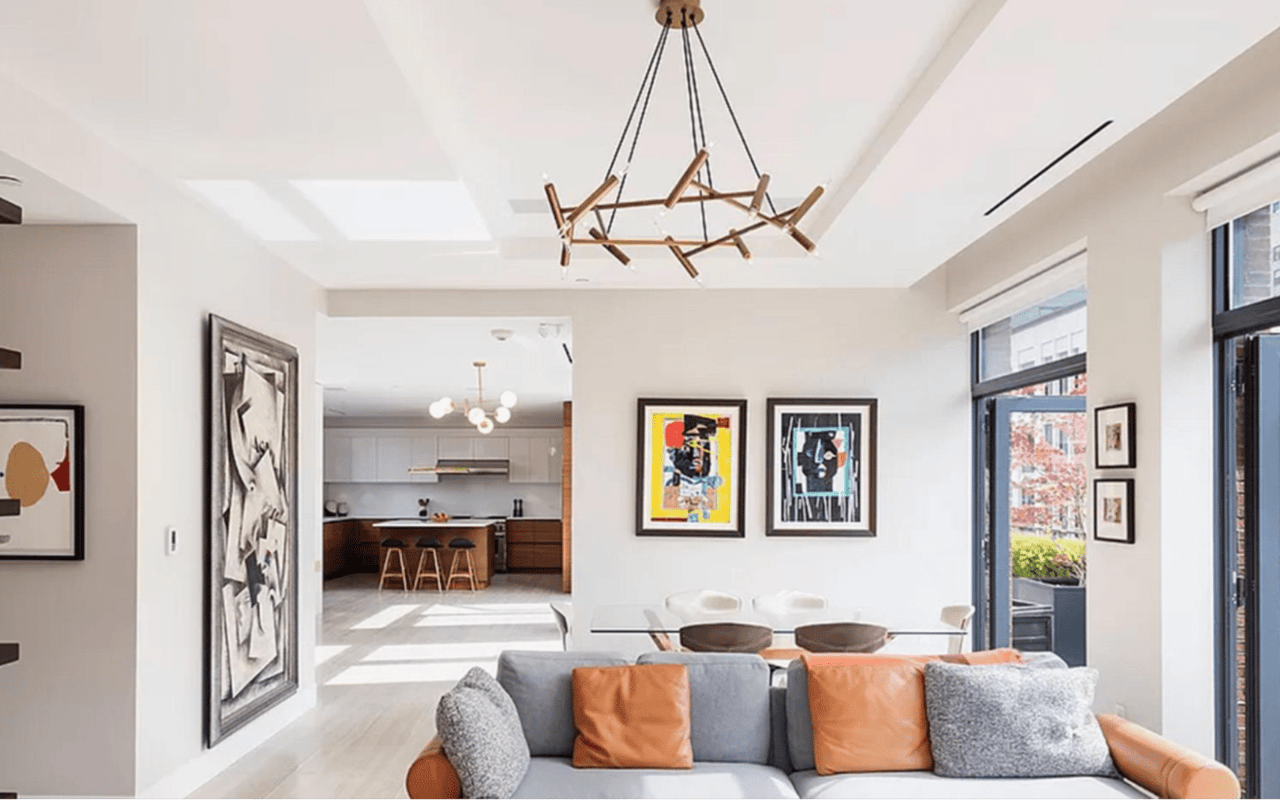
For anyone weighing whether to stay in a West Chelsea apartment for another lease cycle, or considering how to use the roof deck or the walk-up more intentionally this summer, that is the shift worth naming. The neighborhood is not competing with the Whitney or Hudson Yards for cultural weight anymore. It is one of the axes those institutions orient against.
If you would like to talk about how your building fits inside that corridor, or about the West Chelsea market more broadly, At The Firm is available for a private consultation.