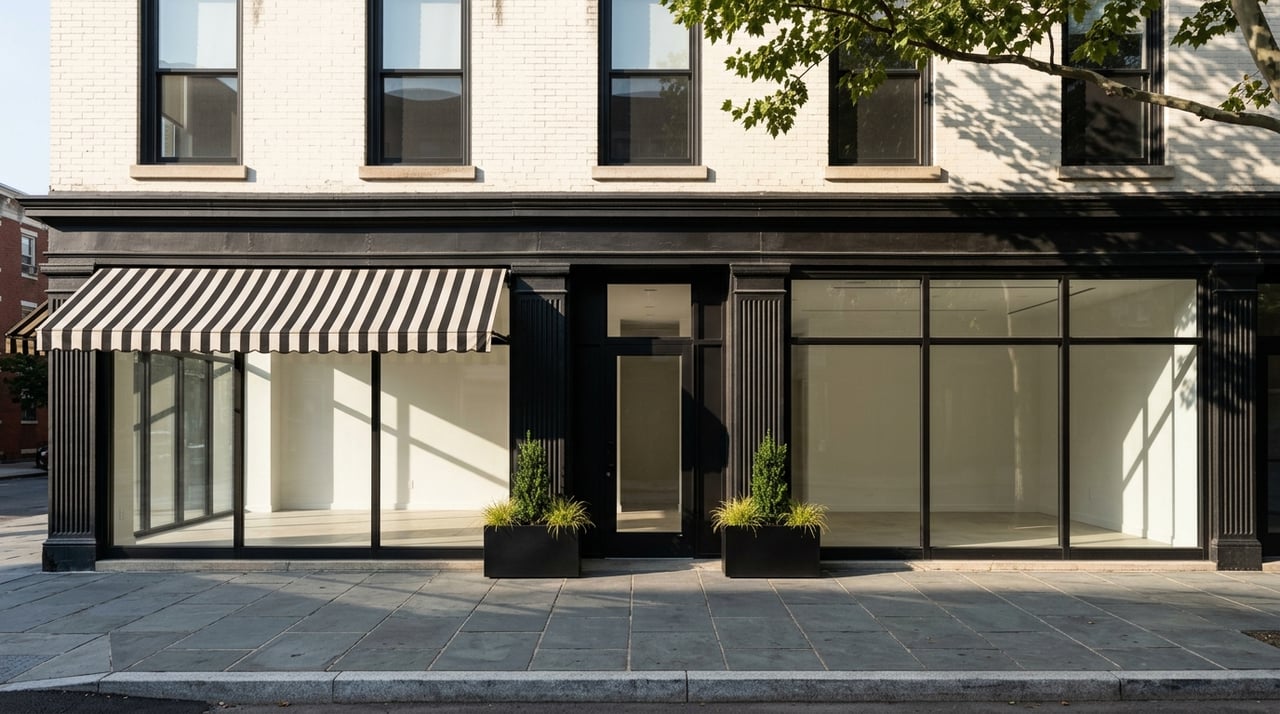
If you only have a few blocks to understand SoHo, where should you start? In a neighborhood where cast-iron architecture, destination retail, contemporary art, and all-day dining sit side by side, the answer matters. Whether you are getting to know SoHo as a visitor, future buyer, or local resident, these essential blocks show you how the neighborhood actually works in real life. Let’s dive in.
Why these SoHo blocks stand out
SoHo is best understood as a walkable, mixed-use district where residential life, office activity, retail, and culture overlap on the same streets. The SoHo Broadway Initiative describes Broadway from Houston to Canal as part of a district with roughly 1.5 million square feet of retail, 3 million square feet of office space, more than 21,000 workers, about 25,000 residents, and more than 111,000 daily subway riders. That mix helps explain why SoHo feels active from late morning into the evening.
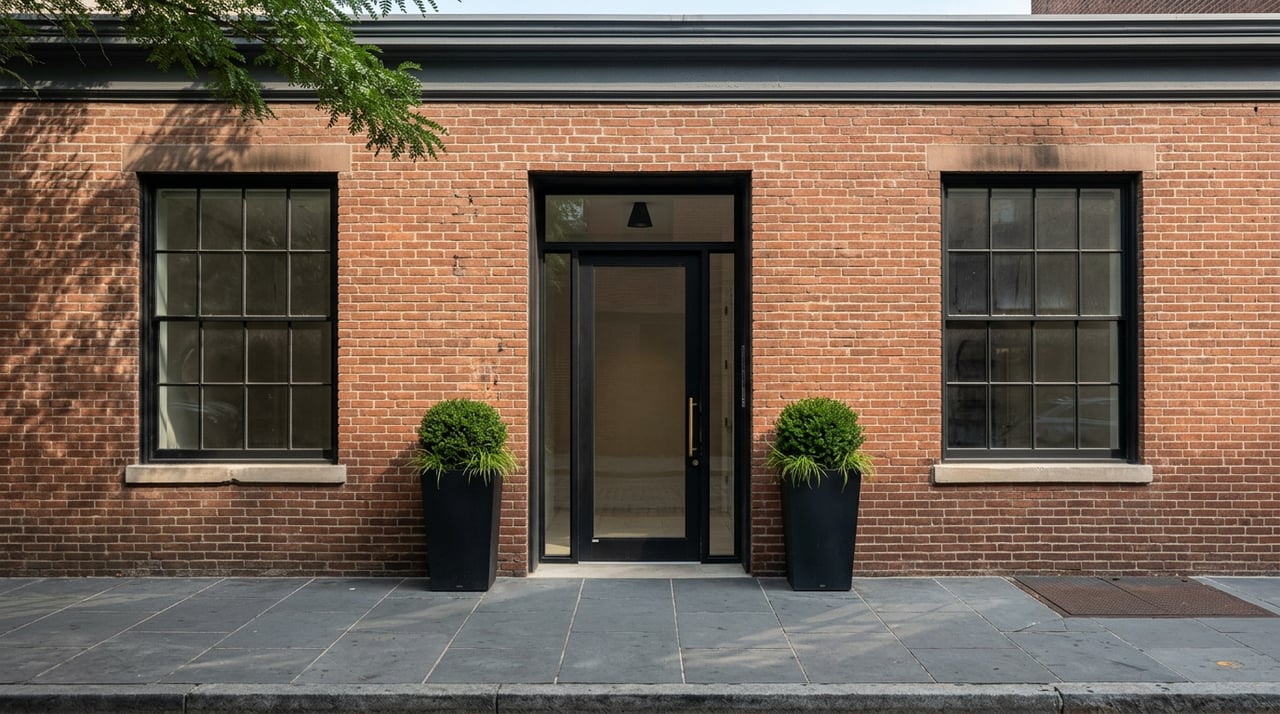
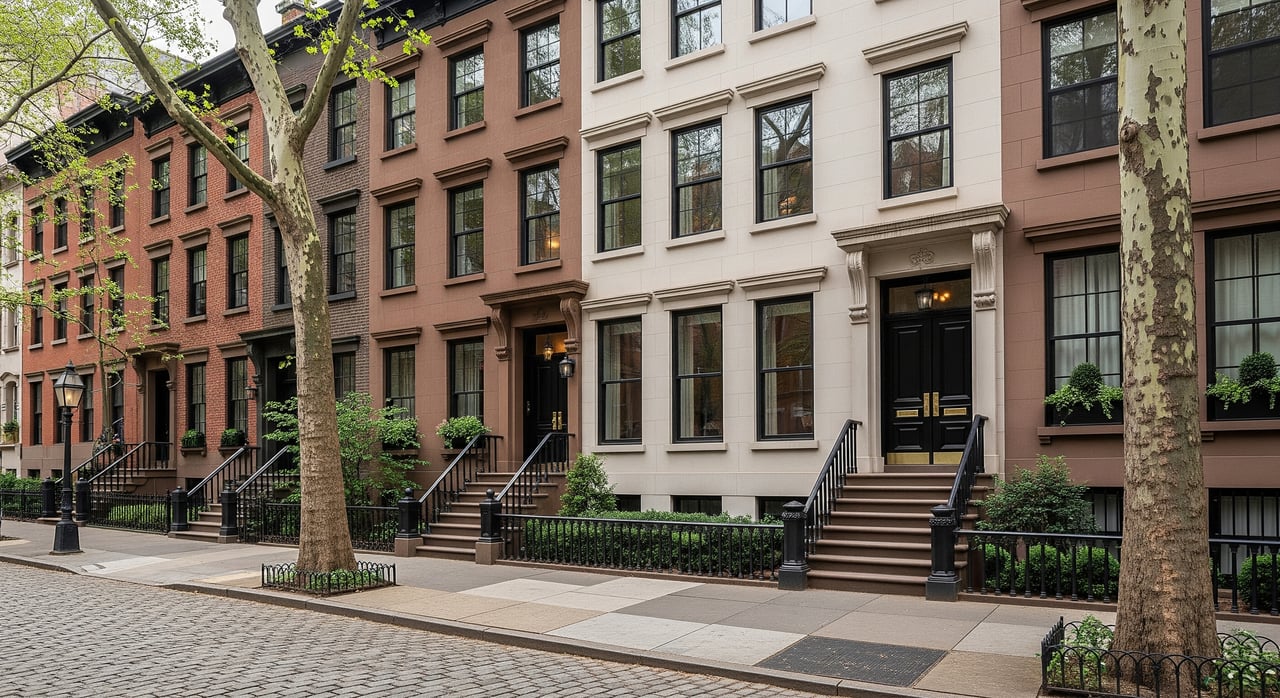
Just as important, SoHo’s most memorable streets are shaped by preservation as much as by commerce. The NYC Landmarks Preservation Commission designated the SoHo-Cast Iron Historic District in 1973 and extended it in 2010, protecting cohesive streetscapes and notable cast-iron buildings. In practical terms, the neighborhood’s defining blocks are the ones where historic loft architecture and current-day uses still feel closely connected.
Start with Greene Street
Greene Street may be the single best block-by-block introduction to SoHo. It carries the neighborhood’s art history, luxury retail identity, and cast-iron setting all at once. If you want one street that captures SoHo’s layered personality, this is it.
Greene Street also has deep roots in the neighborhood’s art story. White Columns traces its origins to 112 Greene Street, founded in 1970 by artists including Jeffrey Lew and Gordon Matta-Clark. Today, that artistic thread still shows up on the street through places like EDEN House of Art at Greene and Broome, a 25,000-square-foot contemporary art space.
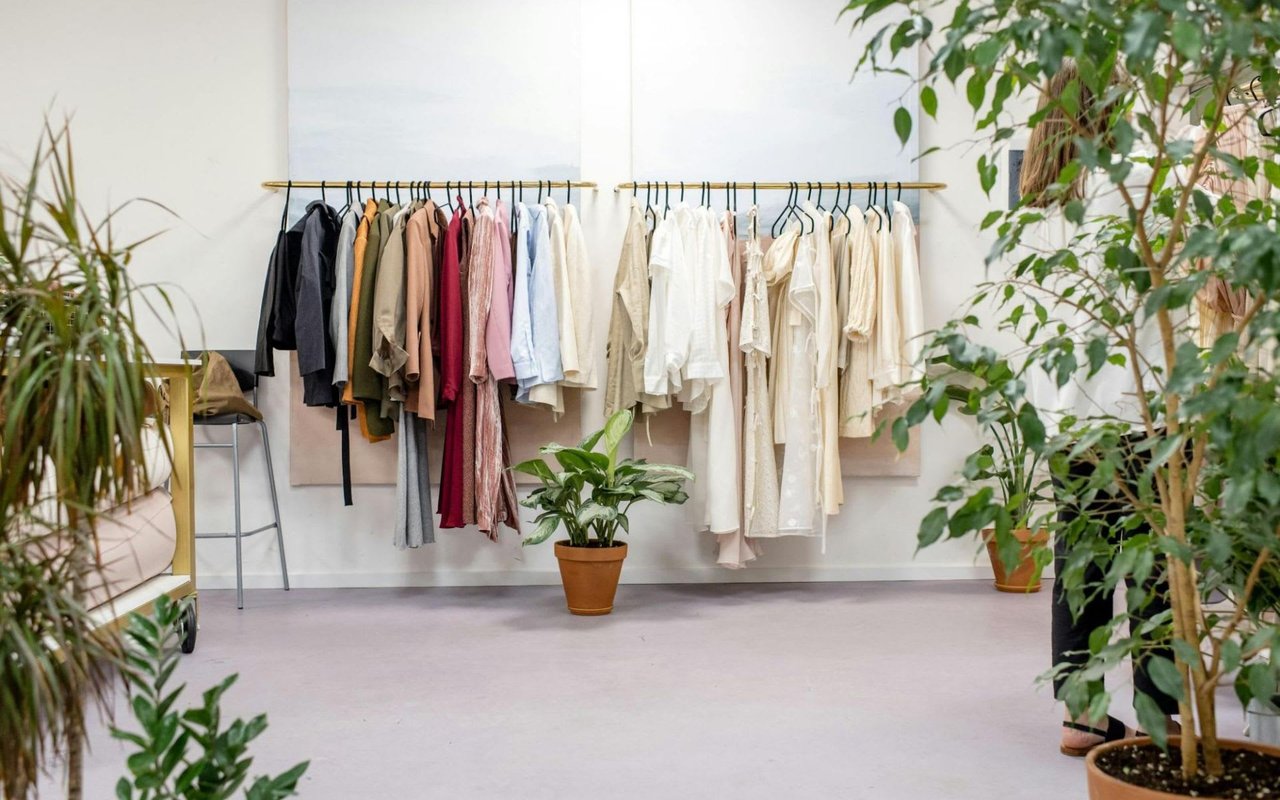
On the fashion side, Greene feels polished and gallery-like. Stores such as The Webster at 29 Greene, LOEWE at 79 Greene, A.L.C. at 53 Greene, LeSportsac at 32 Greene, and Nordic Knots at 6 Greene help define the street’s current retail tone. The result is a corridor where storefronts often feel as carefully staged as exhibition spaces.
Why Greene feels distinctly SoHo
What makes Greene Street special is not only the tenant mix. It is the way fashion and art sit inside landmarked cast-iron buildings, which gives the street a visual rhythm that still feels tied to SoHo’s loft-era identity. You are not simply walking past stores. You are moving through one of the clearest expressions of the neighborhood’s historic framework.
Explore Wooster Street for art
If Greene tells SoHo’s origin story, Wooster Street shows you its strongest current arts corridor. It is one of the most direct ways to experience how art remains part of the neighborhood’s daily street life. For many people, this is where SoHo feels most culturally grounded.
Hauser & Wirth’s gallery at 134 Wooster is located in a restored 1920 truck garage, reinforcing the neighborhood’s habit of adapting older industrial buildings for contemporary use. Nearby, Walter De Maria’s New York Earth Room remains at 141 Wooster. The Drawing Center at 35 Wooster and Prince & Wooster at 143 Wooster add to the sense that this is a true arts block, not a street with a single cultural stop.
Wooster’s fashion layer
Wooster is not only about galleries. It also carries a design-forward retail identity that feels more edited and loft-like than Broadway and a touch quieter than Greene. Addresses including Cinq à Sept at 108 Wooster, Marimekko at 97 Wooster, and nanamica at 125 Wooster show how the street blends curated fashion with SoHo’s industrial architecture.
That mix gives Wooster a different pace. Greene can feel polished and theatrical, while Wooster often feels more stripped back and deliberate. If you are trying to understand SoHo’s visual language, it helps to walk both streets rather than choose one.
Use Broadway for retail scale
Broadway is SoHo’s commercial spine. If Greene and Wooster show the neighborhood in close-up, Broadway shows it at full scale. This is where SoHo’s global retail identity becomes most obvious.
The SoHo Broadway Initiative lists major international tenants along the corridor, including Prada and HUGO BOSS. Prada’s Broadway location is at 575 Broadway, and HUGO BOSS announced its SoHo flagship at 568 Broadway. These addresses matter because they show how SoHo supports both intimate side-street retail and large-format flagship presence on its main axis.
Why Broadway matters to the neighborhood
Broadway helps explain SoHo’s daily energy. With workers, residents, shoppers, and visitors all moving through the area, the corridor acts as a high-traffic anchor for the district. It is not the most intimate street in SoHo, but it is essential if you want to understand the neighborhood’s commercial reach.
Head to Prince Street for dining
When it is time to shift from shopping and galleries to dinner, Prince Street is one of SoHo’s clearest dining destinations. It captures the neighborhood’s creative crossover particularly well, especially where art, hospitality, and street life meet. For a short walk, it delivers a lot of range.
Manuela is at 130 Prince Street at the corner of Wooster and Prince, placing it right in the middle of SoHo’s cultural grid. Raoul’s is at 180 Prince Street, and Lure Fishbar is at 142 Mercer on the corner of Prince. Together, these addresses make Prince one of the strongest blocks for understanding SoHo after gallery hours.
Prince Street’s atmosphere
Prince works because it feels connected to the streets around it. You can move from Wooster’s art corridor or Greene’s fashion storefronts into a dining block without any real break in energy. That compact transition is one of the reasons SoHo remains such a compelling neighborhood experience.
Count on Spring Street for classic dining
Spring Street gives SoHo a more established lunch-to-dinner rhythm. It is one of the neighborhood’s most reliable dining corridors, with restaurants that draw people specifically to the block. If Prince can feel like part of a creative circuit, Spring feels like a classic SoHo destination in its own right.
Balthazar is at 80 Spring Street, and Altro Paradiso is at 234 Spring Street. These are the kinds of places that reinforce Spring’s role as a consistent dining street rather than a secondary stop. For anyone mapping SoHo through food, Spring belongs on the short list.
The best way to walk SoHo
The most useful way to think about SoHo is not as separate categories, but as overlapping experiences. A natural route is Greene Street into Wooster Street, then down toward Prince Street and Spring Street. That sequence captures art, fashion, and dining within a compact and visually cohesive part of the neighborhood.
This matters if you are evaluating SoHo as more than a shopping district. The appeal comes from how closely these uses sit together on short blocks with strong architecture and heavy pedestrian activity. In other words, SoHo’s identity is created by proximity and layering, not by any single store, gallery, or restaurant.
What these blocks reveal about SoHo living
For buyers, sellers, and anyone watching downtown Manhattan closely, these blocks offer more than a day plan. They show why SoHo continues to hold such a distinct place in the Manhattan conversation. The neighborhood’s architecture, preservation framework, and mixed-use density create a street experience that feels both historic and current.
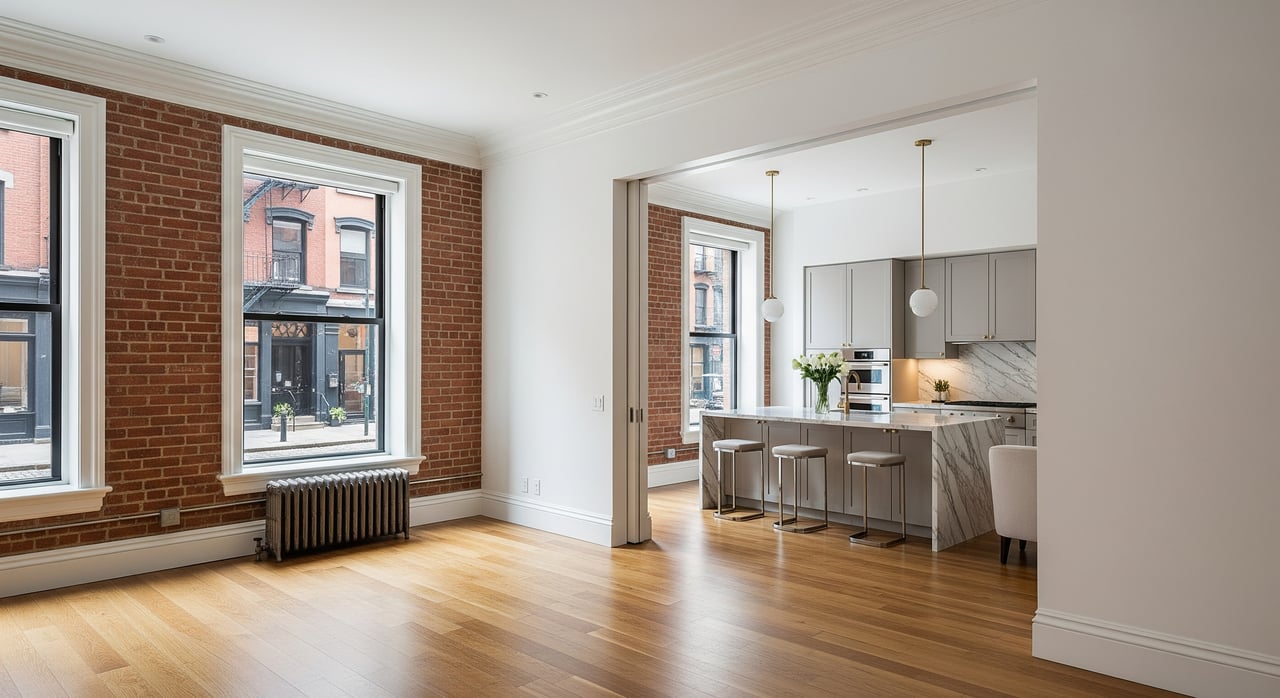
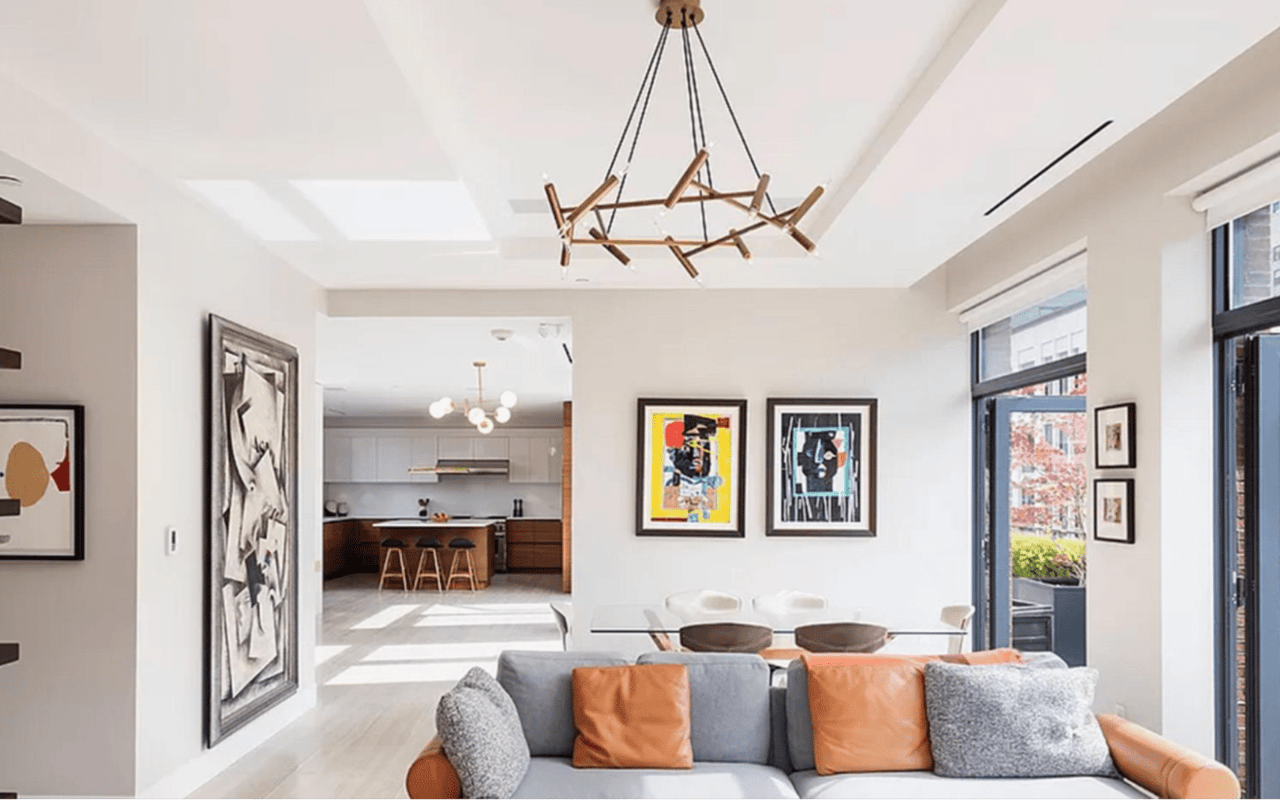
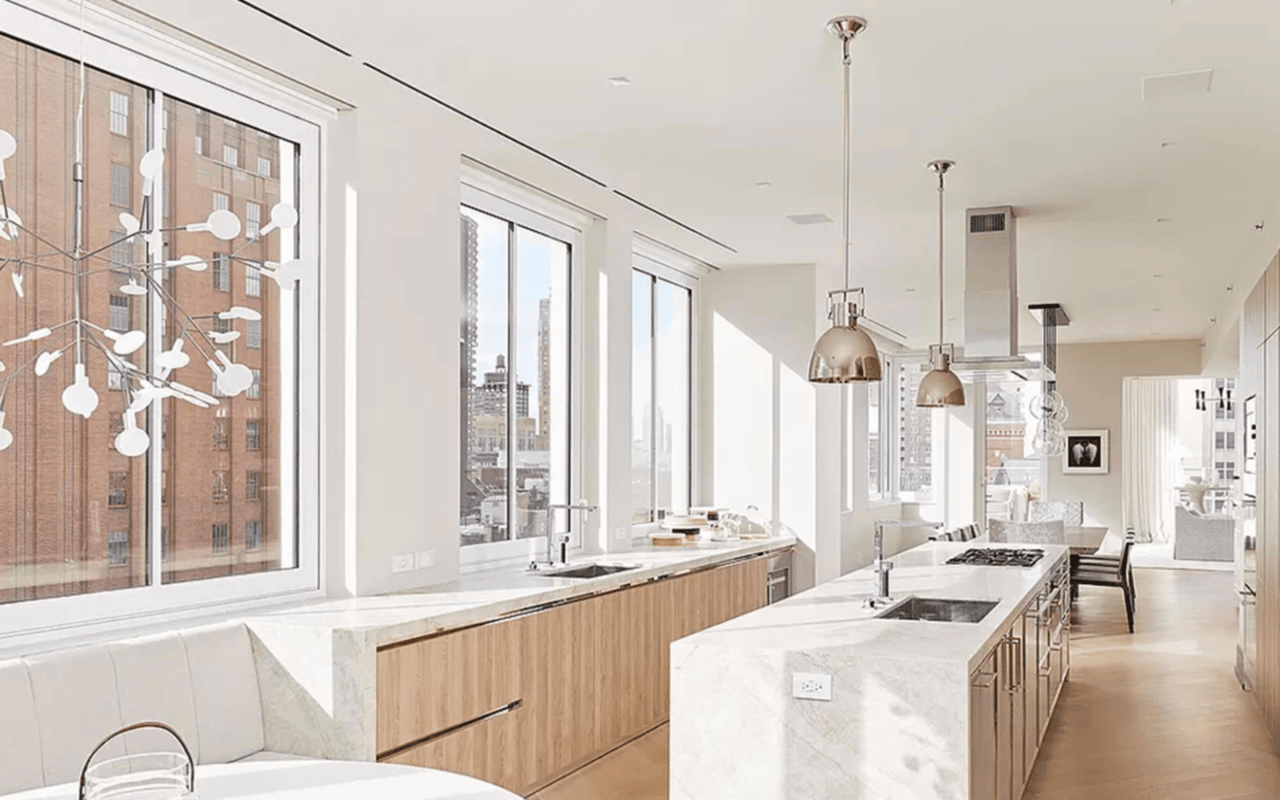
That is part of what makes SoHo residential real estate so compelling. You are not just choosing a building or an address. You are choosing access to a neighborhood where art, fashion, dining, and daily life remain unusually integrated.
If you are considering a move, a sale, or a long-term investment in SoHo, having a clear read on these micro-locations can make your search far more informed. For discreet, neighborhood-driven guidance in downtown Manhattan, connect with At the Firm.
FAQs
Which SoHo streets are best for art in New York City?
- Greene Street and Wooster Street are the clearest art-focused streets in SoHo, with Greene tied to the neighborhood’s early artist history and Wooster offering a strong current gallery corridor.
Which SoHo blocks are best for fashion shopping in Manhattan?
- Greene Street, Wooster Street, and Broadway stand out for fashion, with Greene offering a polished luxury feel, Wooster leaning more curated and design-forward, and Broadway serving as the district’s main retail spine.
Which SoHo streets are best for dining near galleries and shopping?
- Prince Street and Spring Street are the strongest dining corridors in this guide, with Prince connecting naturally to nearby art and retail blocks and Spring offering dependable lunch-to-dinner destinations.
Why does SoHo feel so active throughout the day?
- SoHo’s energy comes from its mix of residents, workers, shoppers, and cultural visitors, along with heavy foot traffic and a dense concentration of retail, office, and street-level uses.
What makes SoHo’s architecture so recognizable?
- Much of SoHo’s identity comes from the SoHo-Cast Iron Historic District, where preserved cast-iron buildings and cohesive streetscapes continue to shape the look and feel of key blocks.