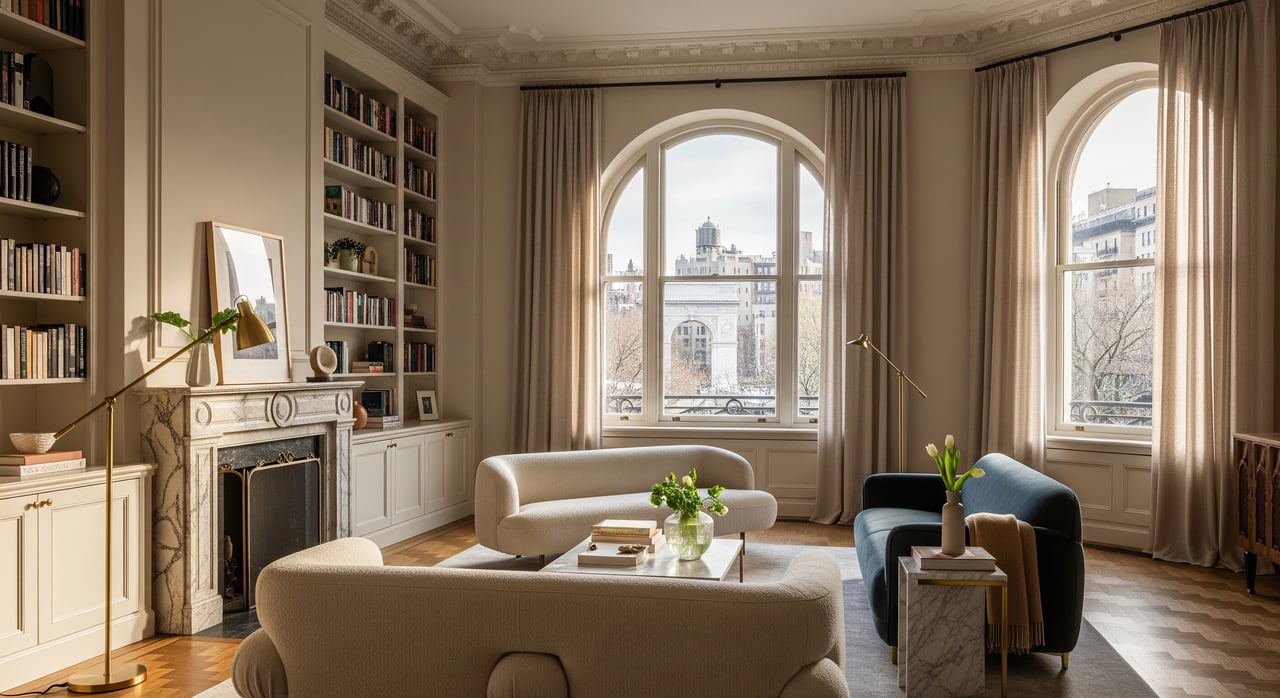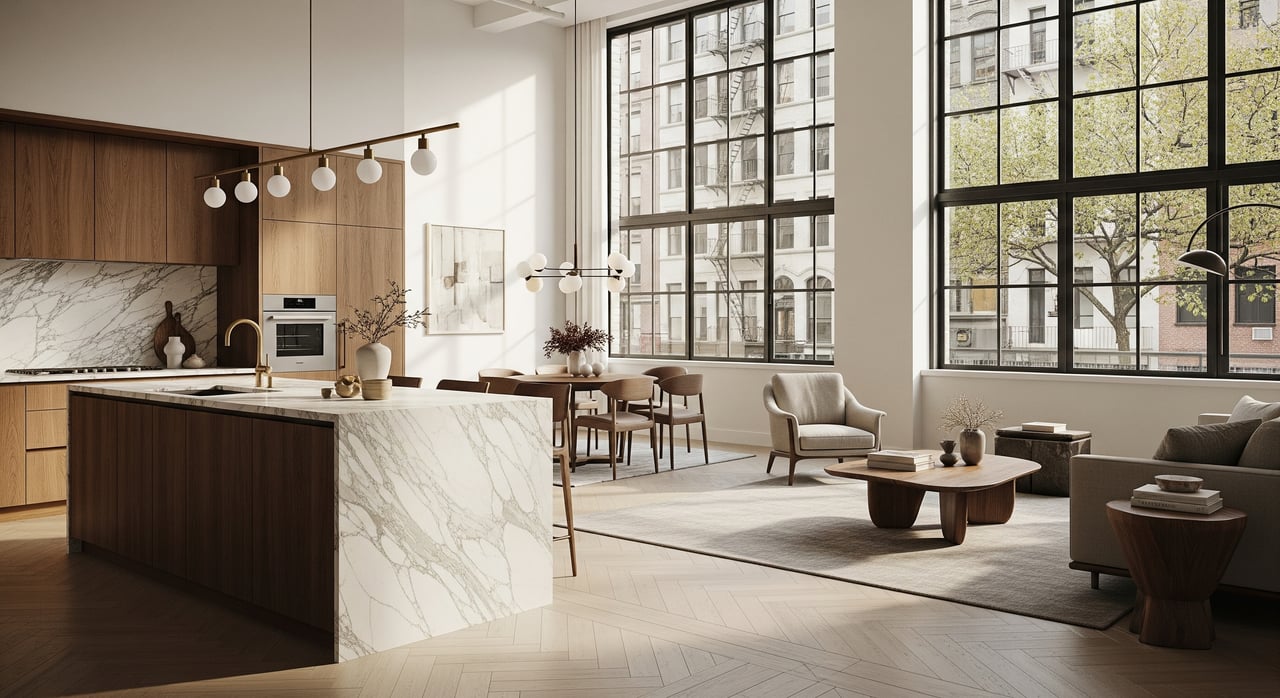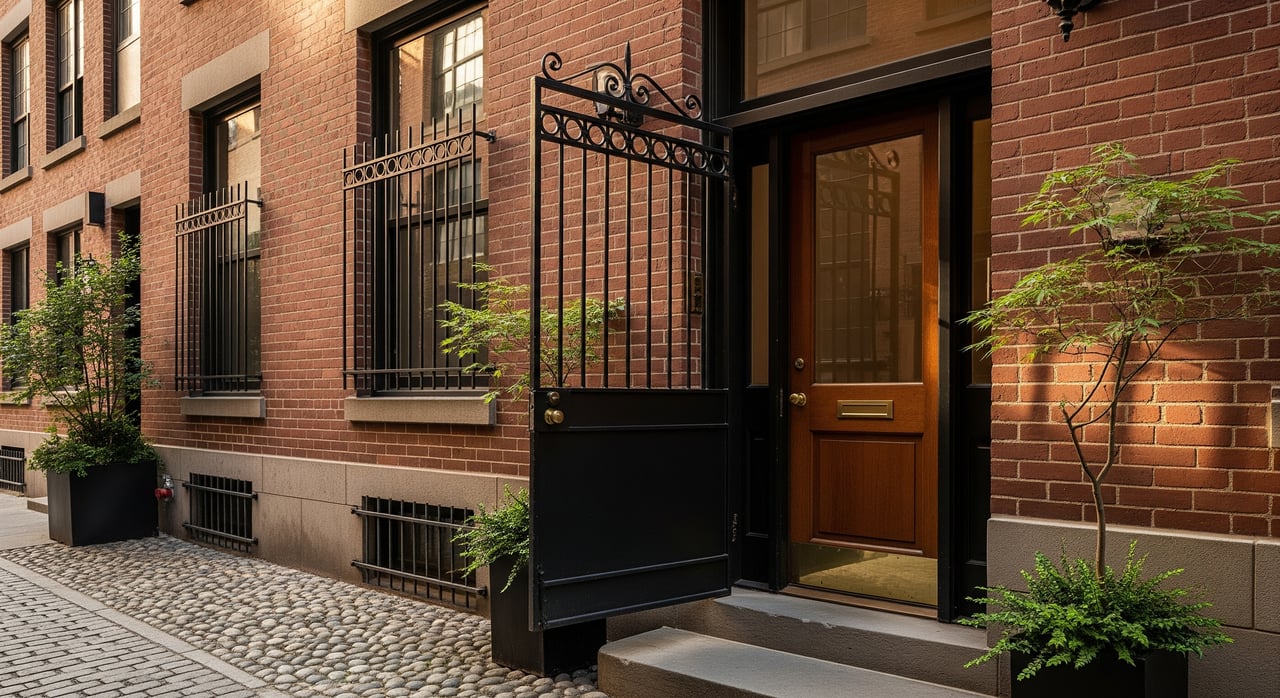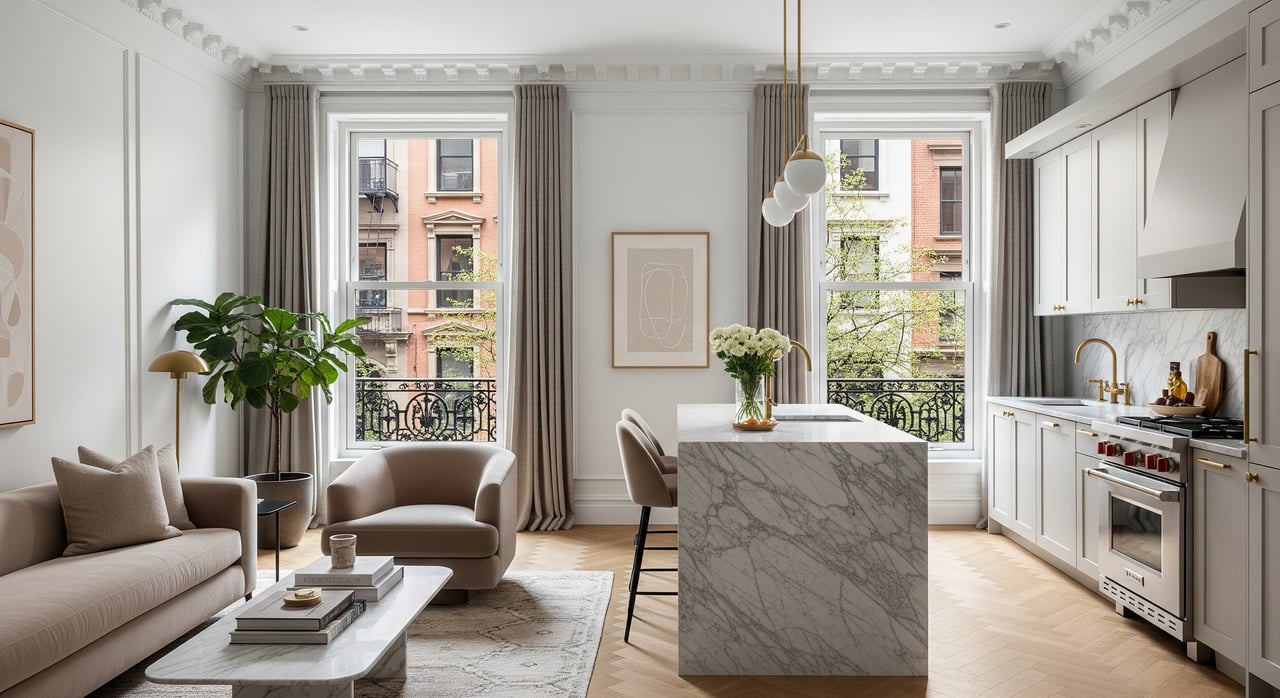
If you price a West Village townhouse like a generic Manhattan home, you can miss the market before your listing even has a chance. In this part of downtown, buyers are not just comparing square footage. They are weighing block, width, light, condition, outdoor space, and even permit history. If you are thinking about selling, a smart pricing strategy can help you protect value, attract serious interest, and avoid a stale listing. Let’s dive in.
West Village townhouses are their own market
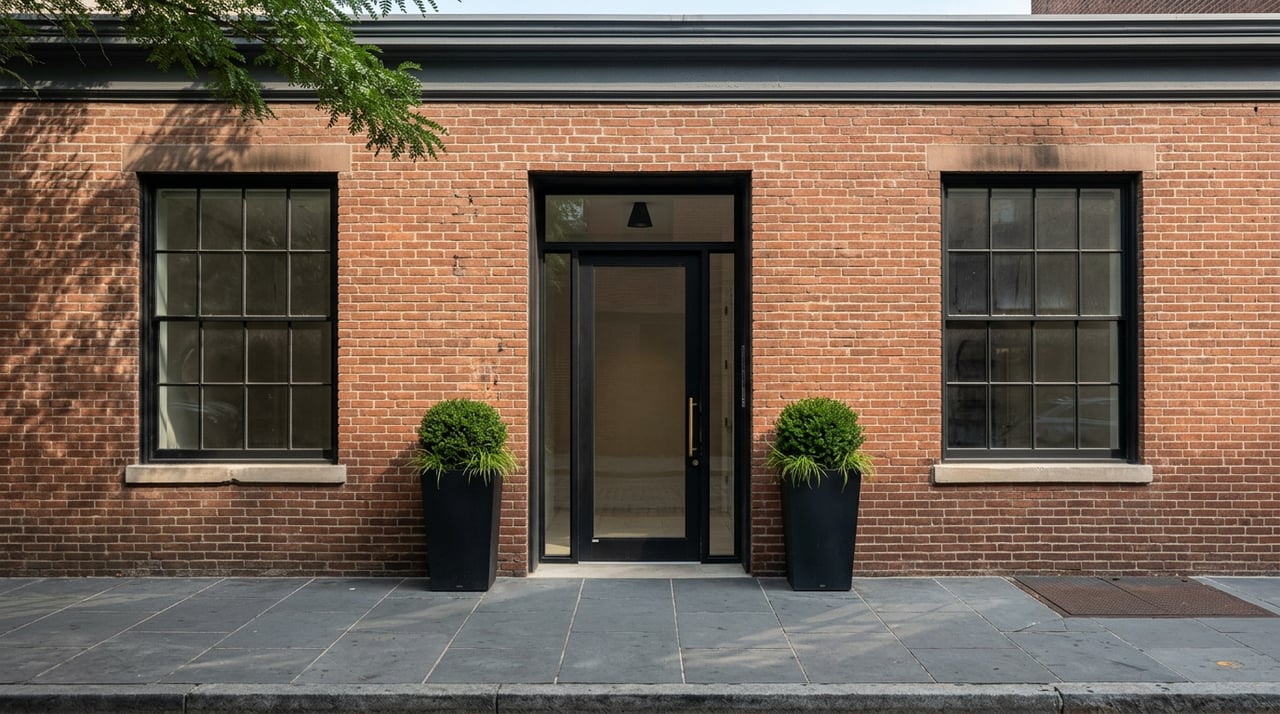
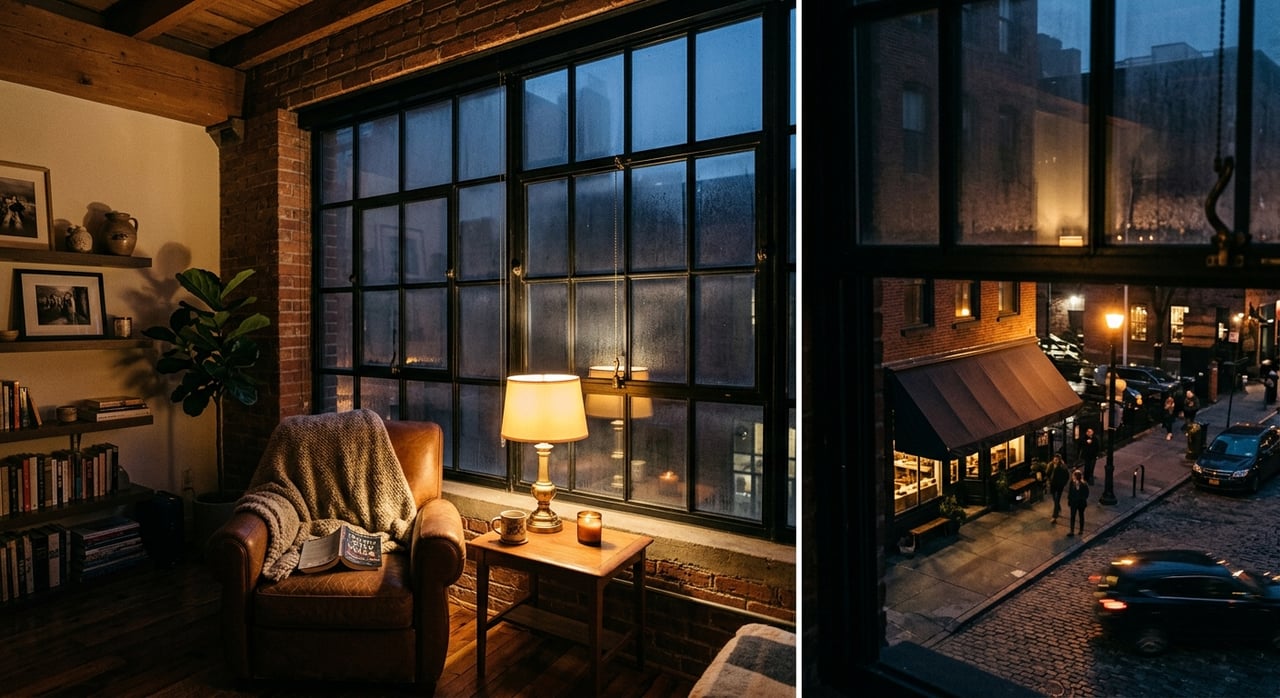
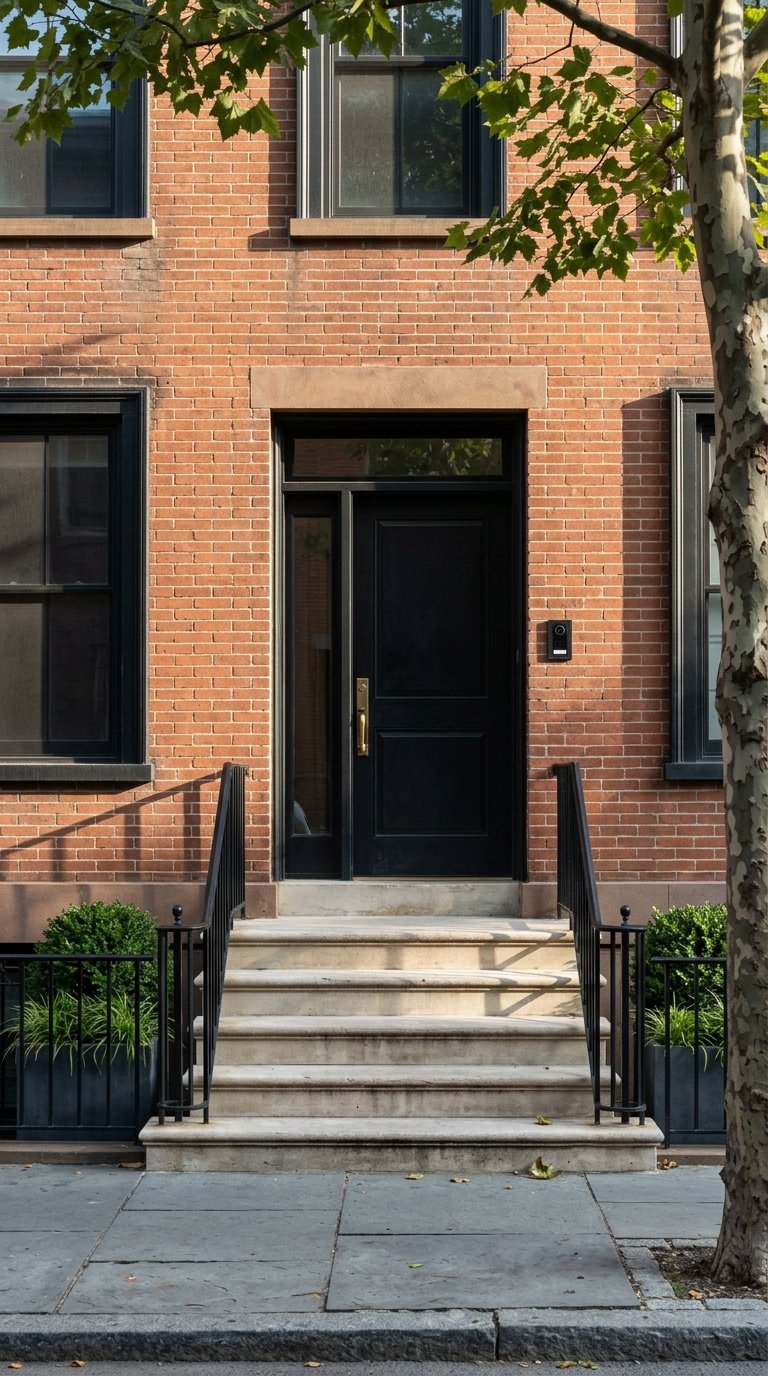
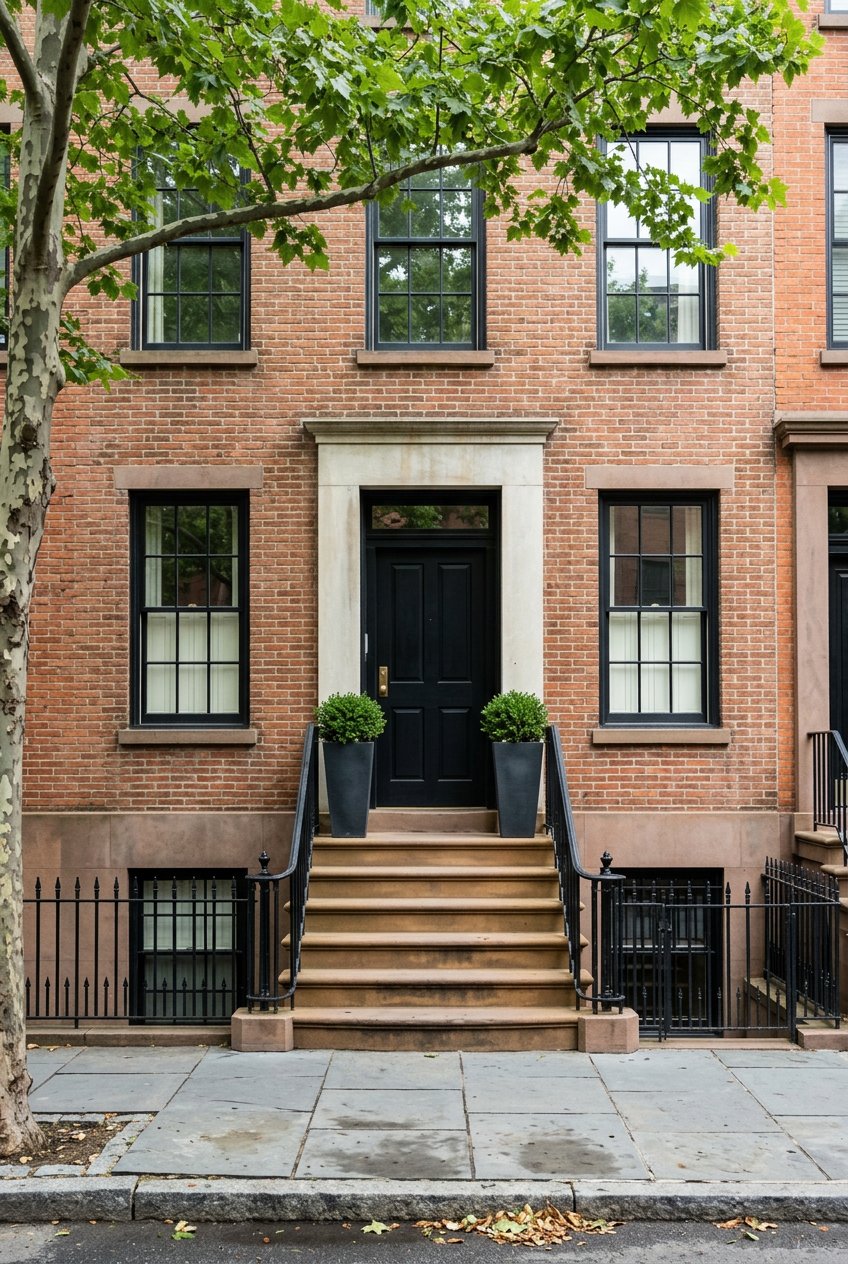
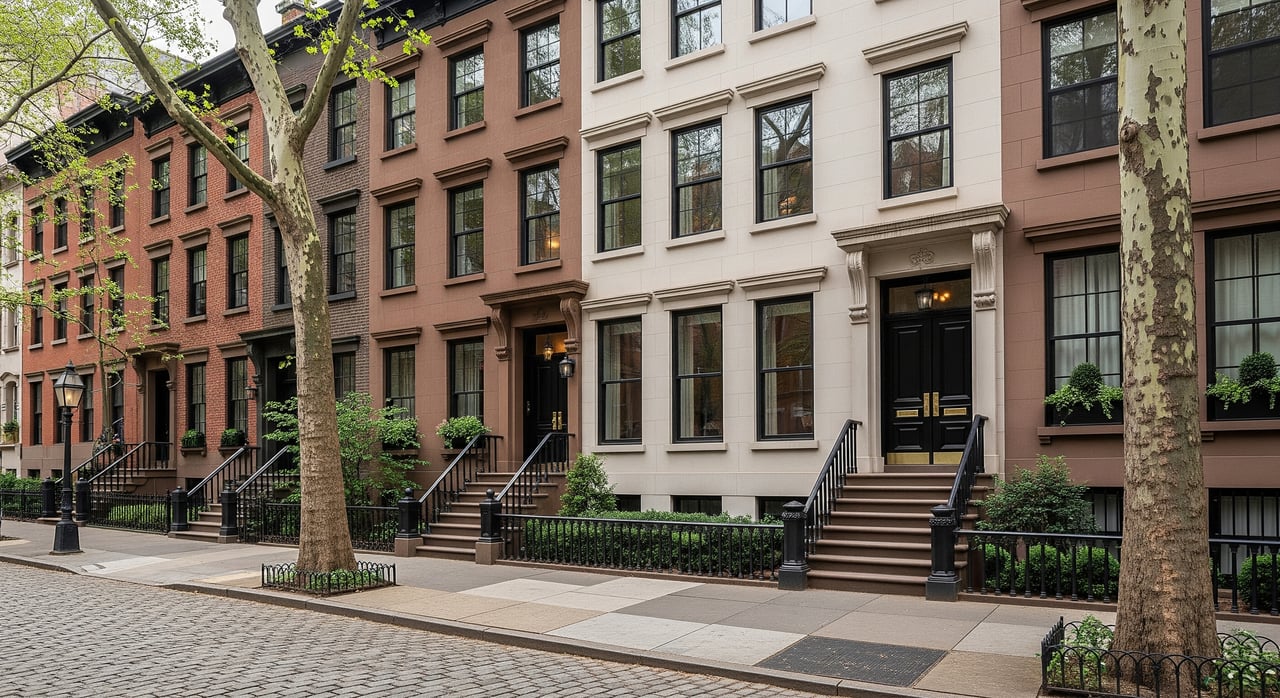
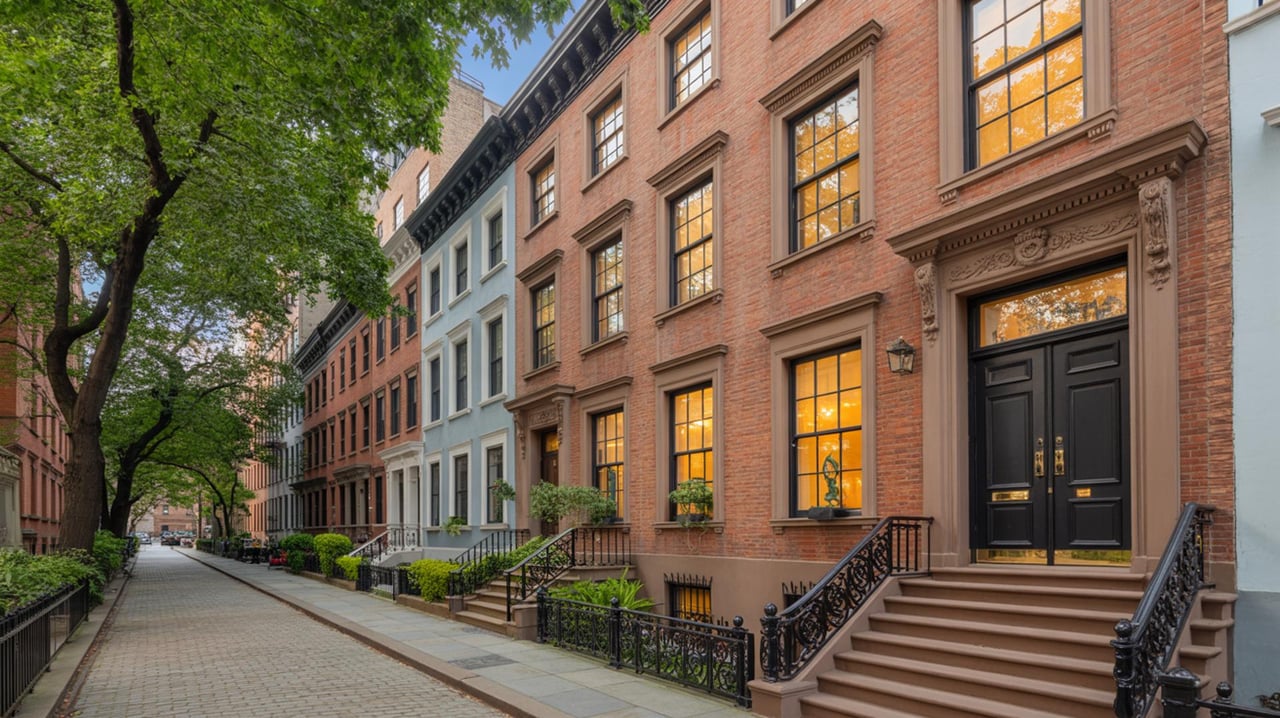
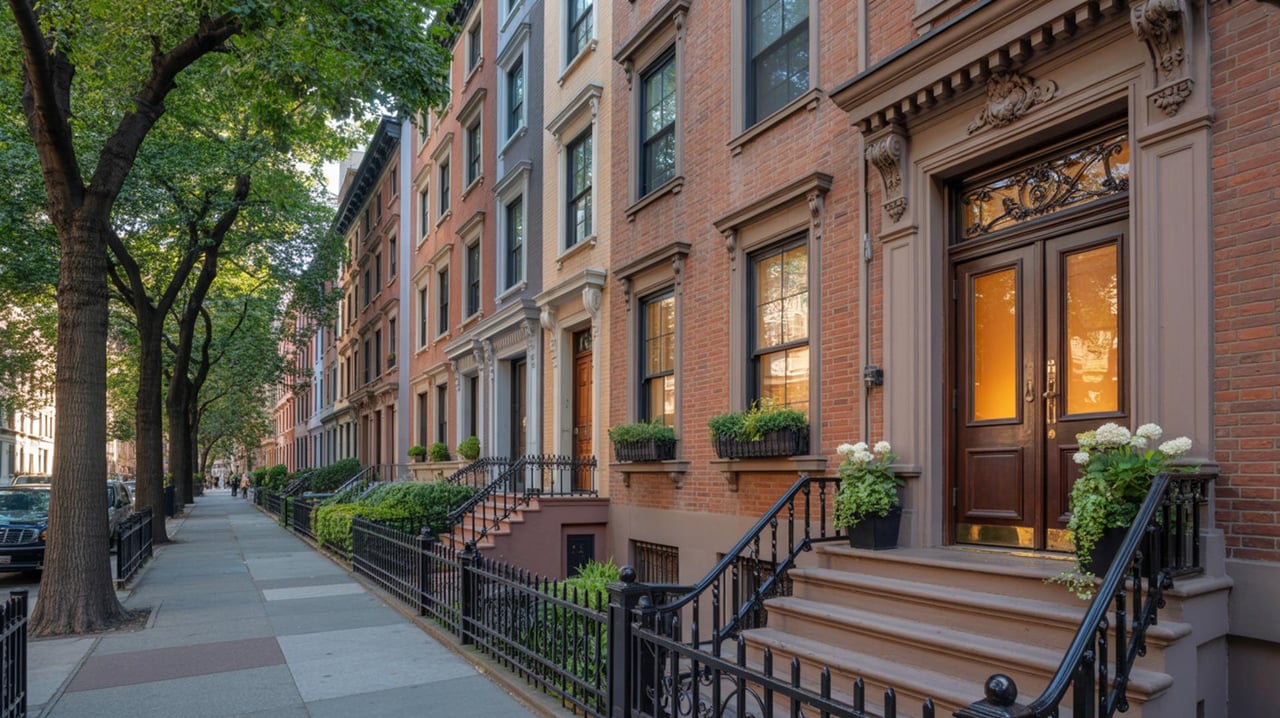
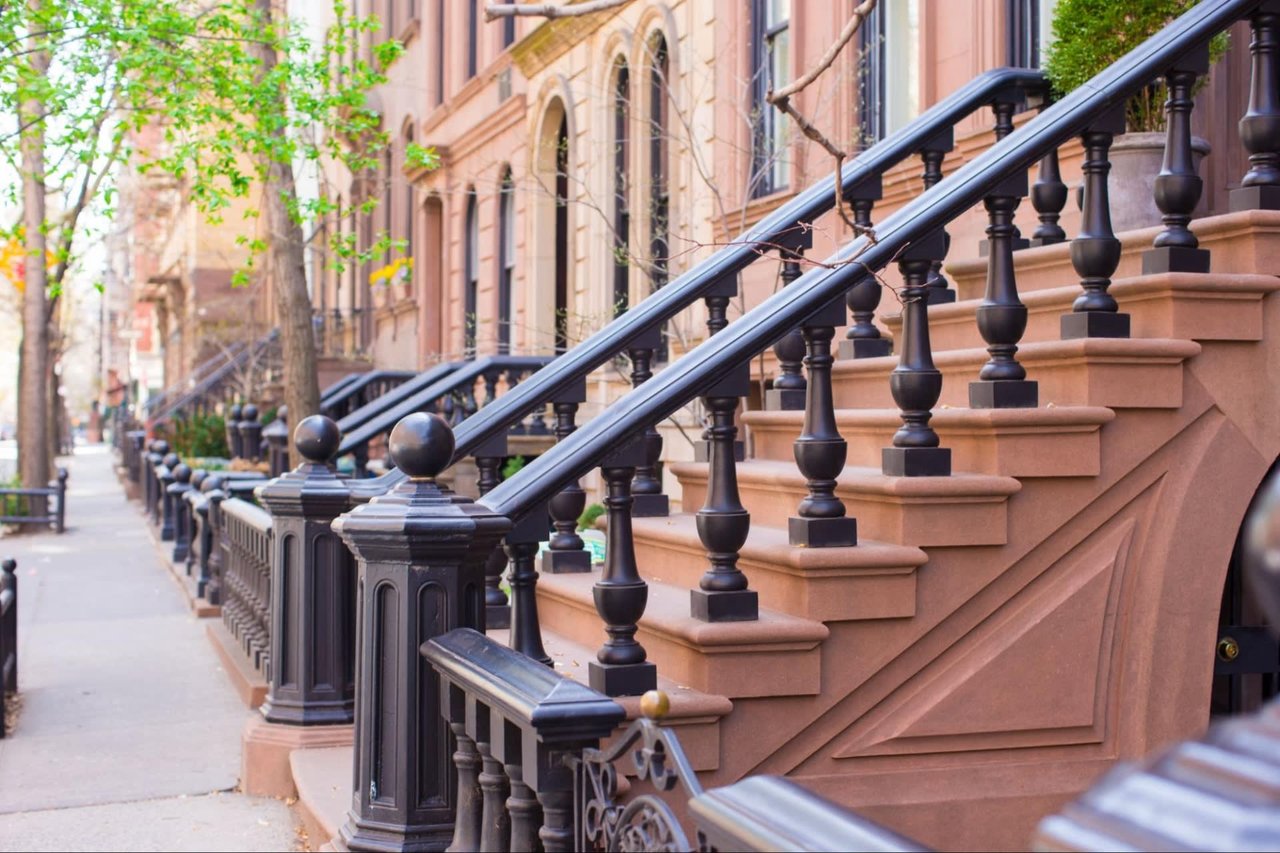
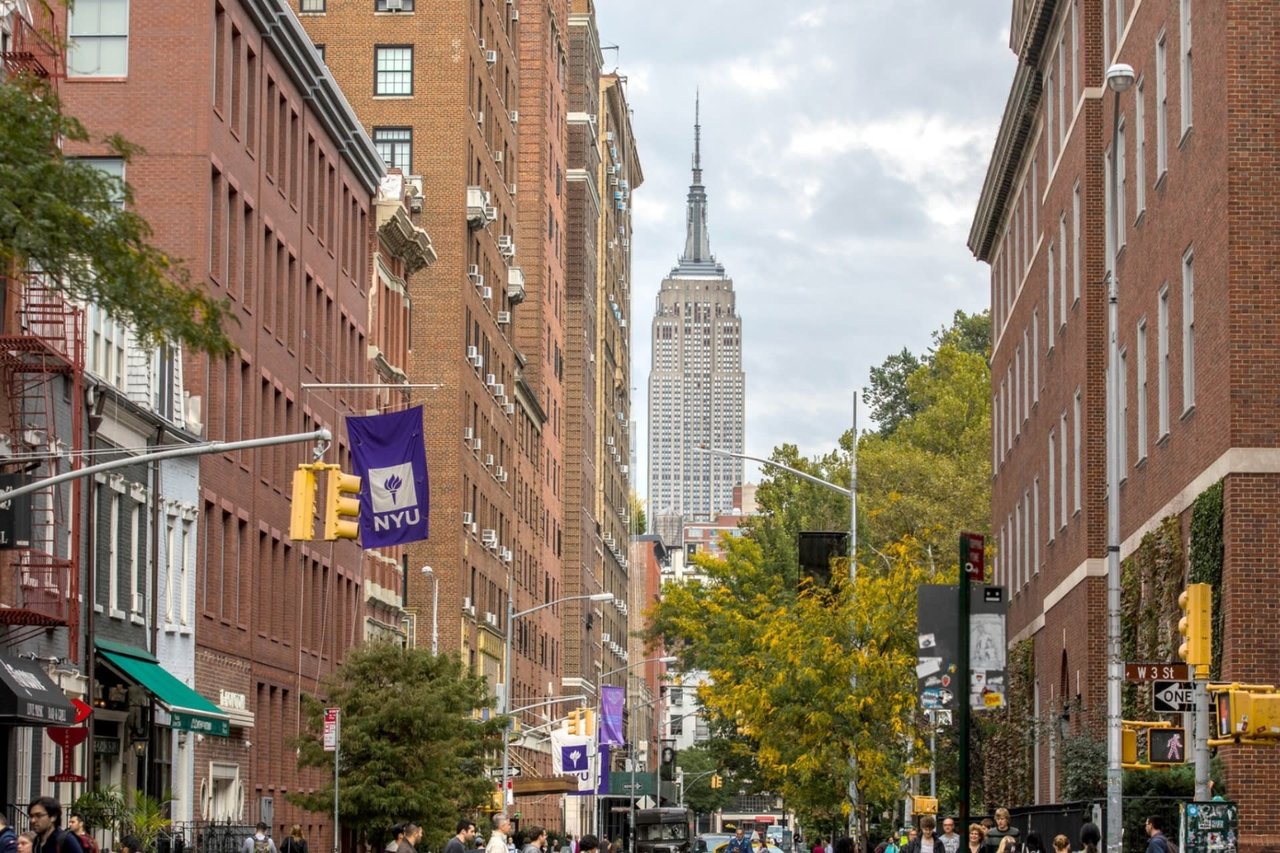
West Village townhouses and brownstones sit inside one of Manhattan’s most distinct micro-markets. The neighborhood is known for its irregular streets, historic homes, and limited supply, which makes broad averages less useful here than they might be elsewhere.
That matters because much of the area falls within the Greenwich Village Historic District. The New York City Landmarks Preservation Commission says the district was designated in 1969, includes more than 2,000 buildings across over 65 blocks, and has been shaped for decades by preservation oversight. In simple terms, your home is competing in a market where architectural character and regulatory context both influence value.
It is also a scarce market. StreetEasy currently shows a small number of houses for sale in the West Village, with asking prices ranging from about $6 million to $25 million. That wide spread tells you something important: buyers do not price these homes by neighborhood median alone.
Why broad averages can mislead you
A West Village townhouse should be priced against townhouse-specific competition, not condos, co-ops, or general neighborhood stats. Even within Manhattan’s townhouse market, there is a meaningful gap between average performance and what happens south of 14th Street.
Recent townhouse reporting shows that Manhattan townhouse sales improved in 2024, but sellers still received 91.5% of last asking price on average, with average days on market at 209. In the first half of 2025, sellers received 93.0% of last asking price and average days on market was 201. For downtown Manhattan townhouses south of 14th Street, the average reached $9.85 million and $2,642 per square foot in the first half of 2025.
Those numbers are useful as a broad benchmark, but they are not a formula. In the West Village, two homes with similar square footage can trade very differently once buyers account for layout, presentation, outdoor space, and the exact block.
Condition shapes buyer pricing fast
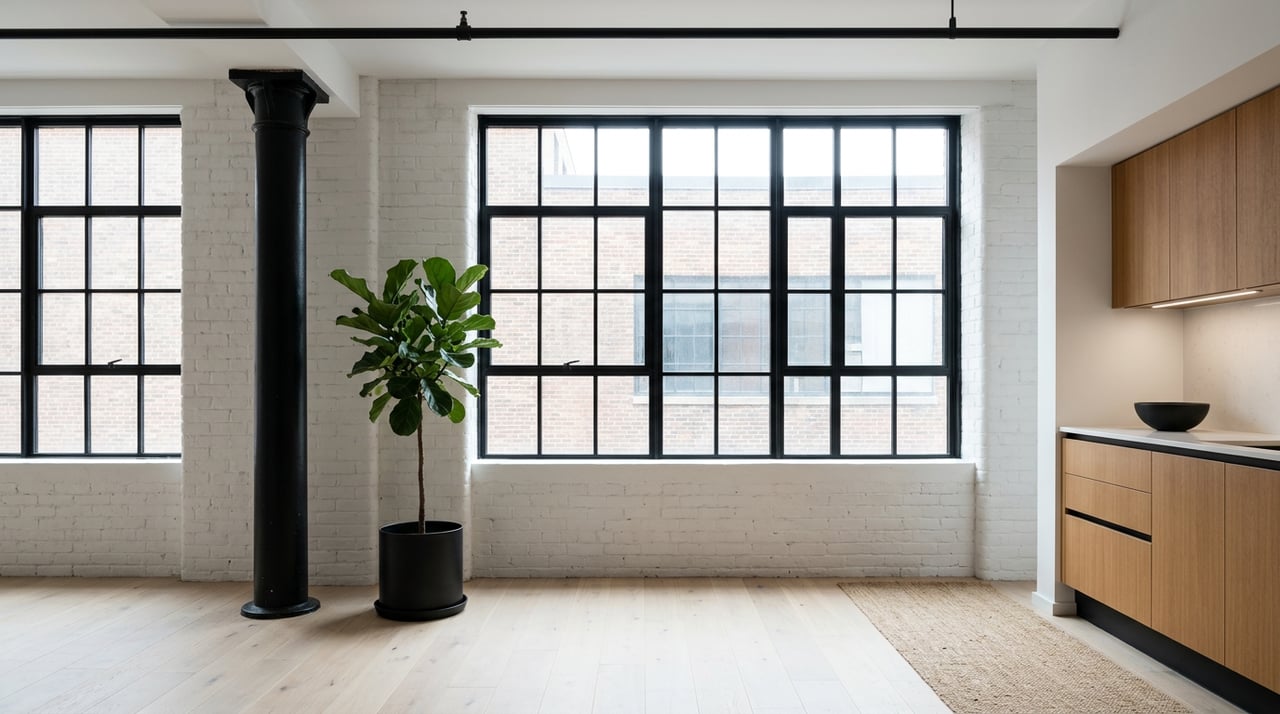
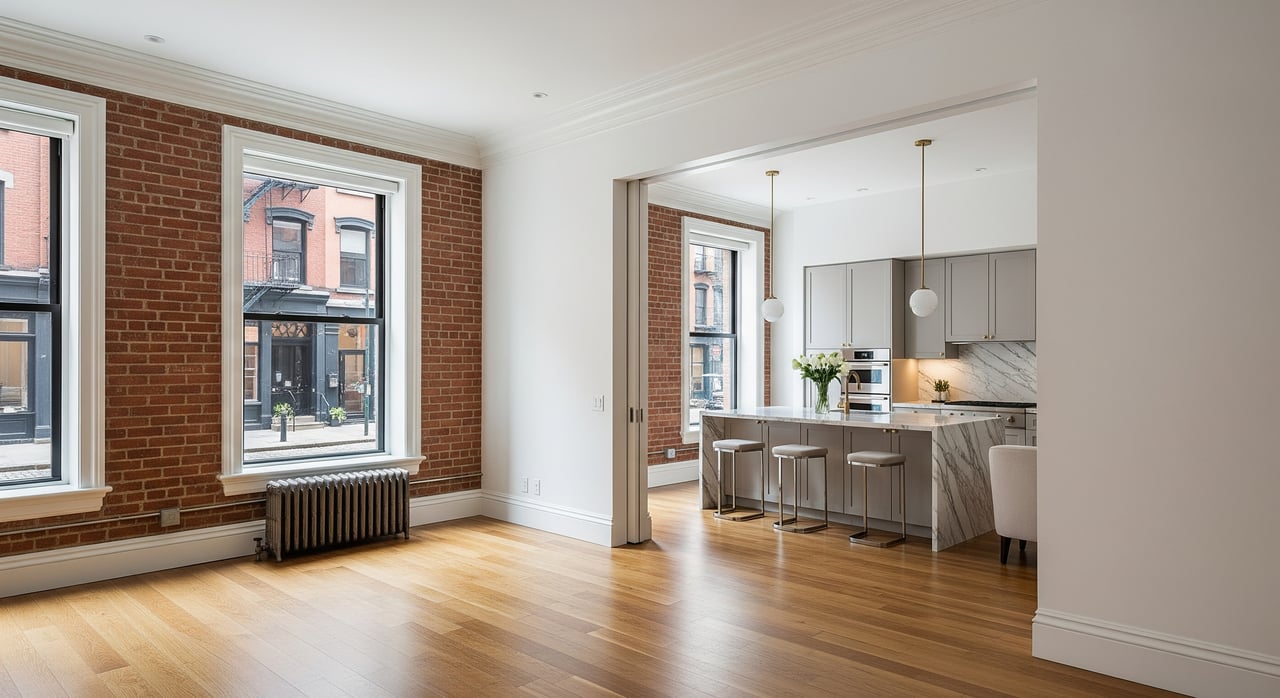
In the West Village, buyers often expect charm on the outside and some compromise on the inside. StreetEasy notes that many homes in the neighborhood have interiors that are old or outdated, which means condition quickly becomes a major pricing lever.
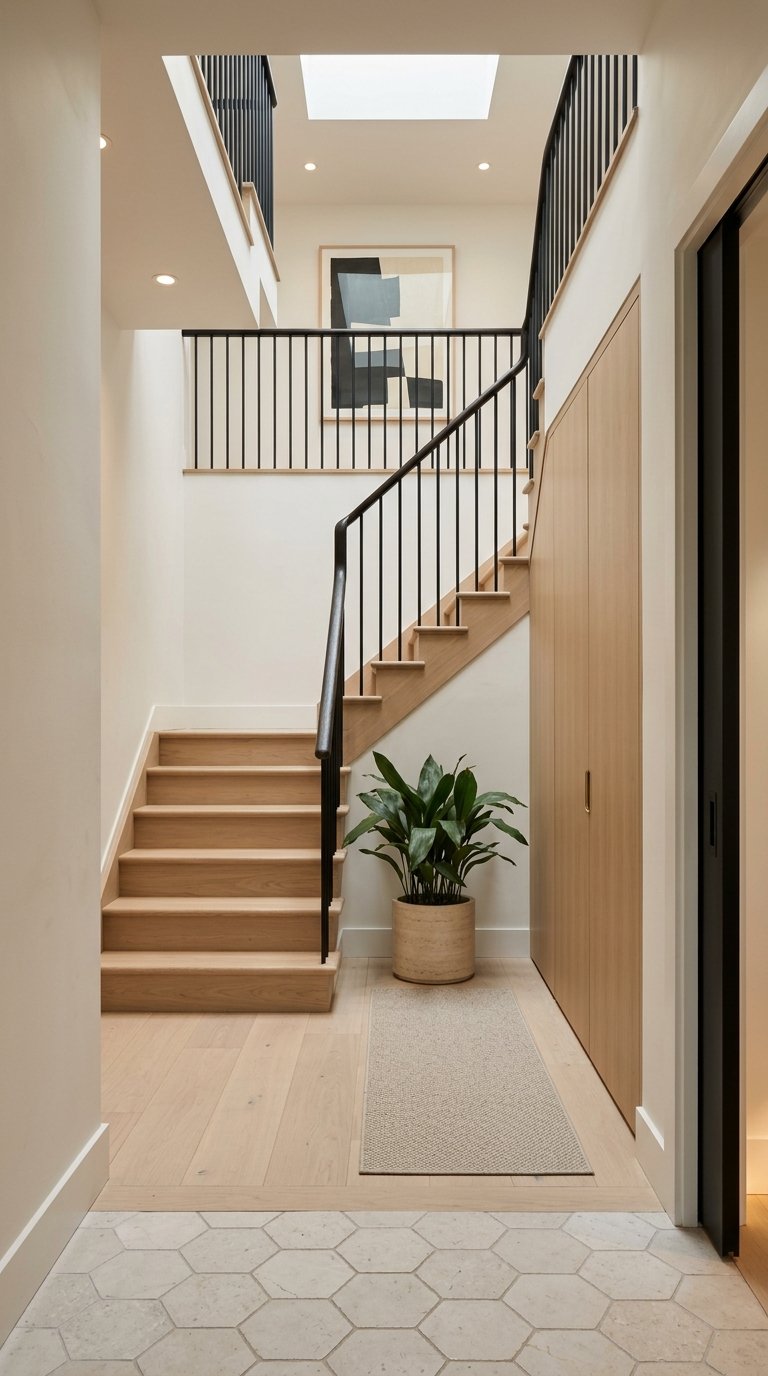
The premium is often about usability more than history alone. Buyers may appreciate original details, but they still underwrite future work, disruption, and carrying costs. If the house feels functionally easy to live in, the pricing conversation gets stronger. If it feels like a project, buyers usually build that risk into their offers.
Pre-sale renovation does not always mean doing everything. Research from BrickUnderground suggests renovated homes often command a convenience premium because many buyers want to avoid the time and stress of renovation. It also notes that kitchen and bathroom work usually brings the best return, while over-renovation can backfire.
Price usability, not just finishes
When sellers think about value, it is easy to focus on surface-level updates. In this market, buyers look deeper. They want to know whether the home works well day to day, whether the layout feels coherent, and whether deferred maintenance or operational issues might become their problem after closing.
That is why the best pricing strategy often starts with honest positioning. A clean, functional townhouse with well-resolved spaces may be easier to price confidently than a home with expensive finishes but unresolved practical issues. BrickUnderground also notes that homes with major structural or habitability issues can narrow the financing pool, which can affect both pricing and demand.
Timing matters too. The same reporting warns that listings sitting for roughly 90 to 100 days can begin to look overpriced to buyers. In a market where townhouses already tend to have longer marketing periods, getting the launch price right becomes even more important.
Outdoor space can move the number
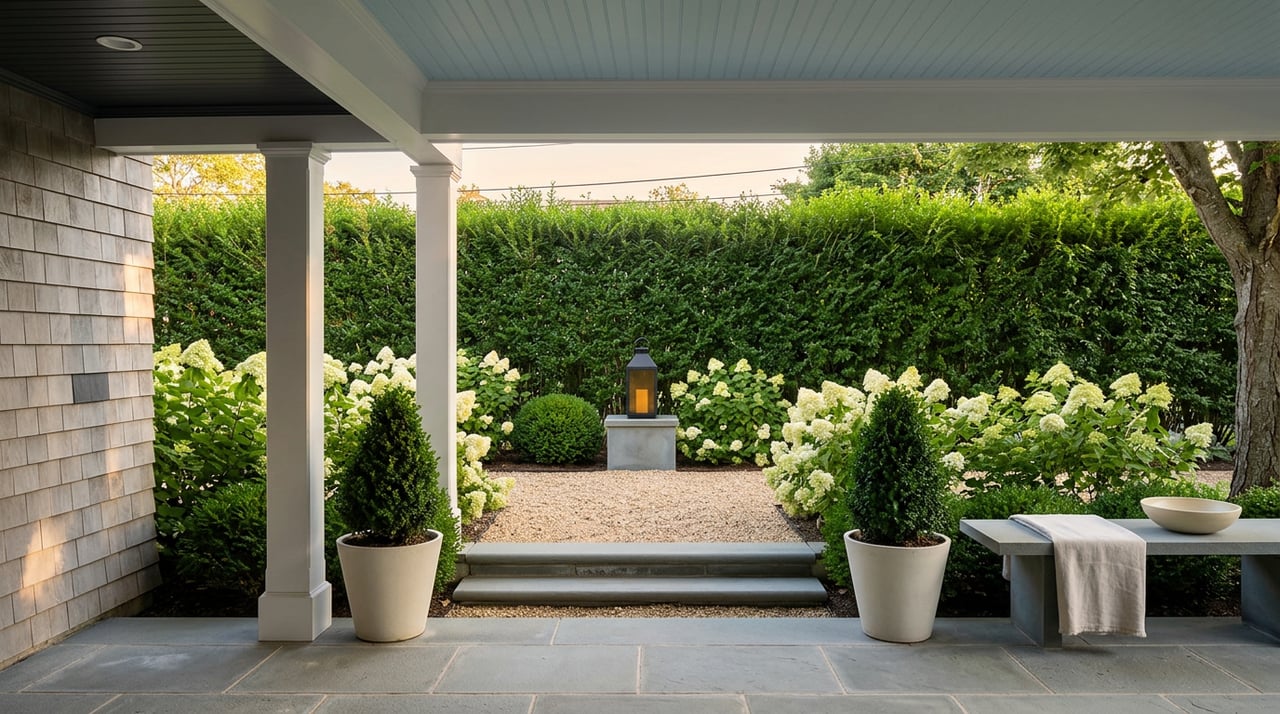
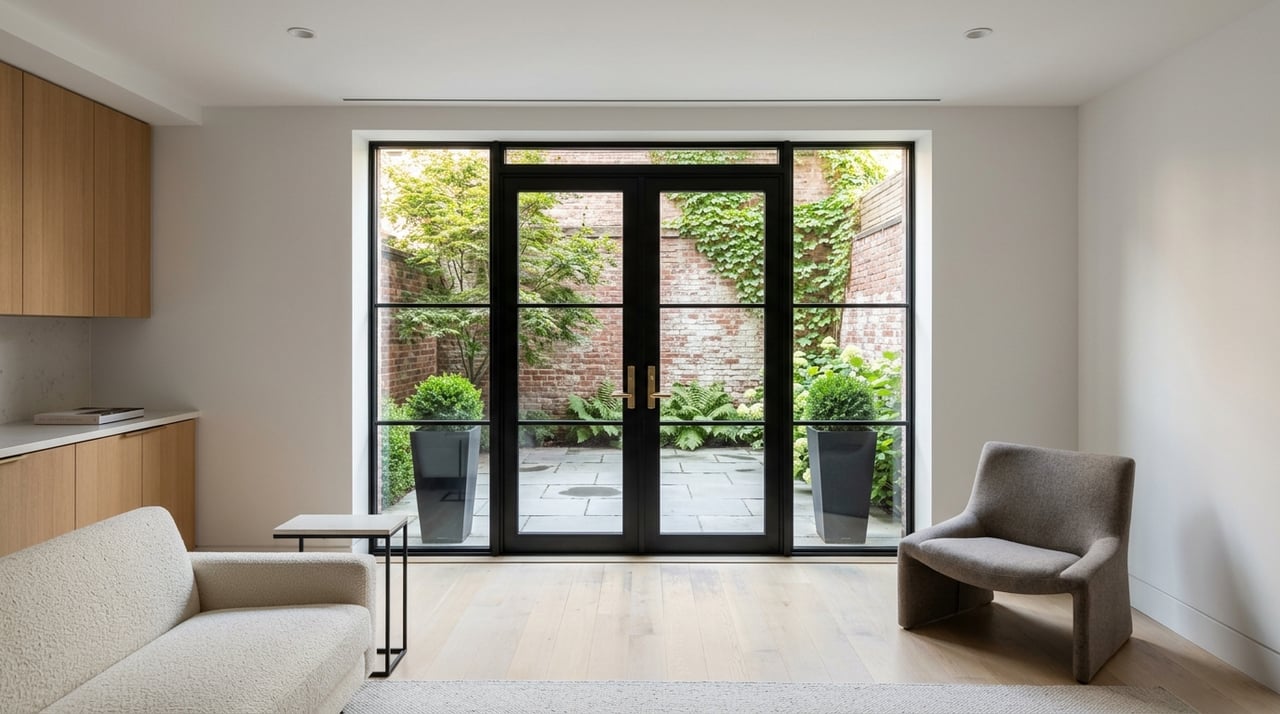
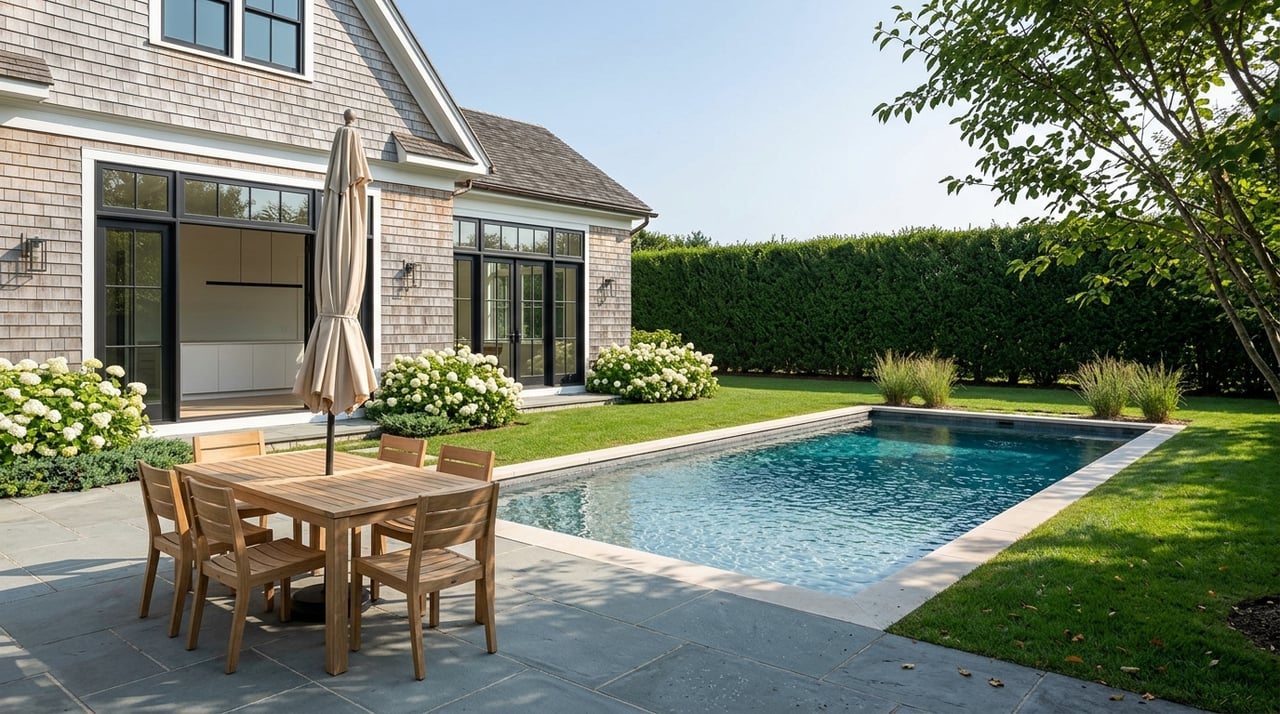
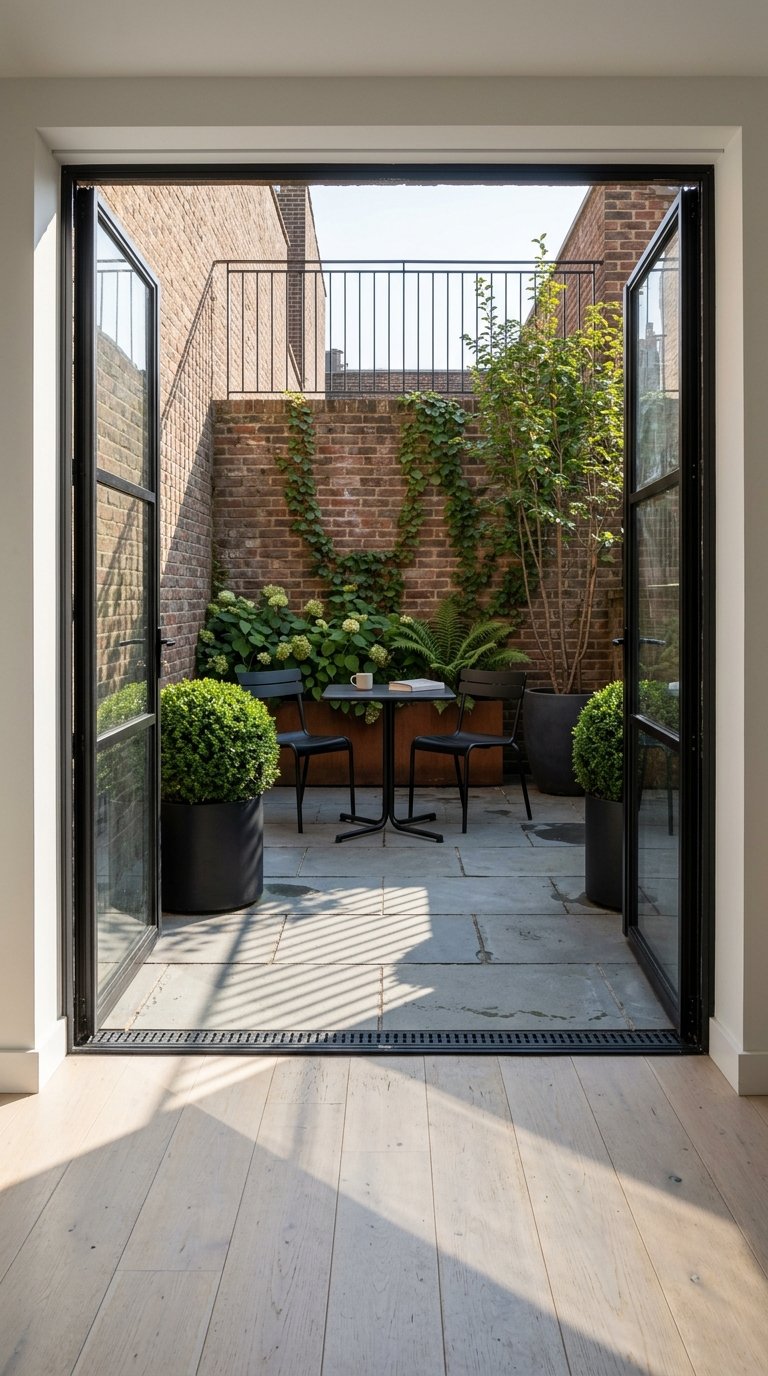
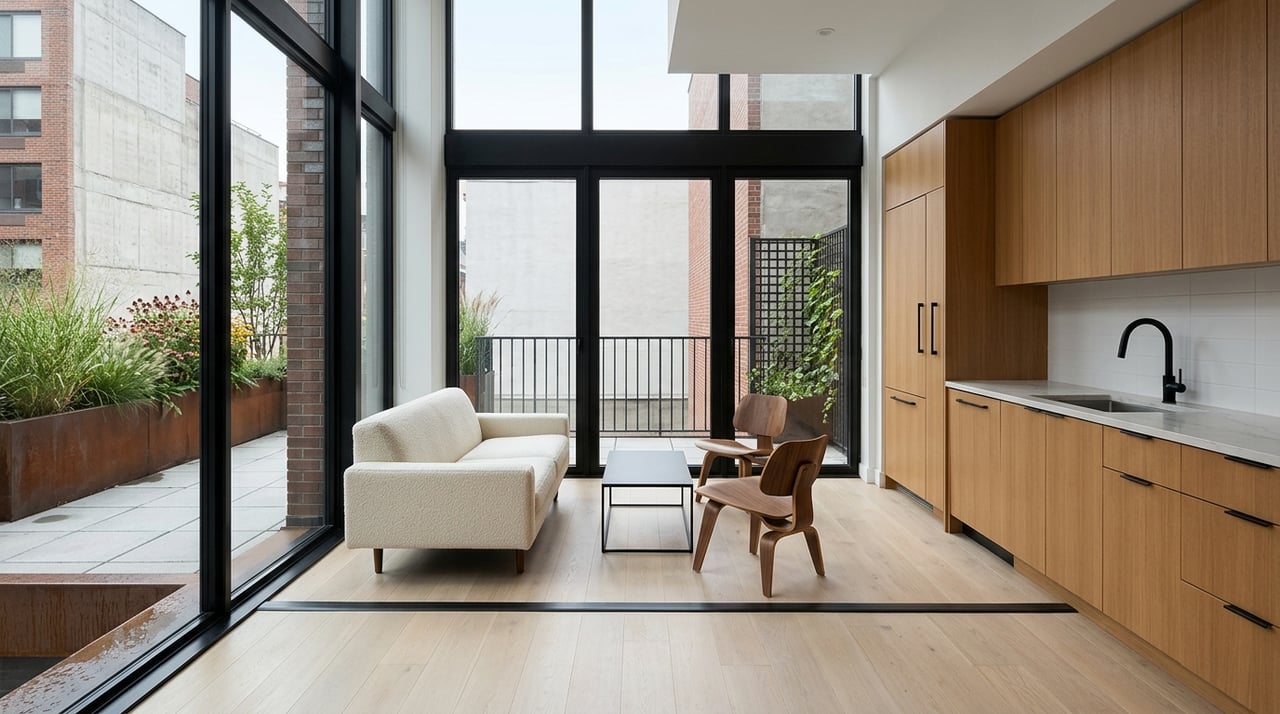
Private outdoor space is not just a lifestyle perk in the West Village. It is a real pricing variable. For many townhouse buyers, a garden, terrace, or roof deck changes how the home lives and how it competes.
BrickUnderground reports that outdoor space in New York City is often valued at roughly 25% to 50% of the interior price per square foot, depending on quality and usability. It also notes that outdoor space can make a home easier to market and sell. That does not mean every exterior area adds value equally, but it does mean you should not treat it as an afterthought.
In current West Village inventory, listings highlight these features prominently. One home on West 4th Street is marketed with a private roof deck and landscaped garden, while another on Bank Street features a front garden and a south-facing terrace. That tells you how buyers and agents already frame value in this submarket.
Not all outdoor space is equal
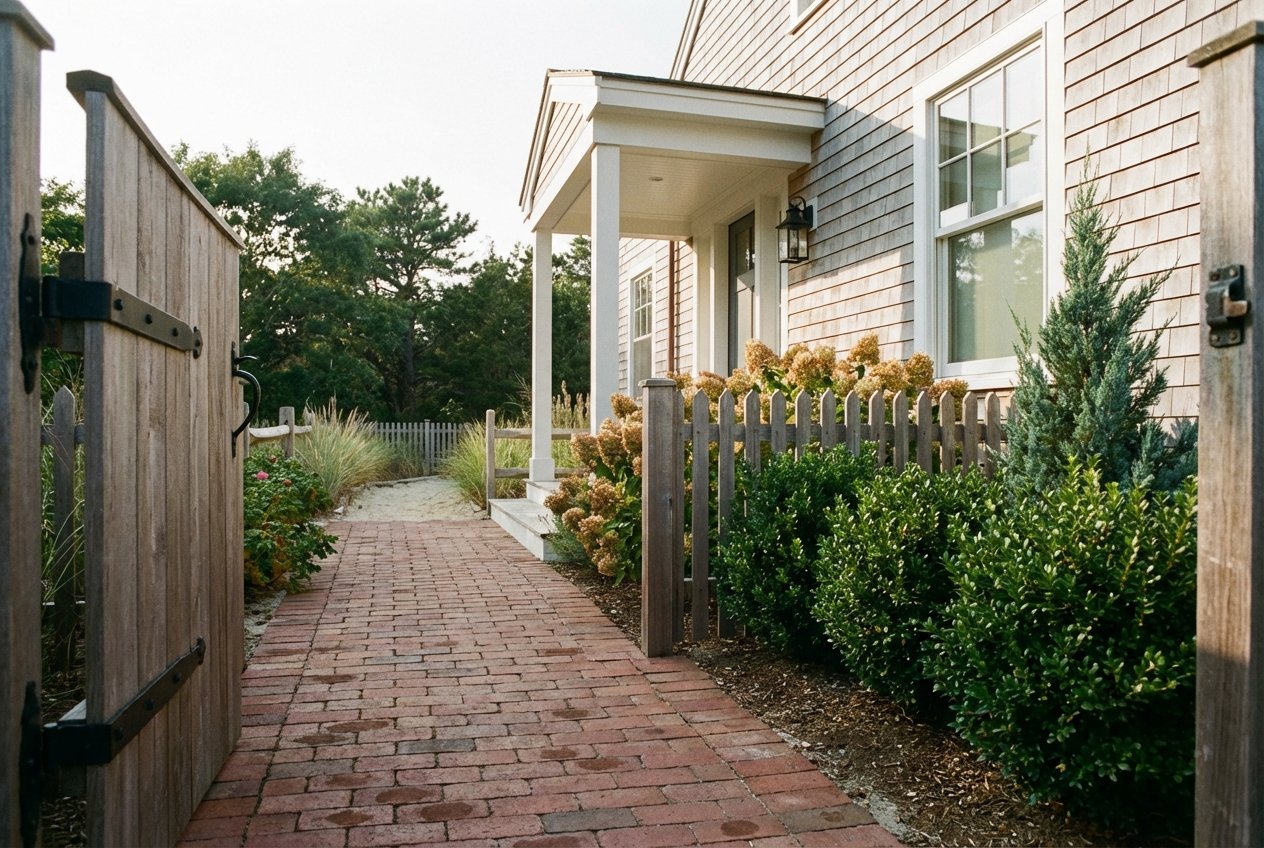
A small, well-connected garden can be more valuable than a large but awkward terrace. Buyers respond to access, privacy, sunlight, and whether the space feels truly usable.
BrickUnderground also points out that very large terraces do not always produce proportional value. In practical terms, pricing should reflect how the outdoor space functions with the house, not just how many square feet it adds on paper.
Block-by-block differences matter
Few neighborhoods in Manhattan reward block-level analysis like the West Village. The street pattern is irregular, the housing stock is varied, and small differences in traffic, exposure, and privacy can shape buyer perception.
StreetEasy describes the neighborhood as one of the few parts of Manhattan that fully defies the grid, with West 4th Street curving through the area and many notable houses tucked into distinctive blocks. That physical layout creates pricing nuance you cannot capture with a broad median.
Current inventory helps illustrate the point. Active listings range from the high $7 million range on Gay Street to $25 million on Charles Street, with multiple homes across Perry, Jane, Downing, West 11th, and Charles trading at very different asking levels. The takeaway is not that one street always wins. It is that width, light, layout, outdoor space, and finish level can create large valuation gaps even within the same neighborhood.
Width, light, and privacy
These are often the details that separate a good pricing strategy from a generic one. A wider townhouse, stronger natural light, or a more private rear exposure can materially change buyer demand.
In the West Village, buyers are typically paying for a combination of architecture and daily experience. If your home feels bright, well-proportioned, and easy to enjoy, pricing can be more ambitious. If it feels dark, narrow, or compromised, buyers usually expect a discount.
Landmark status affects buyer confidence
In a historic district, permit history and approvals can influence value more than many sellers expect. The Landmarks Preservation Commission says that most exterior changes in historic districts require review, including front and rear facades and many projects that do not require a Department of Buildings permit.
That does not automatically lower value. In many cases, landmark status supports the special character that draws buyers to the West Village in the first place. But from a pricing standpoint, uncertainty can create friction.
If a buyer is unsure whether work was properly approved, or whether a future exterior project will be difficult to execute, that uncertainty may show up in negotiations. On the other hand, a clear record of completed approvals and a clean paper trail can reduce risk and support stronger positioning.
How to build a strategic asking price
The strongest pricing strategy for a West Village townhouse usually starts with townhouse-specific closed comparables and then adjusts for the features that actually move buyers here.
A practical pricing framework includes:
- Comparable townhouse sales, not condo or co-op medians
- Exact block and micro-location
- Width and overall scale
- Natural light and exposure
- Layout and day-to-day usability
- Renovation level and current condition
- Quality and function of outdoor space
- Permit history and landmark-related clarity
- Presentation, including photography and launch strategy
This is where local judgment matters. A house may look similar to another on paper but perform very differently in person. In a neighborhood where inventory is limited and buyers are selective, pricing is less about applying a formula and more about understanding what buyers will actually pay a premium to avoid, enjoy, or improve.
Why launch strategy matters as much as the number
In the West Village, strategic pricing is closely tied to presentation. Buyers in this segment expect polished marketing and clear positioning from day one. If the home enters the market at an aspirational number without enough support, the listing can lose momentum before the right buyer ever engages.
That is especially relevant in a townhouse market where average days on market remain long by design. A long timeline is not always a problem. But an avoidable pricing mismatch can turn normal marketing time into a signal that buyers interpret as resistance.
A strong launch tells a clear story. It shows why the home is different, where it fits in the current market, and why the asking price makes sense based on the home’s real strengths.
If you are considering selling a townhouse or brownstone in the West Village, a thoughtful pricing strategy can make the difference between testing the market and leading it. For a private, data-informed conversation about positioning your property, contact At the Firm.
FAQs
How should you price a West Village townhouse?
- You should price a West Village townhouse using townhouse-specific comparables and then adjust for block, width, light, condition, outdoor space, and permit history rather than relying on broad neighborhood averages.
Does renovation affect West Village townhouse value?
- Yes. Buyers often pay a premium for homes that feel functional and move-in ready, especially when kitchens, bathrooms, and overall usability reduce the need for immediate work.
How much does outdoor space add to townhouse pricing in Manhattan?
- Research cited here says outdoor space is often valued at roughly 25% to 50% of the interior price per square foot, depending on access, privacy, sunlight, and overall usability.
Why do similar West Village brownstones have different prices?
- Similar homes can price very differently because buyers respond to micro-location, width, layout, light, outdoor space, renovation quality, and whether the property presents any uncertainty around approvals or future work.
Does landmark status affect selling a townhouse in the West Village?
- It can. Landmark review requirements may shape buyer confidence, especially if exterior changes, approvals, or permit history are unclear, while a clean record can support stronger pricing and smoother negotiations.