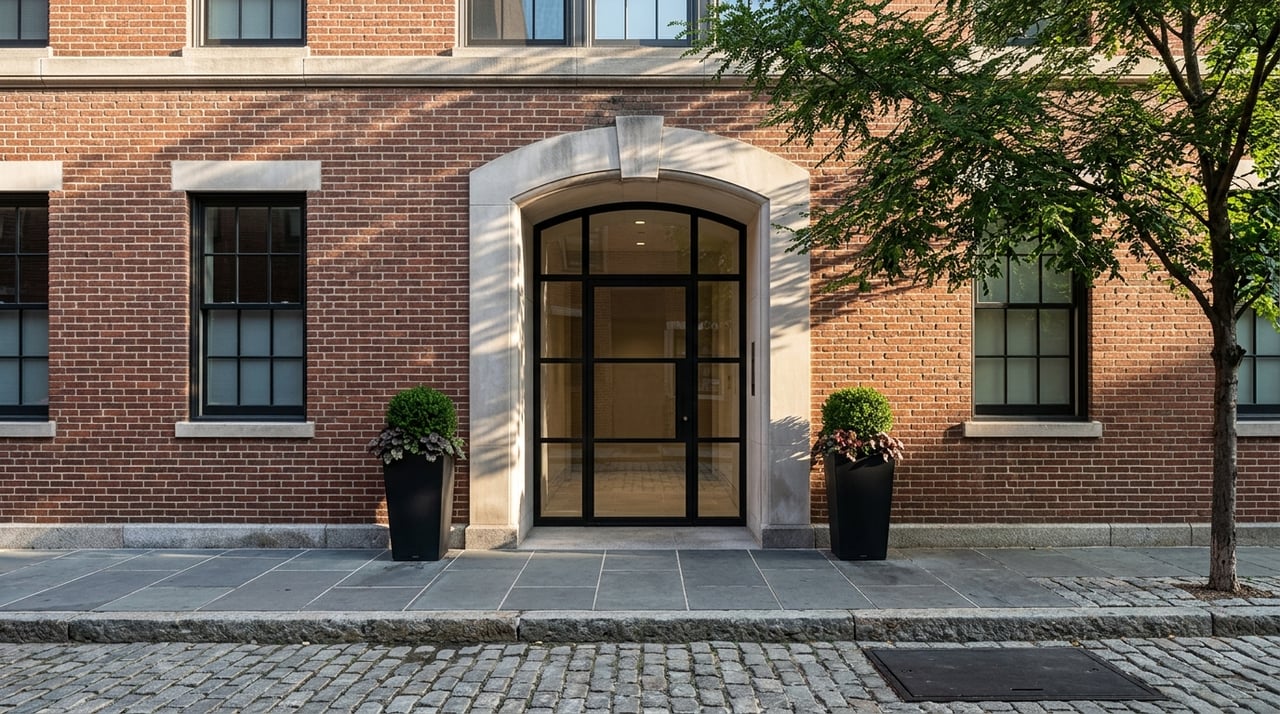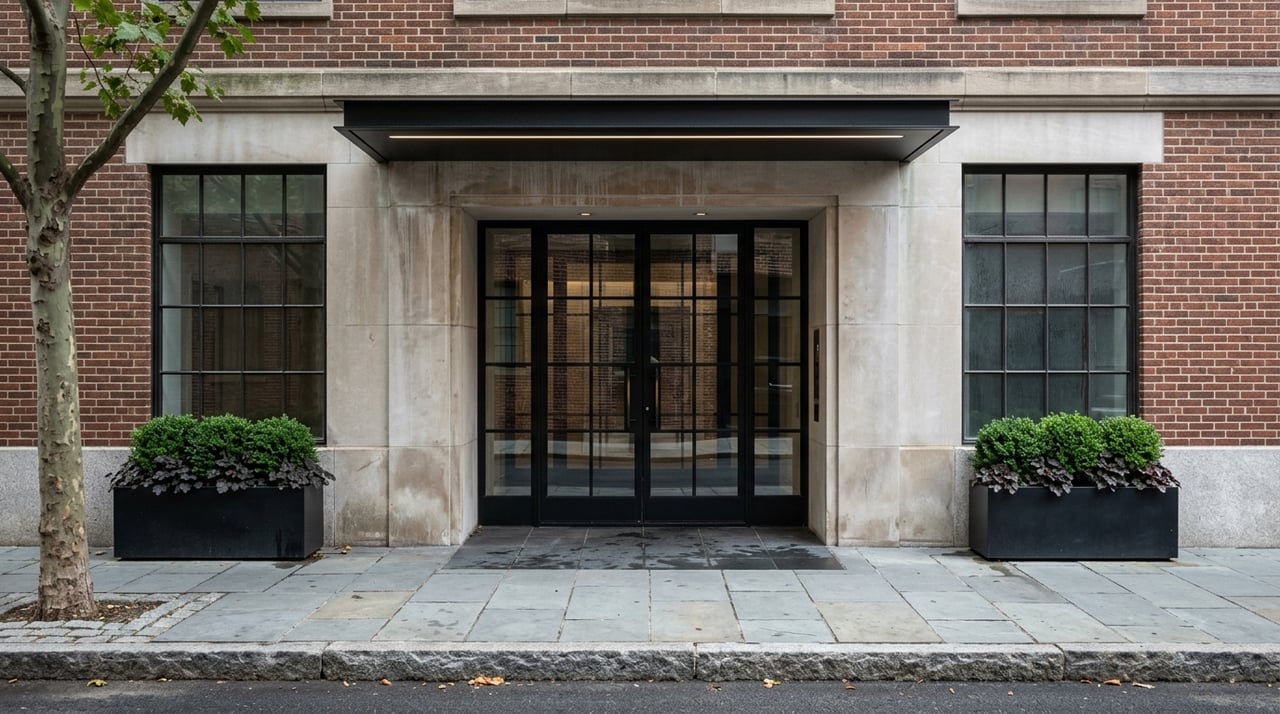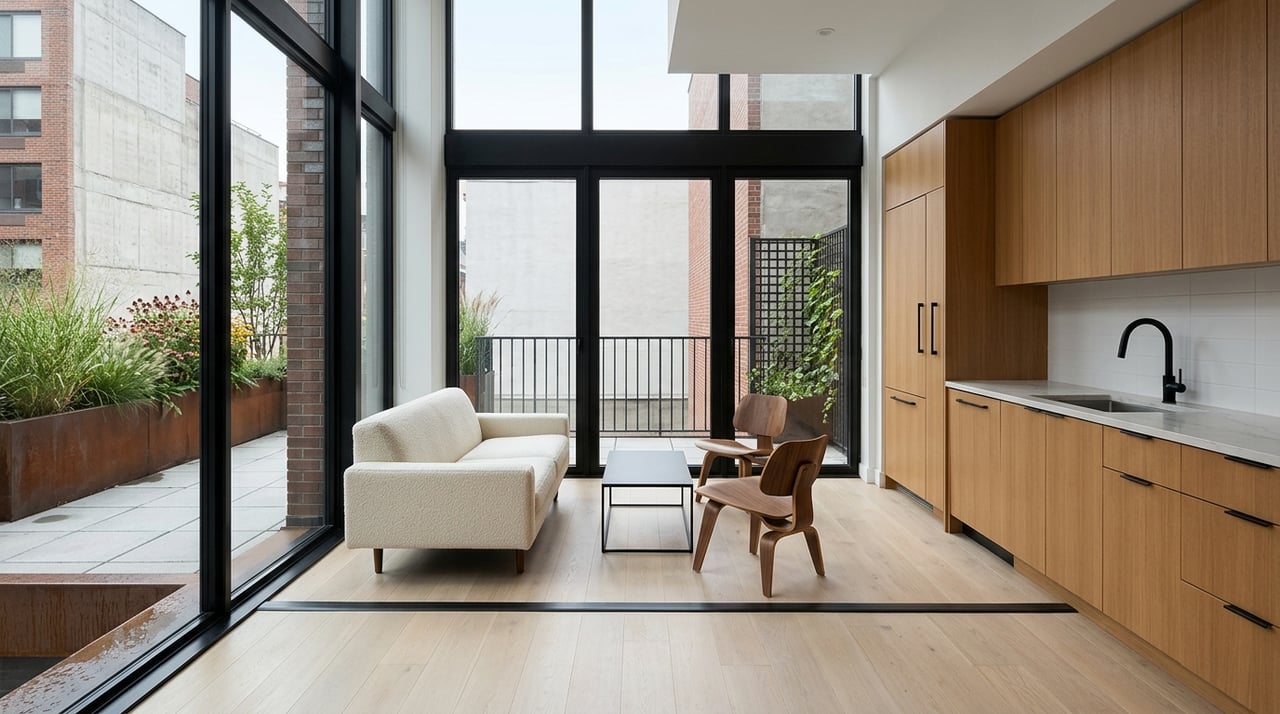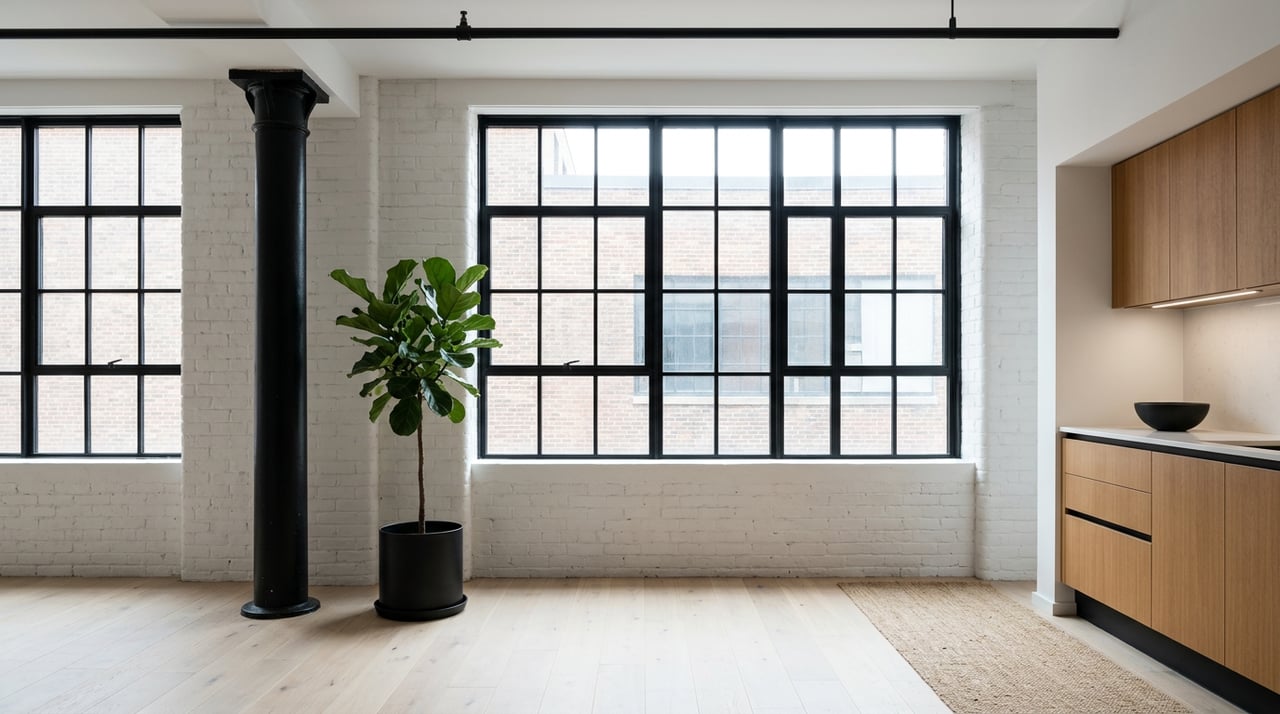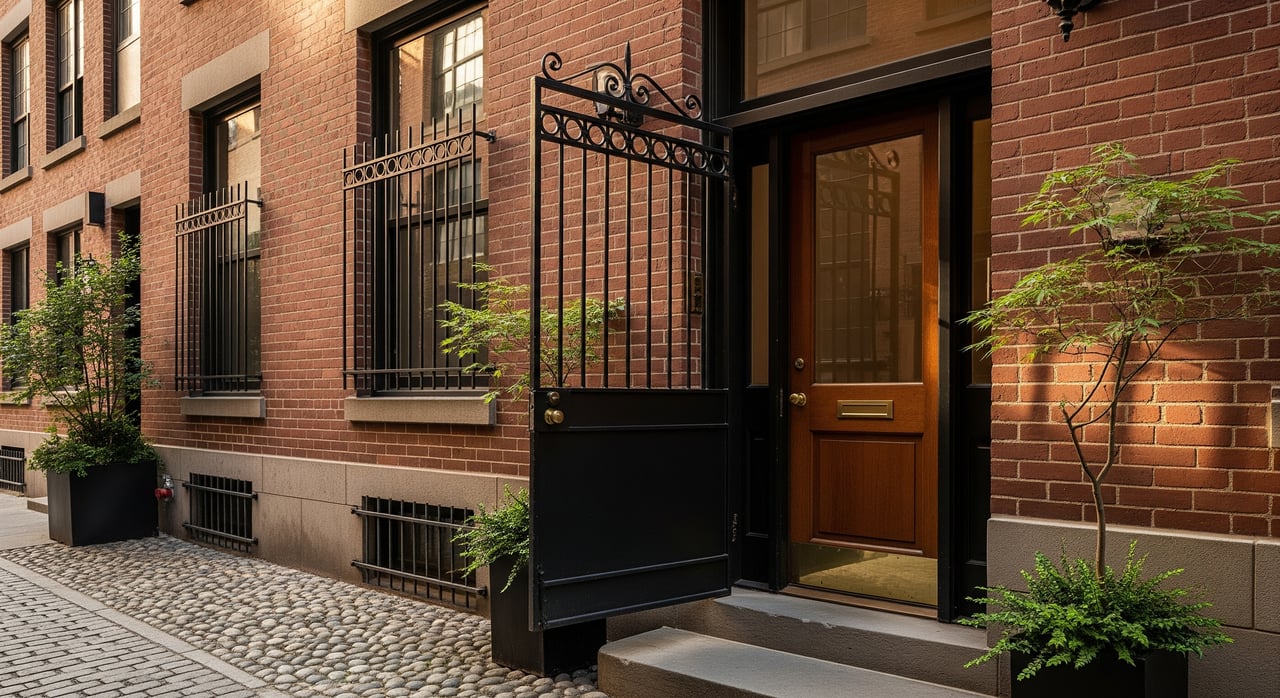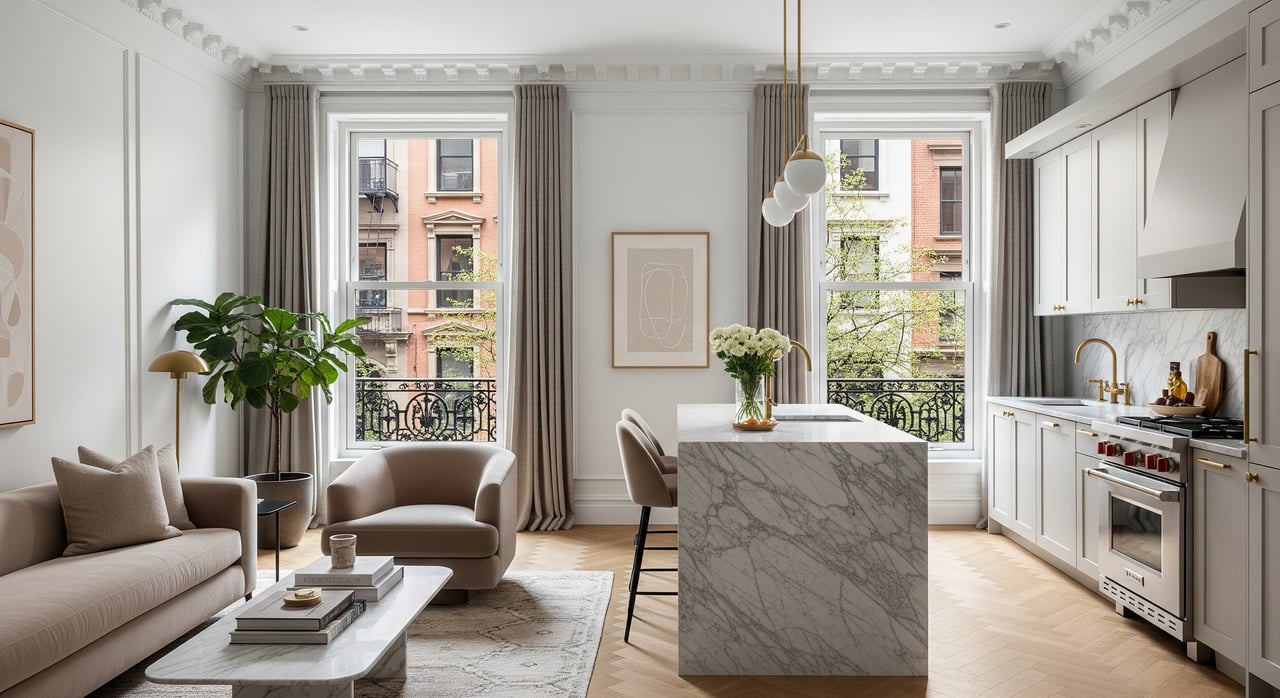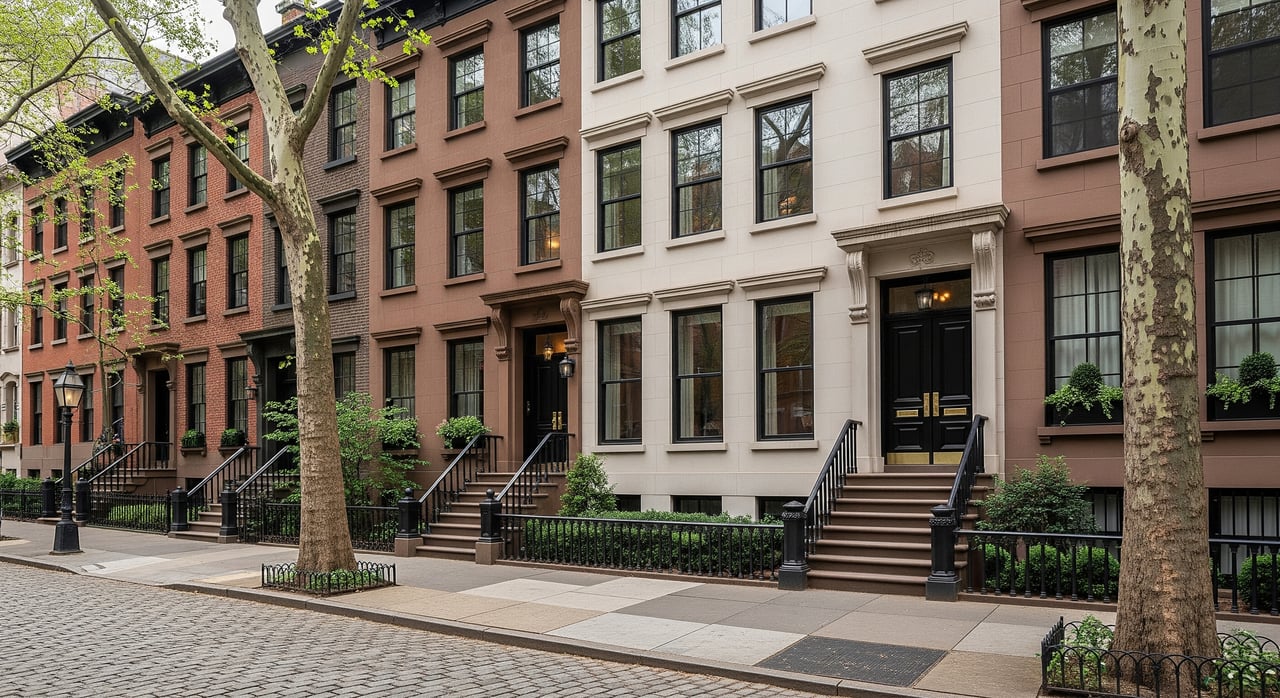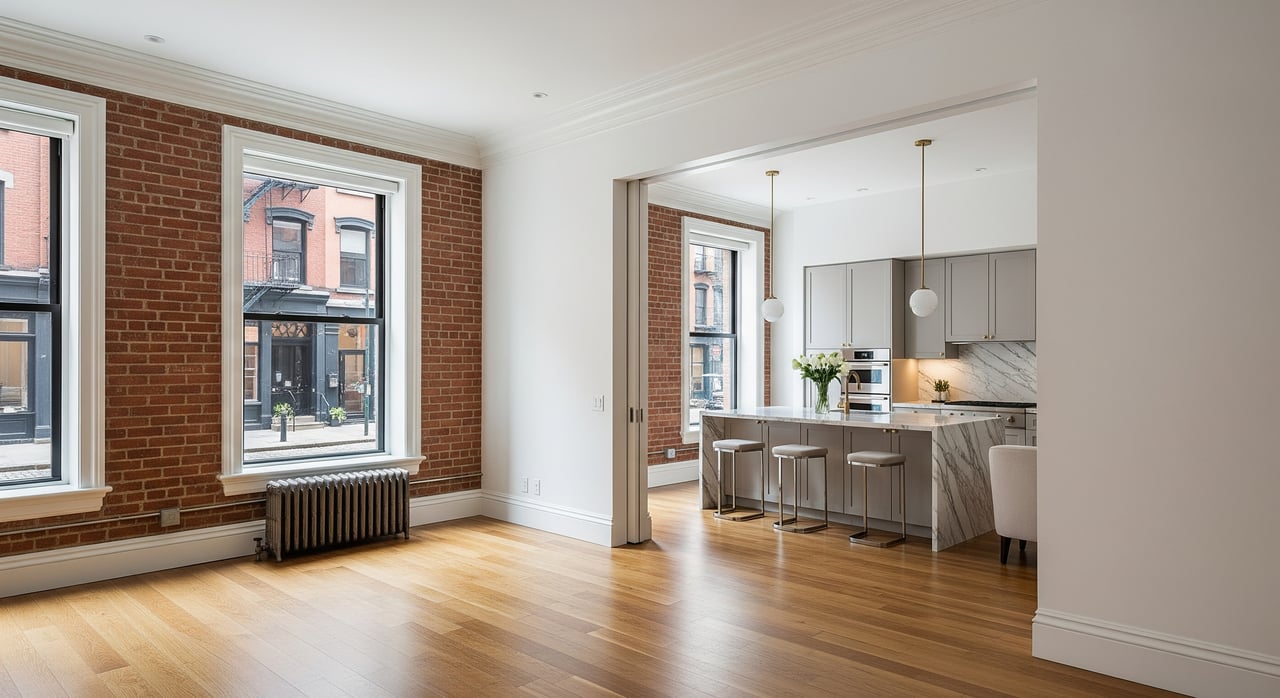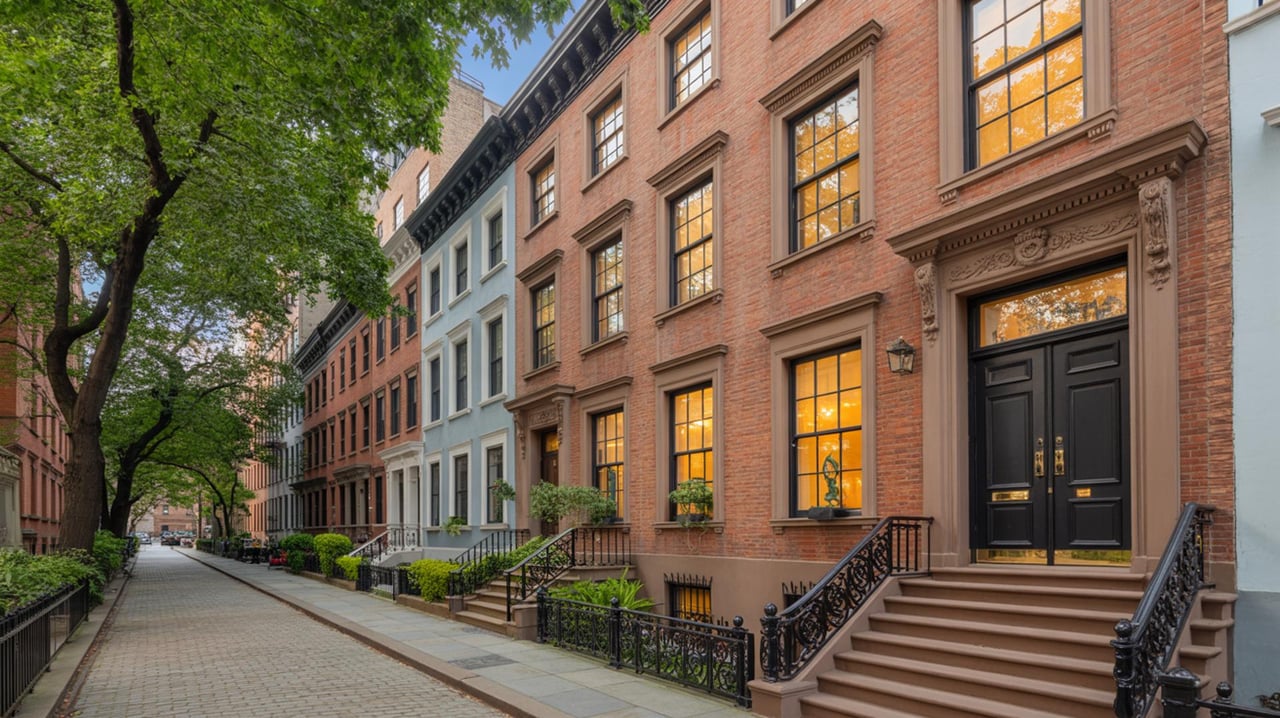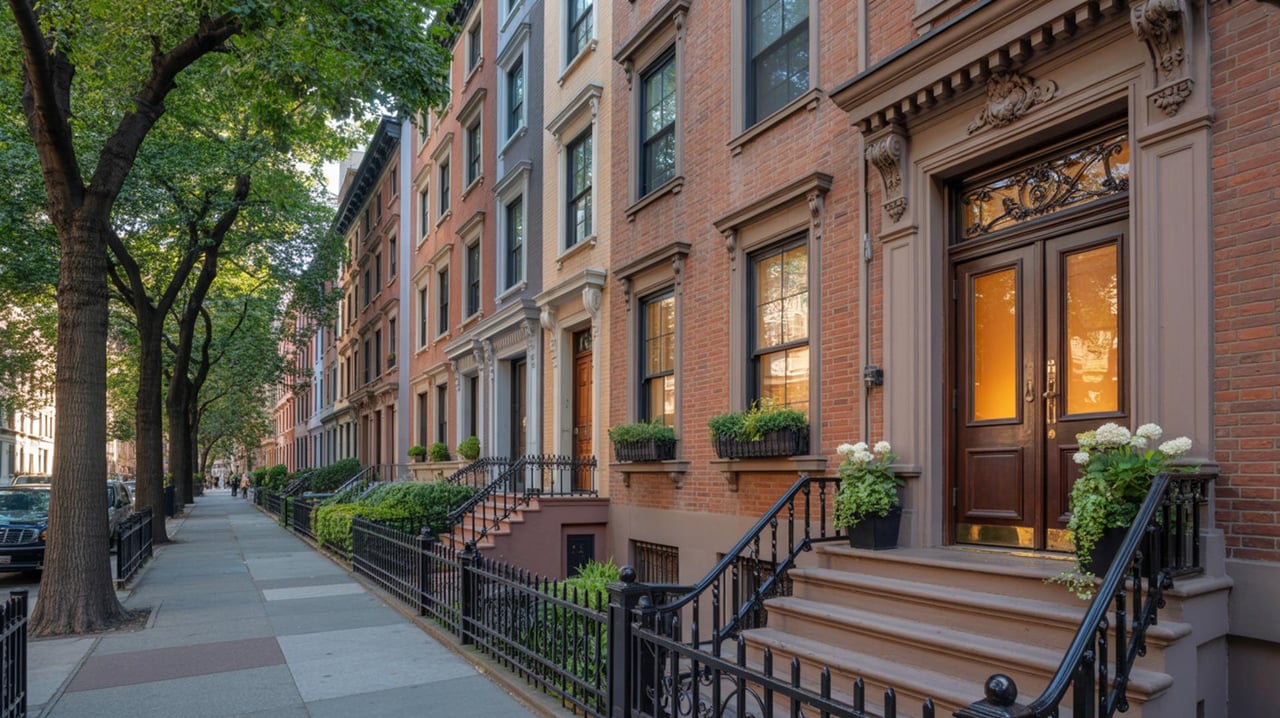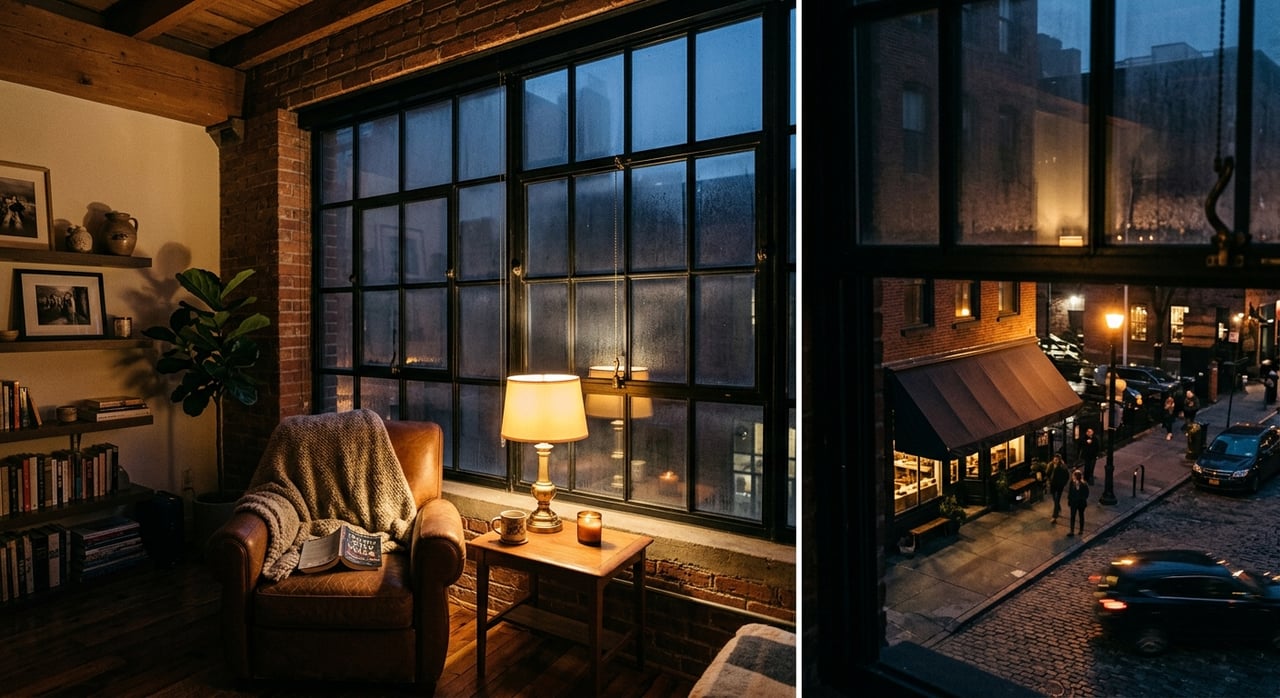
If you are drawn to SoHo, you are probably not looking for a sleepy, tucked-away version of downtown life. Living above the shops here means stepping into one of Manhattan’s most active mixed-use neighborhoods, where cast-iron loft buildings, retail corridors, galleries, and steady foot traffic all shape your daily experience. If you are wondering what that lifestyle actually feels like, this guide will help you picture the rhythm, tradeoffs, and appeal of living in a SoHo loft above the street. Let’s dive in.
SoHo Is Built for Mixed-Use Living
SoHo is not a neighborhood where residential life sits apart from commerce. NYC Planning describes SoHo and NoHo as long-running mixed-use districts that function as hubs for commerce, jobs, and culture, and the city formalized that reality through the 2021 SoHo/NoHo Neighborhood Plan.
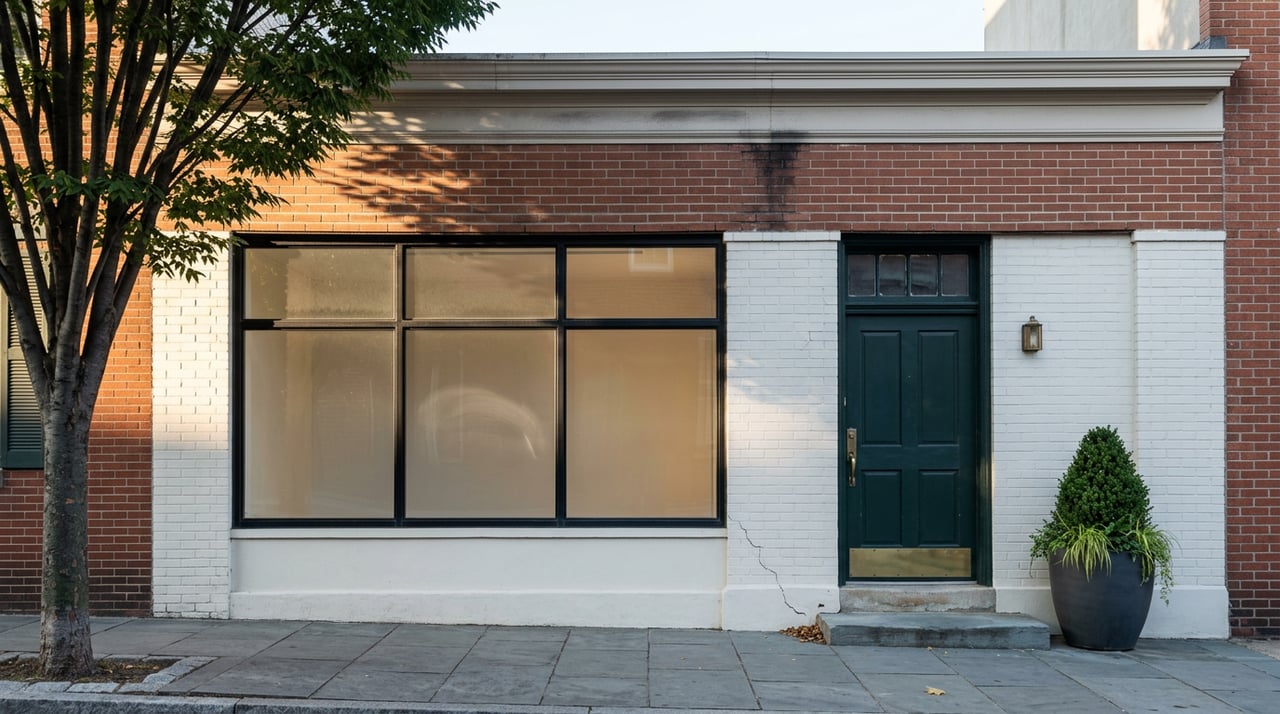
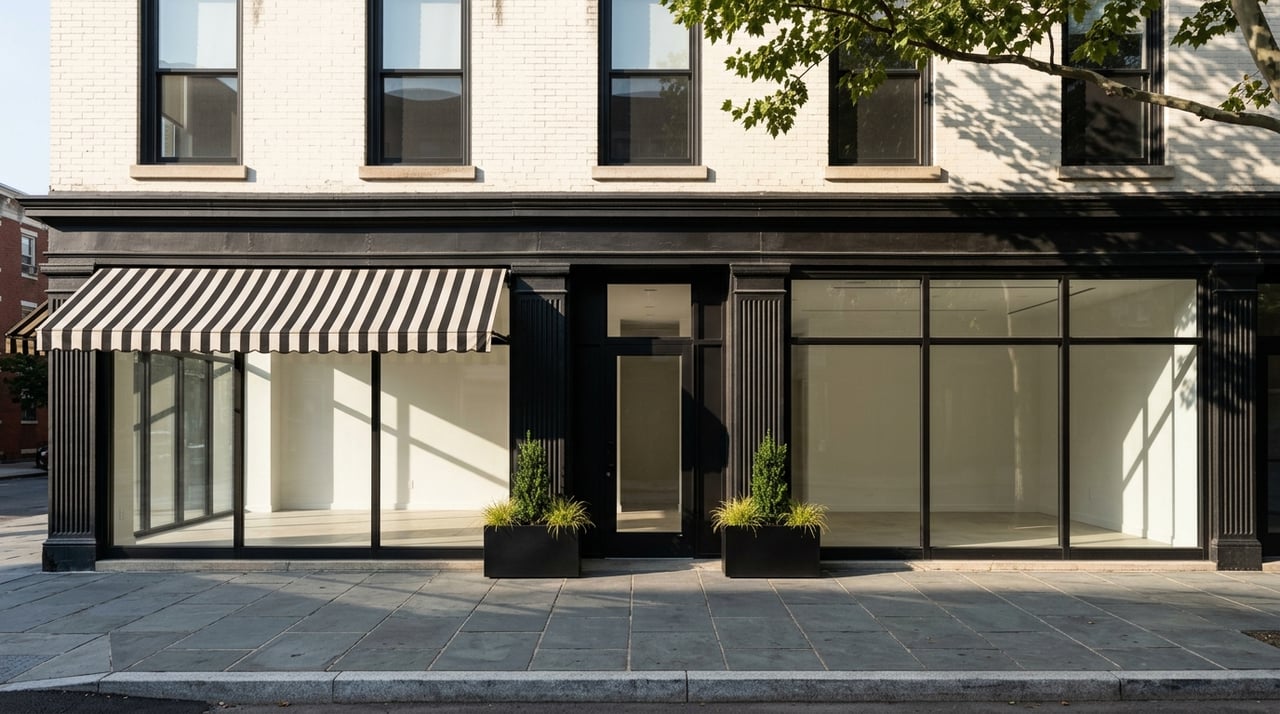
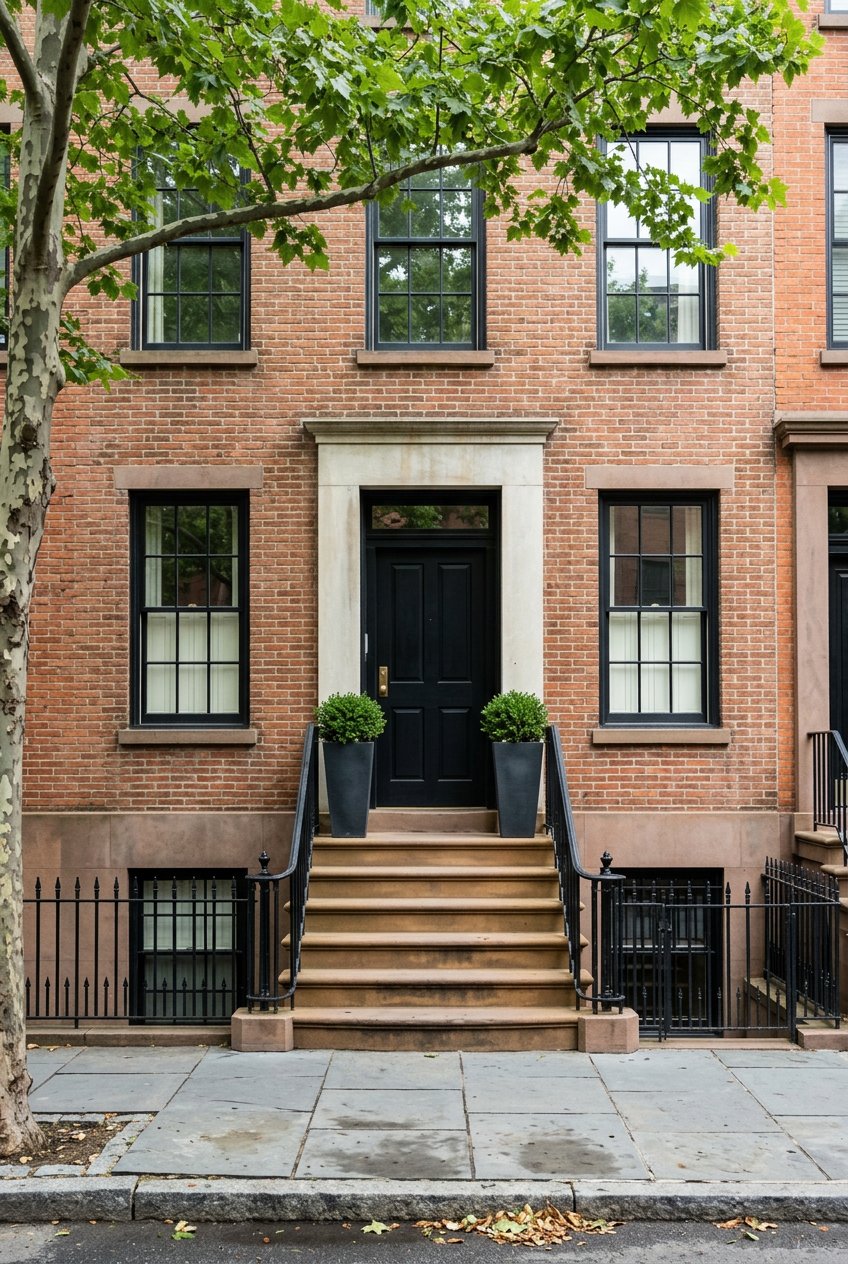
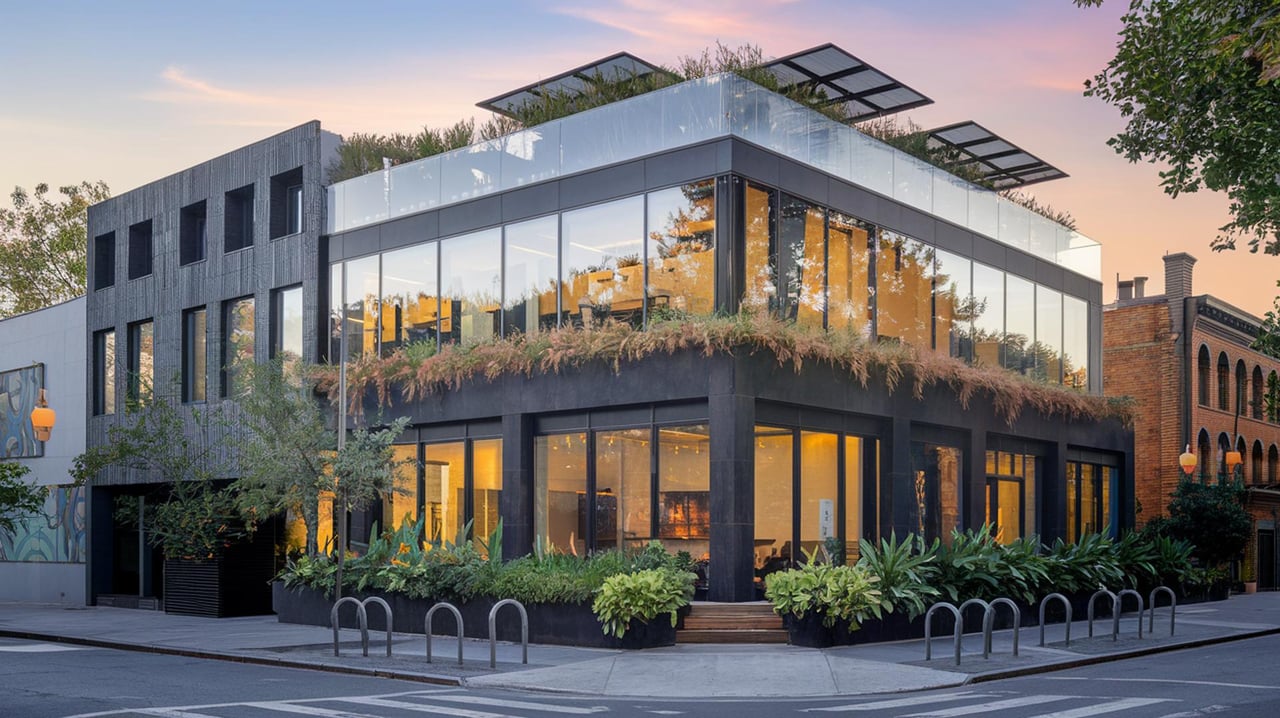
That matters if you are considering a home here. In practical terms, living in SoHo often means your building may have retail or other commercial uses at street level, with residential, office, or live-work space above. The neighborhood was shaped by that blend, and it still defines how the area feels day to day.
What Living Above the Shops Actually Feels Like
The phrase sounds romantic, and often it is. But in SoHo, it also comes with a very specific street-level energy that you should understand before you buy or lease.
Expect Constant Street Activity
SoHo’s ground floors are heavily commercial. NYC Planning found that retail and other business uses occupy most ground-floor space, including restaurants, galleries, banks, showrooms, and large multi-level stores, especially along Broadway.
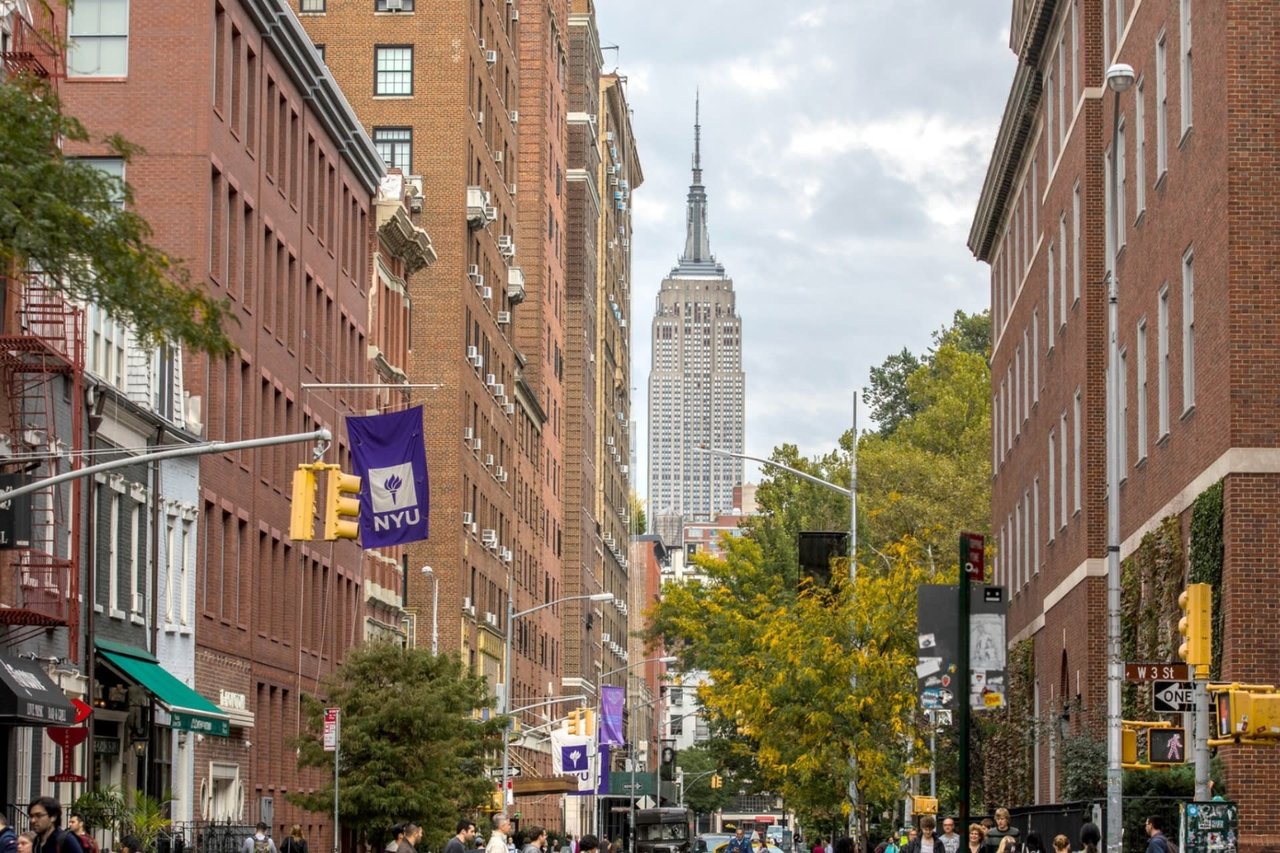
For you as a resident, that usually means a lively view and a neighborhood that feels engaged from morning into evening. You are not living above a quiet row of small shops in a low-key district. You are living in one of downtown Manhattan’s best-known commercial environments.
Noise Is Part of the Experience
If you live above the shops in SoHo, you should expect a soundscape tied to pedestrian traffic, deliveries, and nightlife activity. Bars and restaurants are spread through parts of the neighborhood, especially around Lafayette, Great Jones, Bond, and West Broadway, which can keep the area feeling active well after business hours.
That does not mean every block feels the same. But if you want a quieter residential atmosphere with very little curbside activity, SoHo may feel busier than you expect, particularly near the strongest commercial corridors.
Deliveries Happen in Real Time
One of the less glamorous but very real parts of SoHo living is the loading and unloading that supports the neighborhood’s retail base. NYC Planning noted that many historic loft buildings do not have interior loading berths, which can create street-level delivery issues.
Some larger Broadway buildings receive nighttime deliveries through service entrances on nearby streets such as Crosby and Mercer, where residences may be located above. If you are choosing a home here, this is one of those practical quality-of-life details that can matter more than photos suggest.
The Buildings Shape the Lifestyle
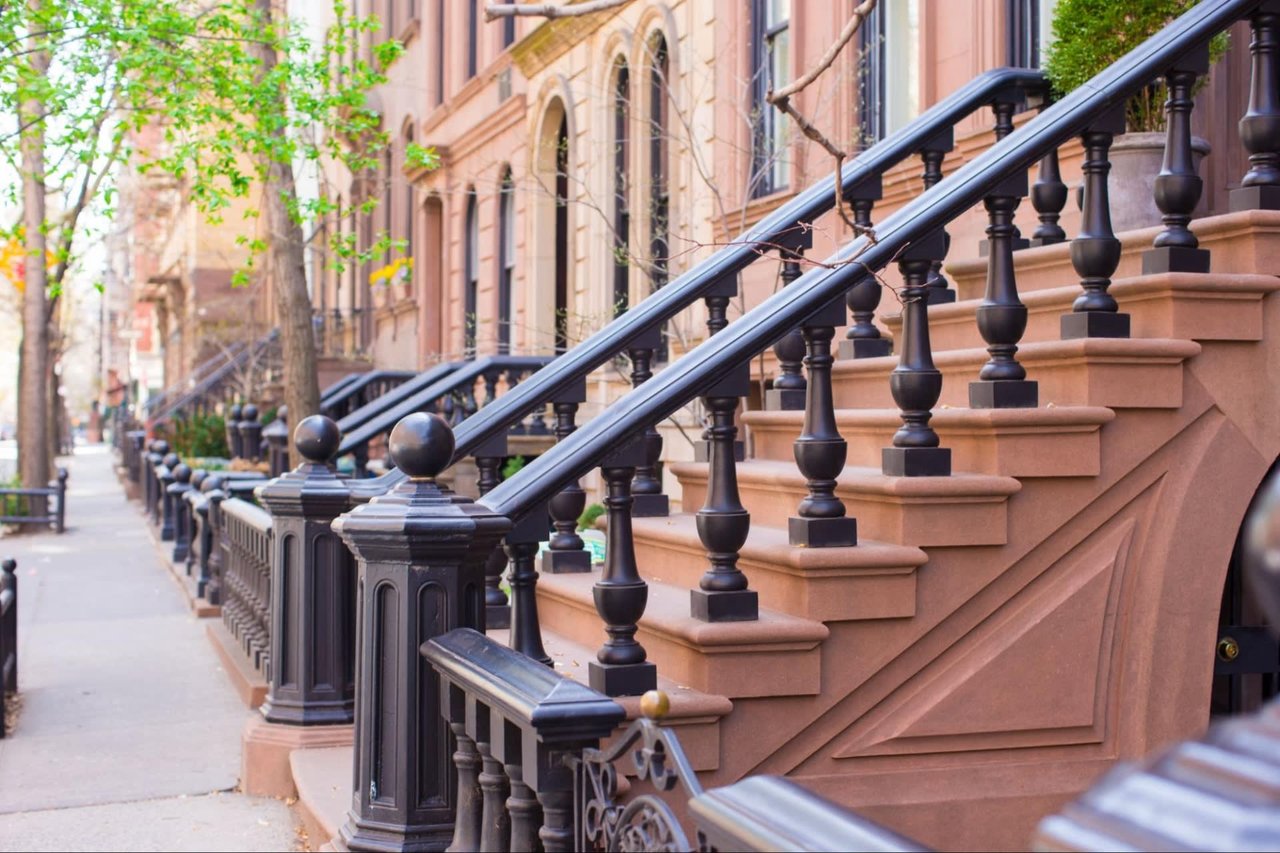
In SoHo, the residential experience is closely tied to the architecture. You are often not choosing between standard apartment buildings. You are choosing whether a historic loft lifestyle fits how you want to live.
Classic Loft Bones
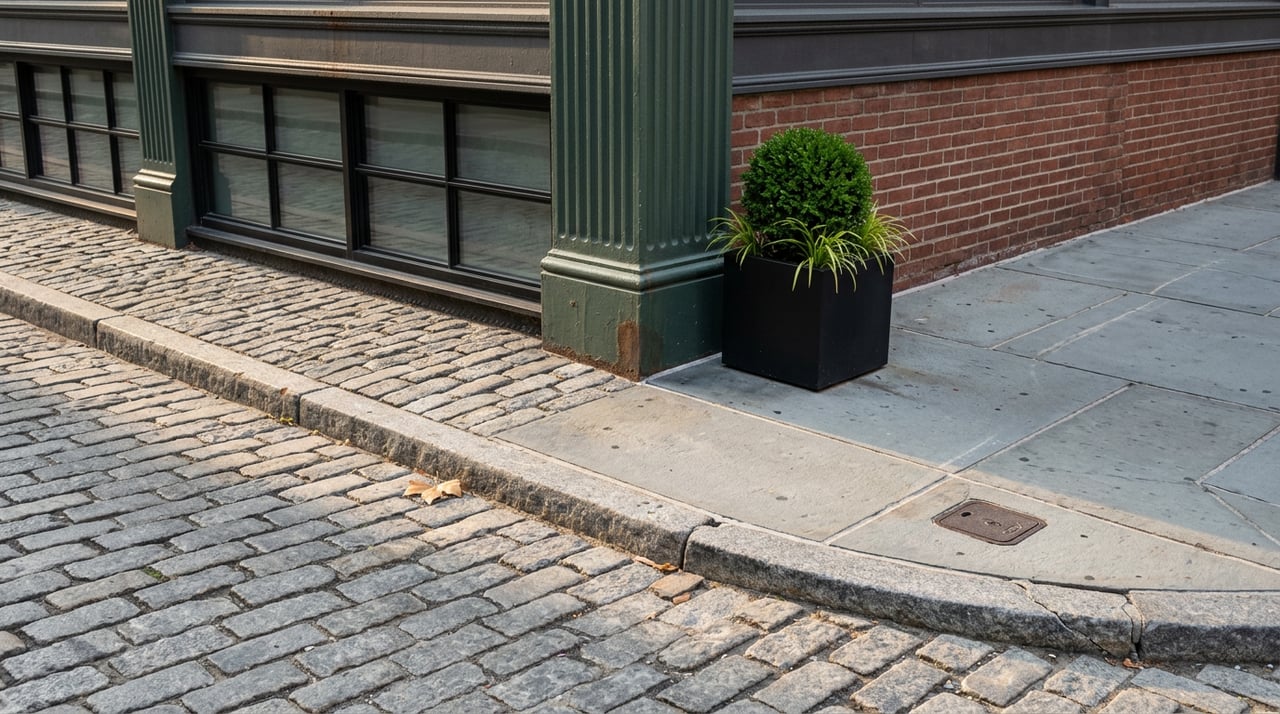
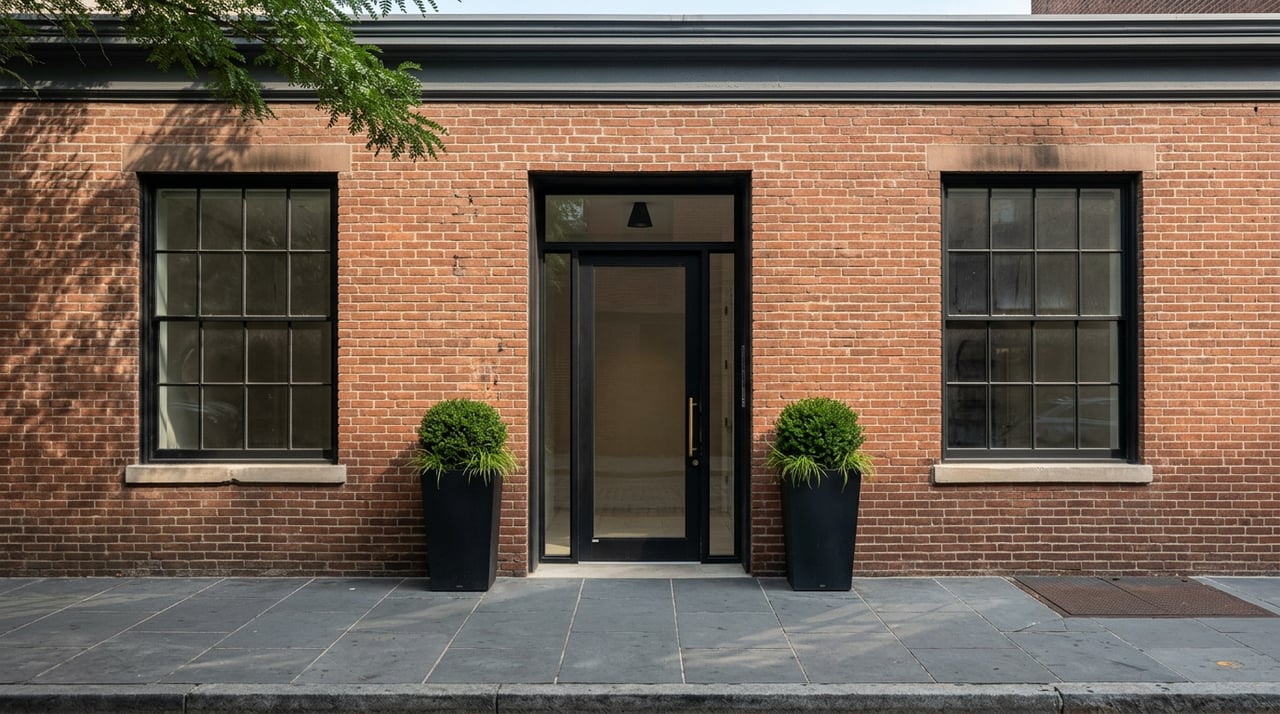
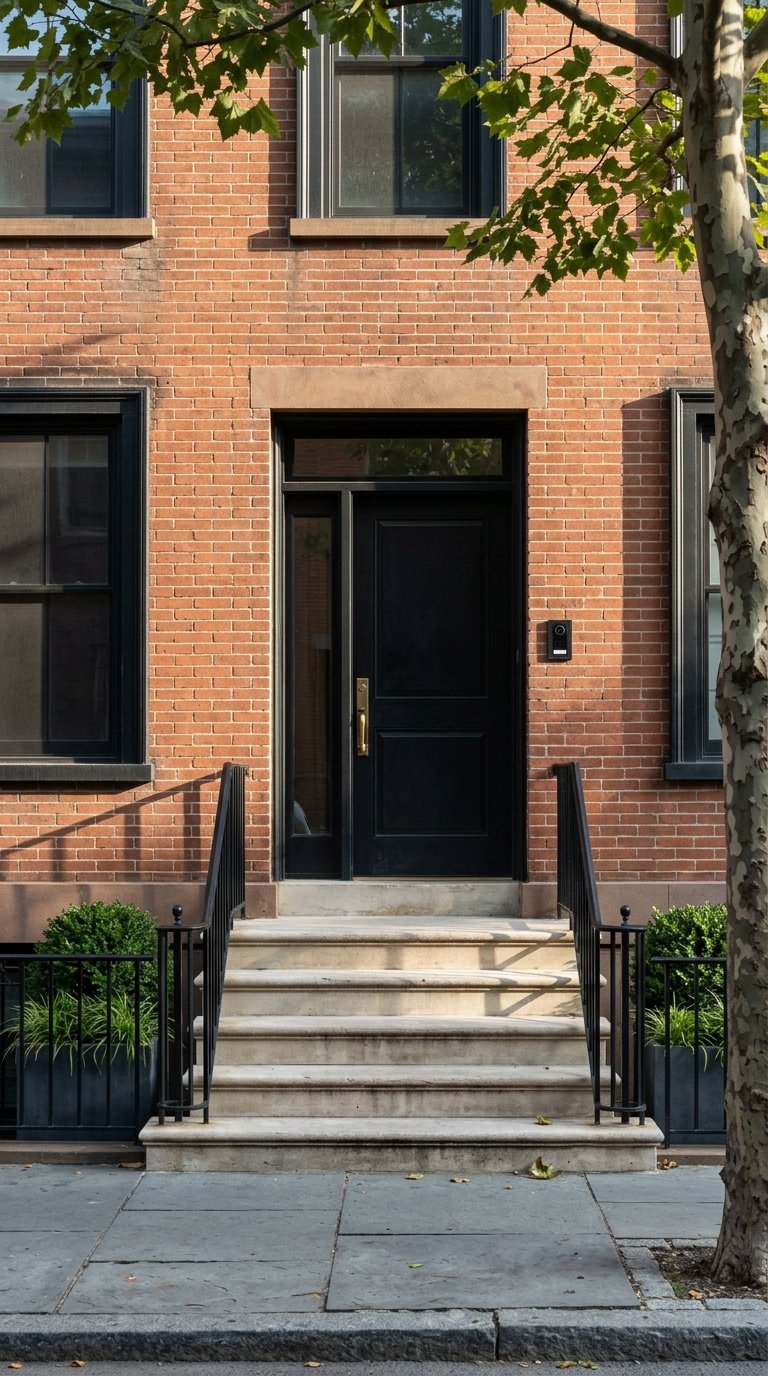
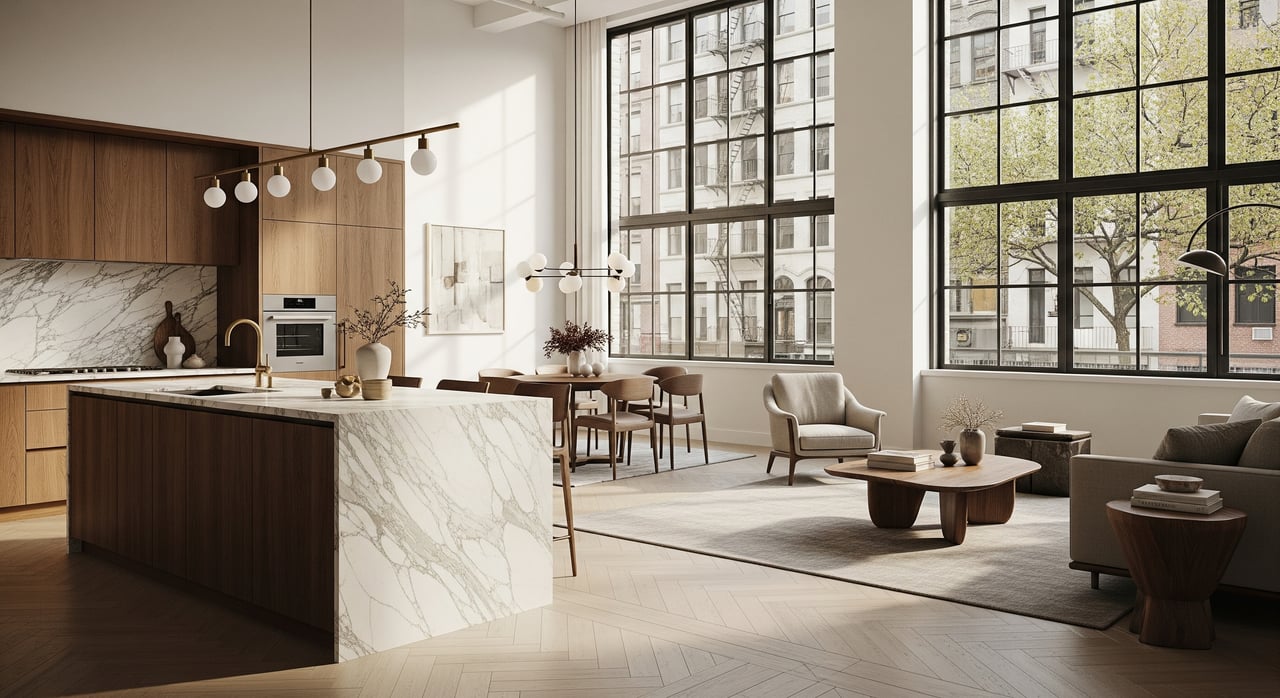
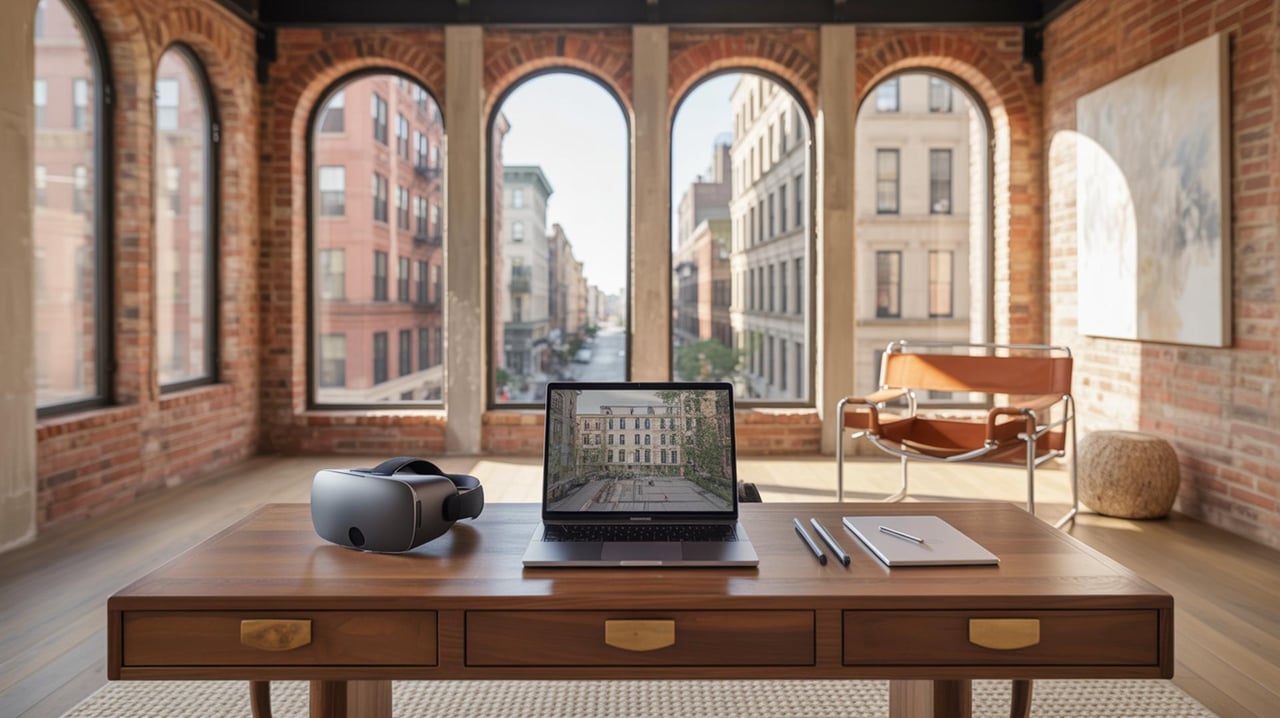
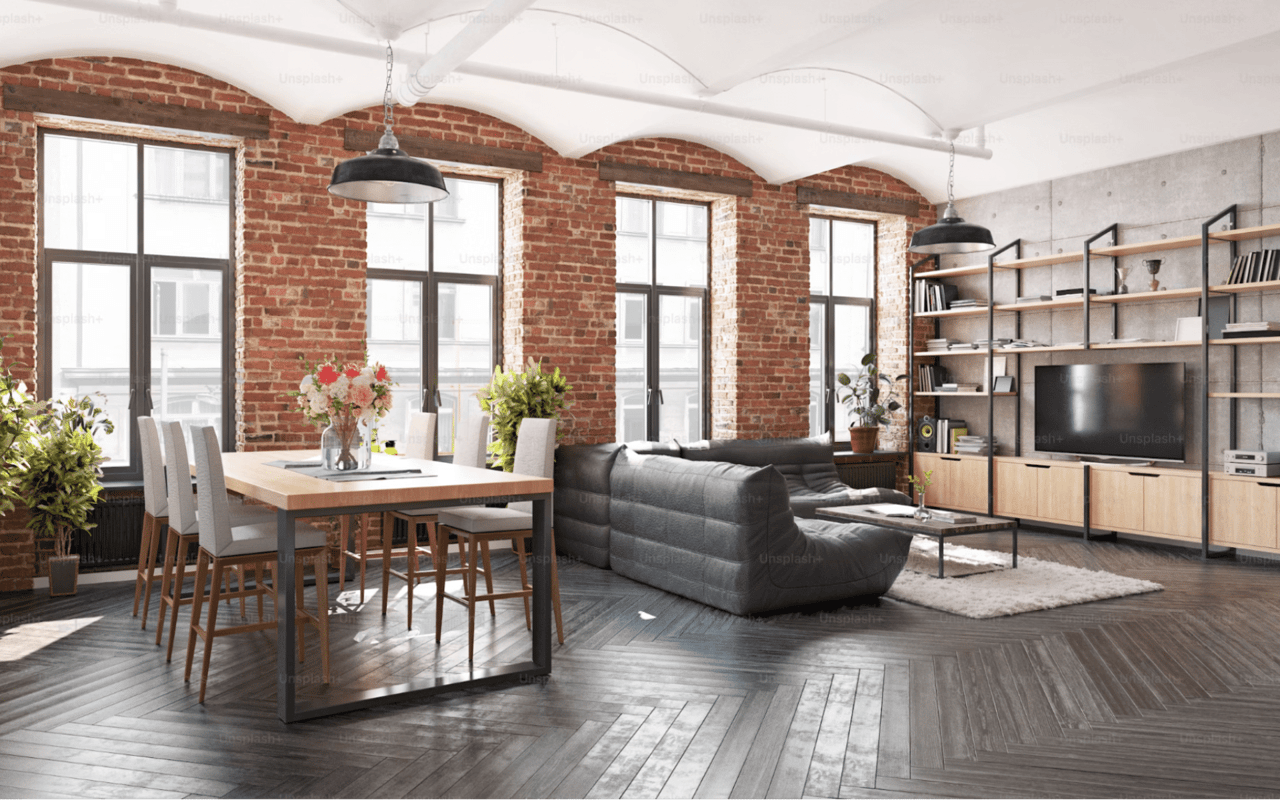
NYC Planning describes SoHo’s historic core as largely made up of five- to seven-story cast-iron and masonry loft buildings from the mid- to late-19th century. Another city environmental review notes that many loft-style buildings in the area are three to eight stories tall and known for unusually high ceiling heights.
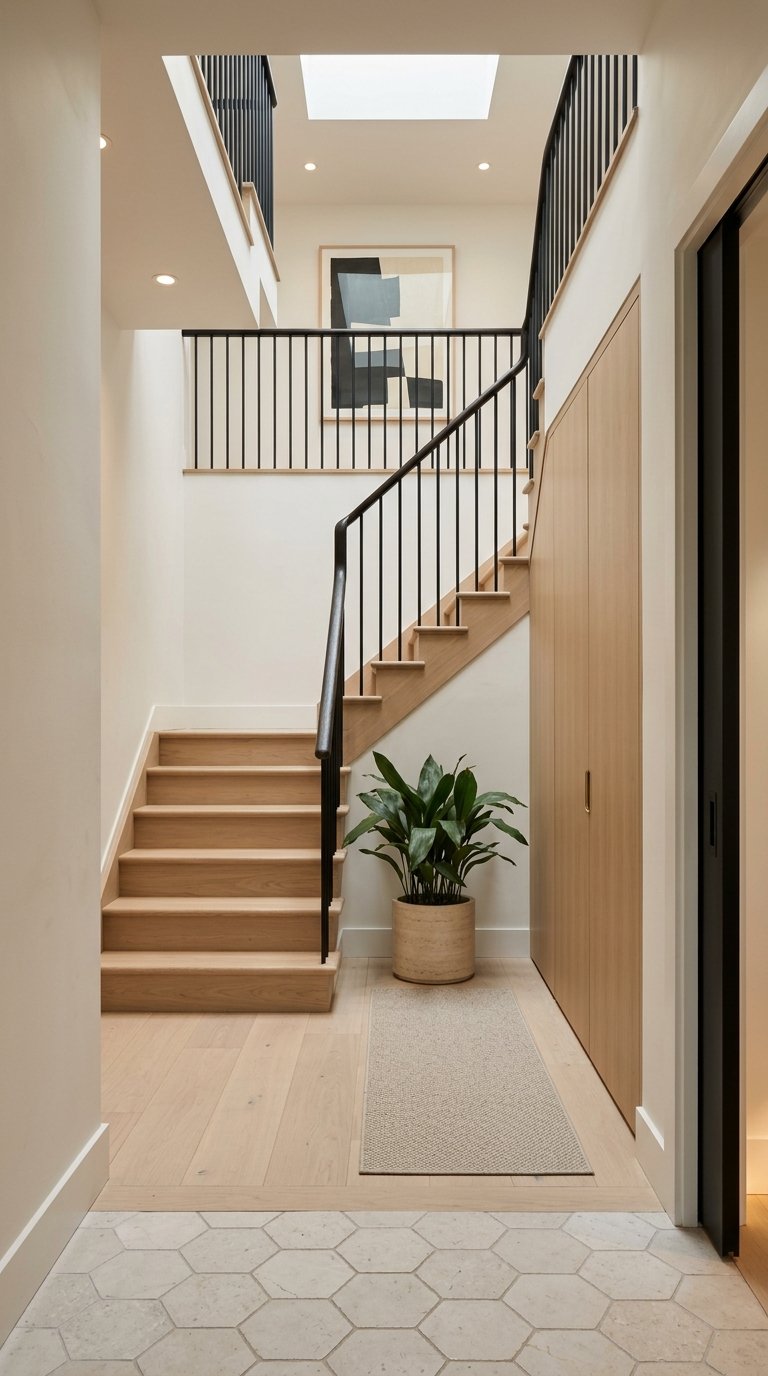
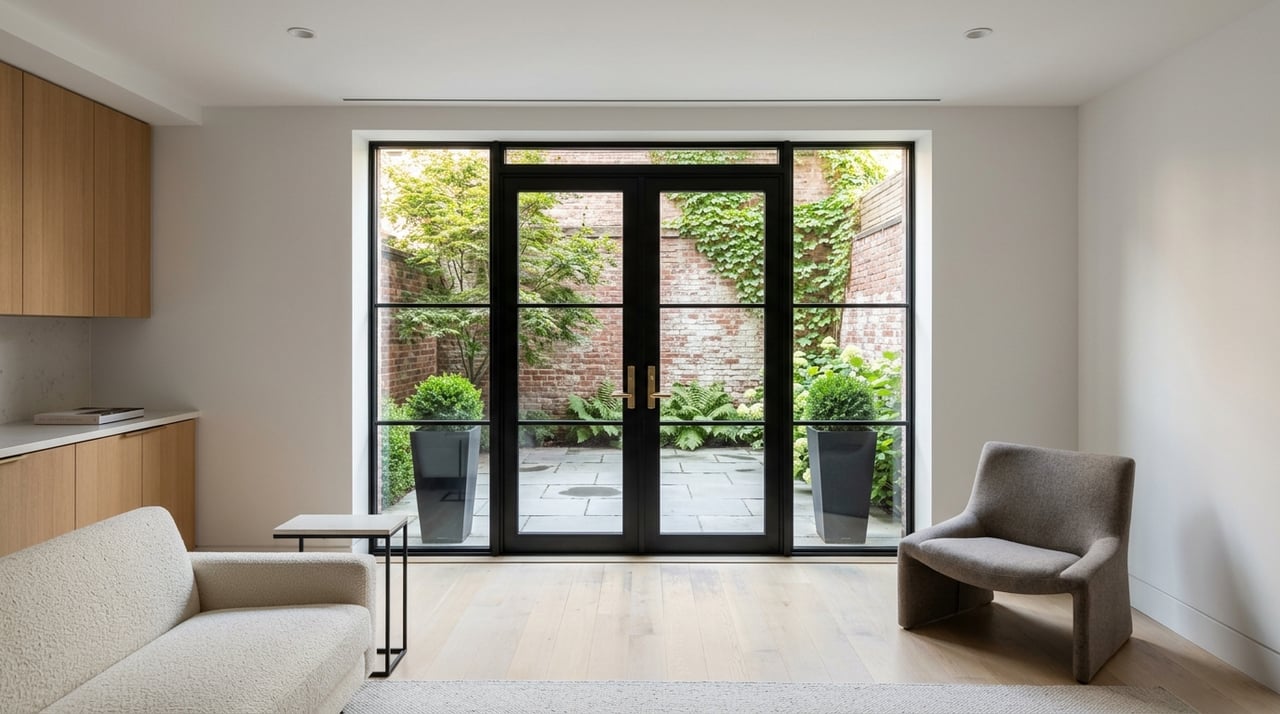
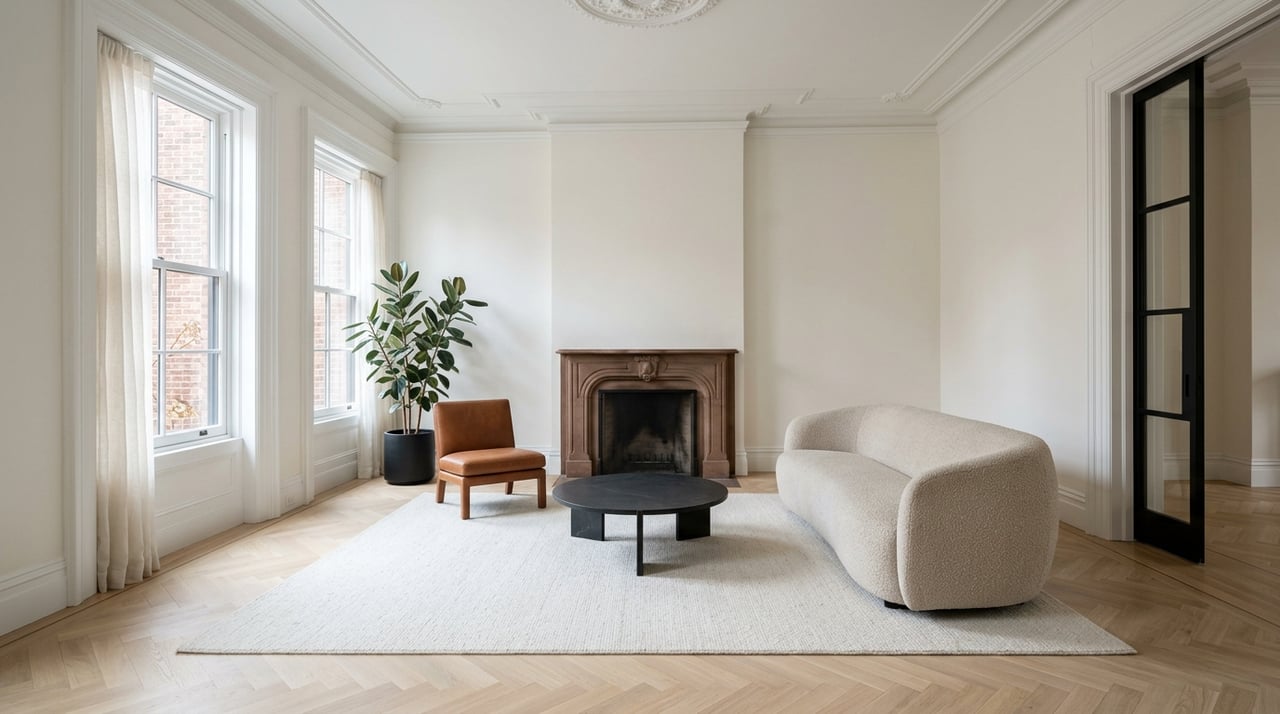
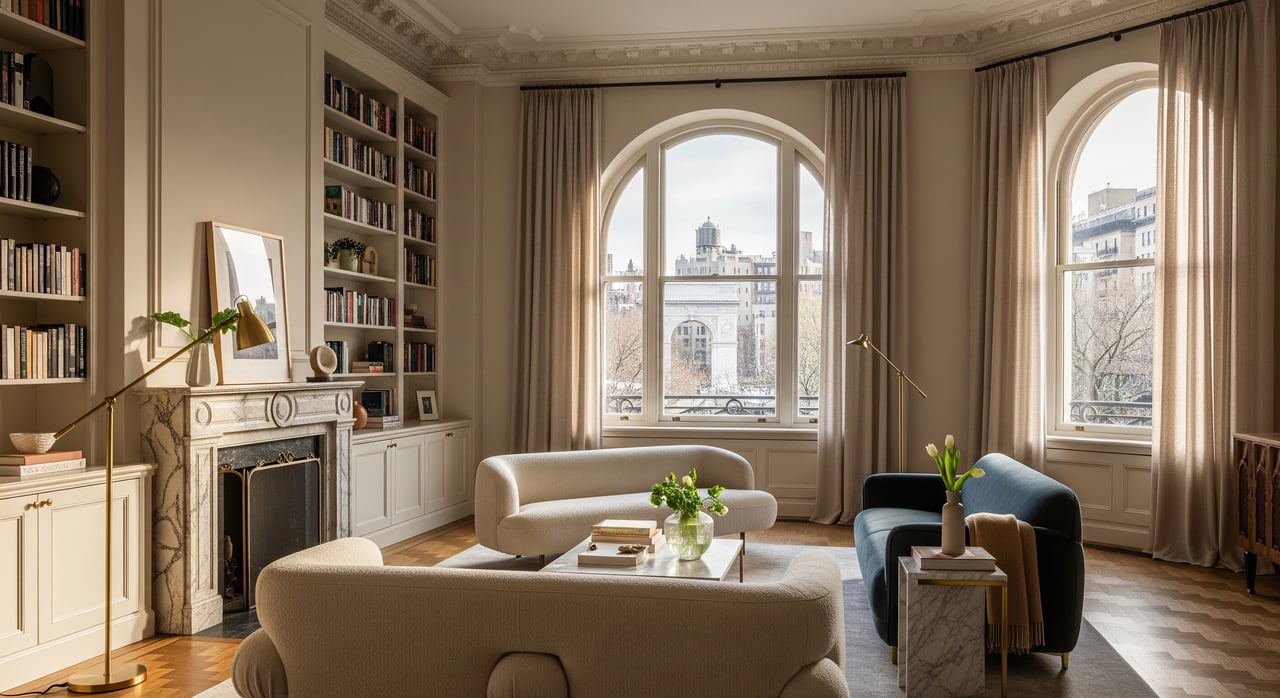
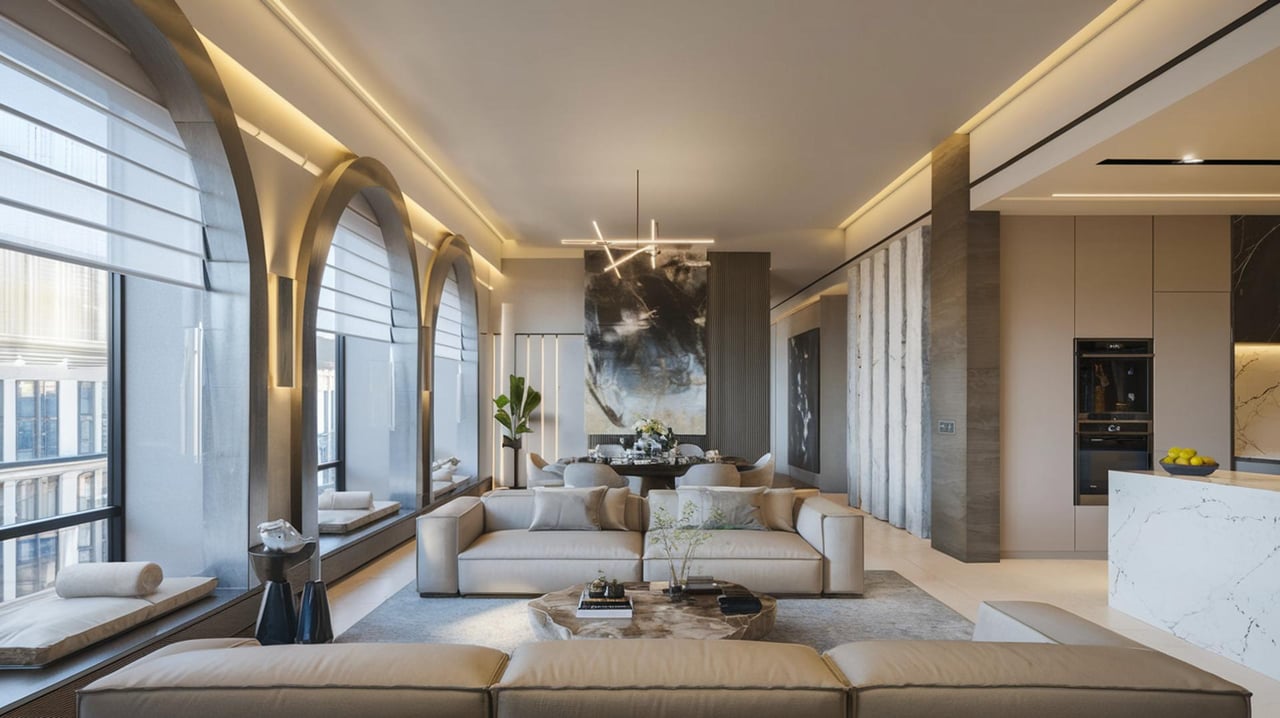
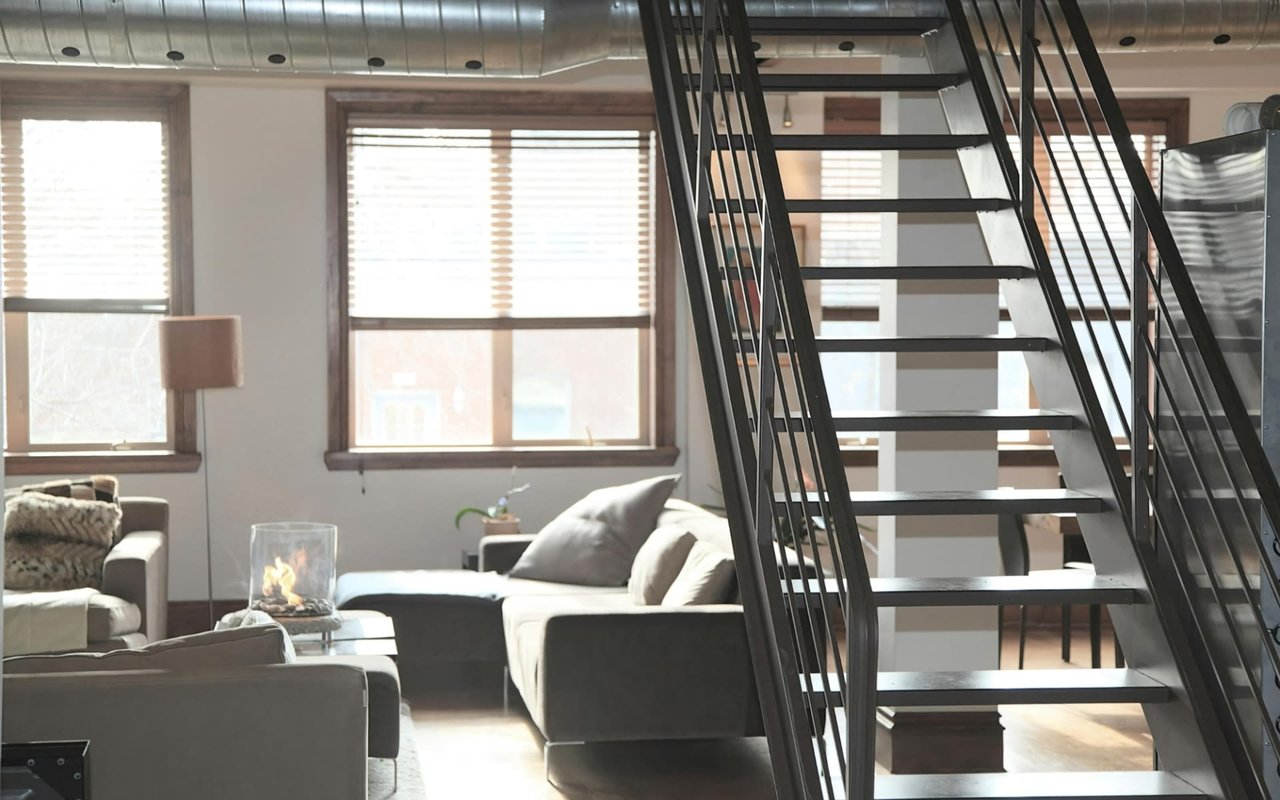
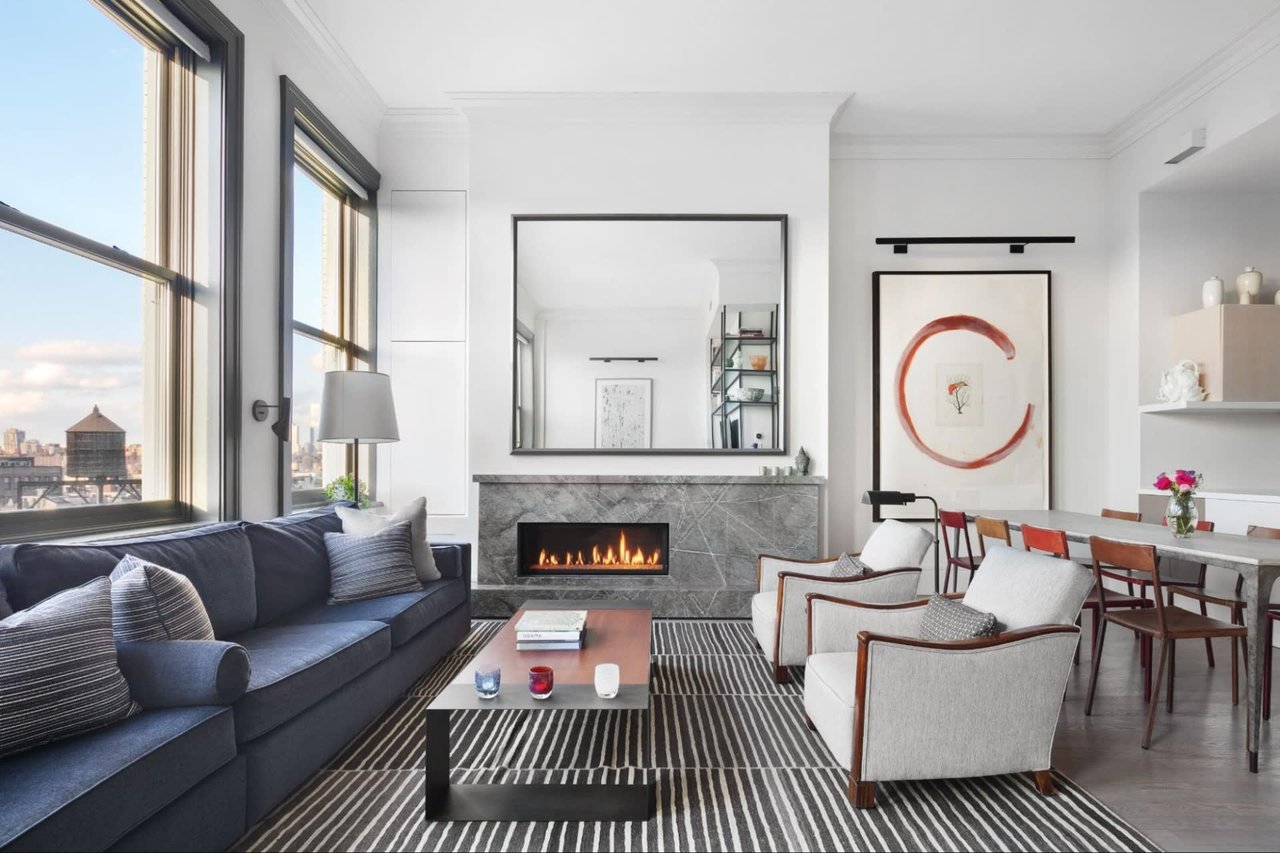
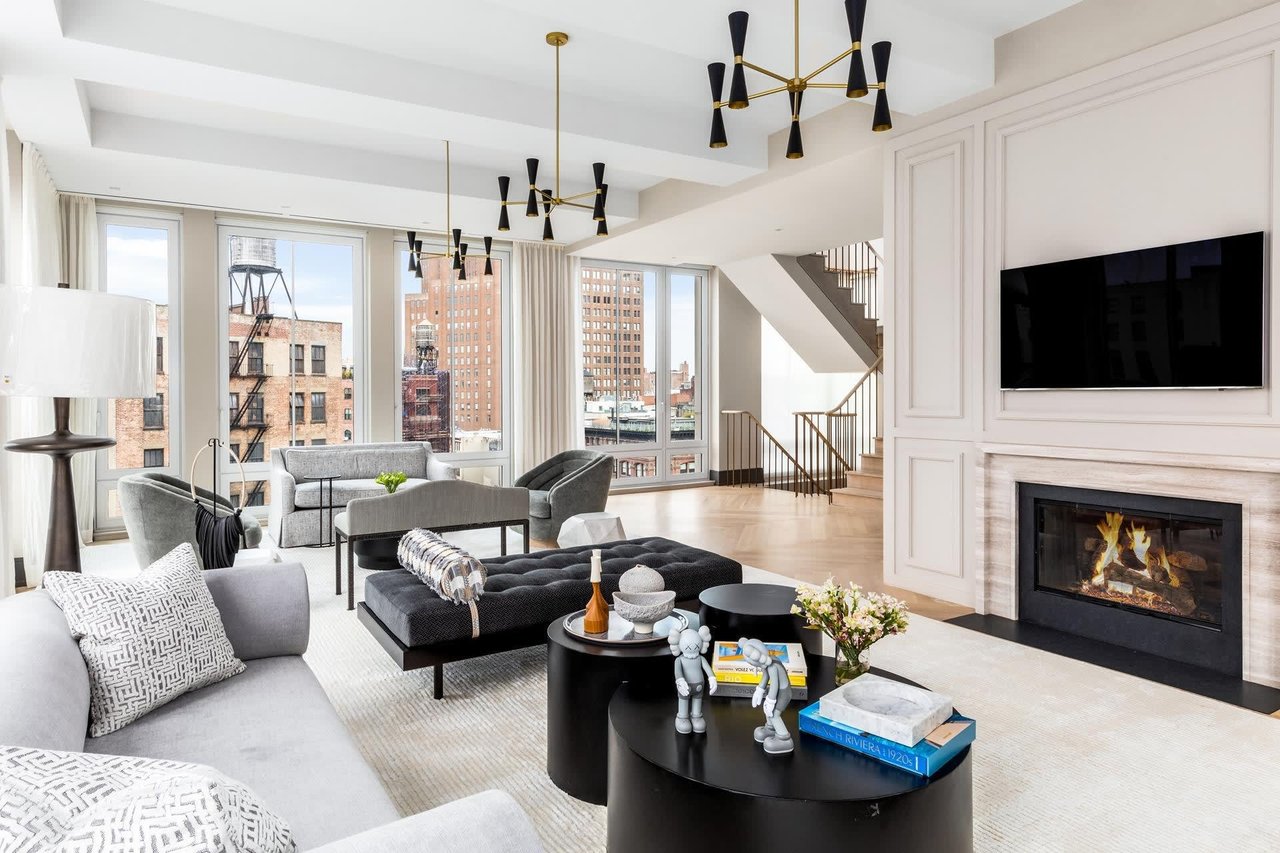
For you, that can translate into expansive volumes, oversized windows, and a sense of openness that feels very different from a conventional residential tower. Much of SoHo’s appeal comes from those proportions and that industrial heritage.
A More Open, Street-Connected Feel
Living above the shops in SoHo often means a building with a strong commercial base and upper floors that may include residential units, office space, or live-work uses. The experience is less insulated than in a newer, fully residential condominium.
That connection to the street is part of the neighborhood’s identity. For some buyers, it is exactly the point. For others, it can feel more exposed and active than they want at home.
Landmark Protections Matter
Preservation is part of everyday life in SoHo, not just a design detail. Because much of the neighborhood falls within the SoHo Cast Iron Historic District, exterior changes and new construction are subject to Landmarks Preservation Commission review.
For residents, that helps preserve the visual character that makes the area so distinctive. It also means the neighborhood’s architectural identity tends to remain front and center, from cast-iron facades to consistent street walls and historic building forms.
Not Every SoHo Block Feels the Same
One of the biggest mistakes you can make is thinking all of SoHo offers the same living experience. It does not. The block you choose can meaningfully shape your day-to-day life.
Broadway Feels More Commercial
Broadway is one of SoHo’s major commercial corridors and a major employment hub, with larger floorplates and a high concentration of destination retail. If you live near Broadway, you are likely to feel the neighborhood’s busiest side more directly.
That can mean stronger retail energy, heavier foot traffic, and a more intense street presence. For some residents, that immediacy is exciting. For others, it may feel like too much activity too close to home.
Historic Core Blocks Feel More Mixed
The historic core tends to read as more balanced, with a mix of residential, commercial, and office uses rather than a single dominant retail identity. You still get the energy of SoHo, but often with a slightly different rhythm than the Broadway corridor.
If you want the loft character and walkability of the neighborhood without being in the center of its largest shopping concentration, these block-level distinctions are worth paying close attention to.
Canal Street Has Its Own Pace
Canal Street functions as a shopping corridor with a different kind of street life again. It is active in its own way and does not necessarily offer the same residential feel as other parts of SoHo.
That is why broad neighborhood labels are not enough here. In SoHo, a few blocks can change the pace, the sound, and the overall feel of living above the street.
Who This Lifestyle Tends to Suit
Living above the shops in SoHo tends to work best if you enjoy being immersed in the neighborhood rather than buffered from it. This is a strong fit for buyers or renters who value architecture, walkability, access to shopping and galleries, and the visual energy of a downtown district that stays active through the day.
It may be less appealing if you prioritize curbside quiet, minimal loading activity, or a purely residential atmosphere. In that sense, SoHo asks you to decide what kind of city living you actually want, not just what looks good in a listing.
Questions to Ask Before You Commit
If you are seriously considering a SoHo home above retail, it helps to evaluate the building and block through a lifestyle lens, not just a design lens.
Here are a few smart questions to keep in mind:
- How active is the block during the day versus at night?
- Is the home near Broadway or another major commercial stretch?
- Are there restaurants or nightlife uses nearby that may affect evening noise?
- How does the building handle deliveries and service access?
- Does the apartment sit directly above active commercial space?
- Does the loft layout and building style match how you want to live every day?
These are the details that often separate a beautiful downtown home from the right downtown home.
Why SoHo Still Has Lasting Appeal
Even with its tradeoffs, SoHo remains one of Manhattan’s most recognizable loft neighborhoods for a reason. Its mix of historic architecture, cultural identity, retail access, and downtown energy is difficult to replicate elsewhere.
When the fit is right, living above the shops can feel cinematic, convenient, and deeply connected to the city. You are not just buying square footage. You are choosing a front-row seat to one of New York’s most distinct urban environments.
If you are considering a loft in SoHo and want a more nuanced read on building character, block-by-block feel, and lifestyle fit, At the Firm offers private, highly tailored guidance rooted in deep downtown expertise.
FAQs
What does living above the shops in SoHo usually feel like?
- It usually feels active, walkable, and connected to the street, with regular pedestrian traffic, commercial activity, and a loft-style building environment rather than a quiet, fully residential setting.
Are SoHo loft buildings mostly modern towers?
- No. City planning materials describe SoHo’s historic core as largely made up of older cast-iron and masonry loft buildings, many with tall ceilings and strong industrial-era character.
Is every block in SoHo equally busy?
- No. Broadway is generally more commercial and dense, while other parts of the historic core feel more mixed-use, and Canal Street has a different street rhythm again.
Do deliveries affect residential life in SoHo buildings?
- They can. City planning materials note that many historic buildings lack interior loading berths, which can make loading and unloading more noticeable on certain blocks.
Who is a good fit for living above the shops in SoHo?
- This lifestyle often suits people who value architecture, walkability, retail and gallery access, and a downtown setting that stays visually and socially active throughout the day.