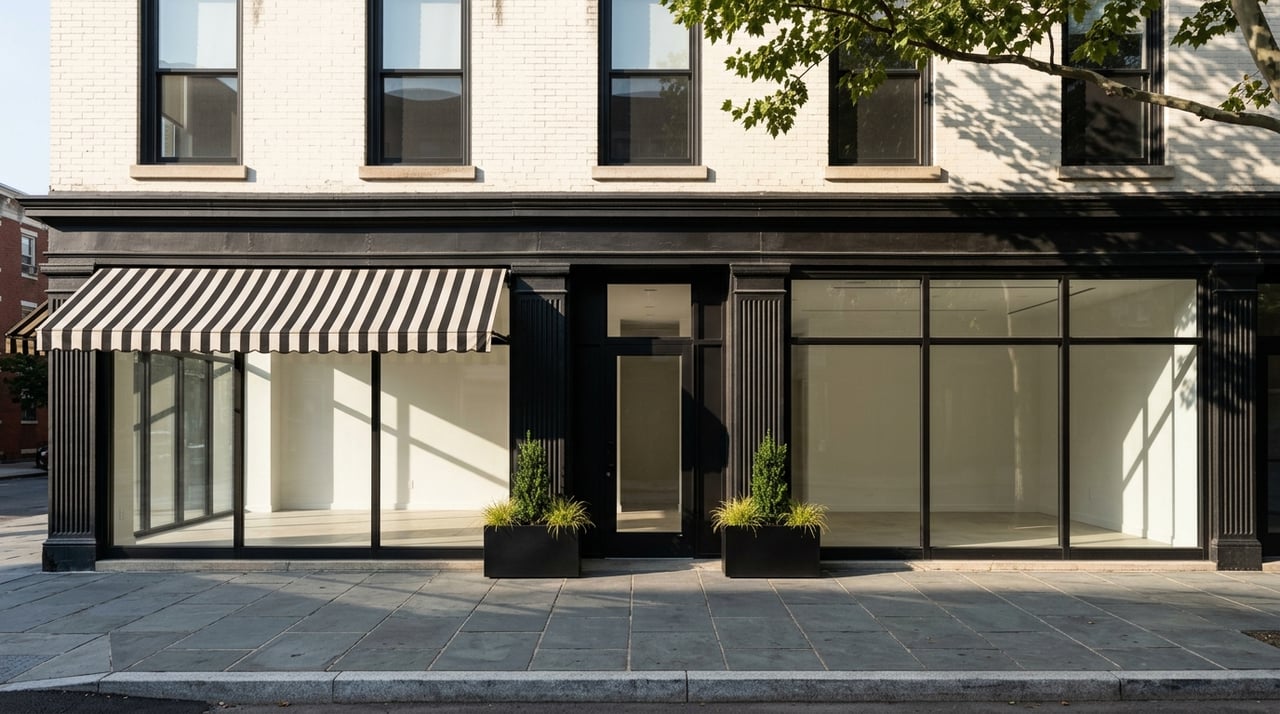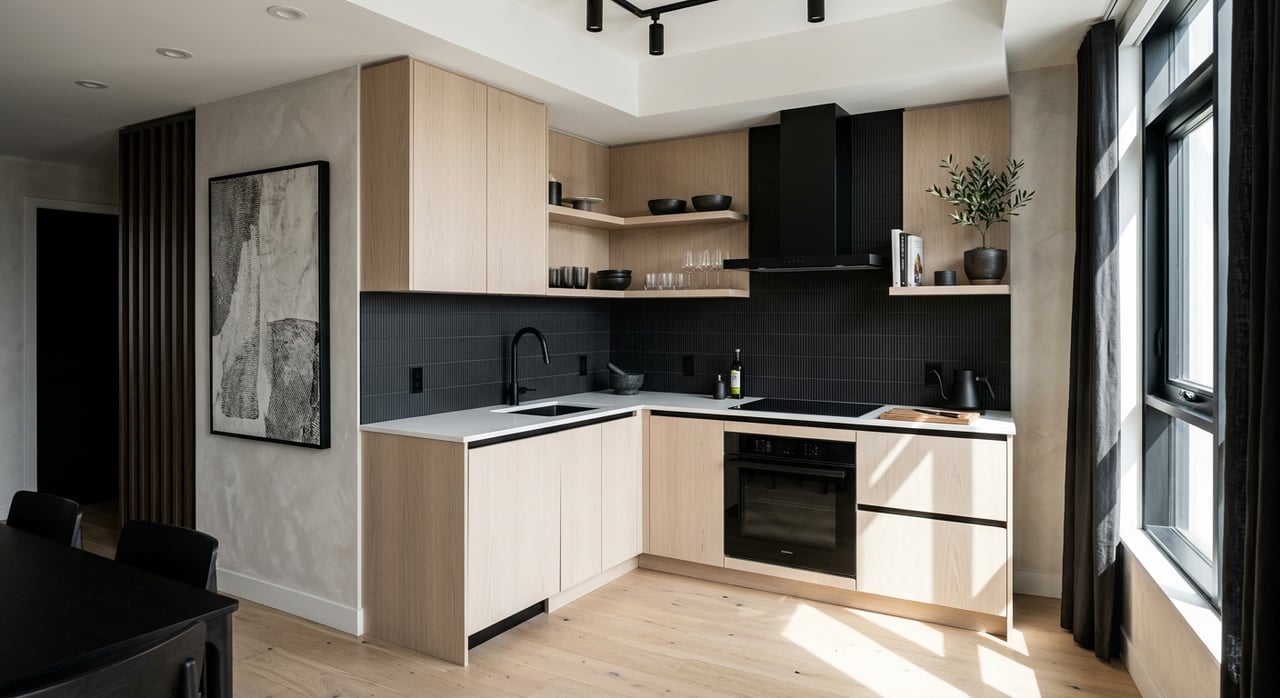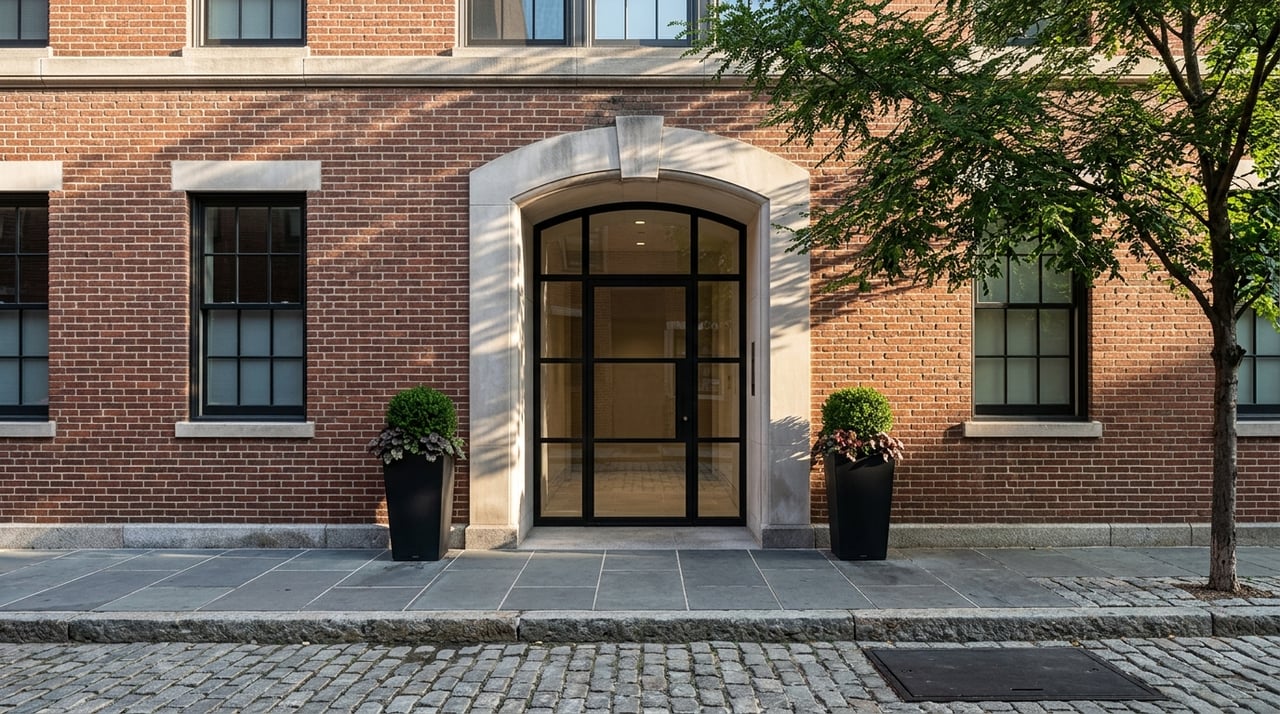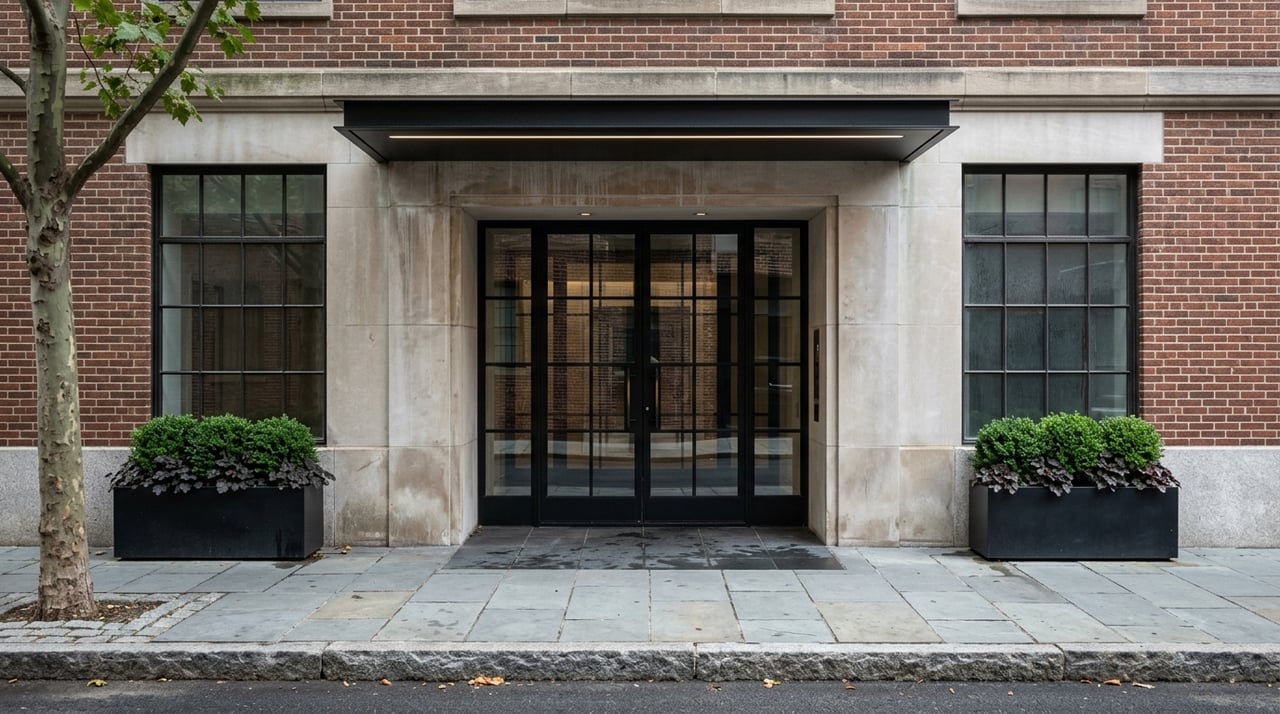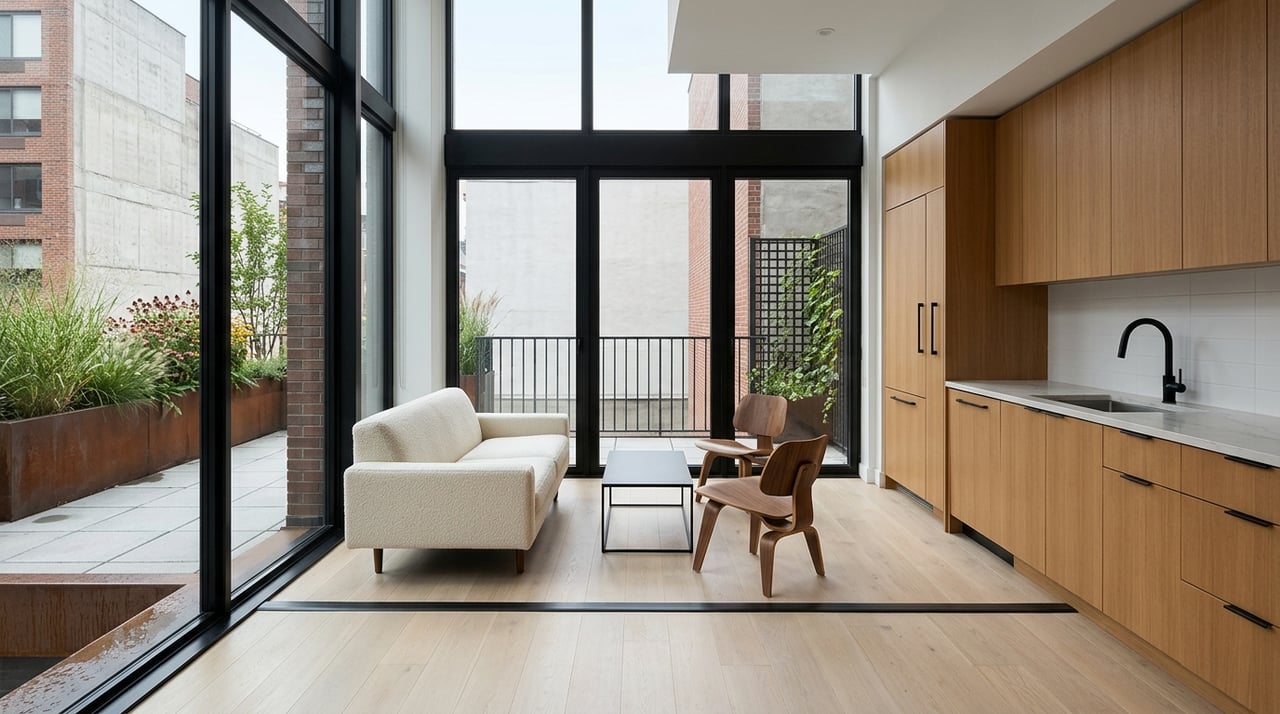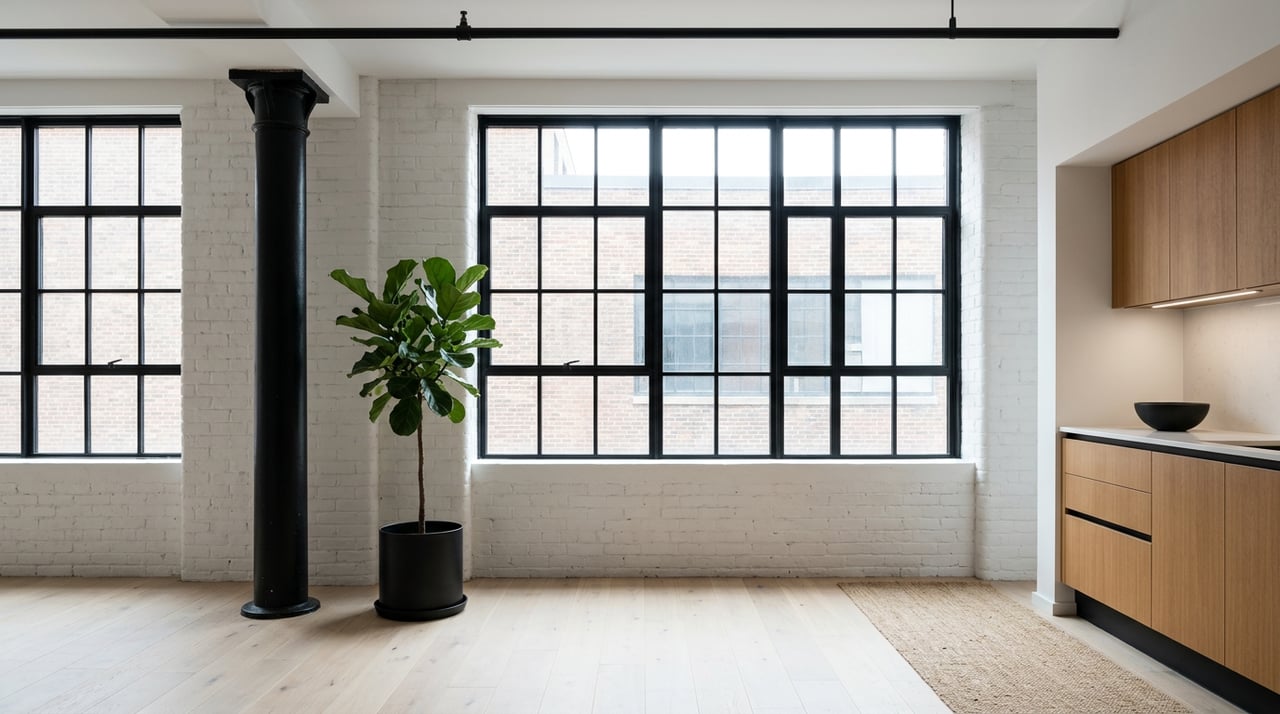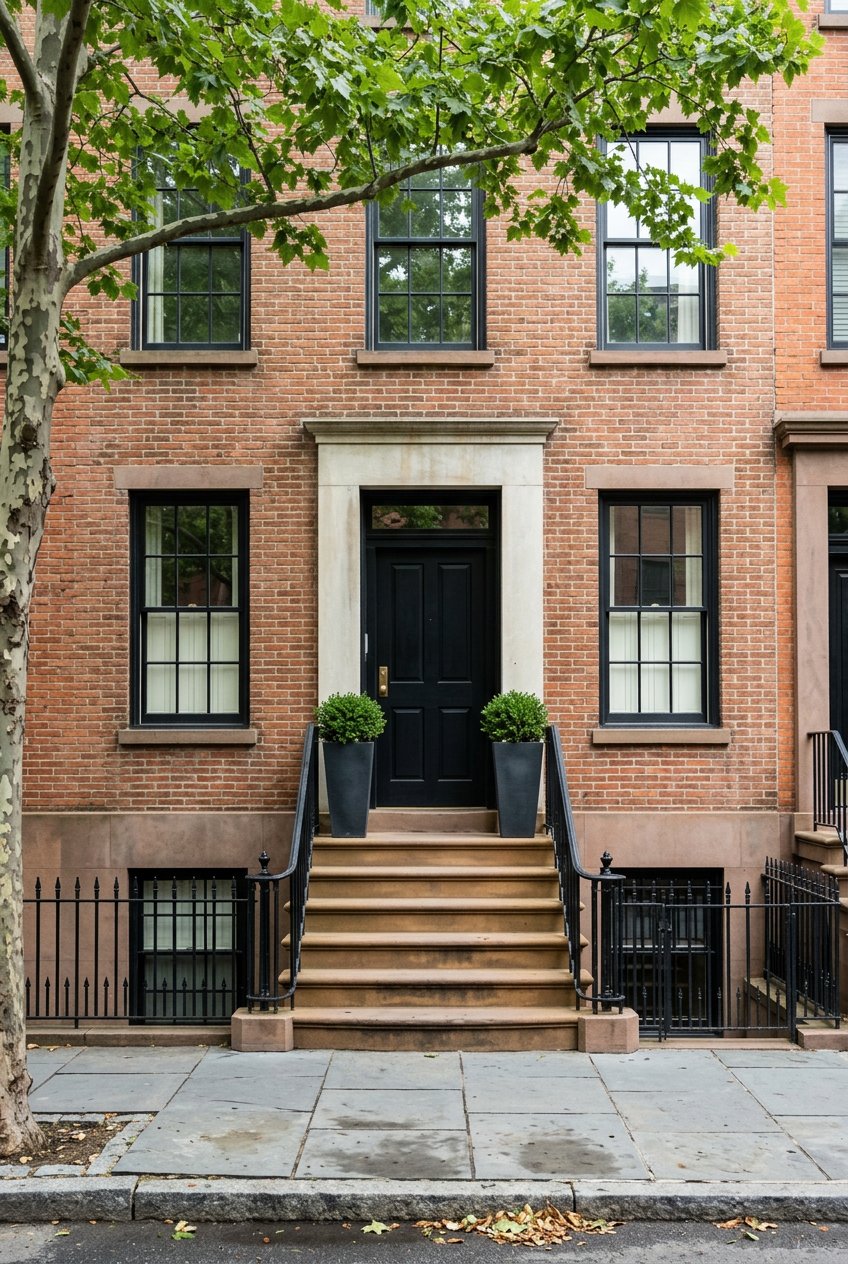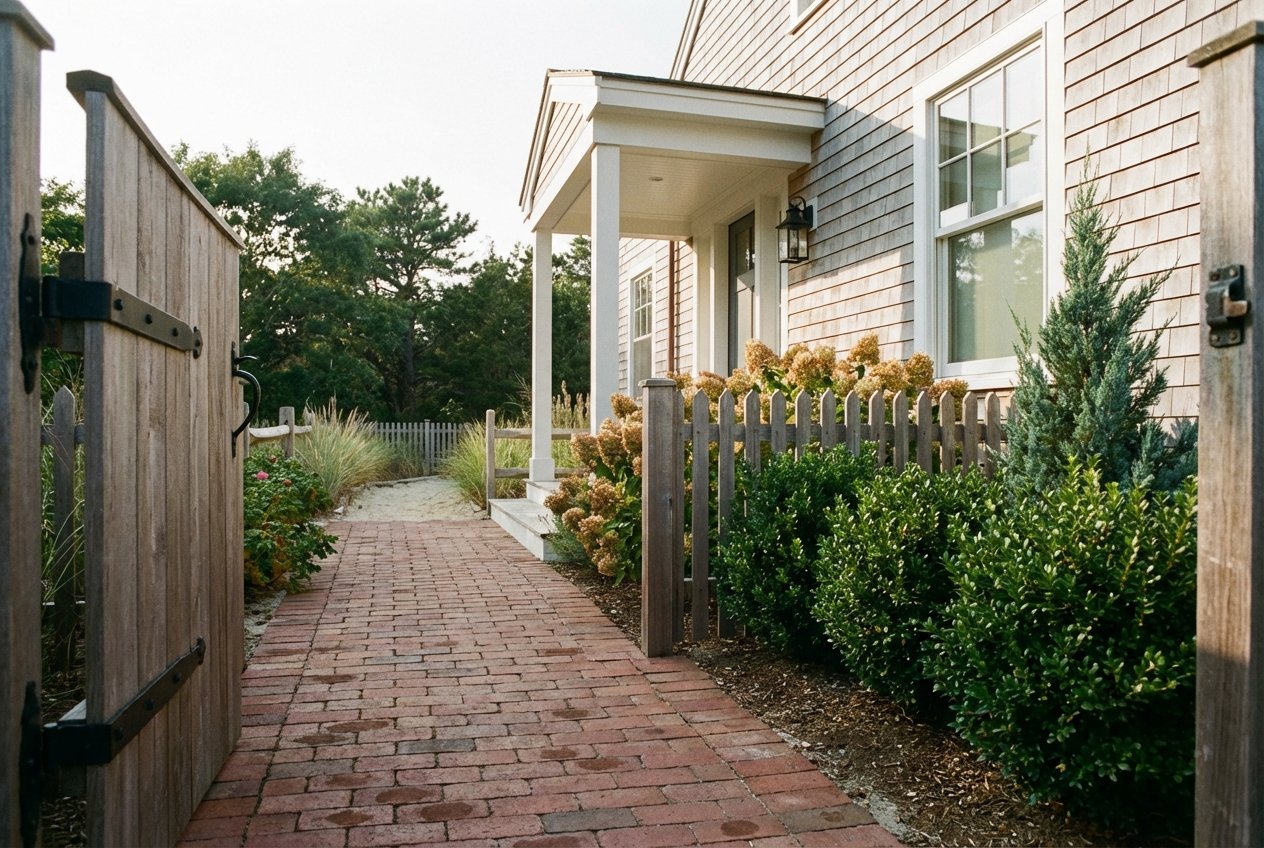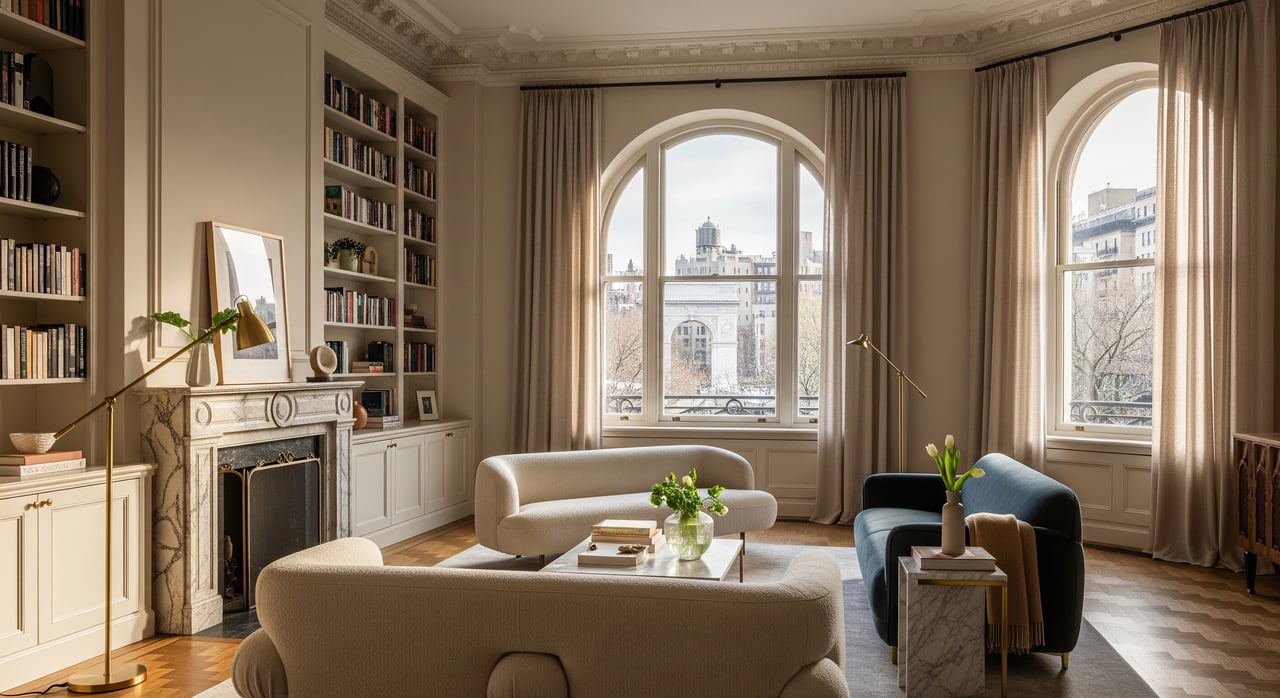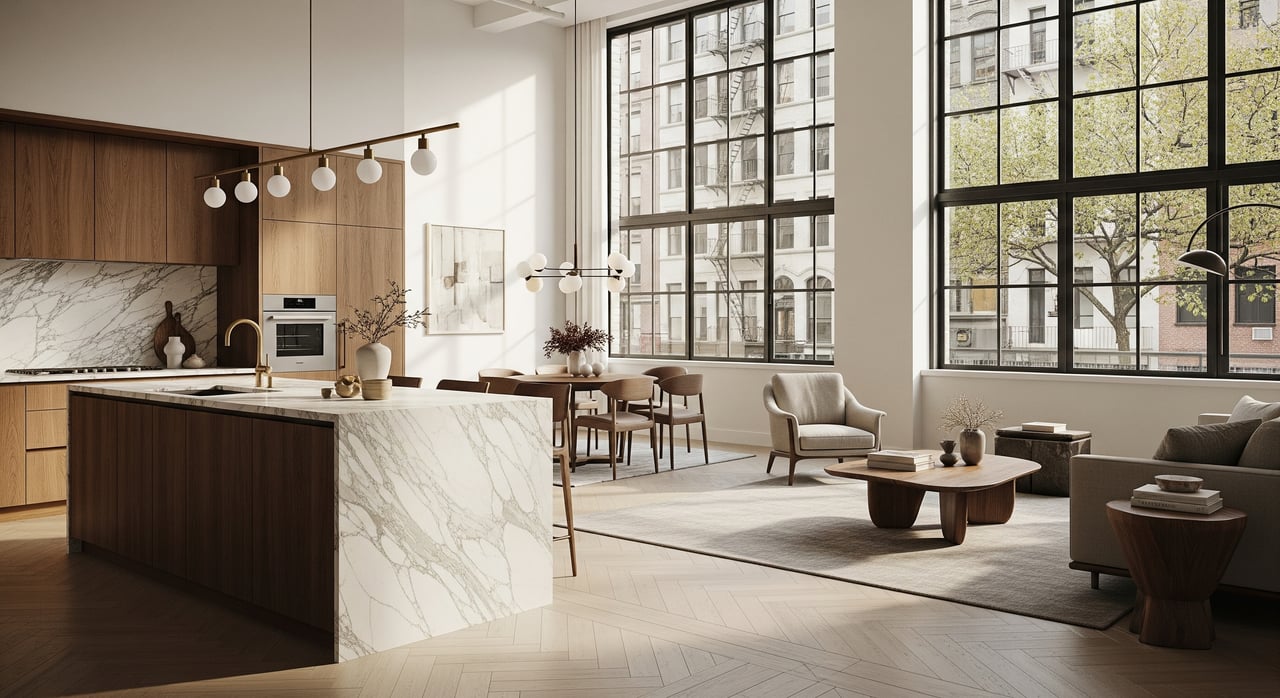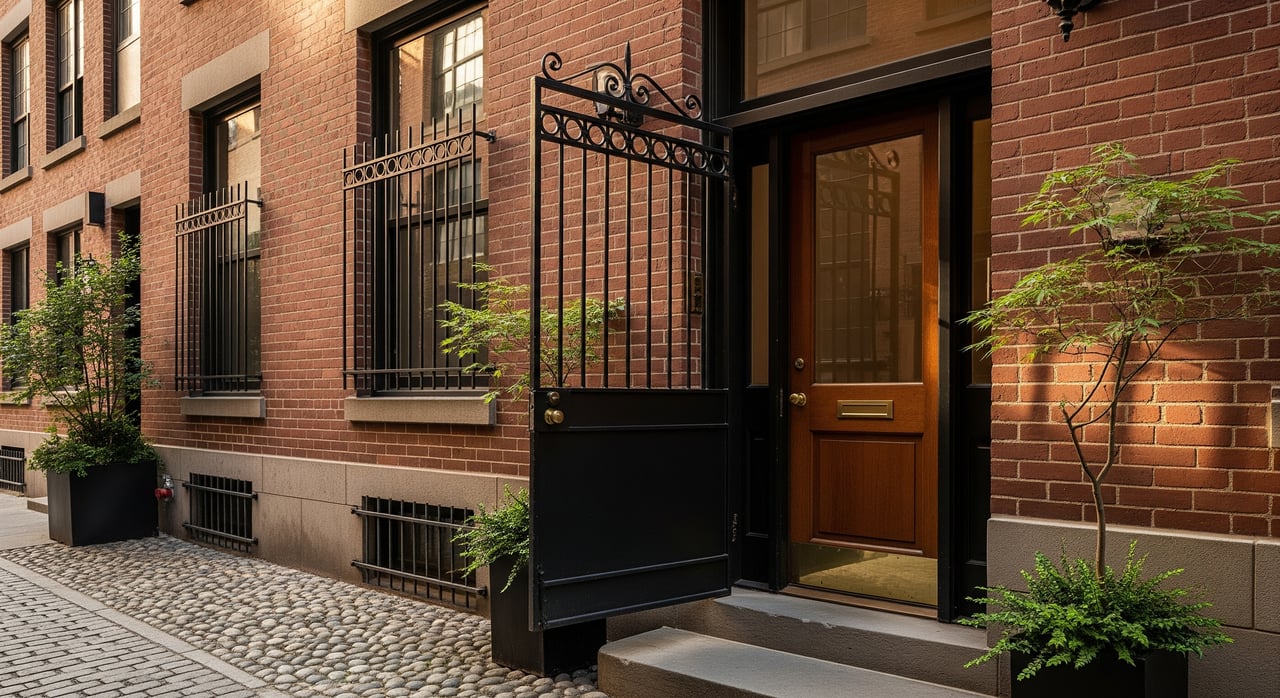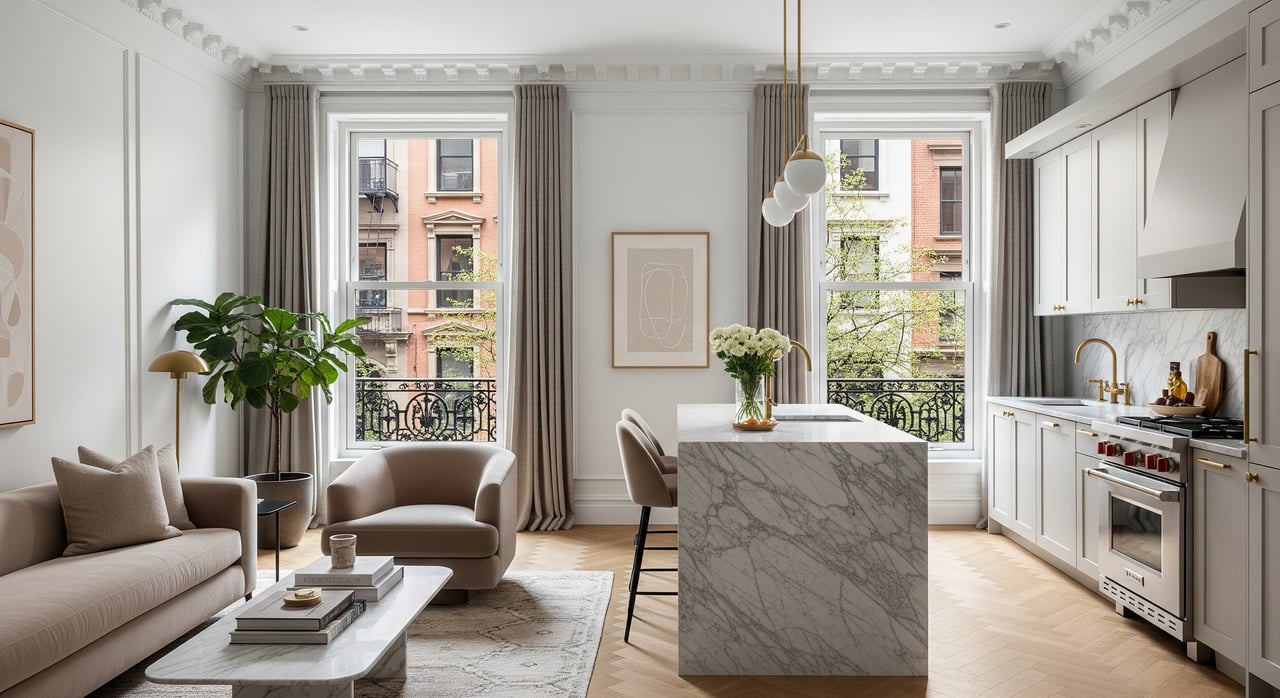
Finding true quiet in Manhattan can feel like chasing a myth. Yet in the West Village, some homes offer a softer version of city living, one where your windows look onto planted courtyards, rear gardens, or tucked-away open space instead of the full rhythm of the street. If you are drawn to the neighborhood’s charm but want a more private daily experience, this is where the search gets interesting. Let’s dive in.
Why Quiet Feels Different Here
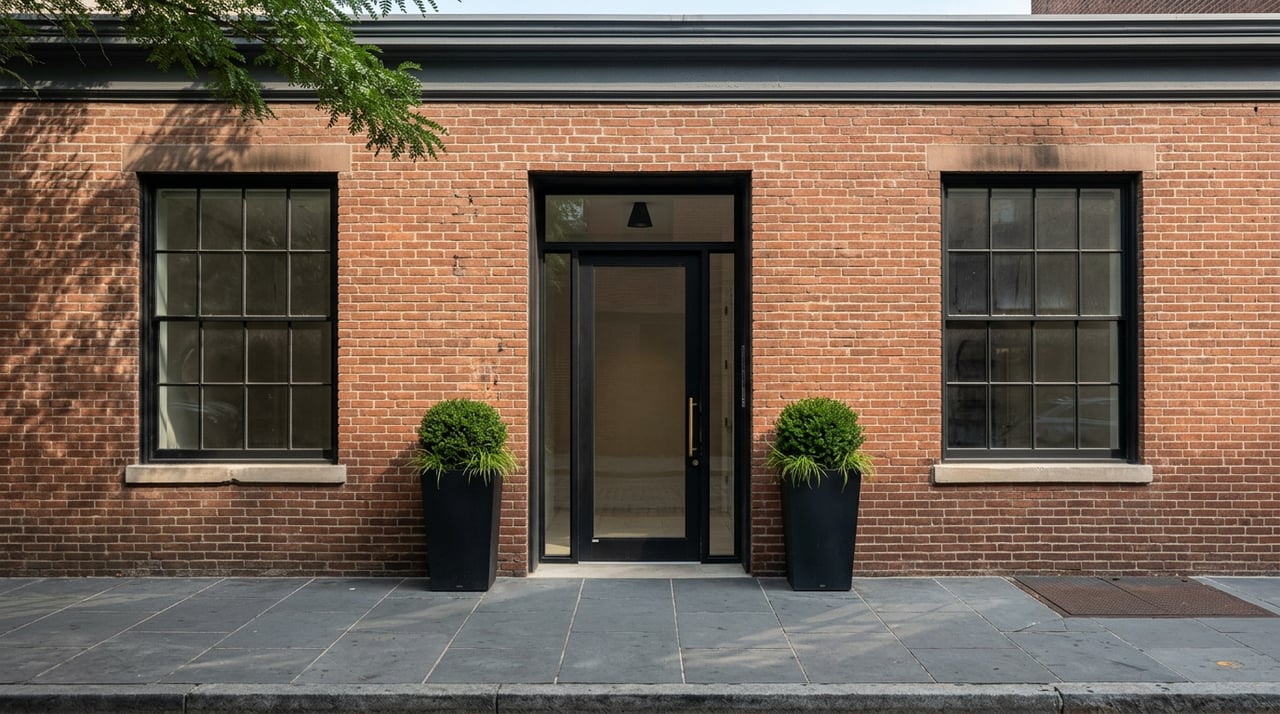
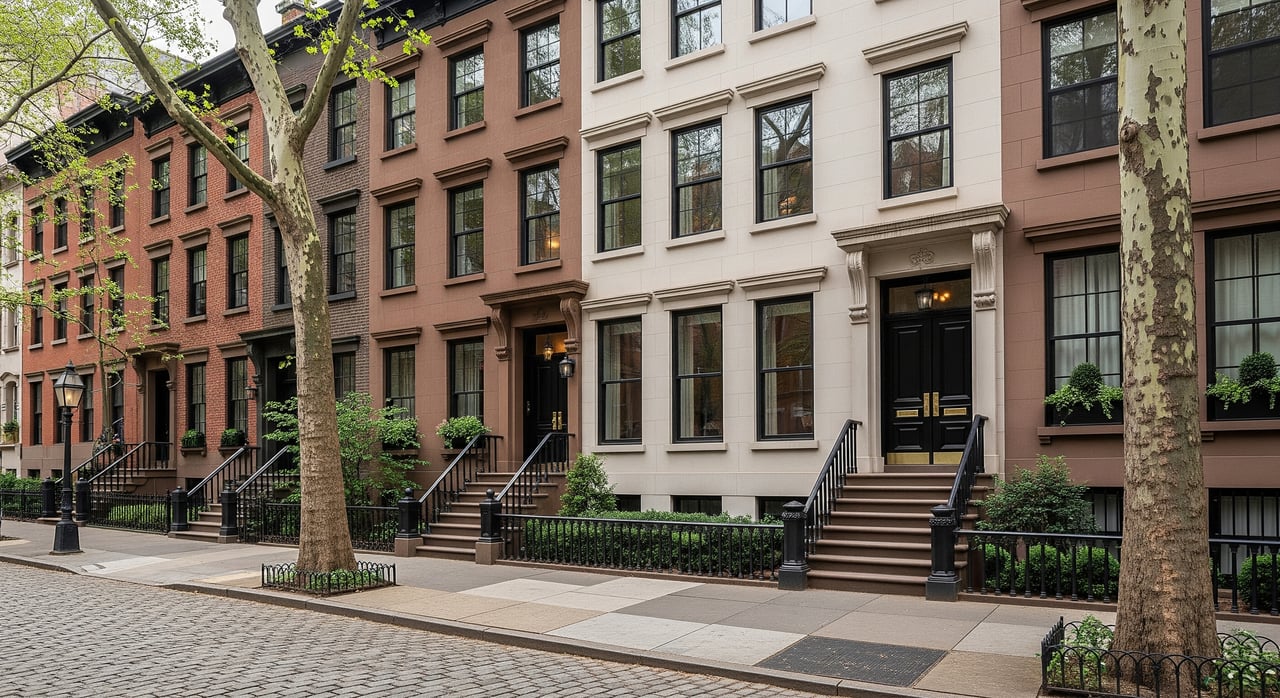
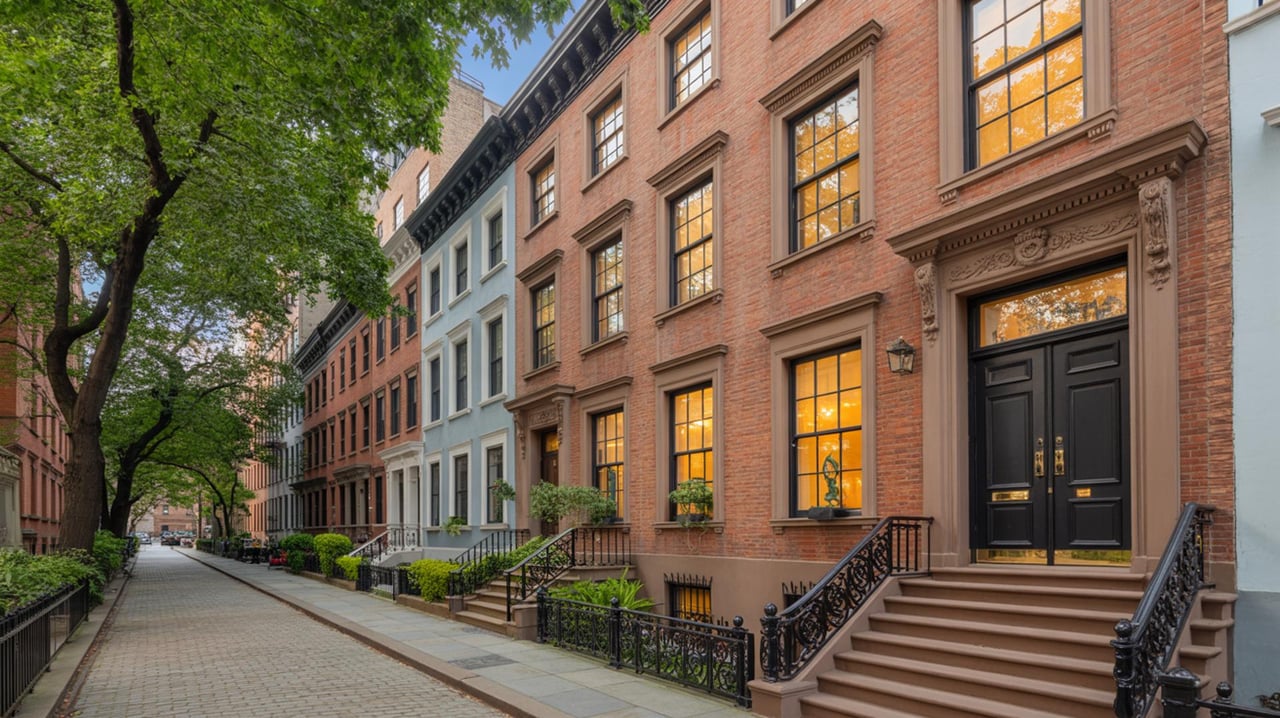
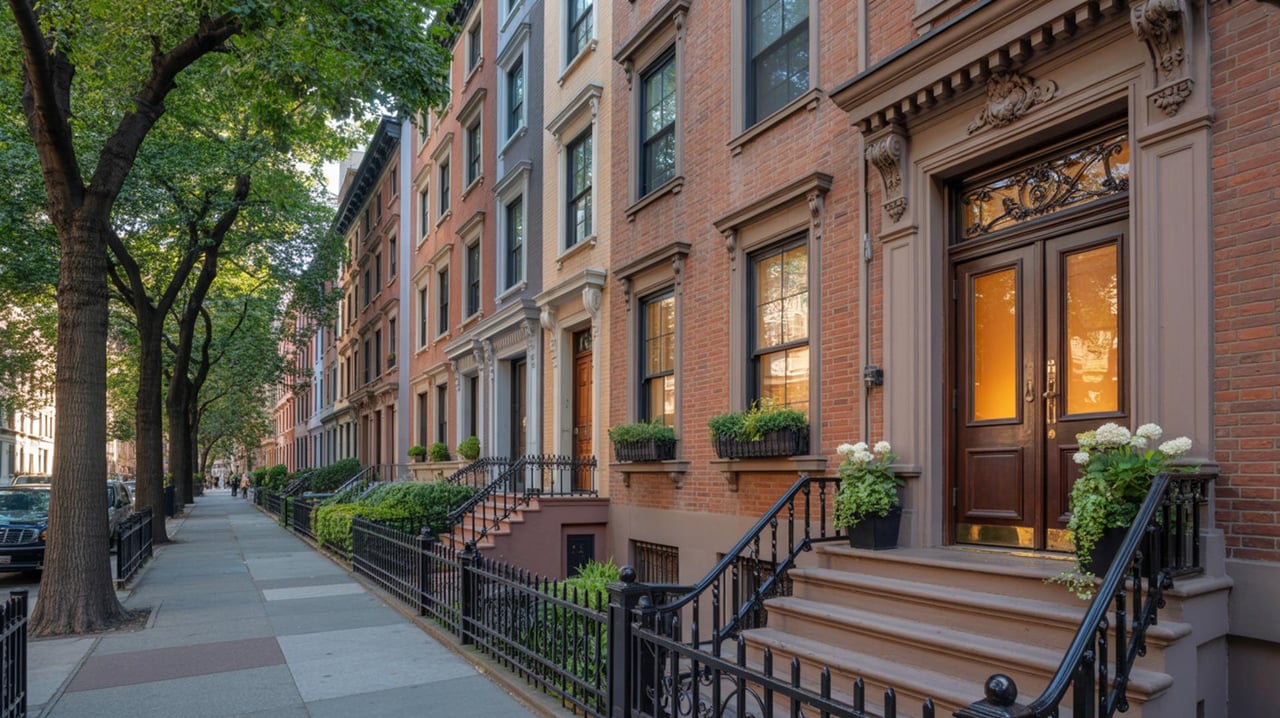
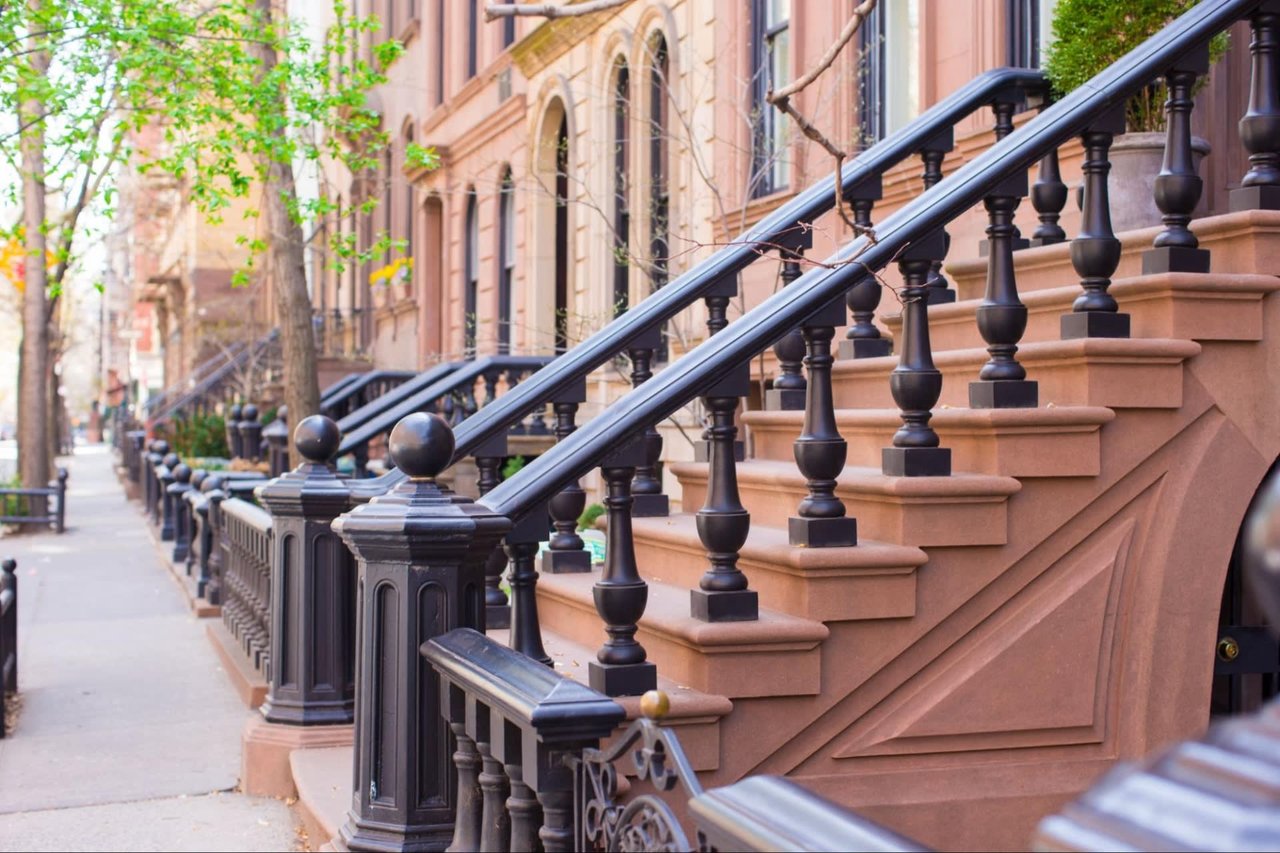
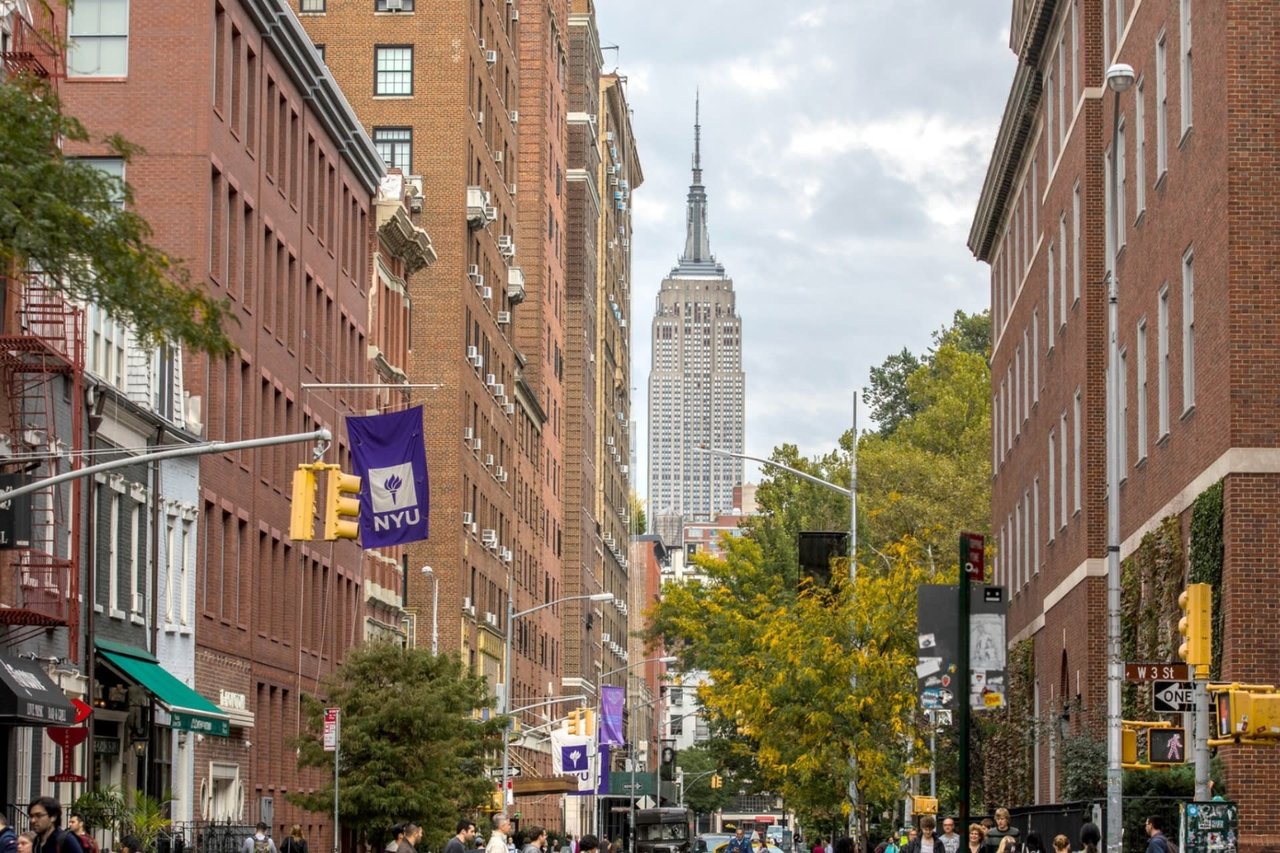
The West Village stands apart because so much of its character comes from its preserved, low-rise fabric. The Greenwich Village Historic District remains the largest historic district in New York City, with more than 2,000 buildings across 65 blocks, and the far-west waterfront section also sits within the Greenwich Village Historic District Extension.
That historic framework helps explain why garden-facing homes can feel especially appealing here. Instead of relying on height and skyline drama, many homes lean into intimacy, scale, and a more tucked-away relationship to the block.
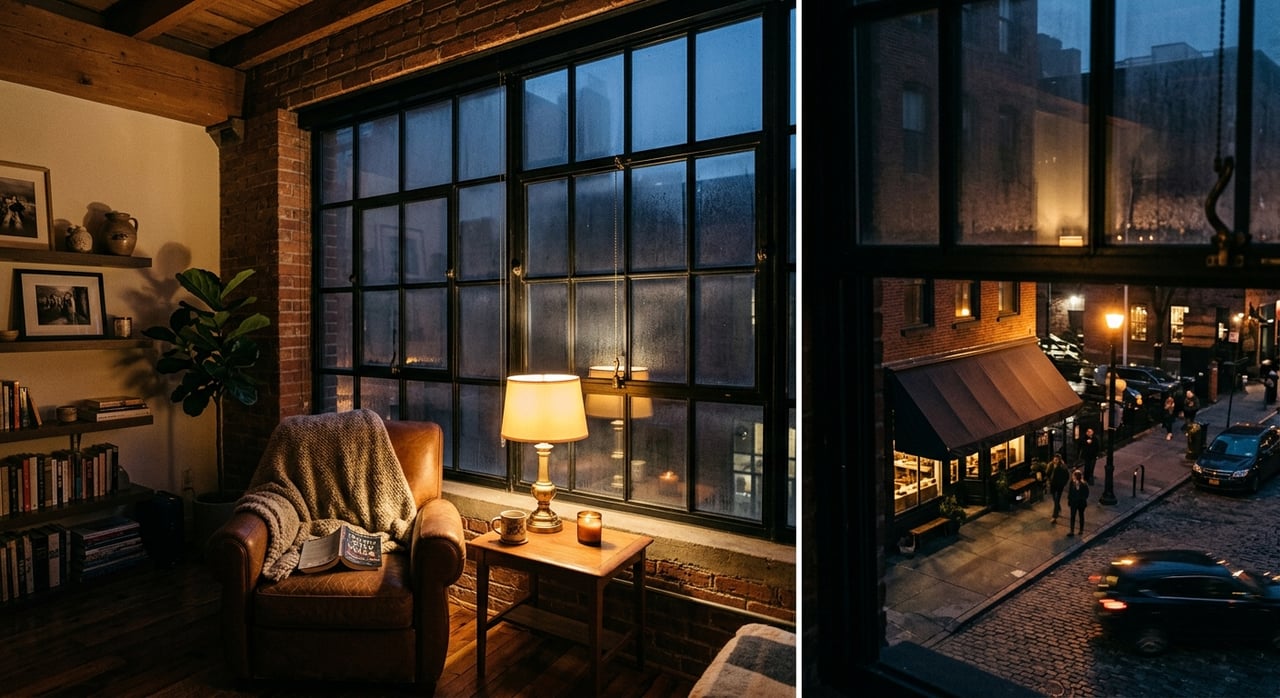
In daily life, that often means you can still enjoy the neighborhood’s walkable, restaurant-rich energy without bringing all of that street exposure directly into your living room or bedroom. Quiet here is rarely absolute silence. It is more often a buffered calm.
What “Garden-Facing” Usually Means
In the West Village, “garden-facing” is less about one standard layout and more about how older buildings were originally arranged and later adapted. The housing stock includes early row houses, converted townhouses, purpose-built apartment buildings, tenements, warehouses, stables, and later residential conversions.
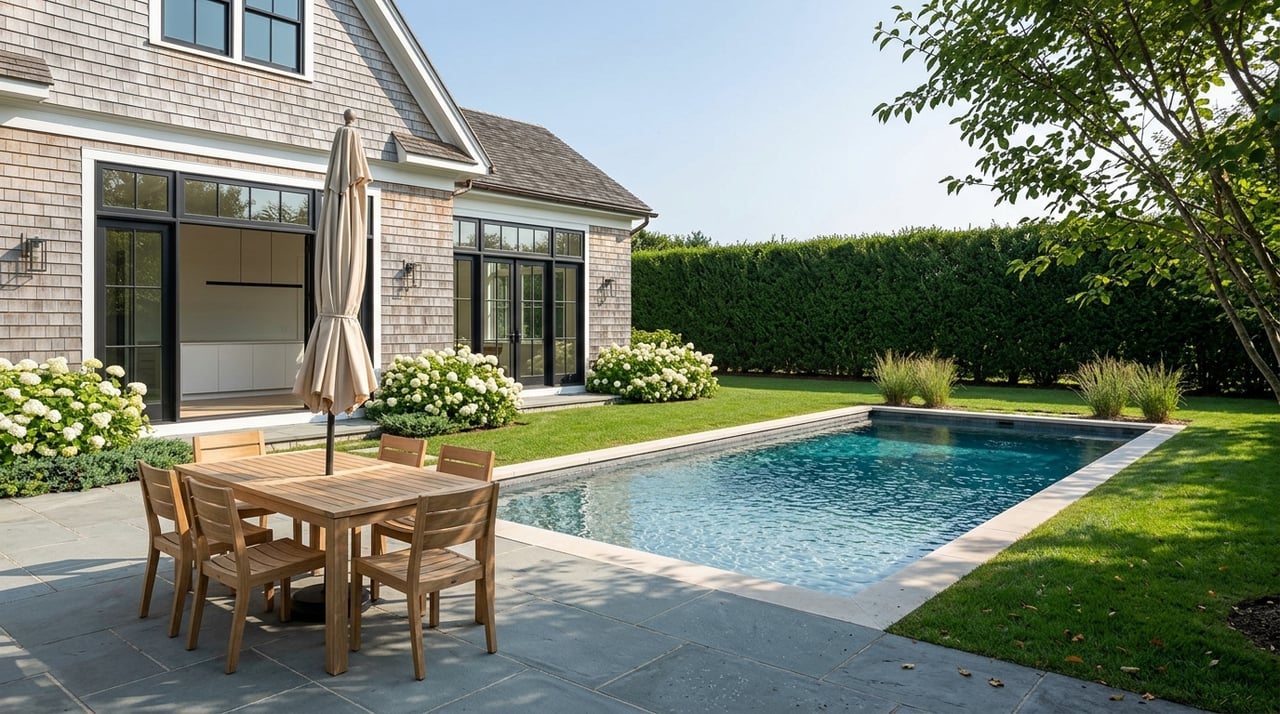
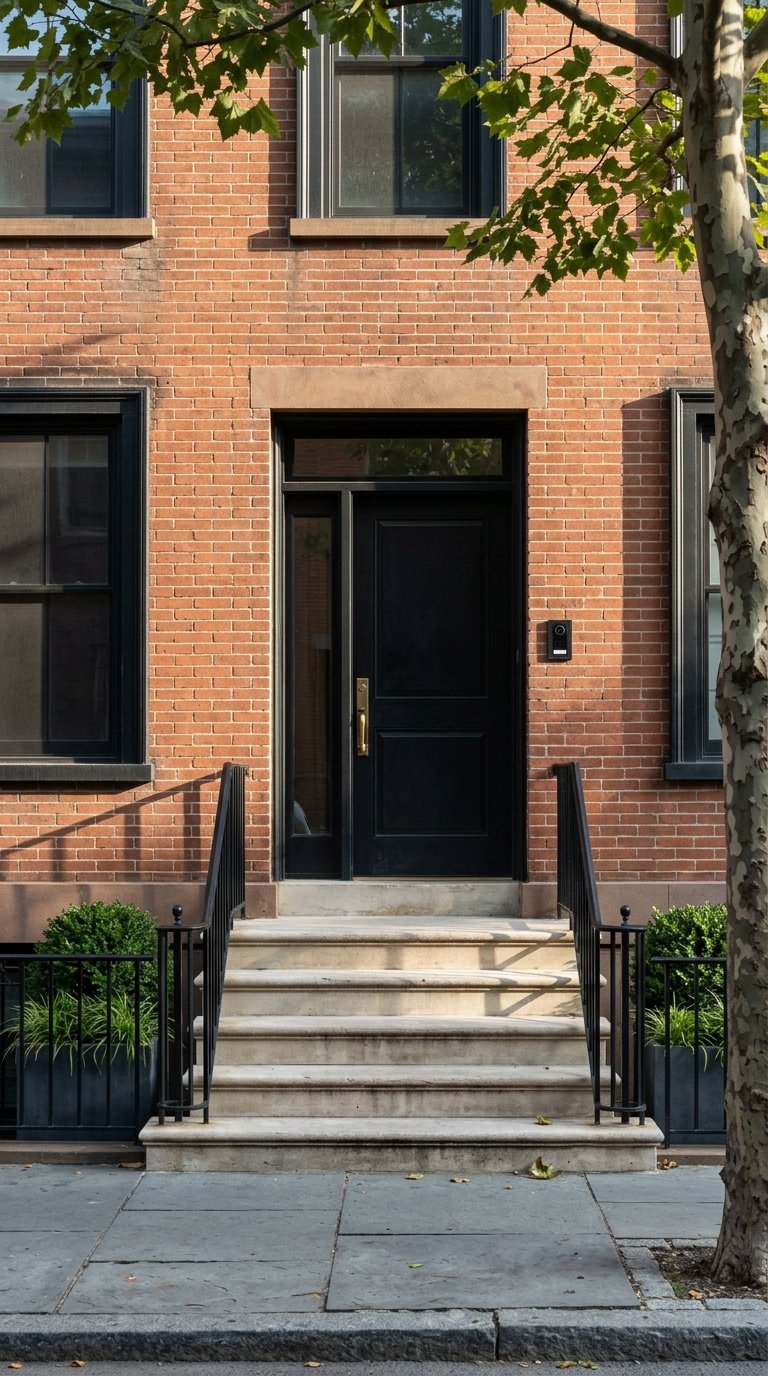
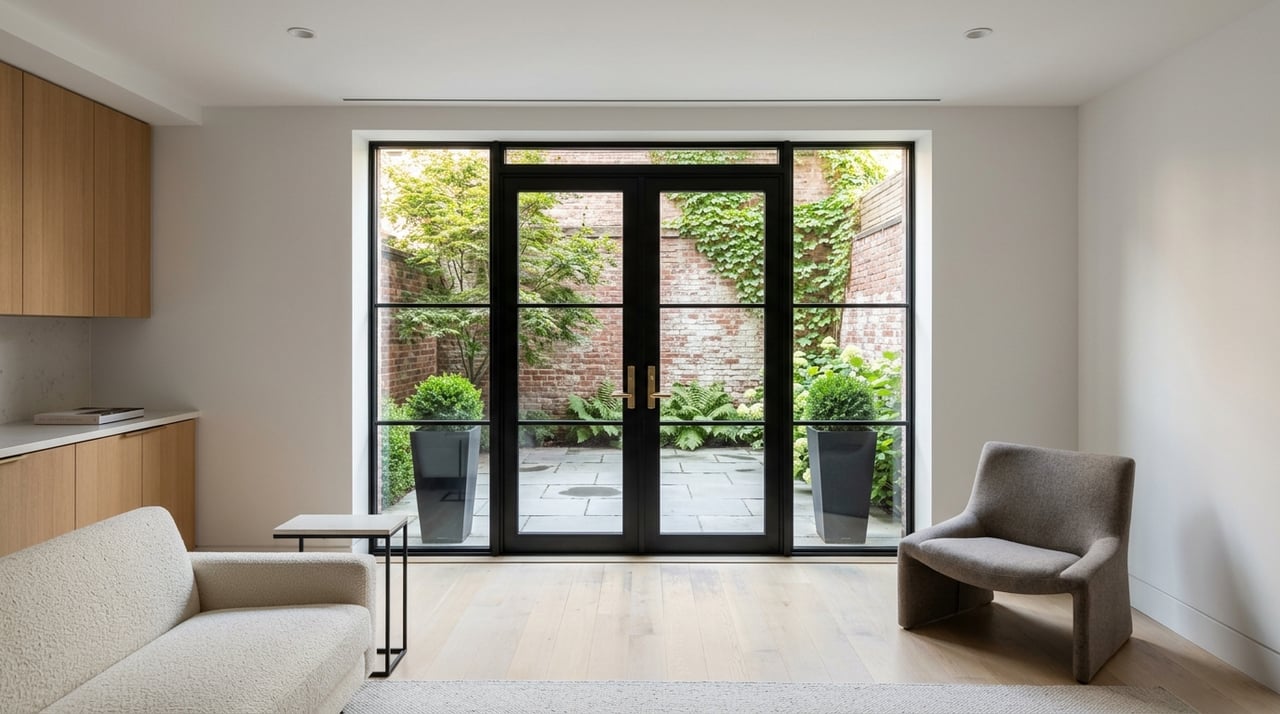
That layered history creates several home types buyers tend to encounter. Some apartments sit at the garden level below or just behind a stoop, while others have rear bedrooms or parlors that face inner courtyards, planted yards, or back-of-lot open space.
You may also see mews or carriage-house-style conversions with irregular floor plans and a more house-like feel. In certain cases, rear buildings that once served another purpose were later adapted into residences, which adds to the sense that these homes are tucked away from the street.
Common Home Types to Watch For
Garden-Level Apartments
These homes are often positioned below the stoop line or just behind it. Their appeal usually comes from privacy, easy access to outdoor-adjacent space, and a sheltered feel that can seem removed from the sidewalk.
Rear-Facing Bedrooms and Parlors
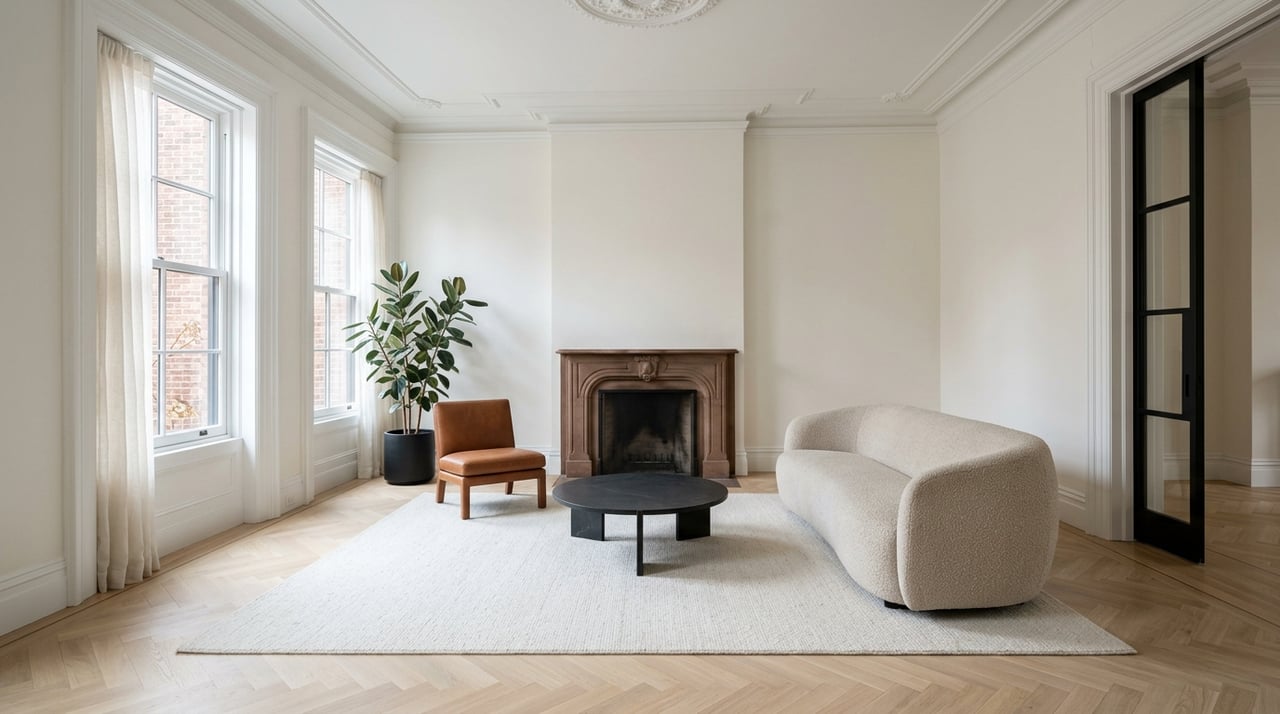
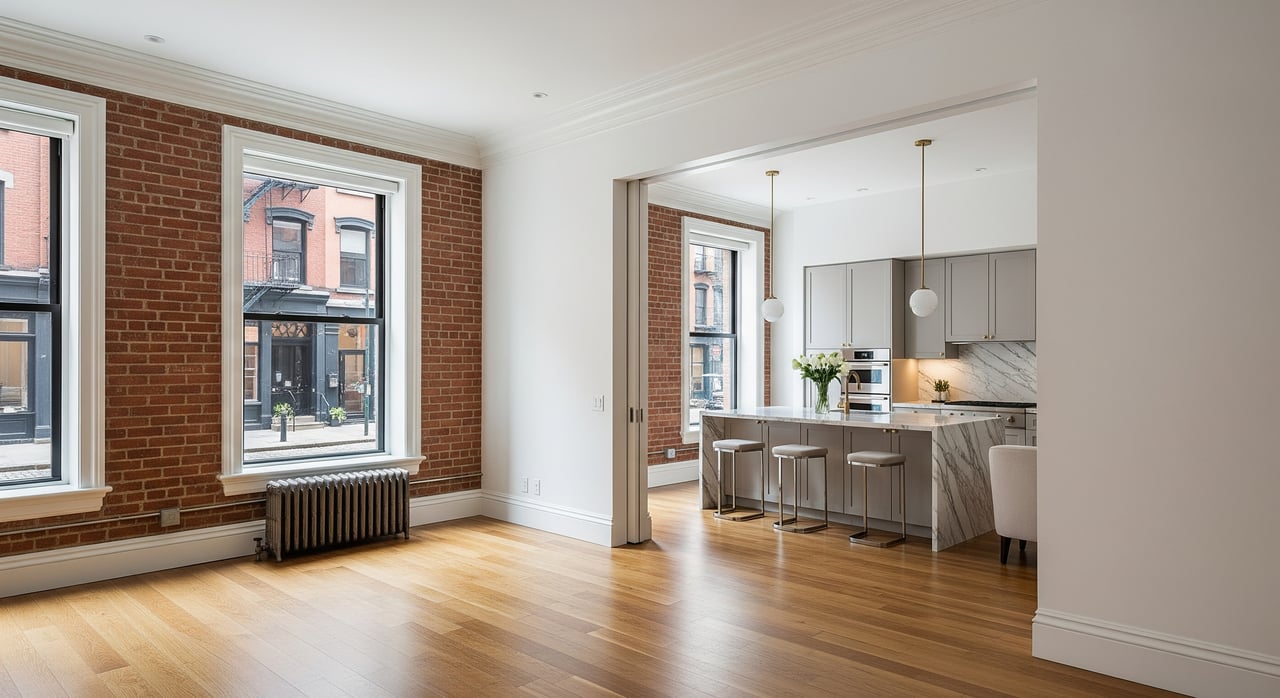
In many converted townhouses and smaller apartment houses, the quietest rooms are often the ones farthest from the street. A rear-facing bedroom or living area can offer a calmer outlook and less direct exposure to traffic and foot activity.
Mews and Carriage-House Conversions
The West Village includes a long tradition of back-of-lot buildings and stable-related structures later adapted for residential use. These homes often feel more intimate and more house-like, though their layouts can be less conventional than standard apartment inventory.
Rear Portions of Converted Buildings
Some homes occupy parts of buildings that were adapted over time rather than designed around a formal street-facing presentation. For buyers who care more about atmosphere than dramatic frontage, this can be a meaningful advantage.
Why These Homes Feel Calmer
A quieter experience in the West Village is not just about turning away from the street. It is also shaped by the neighborhood’s landscaping, open space, and small-scale built form.
Hudson River Park adds an important layer to that feeling. In the Greenwich Village section, the park includes spaces such as the Apple Garden, a dog park, compost drop-off sites, rowing, ballfields, and river-view dining, while the Apple Garden itself is defined by mature trees, shrubs, and layered plantings that soften the approach from nearby side streets.
Gansevoort Peninsula adds another version of that balance. With a beach, picnic tables, a dog park, direct river access for non-motorized boats, and a planted salt marsh, it reinforces the idea that West Village calm often comes from buffers and landscape rather than complete separation from city life.
That distinction matters when you evaluate a home. The most desirable quiet homes here usually do not feel disconnected from the neighborhood. They feel protected within it.
The Lifestyle Fit of a Rear-Facing Home
For many buyers, the appeal is less about decibels and more about how a home supports your routine. A rear-facing or garden-facing apartment can make mornings feel slower and evenings feel more settled, even when you are in one of Manhattan’s most active and loved neighborhoods.
That suits the West Village particularly well. The area is known for independent storefronts, intimate restaurants, and a strong coffee culture, making it easy to imagine a day built around a short walk, a nearby café, and time outdoors along the waterfront.
If your ideal home life includes stepping out into neighborhood energy and then returning to a more private setting, this part of the market can be a strong match. It offers a middle ground that is hard to replicate elsewhere downtown.
Tradeoffs Buyers Should Expect
Quiet garden-facing homes often come with compromises, and it helps to be realistic from the start. In many cases, the benefits of privacy and reduced street exposure are balanced by less dramatic light and smaller outward views.
Older conversions can also bring building-specific quirks. Floor plans may be irregular, room proportions may vary, and the relationship between interior space and natural light may be less straightforward than in a newer condominium.
That does not make these homes less desirable. It simply means the value proposition is different. You are often choosing atmosphere, privacy, and character over broad vistas or a more standardized layout.
Why Landmark Context Matters
Because much of the West Village is landmarked, the surrounding context is part of what protects the appeal buyers are seeking. Historic districts are designated because they create a distinct sense of place, and that sense of place is central to why these tucked-away homes feel special.
There is also a practical side to that designation. Exterior alterations, demolition, reconstruction, or new construction affecting designated buildings generally require approval from the Landmarks Preservation Commission, while ordinary interior work usually does not unless it affects the exterior.
For buyers, that means the setting around a garden-facing home is not entirely static, but it is more controlled than in many other parts of the city. That can be meaningful if your purchase decision is tied to preserved streetscape character and scale.
How to Evaluate Quiet in Person
Not every rear-facing home will feel the same, even if the listing language sounds similar. The most useful comparison is not quiet versus noisy in absolute terms, but quiet versus street exposure.
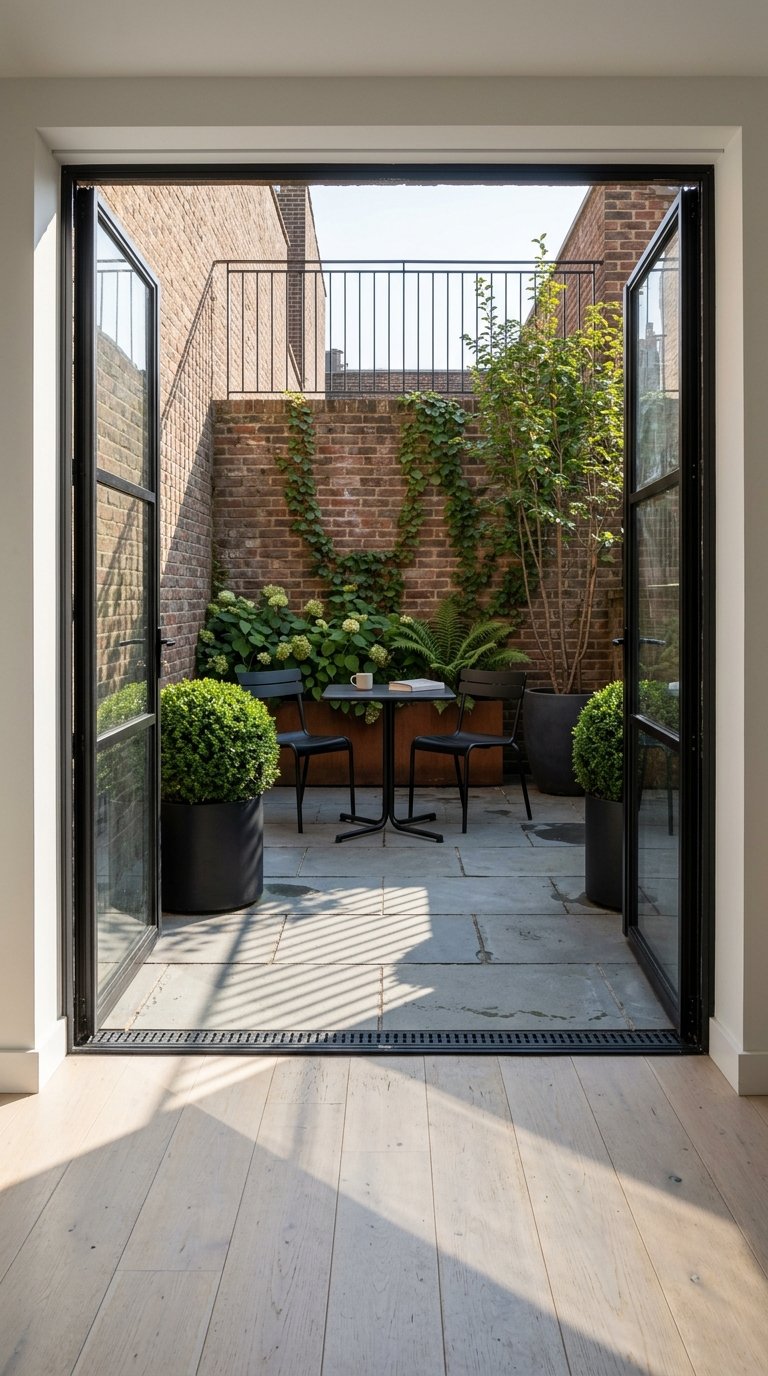
When you tour, pay attention to what the home actually faces. A planted yard, an interior courtyard, a rear building, or open space can each create a different sense of privacy and sound buffering.
It also helps to consider how the home fits your priorities:
- Do you want a more private bedroom orientation?
- Do you care more about greenery than open views?
- Are you comfortable with an older, less conventional floor plan?
- Would a calmer backdrop improve how you use the home day to day?
In the West Village, the best quiet homes tend to reward buyers who know exactly what kind of calm they are looking for.
Why This Niche Holds Long-Term Appeal
The West Village remains one of Manhattan’s most visually distinct residential neighborhoods, shaped by preservation, layered architecture, and a deeply walkable lifestyle. Within that setting, garden-facing and rear-facing homes offer a specific kind of luxury that is often understated.
It is not about spectacle. It is about privacy, texture, and a home that feels tucked away while remaining close to everything that makes the neighborhood desirable.
For buyers who value discretion, character, and a more composed home environment, these residences can represent one of the most compelling corners of the downtown market. If you want help identifying the right fit in this nuanced segment of the West Village, At the Firm offers private, highly tailored buyer representation.
FAQs
What is a quiet garden-facing home in the West Village?
- It usually refers to a home with windows or living spaces that face a rear garden, courtyard, planted yard, or back-of-building area rather than the street.
Why do rear-facing homes in the West Village feel calmer?
- They often have less direct exposure to sidewalk activity, traffic, and street noise, and the neighborhood’s low-rise scale and planted open spaces can create a more buffered feel.
What types of buildings have garden-facing homes in the West Village?
- Buyers may find them in converted townhouses, garden-level apartments, rear-facing units in apartment houses, and mews or carriage-house-style conversions.
Do quiet West Village homes have tradeoffs?
- Yes. They may offer more privacy and less street exposure, but they can also have less dramatic light, smaller views, and older building layouts with more quirks.
Does landmark status affect West Village homes?
- Yes. In designated historic districts, exterior changes generally require Landmarks Preservation Commission approval, while ordinary interior work usually does not unless it affects the exterior.